












COPD Treatment at Cleveland Clinic
COPD Treatment at Cleveland Clinic provides specialized medical care for patients with chronic obstructive pulmonary disease (COPD), including chronic bronchitis, emphysema, and related breathing problems. Treatment is individualized according to the severity of the disease, symptoms, lung function, medical history, and overall health.
Price
Price on Request
Why Price on Request?
The cost of COPD treatment varies depending on disease severity, diagnostic testing, specialist consultations, medications, pulmonary rehabilitation, oxygen requirements, procedures, and follow-up care. A personalized treatment plan and cost estimate can be provided after appropriate medical assessment.
Complete Description
What Is COPD Treatment?
COPD treatment involves long-term medical management designed to control symptoms, improve breathing, reduce exacerbations, and support quality of life. Treatment is tailored to the patient's lung function, symptoms, health status, and response to previous therapies.
COPD Assessment
The medical team may evaluate breathing symptoms, cough, mucus production, exercise tolerance, previous exacerbations, smoking history, occupational exposures, and other factors that may contribute to respiratory problems.
Pulmonary Function Testing
Pulmonary function tests may be used to assess airflow limitation and understand the severity of respiratory impairment. Test results can help guide treatment decisions and ongoing monitoring.
Chronic Bronchitis Management
Patients with chronic bronchitis may experience persistent cough and mucus production. Treatment may include medication, lifestyle measures, respiratory monitoring, and management of factors that contribute to worsening symptoms.
Emphysema Management
Emphysema involves damage to lung tissue that can affect airflow and oxygen exchange. Depending on disease severity, treatment may include inhaled medications, pulmonary rehabilitation, oxygen therapy, and other interventions when clinically appropriate.
Medication Management
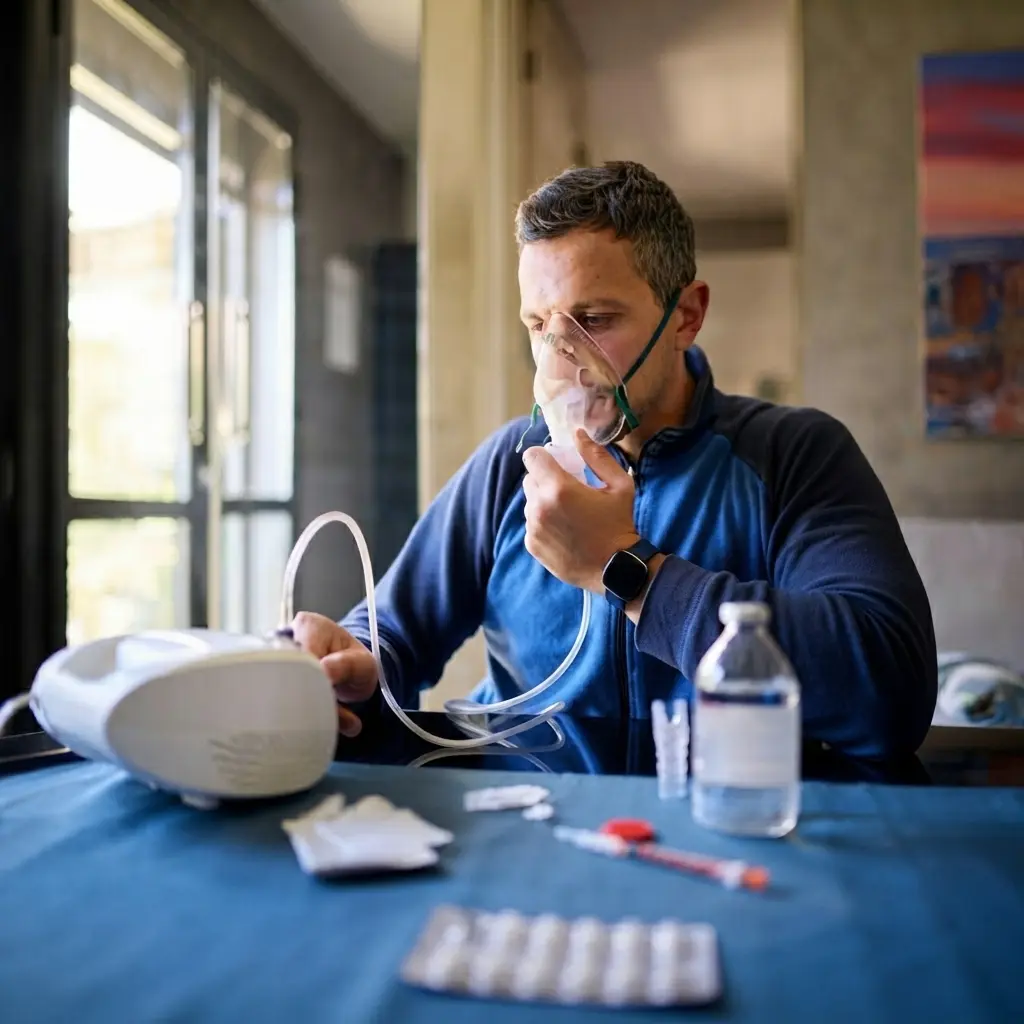
COPD treatment may include inhaled bronchodilators, inhaled corticosteroids in selected patients, or other prescribed medications. Treatment is adjusted according to symptoms, lung function, exacerbation history, and individual clinical needs.
Inhaler Technique Assessment
Correct inhaler technique can be important for receiving the intended medication dose. Healthcare professionals may review inhaler use and provide guidance when technique needs improvement.
COPD Exacerbation Management
Episodes of worsening breathlessness, cough, mucus production, or other respiratory symptoms may require prompt medical evaluation. Treatment can be adjusted according to the severity and underlying cause of the exacerbation.
Oxygen Therapy Assessment
Patients with advanced COPD or significant oxygen-related impairment may be evaluated for supplemental oxygen therapy. The need for oxygen is determined through appropriate clinical assessment and testing.
Pulmonary Rehabilitation
Pulmonary rehabilitation may be recommended for selected patients with COPD. Programs can include supervised exercise, breathing strategies, education, and support designed to improve physical capacity and help manage respiratory symptoms.
Smoking Cessation Support
Smoking can contribute significantly to COPD progression. Patients who smoke may receive support and recommendations aimed at reducing or stopping tobacco exposure as part of comprehensive COPD management.
Advanced COPD Treatment
Patients with severe or difficult-to-control COPD may require evaluation for additional treatment options. Depending on the patient's condition, specialist assessment may consider advanced procedures or other interventions.
Surgical and Procedural Evaluation
Selected patients with advanced emphysema may be evaluated for procedures designed to reduce the impact of damaged lung tissue or improve respiratory function. Suitability depends on detailed clinical and diagnostic assessment.
Lung Transplant Evaluation
Patients with very advanced lung disease may be assessed for lung transplantation when appropriate. Transplant evaluation involves comprehensive medical testing and assessment of overall suitability.
Long-Term COPD Monitoring
COPD is generally a long-term condition requiring ongoing monitoring. Follow-up may include assessment of symptoms, lung function, medication effectiveness, exacerbations, oxygen requirements, and overall respiratory health.
Personalized COPD Treatment Planning
The treatment plan is developed according to the patient's symptoms, disease severity, lung function, medical history, previous treatments, and personal healthcare needs. Treatment may be modified as the condition changes.
Complex Respiratory Conditions
Patients with COPD may also have asthma, cardiovascular disease, sleep-related breathing disorders, or other medical conditions. Coordinated specialist care may be considered when multiple conditions affect respiratory health.
Second Opinion
Patients already receiving COPD treatment may seek a specialist second opinion regarding their diagnosis, medication plan, disease severity, advanced treatment options, or long-term management strategy.
International Patient Care
International patients may receive specialist COPD evaluation and treatment planning based on their medical history, pulmonary function results, imaging, previous treatment, and other available medical records.
Benefits of COPD Treatment
Specialist evaluation of COPD severity and symptoms
Individualized medication and treatment planning
Pulmonary function assessment
Management of chronic bronchitis and emphysema
Support for inhaler technique and medication use
Evaluation for pulmonary rehabilitation
Assessment of oxygen therapy when appropriate
Management of COPD exacerbations
Evaluation for advanced treatment options
Specialist assessment for possible lung transplantation
Why Choose Cleveland Clinic?
Cleveland Clinic provides specialized respiratory care through multidisciplinary medical teams. Patients with COPD may benefit from specialist pulmonary assessment, individualized treatment planning, advanced diagnostic services, and coordinated care for complex respiratory conditions.
Cost & Price on Request
The overall cost depends on the severity of COPD, diagnostic requirements, medications, specialist consultations, rehabilitation services, procedures, and follow-up needs. Price on Request allows the treatment cost to be determined according to the patient's individual clinical requirements.
Frequently Asked Questions
What is included in COPD treatment?
COPD treatment may include lung function assessment, medication management, inhaler technique review, lifestyle recommendations, pulmonary rehabilitation, oxygen assessment, and ongoing respiratory monitoring.
Can COPD be cured?
COPD is generally a long-term condition. Treatment focuses on managing symptoms, reducing exacerbations, supporting lung function and physical capacity, and improving quality of life.
Can severe COPD require oxygen therapy?
Some patients with advanced COPD may require supplemental oxygen. The need for oxygen therapy is determined through appropriate medical assessment and testing.
Is pulmonary rehabilitation useful for COPD?
Pulmonary rehabilitation may benefit selected patients by supporting physical activity, breathing management, education, and overall respiratory function.
Can international patients receive COPD treatment at Cleveland Clinic?
Yes. International patients may receive specialist evaluation and treatment planning according to their medical needs, available clinical services, and appointment requirements.
Product Details
Product Name: COPD Treatment at Cleveland Clinic
Hospital: Cleveland Clinic
Brand: Cleveland Clinic
Country: United States
Location: Cleveland, Ohio, USA
Specialty: Pulmonology & Respiratory Medicine
Service Type: COPD Treatment
Customer-Facing Price: Price on Request
International Patients: Yes
Related products







Frequently Bought Together
No frequently bought products found!
Products from this Seller
View All











Chemotherapy at Mayo Clinic

Immunotherapy at Mayo Clinic

Medical Tourism





Share with Friends
Trading is more effective when you share products with friends!Share you link
Share to