





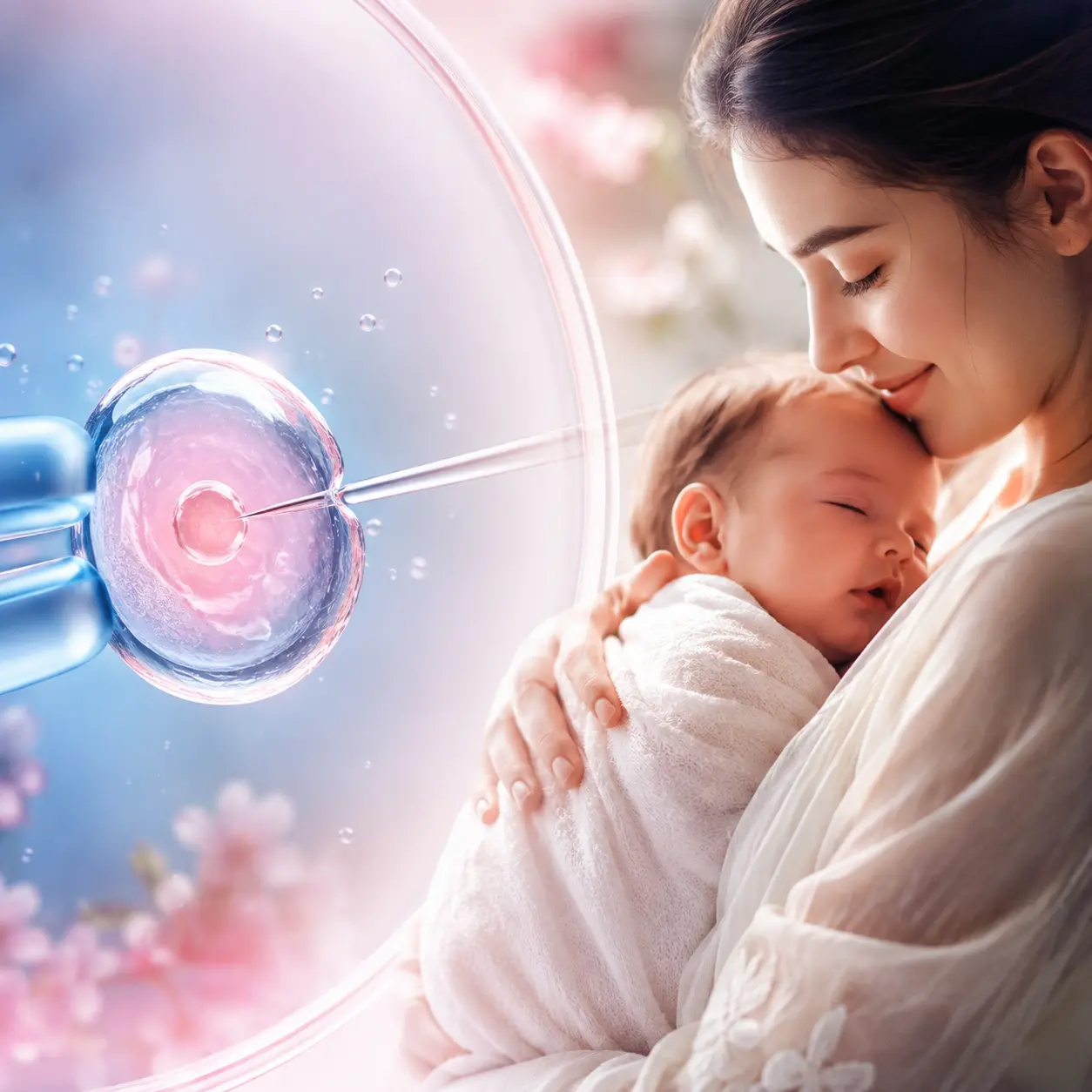








IVF Treatment at Cleveland Clinic
IVF Treatment at Cleveland Clinic provides assisted reproductive care for individuals and couples who may require in vitro fertilization as part of their fertility treatment plan. IVF involves fertilization of an egg with sperm in a laboratory setting, followed by appropriate embryo management and, when suitable, transfer to the uterus.
Price
Price on Request
Why Price on Request?
The cost of IVF treatment varies depending on the patient's fertility diagnosis, medications, laboratory procedures, monitoring, number of treatment cycles, and additional reproductive services that may be required. A personalized cost estimate is provided according to the individual treatment plan.
Complete Description
What Is IVF Treatment?
In vitro fertilization, commonly known as IVF, is an assisted reproductive technique in which eggs are collected and fertilized with sperm outside the body in a specialized laboratory.
When appropriate, resulting embryos may be selected for transfer to the uterus. The treatment pathway is individualized according to reproductive health, age, previous fertility treatment, and clinical findings.
Fertility Assessment Before IVF
Before beginning IVF, the medical team may review the patient's reproductive history, previous fertility treatments, medical conditions, medications, laboratory results, and relevant imaging.
Additional fertility testing may be recommended to determine whether IVF is appropriate and to support treatment planning.
Ovarian Stimulation
For patients undergoing an IVF cycle, medications may be used to stimulate the ovaries to develop multiple follicles.
The response to treatment can be monitored through appropriate clinical assessment, blood testing, and ultrasound when required.
Monitoring During Treatment
Monitoring helps the fertility team assess follicular development and response to medication during an IVF cycle.
Treatment adjustments may be made according to clinical findings and the patient's response.
Egg Retrieval
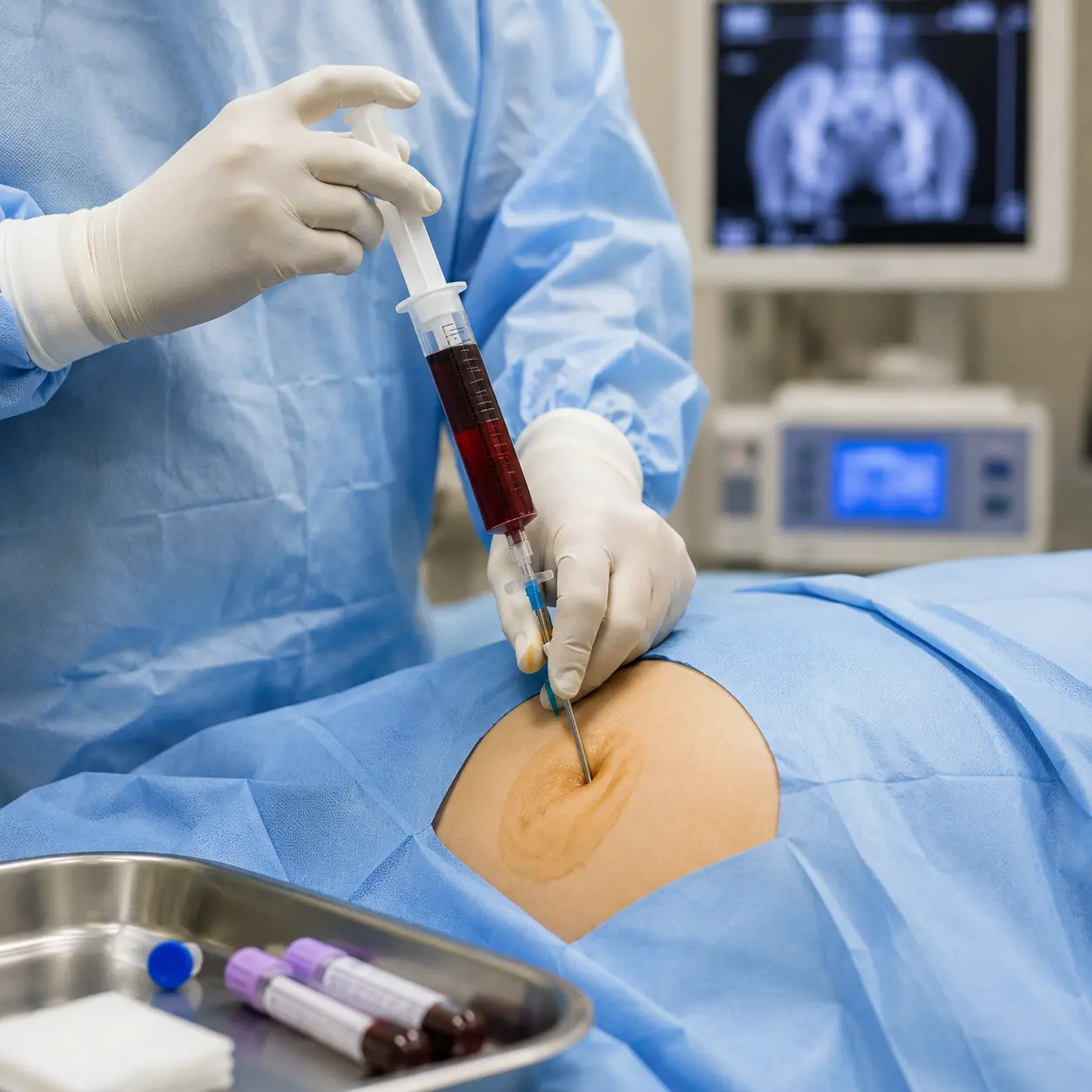
When the follicles have reached an appropriate stage, eggs may be collected through an egg retrieval procedure.
The timing and approach are determined by the fertility team according to the patient's treatment response.
Sperm Collection and Assessment
Sperm used for IVF may be obtained from the male partner or another appropriate source according to the treatment plan.
Semen assessment may be performed to evaluate sperm characteristics and determine the appropriate laboratory approach.
Fertilization in the Laboratory
Retrieved eggs are combined with sperm in a specialized laboratory environment. Fertilization and early embryo development are monitored by the embryology team.
The specific laboratory techniques used depend on the patient's circumstances and clinical requirements.
Embryo Development and Monitoring
Following fertilization, embryos may be monitored during early development.
The fertility team can provide information about embryo development and discuss appropriate options based on the treatment plan.
Embryo Transfer
When an embryo transfer is planned, an appropriate embryo may be placed into the uterus using a clinical procedure.
The timing of transfer depends on the treatment plan, embryo development, and individual circumstances.
Embryo Freezing
If suitable embryos remain after an IVF cycle, embryo freezing may be considered when clinically appropriate.
Cryopreservation can allow suitable embryos to be stored for potential future use according to the patient's reproductive plan.
Fertility Preservation and IVF
In some circumstances, IVF-related techniques may form part of fertility preservation planning. The appropriate approach depends on the patient's age, reproductive health, medical treatment, and future fertility goals.
Previous IVF Treatment
Patients who have previously undergone IVF may have their treatment records, medication history, ovarian response, embryo information, and previous outcomes reviewed.
This information can help guide future treatment planning.
Individualized IVF Treatment Planning
IVF is not identical for every patient. Treatment may be adapted according to ovarian reserve, age, fertility diagnosis, sperm factors, previous treatment, medical history, and other relevant considerations.
Safety and Treatment Expectations
Before treatment, patients may receive information about the IVF process, expected monitoring, possible side effects, potential complications, and treatment limitations.
The likelihood of success can vary substantially between individuals and should be discussed with the fertility specialist.
Second Opinion
Patients considering IVF or those who have experienced unsuccessful previous cycles may seek specialist review of their fertility history and treatment plan.
A second opinion may help clarify available options and whether changes to the treatment approach should be considered.
International Patient Care
International patients may be considered for IVF treatment subject to applicable hospital, clinical, eligibility, and appointment requirements. Previous fertility records, laboratory results, imaging, treatment history, and medication information may assist with treatment planning.
Benefits of IVF Treatment
Access to an established assisted reproductive treatment
Individualized fertility treatment planning
Specialist monitoring throughout the treatment cycle
Laboratory-based fertilization and embryo development
Options for embryo cryopreservation when appropriate
Evaluation of previous fertility treatment
Coordination of fertility and reproductive care
Support for selected patients with complex fertility concerns
Why Choose Cleveland Clinic?
Cleveland Clinic provides specialized reproductive healthcare within a multidisciplinary medical environment. Patients may benefit from fertility specialists, diagnostic assessment, laboratory expertise, individualized treatment planning, and coordinated reproductive care when IVF is clinically appropriate.
Cost & Price on Request
The total cost of IVF depends on the treatment protocol, fertility medications, monitoring, laboratory procedures, egg retrieval, embryo-related services, and any additional treatments required. Because treatment plans differ between patients, IVF Treatment is offered at Price on Request.
Frequently Asked Questions
What does IVF treatment involve?
IVF generally involves ovarian stimulation, monitoring, egg retrieval, laboratory fertilization, embryo development, and embryo transfer when appropriate. The exact treatment pathway varies according to the patient's individual circumstances.
Is IVF suitable for everyone experiencing infertility?
No. IVF is one of several fertility treatment options. Suitability depends on factors such as age, reproductive health, fertility diagnosis, previous treatment, and overall medical condition.
Can embryos be frozen during IVF treatment?
Suitable embryos may be cryopreserved when clinically appropriate. The availability and use of embryo freezing depend on the individual treatment plan and applicable clinical considerations.
Can previous unsuccessful IVF cycles be reviewed?
Yes. Previous IVF records, medication protocols, ovarian response, embryo information, and treatment outcomes may be reviewed to help inform future fertility planning.
Can international patients receive IVF treatment at Cleveland Clinic?
International patients may be considered subject to applicable eligibility, clinical, appointment, and hospital requirements. Medical and fertility records may be reviewed as part of the treatment planning process.
Product Details
Product Name: IVF Treatment at Cleveland Clinic
Hospital: Cleveland Clinic
Brand: Cleveland Clinic
Country: United States
Specialty: Fertility & Reproductive Medicine
Service Type: IVF Treatment
Customer-Facing Price: Price on Request
International Patients: Available
Location: Cleveland, Ohio, USA
Related products






Frequently Bought Together
No frequently bought products found!
Products from this Seller
View All











Chemotherapy at Mayo Clinic

Immunotherapy at Mayo Clinic


Medical Tourism





Share with Friends
Trading is more effective when you share products with friends!Share you link
Share to