














Living Donor Transplant Evaluation at Cleveland Clinic
Living Donor Transplant Evaluation at Cleveland Clinic provides specialized assessment for individuals who may be considering living organ donation and for transplant recipients who may have a potential living donor. The evaluation process helps determine whether donation may be medically appropriate and whether the donor and recipient can safely proceed with further transplant assessment.
Cleveland Clinic provides multidisciplinary transplant evaluation involving transplant physicians, surgeons, nurses, laboratory specialists, and other healthcare professionals as required.
Price
Price on Request
Why Price on Request?
The cost of living donor transplant evaluation varies depending on the type of transplant, required medical investigations, donor and recipient assessments, imaging, laboratory testing, specialist consultations, and additional clinical requirements. International patients may also have additional medical coordination and assessment needs. A personalized cost estimate can be provided after appropriate medical information has been reviewed.
Complete Description
What Is a Living Donor Transplant Evaluation?
A living donor transplant evaluation is a comprehensive medical assessment performed to determine whether an individual may be suitable to donate an organ or part of an organ to a recipient.
The evaluation focuses on donor safety, medical suitability, compatibility, and the potential risks associated with donation. The recipient is also assessed as part of the overall transplant planning process.
Who May Need Living Donor Transplant Evaluation?
Living donor evaluation may be appropriate for:
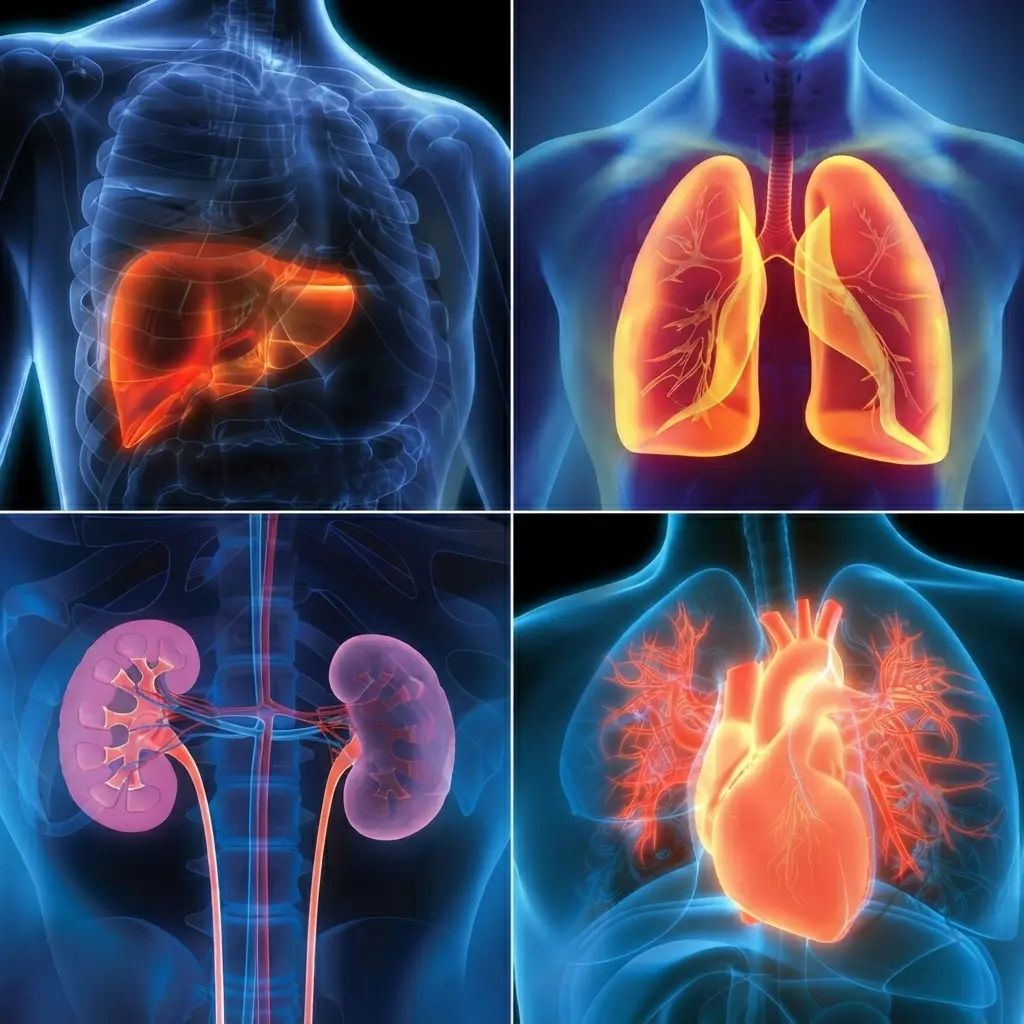
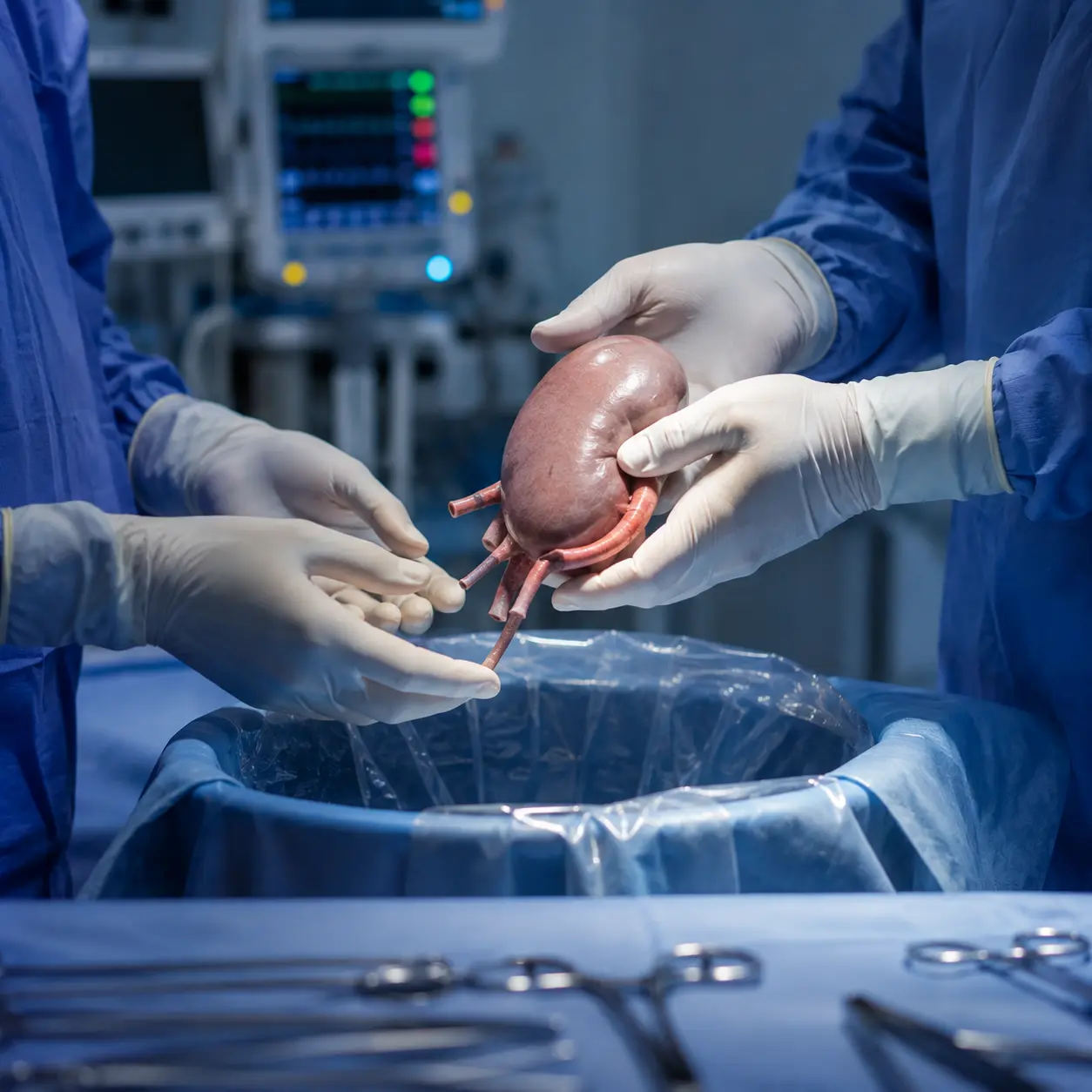
Individuals considering kidney donation
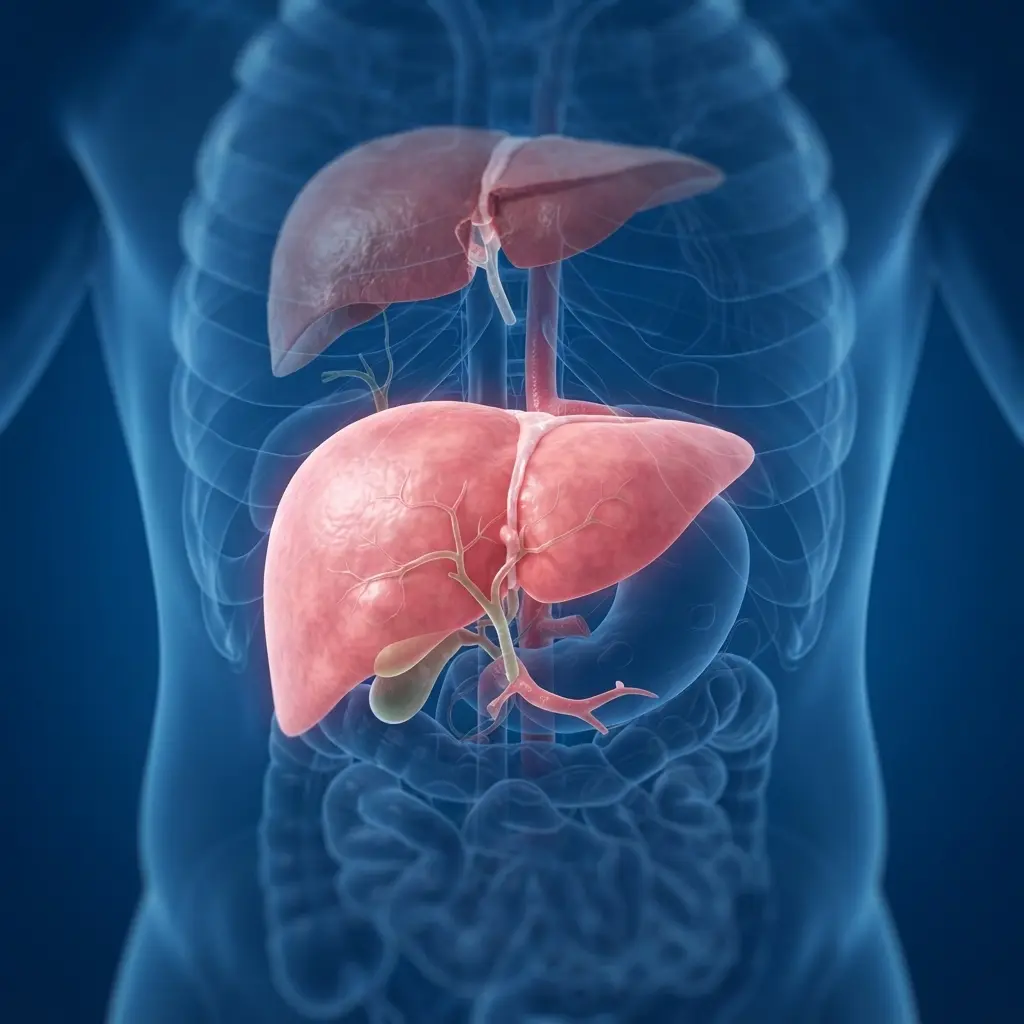
Individuals considering a portion of their liver for donation
Potential living donors identified by a transplant recipient
Transplant recipients who have a willing living donor
Families or individuals seeking information about living donation
Patients undergoing transplant planning where living donation may be an option
The availability and suitability of living donation depend on the specific organ and individual clinical circumstances.
Initial Donor Assessment
The evaluation begins with a detailed review of the potential donor's medical history, previous illnesses, surgeries, medications, lifestyle factors, and general health.
The transplant team may also discuss the donor's understanding of the donation process and potential medical considerations.
Medical Examination
Potential living donors undergo a comprehensive medical examination to assess whether donation can be performed safely.
The evaluation may include physical examination, blood tests, urine testing, imaging studies, cardiovascular assessment, and other investigations based on the type of organ donation being considered.
Blood and Laboratory Testing
Laboratory testing may be performed to evaluate blood counts, kidney or liver function, metabolic health, infectious disease status, and other relevant medical factors.
Additional testing may be requested depending on the donor's medical history and the type of transplant.
Imaging and Organ Assessment
Imaging studies may be used to assess the anatomy and function of the organ being considered for donation.
For potential kidney or liver donors, specialized imaging may help the transplant team understand organ structure, blood vessels, and other anatomical considerations.
Compatibility Assessment
The transplant team may perform compatibility testing between the potential donor and recipient.
Depending on the transplant type, this may include blood group testing, tissue compatibility assessment, antibody testing, and other relevant evaluations.
Psychological and Social Assessment
Living donation involves significant medical and personal considerations. Potential donors may undergo psychological and social assessment to ensure that they understand the donation process and are making an informed decision.
The assessment may consider emotional wellbeing, social circumstances, support systems, and the individual's understanding of potential risks and recovery requirements.
Donor Safety Assessment
Protecting the donor's health is a central part of living donor evaluation.
The transplant team carefully considers existing medical conditions, surgical risks, long-term health considerations, and other factors that could influence donor safety.
Donation should only proceed when the transplant team determines that the potential benefits and risks are appropriate for the individual donor.
Informed Consent
Potential donors receive information about the donation process, possible risks, recovery expectations, and available alternatives.
The decision to donate should be voluntary and made without inappropriate pressure or coercion.
Kidney Living Donor Evaluation
For potential kidney donors, the evaluation may include detailed assessment of kidney function, urine testing, blood pressure, imaging, and other medical investigations.
The transplant team determines whether the donor's kidney health and overall medical condition are compatible with safe donation.
Liver Living Donor Evaluation
Potential living liver donors may undergo detailed assessment of liver function, liver anatomy, blood vessels, overall health, and other relevant factors.
The amount and portion of liver that may be donated depend on the individual donor and recipient circumstances and surgical assessment.
Recipient Evaluation
The transplant recipient also undergoes appropriate medical assessment to determine whether a transplant using a living donor may be suitable.
The recipient's diagnosis, organ function, overall health, transplant history, and other clinical factors are considered.
Multidisciplinary Transplant Evaluation
Living donor transplantation involves multiple medical disciplines. Depending on the transplant type, the evaluation may involve transplant surgeons, transplant physicians, nephrologists, hepatologists, anesthesiologists, nurses, psychologists, social workers, laboratory specialists, and other healthcare professionals.
This multidisciplinary approach helps address both donor and recipient needs.
Potential Donor Risks
Living organ donation is a major medical decision and may involve surgical, medical, and emotional risks.
The transplant team discusses potential risks and recovery requirements with the donor during the evaluation process so that the individual can make an informed decision.
Donor Recovery and Follow-Up
Potential donors receive information about expected recovery and follow-up requirements.
After donation, appropriate medical monitoring may be recommended to assess recovery and ongoing health according to the type of organ donation and individual circumstances.
Second Opinion for Living Donation
Individuals who are considering living donation may seek a specialist second opinion regarding donor suitability, medical risks, compatibility, or alternative transplant options.
A comprehensive review of medical information can help provide further specialist assessment.
International Patient Care
International transplant recipients and potential living donors may require medical records, laboratory reports, imaging studies, medication information, and previous treatment details for review.
International treatment arrangements are subject to applicable eligibility, referral, appointment, donor assessment, transplant, and hospital requirements.
Benefits of Living Donor Transplant Evaluation
Potential benefits of specialist living donor evaluation include:
Comprehensive donor medical assessment
Evaluation of donor safety
Recipient and donor compatibility assessment
Kidney and liver donor evaluation when appropriate
Psychological and social assessment
Detailed review of potential medical risks
Multidisciplinary transplant planning
Informed decision-making support
Individualized donor and recipient evaluation
Appropriate long-term follow-up planning
Why Choose Cleveland Clinic?
Cleveland Clinic provides specialized transplant evaluation within a multidisciplinary healthcare environment. Potential donors and transplant recipients may receive coordinated assessment involving transplant physicians, surgeons, laboratory specialists, nursing professionals, and other healthcare teams.
A structured evaluation can help determine whether living donation may be medically appropriate while keeping donor safety an important consideration throughout the process.
Cost of Living Donor Transplant Evaluation
The overall cost depends on the type of transplant, donor and recipient evaluations, laboratory testing, imaging, specialist consultations, compatibility testing, and other medical requirements.
Because evaluation requirements differ between patients and donors, this service is offered at Price on Request following appropriate medical review.
Frequently Asked Questions
Who can be evaluated as a living donor?
Individuals who are considering donating an organ or part of an organ may undergo evaluation to determine whether they meet the medical and other requirements for living donation.
What tests are performed during living donor evaluation?
Testing may include blood and urine tests, imaging, organ-function assessment, compatibility testing, physical examination, and psychological or social evaluation depending on the transplant type.
Is living organ donation completely risk-free?
No. Living organ donation is a major medical procedure and carries potential risks. The transplant team carefully evaluates donor health and discusses potential risks before any decision is made.
Can a potential donor change their mind?
Living donation should be voluntary. Potential donors can discuss their concerns with the transplant team and should not feel pressured to proceed with donation.
Can international patients and donors receive living donor transplant evaluation at Cleveland Clinic?
International patients and potential donors may be considered subject to applicable eligibility, medical assessment, referral, appointment, transplant, and hospital requirements.
Product Details
Product Name: Living Donor Transplant Evaluation at Cleveland Clinic
Hospital: Cleveland Clinic
Brand: Cleveland Clinic
Country: United States
Location: Cleveland, Ohio, USA
Specialty: Transplant Medicine
Service Type: Living Donor Transplant Evaluation
Customer-Facing Price: Price on Request
International Patients: Subject to applicable eligibility and transplant requirements
Related products

Frequently Bought Together
No frequently bought products found!
Products from this Seller
View All







Chemotherapy at Mayo Clinic
Immunotherapy at Mayo Clinic

Medical Tourism





Share with Friends
Trading is more effective when you share products with friends!Share you link
Share to