












Pediatric Oncology at Cleveland Clinic
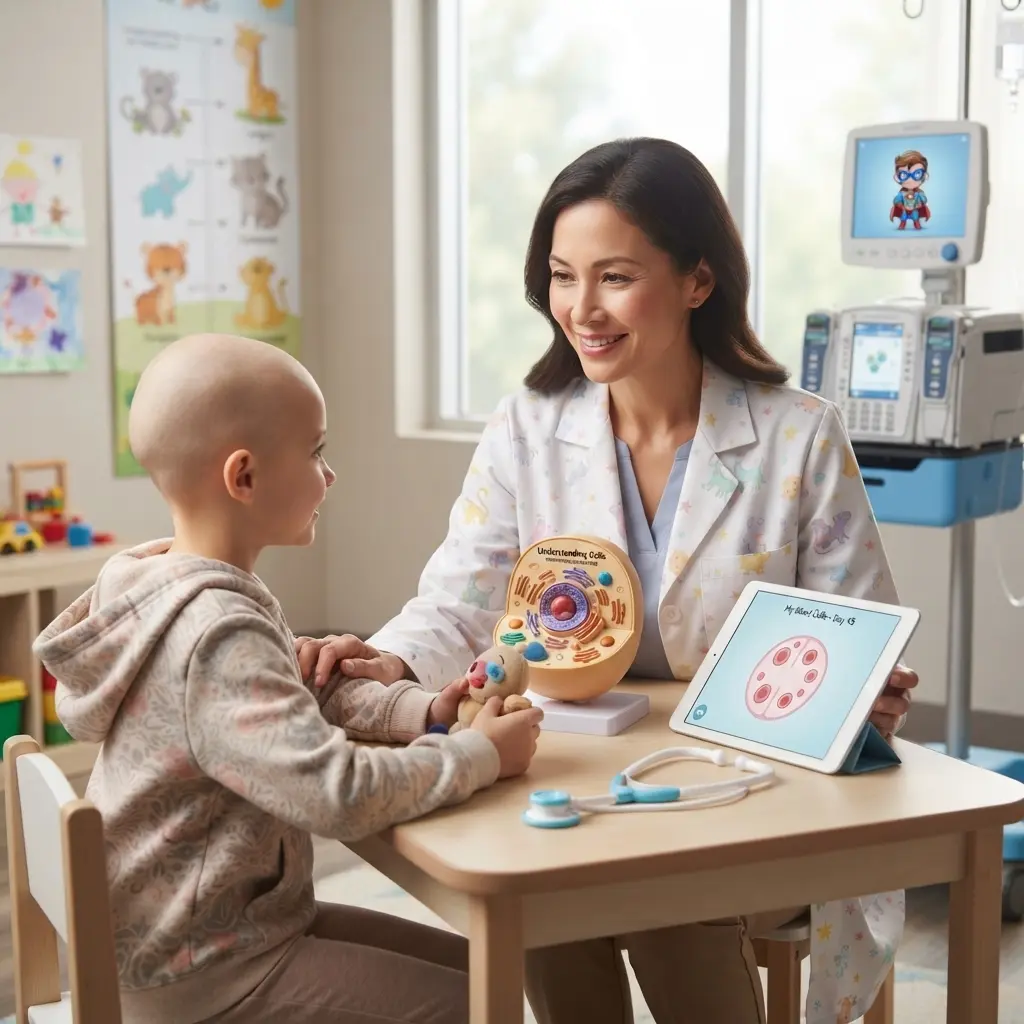
Pediatric Oncology at Cleveland Clinic provides specialist evaluation and medical care for infants, children, and adolescents with suspected or diagnosed cancers and other complex conditions requiring pediatric oncology expertise. Care may involve detailed diagnostic assessment, treatment planning, supportive care, and coordination with other medical specialties according to the child's individual condition.
Price
Price on Request
Why Price on Request?
The cost of pediatric oncology care varies depending on the type and stage of the condition, diagnostic investigations, pathology, imaging, treatment requirements, medications, hospital services, and follow-up needs. A personalized treatment estimate can be provided after appropriate medical evaluation and review of the patient's records.
Complete Description
What Is Pediatric Oncology?
Pediatric oncology focuses on the evaluation and treatment of cancers affecting infants, children, and adolescents. Treatment planning is based on the child's diagnosis, age, overall health, disease characteristics, and response to treatment.
Pediatric Cancer Evaluation
Children with symptoms, abnormal test results, or a suspected cancer diagnosis may undergo specialist evaluation. The medical team may review previous investigations, symptoms, medical history, imaging, pathology reports, and other relevant information.
Childhood Leukemia
Leukemia is one of the cancers that can affect children and may require specialized evaluation and treatment. Assessment may include blood testing, bone marrow evaluation, imaging when appropriate, and other investigations to establish the diagnosis and guide treatment planning.
Lymphoma Evaluation and Care
Children diagnosed with lymphoma may require detailed assessment to determine the type and extent of disease. Treatment planning may involve oncology specialists and other healthcare professionals according to the individual clinical situation.
Pediatric Solid Tumors
Solid tumors can develop in different organs or tissues in children. Specialist evaluation may include imaging, laboratory testing, biopsy or pathology review, and consultation with appropriate surgical or medical specialists when required.
Diagnostic Testing and Staging
Accurate diagnosis and assessment of disease extent are important components of pediatric cancer care. Depending on the condition, investigations may include blood tests, imaging studies, pathology evaluation, biopsy, or other specialized diagnostic procedures.
Pathology and Imaging Review
Pathology and imaging findings can provide important information about the type and characteristics of a tumor. Specialist review of available reports and diagnostic material may assist in developing an individualized treatment plan.
Chemotherapy
Chemotherapy may be used to treat certain childhood cancers. The medications, treatment schedule, dosage, and duration depend on the specific diagnosis and the child's individual medical circumstances.
Targeted and Immunotherapy Approaches
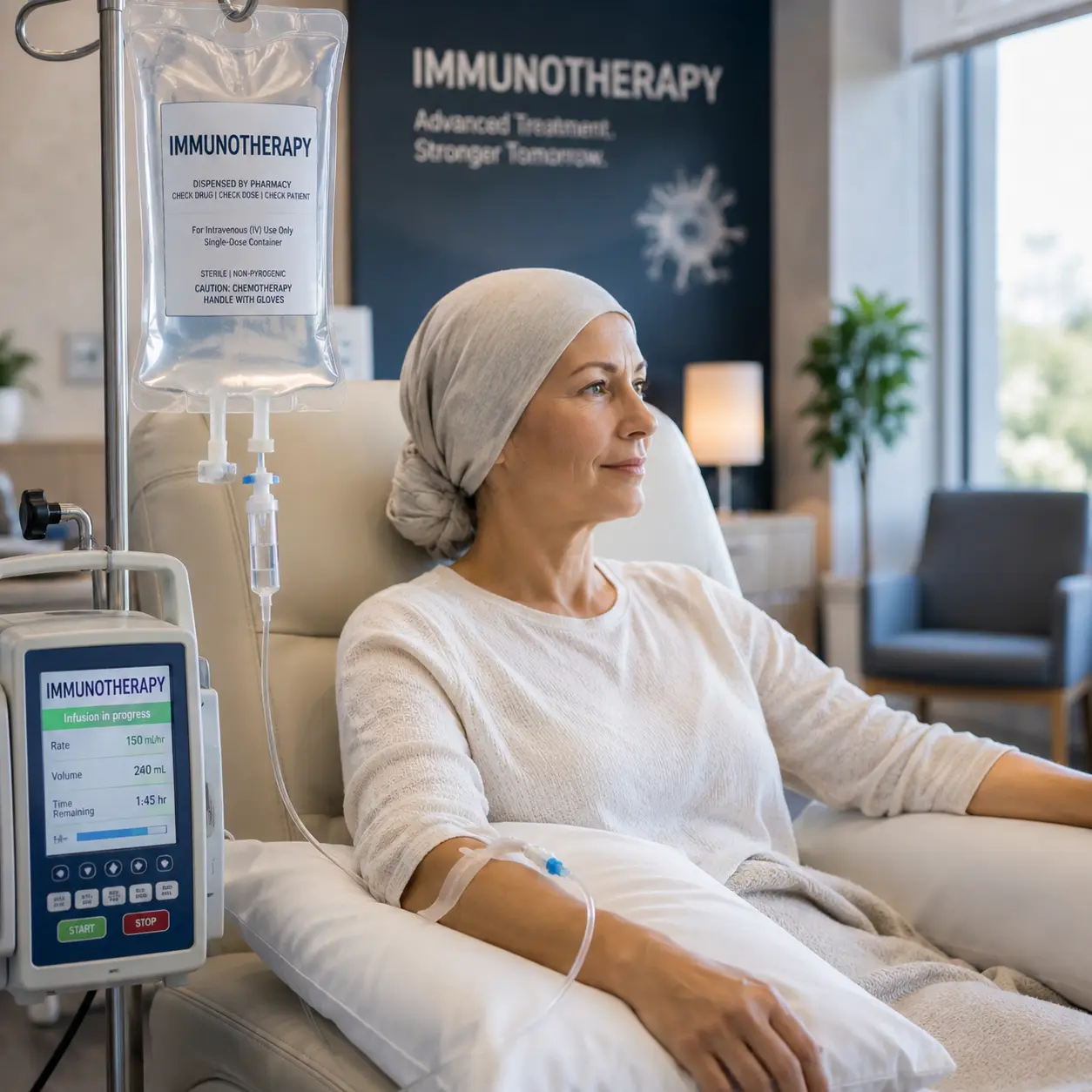
For selected cancers, targeted medicines or immunotherapy may be considered when medically appropriate. Treatment eligibility depends on the cancer type, molecular or biological characteristics, previous treatment, and other clinical factors.
Radiation Therapy Coordination
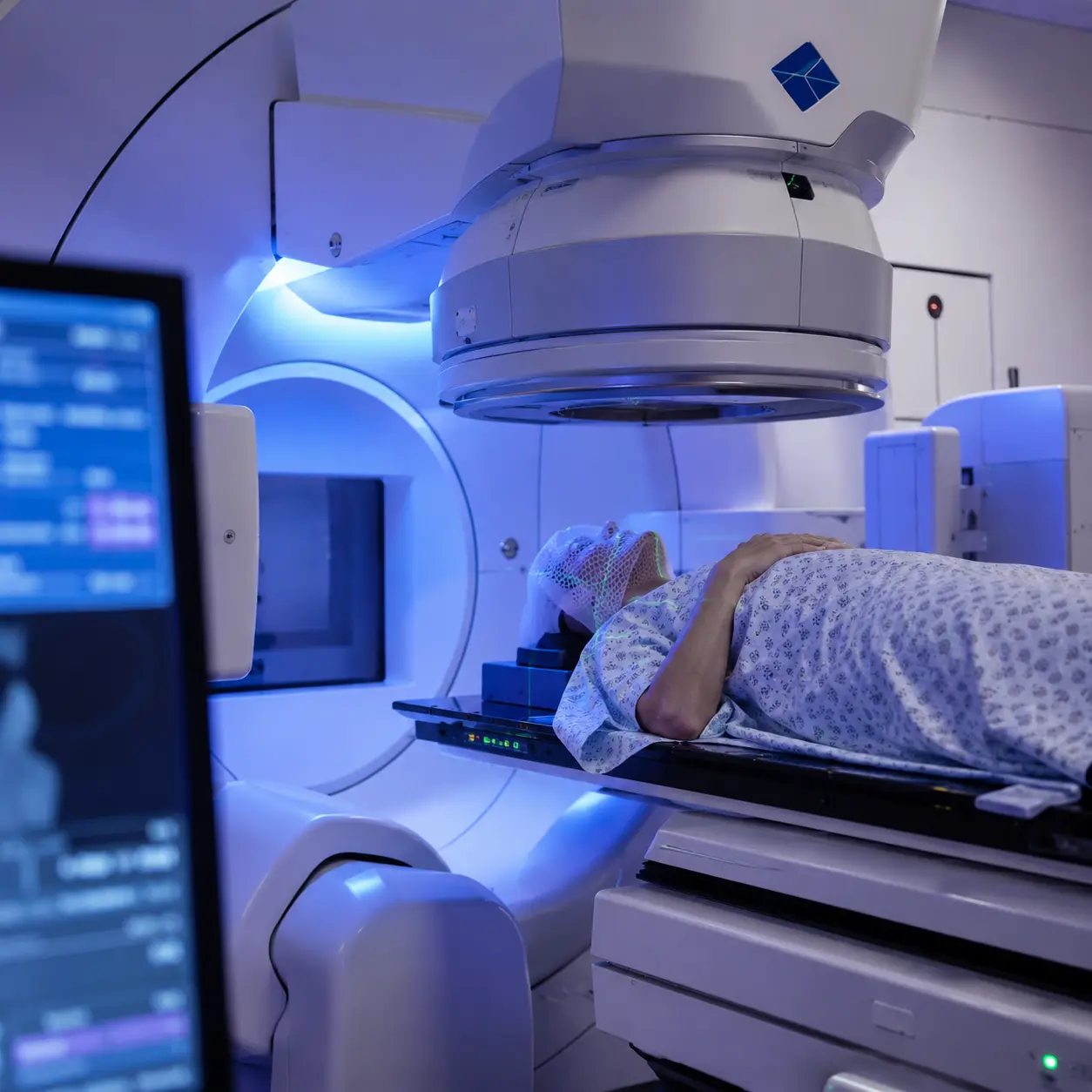
Radiation therapy may form part of treatment for selected pediatric cancers. When radiation is clinically appropriate, care may involve coordination with radiation oncology specialists as part of the overall treatment plan.
Surgical Coordination
Some pediatric cancers may require surgery for diagnosis, tumor removal, or management of complications. Pediatric oncology care may be coordinated with surgical specialists when surgery forms part of the treatment pathway.
Supportive Care
Children receiving cancer treatment may require supportive care to manage treatment-related effects and maintain overall wellbeing. Depending on individual needs, supportive services may address nutrition, pain, infection risk, emotional support, and other concerns.
Multidisciplinary Pediatric Cancer Care
Complex pediatric cancer cases may require collaboration among pediatric oncologists, surgeons, radiologists, pathologists, radiation specialists, nurses, rehabilitation professionals, and other healthcare providers.
Treatment Monitoring
Children receiving oncology treatment require ongoing monitoring of their clinical condition and response to therapy. Laboratory testing, imaging, physical assessments, and other evaluations may be used according to the treatment plan.
Survivorship and Follow-Up Care
After completion of cancer treatment, children may require continued medical follow-up. Survivorship care can include monitoring for recurrence, assessing recovery, managing late effects, and supporting the child's ongoing health and development.
Second Opinion
Families may seek a specialist second opinion regarding a pediatric cancer diagnosis, pathology findings, treatment recommendation, or proposed management plan. Review of previous medical records and diagnostic information can help provide an additional clinical perspective.
International Patient Care
International patients may be considered for pediatric oncology evaluation and treatment according to applicable eligibility, appointment, and hospital requirements. Medical records, pathology reports, imaging studies, laboratory results, and previous treatment information may be requested for review.
Benefits of Pediatric Oncology Care
Specialist evaluation of childhood cancers
Review of previous diagnostic and pathology information
Individualized pediatric cancer treatment planning
Assessment of leukemia, lymphoma, and selected solid tumors
Coordination of medical, surgical, and radiation treatment when appropriate
Monitoring of treatment response and clinical progress
Supportive care during cancer treatment
Multidisciplinary specialist involvement
Long-term follow-up and survivorship planning
Specialist second-opinion assessment when required
Why Choose Cleveland Clinic?
Cleveland Clinic provides access to specialized medical expertise and multidisciplinary care for complex health conditions. Pediatric oncology treatment planning can involve coordination among oncology, diagnostic, surgical, and supportive-care specialists according to the child's individual medical needs.
Cost & Price on Request
The overall cost of pediatric oncology care depends on the child's diagnosis, diagnostic investigations, treatment plan, medications, procedures, hospital services, and follow-up requirements. Because these needs vary substantially between patients, the service is offered at Price on Request following appropriate medical assessment.
Frequently Asked Questions
What types of childhood cancer can pediatric oncology evaluate?
Pediatric oncology may evaluate and manage conditions such as childhood leukemia, lymphoma, and selected solid tumors. The appropriate treatment approach depends on the individual diagnosis and clinical circumstances.
What tests may be required for pediatric cancer evaluation?
Depending on the suspected or confirmed condition, evaluation may involve blood tests, imaging studies, pathology review, biopsy, bone marrow evaluation, or other specialized investigations.
Does pediatric oncology include chemotherapy?
Chemotherapy may be part of treatment for certain childhood cancers. The specific medicines, schedule, dosage, and duration depend on the child's diagnosis and individualized treatment plan.
Can families seek a second opinion for a child's cancer diagnosis?
Yes. Families may seek specialist review of a diagnosis, pathology results, imaging, or proposed treatment plan to obtain an additional clinical perspective.
Can international patients receive pediatric oncology care at Cleveland Clinic?
International patients may be considered for pediatric oncology services subject to applicable eligibility, referral, appointment, and hospital requirements. Previous medical records and diagnostic reports may be reviewed as part of treatment planning.
Product Details
Product Name: Pediatric Oncology at Cleveland Clinic
Hospital: Cleveland Clinic
Brand: Cleveland Clinic
Country: United States
Location: Cleveland, Ohio, USA
Specialty: Pediatrics / Children's Care
Service Type: Pediatric Oncology
Customer-Facing Price: Price on Request
International Patients: Yes
Related products




Frequently Bought Together
No frequently bought products found!
Products from this Seller
View All










Chemotherapy at Mayo Clinic
Immunotherapy at Mayo Clinic



Medical Tourism





Share with Friends
Trading is more effective when you share products with friends!Share you link
Share to