














Reproductive Endocrinology at Massachusetts General Hospital
Reproductive Endocrinology at Massachusetts General Hospital provides specialist assessment and management of hormonal and reproductive conditions that can affect menstrual cycles, ovulation, fertility, pregnancy planning, and overall reproductive health. Care may address conditions involving reproductive hormones, ovarian function, menstrual disorders, and other endocrine factors affecting fertility.
The appropriate evaluation and treatment plan depends on the patient's symptoms, medical history, reproductive goals, laboratory findings, age, and overall health.
Price
Price on Request
Why Price on Request?
The cost of reproductive endocrinology care may vary depending on the consultation requirements, hormonal testing, imaging, fertility investigations, specialist assessments, medications, procedures, and follow-up needs. International patients may also have additional assessment and coordination requirements. A personalized cost estimate can be provided after the patient's medical information has been reviewed.
Complete Description
What Is Reproductive Endocrinology?
Reproductive endocrinology is a specialized area of women's healthcare focused on hormonal and reproductive conditions that can affect fertility, menstrual function, ovulation, and pregnancy planning.
Specialist evaluation may help identify hormonal or reproductive factors contributing to symptoms or difficulty conceiving and determine an appropriate management approach.
Who May Need Reproductive Endocrinology Care?
Reproductive endocrinology consultation may be appropriate for patients experiencing:
Difficulty becoming pregnant
Irregular or absent menstrual periods
Ovulation disorders
Hormonal imbalances affecting reproductive health
Polycystic ovary syndrome
Premature or early ovarian insufficiency
Recurrent pregnancy loss requiring specialist evaluation
Endometriosis-related fertility concerns
Age-related fertility concerns
Other reproductive endocrine conditions
Reproductive Hormone Assessment
The medical team may evaluate hormones involved in reproductive function, depending on the patient's symptoms and clinical history.
Laboratory testing may be used to assess ovarian function, ovulation, thyroid function, or other hormonal factors when clinically appropriate.
Fertility Evaluation
Patients experiencing difficulty conceiving may receive an individualized fertility assessment.
The evaluation may include menstrual and ovulation history, reproductive hormone testing, pelvic imaging, previous pregnancy history, and review of other factors that may influence fertility.
Ovulation Disorders
Irregular or absent ovulation can make conception more difficult.
Specialist assessment may help identify potential causes, which can include hormonal disorders, polycystic ovary syndrome, changes in ovarian function, thyroid conditions, or other medical factors.
Polycystic Ovary Syndrome
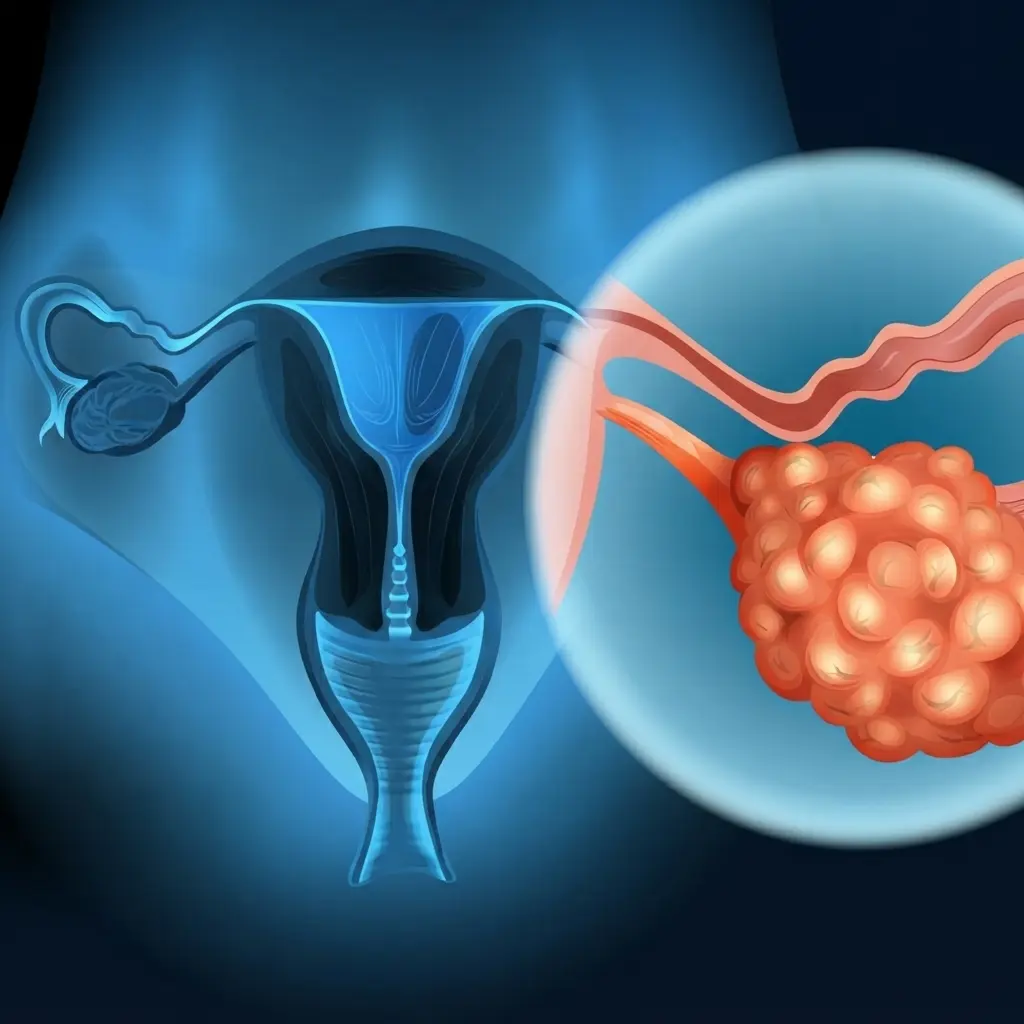
Polycystic ovary syndrome can affect ovulation, menstrual cycles, hormone levels, fertility, and metabolic health.
Reproductive endocrinology care may include evaluation of reproductive symptoms and individualized management based on the patient's fertility goals and overall health.
Ovarian Function Assessment
Ovarian function can be influenced by age, medical conditions, previous surgery, certain treatments, and other factors.
Where appropriate, specialist assessment may include laboratory testing, ultrasound evaluation, and review of reproductive history to better understand ovarian function.
Premature or Early Ovarian Insufficiency
Some patients experience reduced ovarian function earlier than expected.
Specialist evaluation may help investigate possible causes, assess hormonal status, discuss reproductive implications, and determine appropriate management or referral when clinically indicated.
Thyroid and Reproductive Health
Thyroid disorders can affect menstrual cycles, ovulation, and fertility.
When appropriate, thyroid function may be evaluated as part of a broader reproductive endocrine assessment, particularly when symptoms or medical history suggest a possible hormonal contribution.
Recurrent Pregnancy Loss Evaluation
Patients with repeated pregnancy losses may require specialist evaluation to investigate possible contributing factors.
Depending on the clinical history, assessment may include hormonal, anatomical, genetic, metabolic, or other investigations.
Endometriosis and Fertility
Endometriosis may affect pelvic health and fertility in some patients.
Specialist assessment can help evaluate the relationship between endometriosis and reproductive goals and determine whether medical, surgical, fertility-related, or multidisciplinary care may be appropriate.
Age-Related Fertility Concerns
Fertility can change with age due to changes in ovarian function and other reproductive factors.
Patients may receive individualized counseling and assessment based on age, reproductive goals, medical history, and available fertility indicators.
Fertility Treatment Planning
Following assessment, the specialist may discuss appropriate fertility treatment options or referrals when clinically indicated.
Depending on the patient's circumstances, management may include ovulation-related treatment, medication, monitoring, assisted reproductive treatment, or other specialist care.
Preconception Counseling
Patients planning pregnancy may receive guidance regarding medical conditions, medications, reproductive health, lifestyle factors, and other considerations that may affect pregnancy planning.
The appropriate recommendations depend on individual medical circumstances.
Diagnostic Testing
Reproductive endocrinology assessment may involve blood hormone testing, thyroid testing, pelvic ultrasound, ovarian assessment, or other investigations.
The tests selected depend on the patient's symptoms, reproductive history, and clinical needs.
Multidisciplinary Reproductive Care
Some reproductive conditions require coordination between reproductive endocrinologists, gynecologists, fertility specialists, genetic counselors, radiologists, and other healthcare professionals.
Multidisciplinary care may be considered when several medical factors affect reproductive health or fertility.
Review of Previous Fertility Reports
Patients seeking reproductive endocrinology care may benefit from providing previous hormone tests, ultrasound reports, fertility investigations, surgical records, pregnancy history, medication lists, and other relevant medical documents.
Reviewing previous information can help the specialist understand previous evaluations and determine whether additional testing is required.
Second Opinion for Fertility and Hormonal Conditions
Patients may seek a specialist second opinion regarding fertility treatment, hormonal disorders, ovarian function, ovulation problems, or previous treatment recommendations.
A detailed review may help clarify the diagnosis and available management options.
International Patient Care
International patients may require medical record review before traveling for reproductive endocrinology care. Relevant laboratory reports, imaging studies, fertility records, previous treatment information, and medication details may be requested.
International treatment arrangements are subject to applicable eligibility, referral, appointment, and hospital requirements.
Benefits of Reproductive Endocrinology Care
Potential benefits of specialist reproductive endocrinology care include:
Detailed assessment of reproductive hormones
Evaluation of ovulation and menstrual disorders
Specialist fertility assessment
Evaluation of polycystic ovary syndrome
Assessment of ovarian function
Investigation of selected causes of recurrent pregnancy loss
Preconception counseling
Individualized fertility treatment planning
Review of previous reproductive investigations
Specialist second-opinion assessment
Why Choose Massachusetts General Hospital?
Massachusetts General Hospital provides specialist women's healthcare within a major academic healthcare environment. Patients with complex reproductive or hormonal concerns may benefit from coordinated specialist assessment and access to related areas of medical care when required.
Treatment planning is individualized according to reproductive goals, medical history, diagnostic findings, and overall health.
Cost of Reproductive Endocrinology Care
The overall cost depends on consultation requirements, hormonal testing, imaging, fertility investigations, specialist involvement, medications, procedures, and follow-up care.
Because reproductive endocrinology requirements vary between patients, this service is offered at Price on Request following appropriate medical review.
Frequently Asked Questions
What conditions does reproductive endocrinology treat?
Reproductive endocrinology may address fertility problems, ovulation disorders, menstrual irregularities, reproductive hormone conditions, polycystic ovary syndrome, ovarian function concerns, and other endocrine factors affecting reproductive health.
Can reproductive endocrinology help with infertility?
Yes. Specialist evaluation can help identify potential hormonal, ovulatory, ovarian, or other reproductive factors that may contribute to difficulty becoming pregnant and help determine appropriate next steps.
What tests may be included in a reproductive endocrinology evaluation?
Depending on the patient's condition, assessment may include hormone testing, thyroid testing, pelvic ultrasound, ovarian evaluation, and other fertility-related investigations.
Can reproductive endocrinology assess irregular periods?
Yes. Irregular or absent menstrual cycles may be associated with hormonal, ovarian, thyroid, metabolic, or other conditions. Specialist evaluation can help investigate possible causes.
Can international patients receive reproductive endocrinology care at Massachusetts General Hospital?
International patients may be considered subject to applicable eligibility, referral, appointment, and hospital requirements. Medical records and fertility-related diagnostic information may need to be reviewed before treatment planning.
Product Details
Product Name: Reproductive Endocrinology at Massachusetts General Hospital
Hospital: Massachusetts General Hospital
Brand: Massachusetts General Hospital
Country: United States
Location: Boston, Massachusetts, USA
Specialty: Obstetrics & Gynecology / Women's Health
Service Type: Reproductive Endocrinology
Customer-Facing Price: Price on Request
International Patients: Subject to applicable eligibility and appointment requirements
Related products








Frequently Bought Together
No frequently bought products found!
Products from this Seller
View All













Chemotherapy at Mayo Clinic

Immunotherapy at Mayo Clinic



Medical Tourism





Share with Friends
Trading is more effective when you share products with friends!Share you link
Share to