












Skin Disease Treatment at Mayo Clinic
Mayo Clinic provides specialized evaluation and treatment for a broad range of skin diseases affecting people of different ages. Dermatology specialists assess the underlying cause and severity of the condition before developing an individualized treatment plan that may include medication, procedures, monitoring, or coordinated specialist care.
Price
Price on Request
Why Price on Request?
The cost of skin disease treatment varies according to the diagnosis, severity, specialist consultations, diagnostic testing, medications, procedures, and duration of care. International patients may have additional care coordination requirements. A personalized estimate can be provided after the patient's medical needs have been reviewed.
Complete Description
What Is Skin Disease Treatment?
Skin disease treatment involves the diagnosis and management of conditions affecting the skin, hair, nails, and related tissues. Treatment is selected according to the specific condition, its severity, affected areas, previous treatment response, and the patient's overall health.
Who May Need Skin Disease Treatment?
Specialist dermatological care may be appropriate for patients with:
Acne and acne-related conditions
Eczema and dermatitis
Psoriasis
Rosacea
Skin infections
Chronic itching or rashes
Pigmentation disorders
Autoimmune-related skin conditions
Hair and scalp disorders
Nail disorders
Persistent or recurring skin inflammation
Suspicious skin growths or lesions
Comprehensive Dermatological Evaluation
Treatment begins with a detailed assessment of the patient's symptoms, medical history, medications, previous diagnoses, allergies, and earlier treatments. The dermatologist examines the affected skin and may assess the hair, scalp, or nails when relevant.
Eczema & Dermatitis Treatment
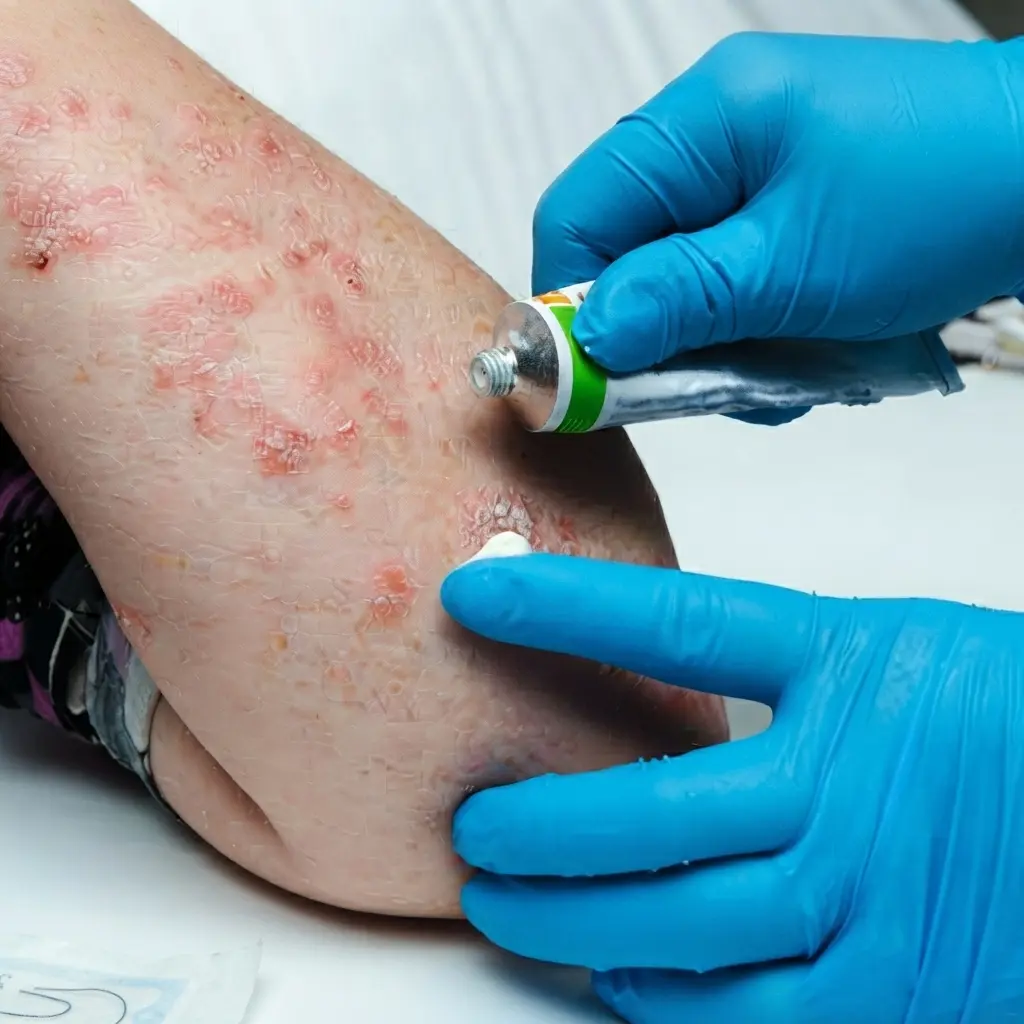
Eczema and dermatitis can cause inflammation, itching, dryness, redness, and skin irritation. Treatment depends on the specific type and severity of the condition and may include topical treatments, systemic medication, skin-care strategies, and long-term monitoring.
Psoriasis Treatment
Psoriasis is a chronic inflammatory skin condition that may require ongoing management. Depending on disease severity and individual circumstances, treatment may include topical therapies, phototherapy, systemic medications, or other specialist-directed approaches.
Acne Treatment
Patients with persistent or severe acne may receive individualized treatment based on the type and severity of acne, previous treatment response, and risk of scarring. Management may include topical or systemic therapies and selected dermatological procedures.
Rosacea & Facial Skin Conditions
Rosacea and other chronic facial skin conditions may cause redness, visible blood vessels, bumps, irritation, or sensitivity. Dermatological evaluation helps identify the condition and determine appropriate treatment and skin-care strategies.
Skin Infections
Bacterial, fungal, viral, and other infections can affect different areas of the skin. Treatment depends on the identified or suspected cause and may include appropriate antimicrobial medication, local treatment, or further testing when necessary.
Pigmentation Disorders
Changes in pigmentation may result from sun exposure, inflammation, hormonal factors, medications, or other medical conditions. Dermatological assessment can help determine the underlying cause before treatment is selected.
Autoimmune & Inflammatory Skin Conditions
Some skin diseases are associated with immune-system dysfunction or broader medical conditions. Complex cases may require collaboration between dermatology and other specialties to address both the skin manifestations and underlying condition.
Hair, Scalp & Nail Disorders
Dermatologists may also evaluate conditions affecting hair, scalp, and nails. Treatment is guided by the underlying cause and may involve medication, laboratory investigations, procedures, or referral to another specialist when appropriate.
Diagnostic Testing
When the clinical examination does not provide enough information, additional testing may be recommended. Depending on the condition, this may include laboratory testing, cultures, allergy-related assessment, imaging, or skin biopsy.
Skin Biopsy
A skin biopsy may be recommended when a lesion or inflammatory skin condition requires microscopic examination. The procedure can help establish or confirm a diagnosis and guide subsequent treatment.
Long-Term Disease Management
Certain dermatological conditions are chronic and may require ongoing monitoring rather than a single treatment. Follow-up appointments can help assess treatment response, manage flare-ups, and adjust the care plan when necessary.
Multidisciplinary Care
Complex skin diseases may require collaboration with specialists in rheumatology, oncology, allergy and immunology, internal medicine, surgery, or other fields. Coordinated care can be particularly useful when a skin condition is associated with another medical disorder.
Second Opinion
Patients who have received a diagnosis or treatment recommendation may seek an additional specialist opinion. Review of previous examinations, pathology results, laboratory findings, photographs, and treatment history may help clarify the diagnosis and available options.
Review of Previous Medical Records
International patients can provide previous medical records, biopsy reports, laboratory results, medication information, photographs, and treatment documentation. These records may assist specialists in understanding the progression of the condition.
Individualized Treatment Planning
Treatment is tailored to the patient's diagnosis, symptoms, disease severity, medical history, previous therapies, and treatment goals. The plan may be modified according to clinical response and follow-up findings.
International Patient Care
International patients may receive assistance with specialist consultation coordination, medical-record review, diagnostic planning, and treatment scheduling. Requirements and appointment availability depend on the patient's individual circumstances.
Benefits of Skin Disease Treatment
Specialist evaluation of a wide range of skin conditions
Individualized treatment planning
Management of chronic inflammatory skin diseases
Evaluation of infections, pigmentation disorders, and skin lesions
Diagnostic testing when clinically appropriate
Access to skin biopsy when required
Long-term monitoring for chronic conditions
Multidisciplinary care for complex cases
Second-opinion options
Support for international patients
Why Choose Mayo Clinic?
Mayo Clinic brings together dermatology specialists and professionals from other medical disciplines to evaluate complex skin diseases. This coordinated approach supports comprehensive diagnosis, appropriate treatment selection, and individualized long-term management.
Cost & Price on Request
The total cost depends on the patient's diagnosis, specialist consultations, diagnostic tests, medications, procedures, and follow-up requirements. Price on Request allows the medical team to evaluate the individual case before preparing an appropriate estimate.
Frequently Asked Questions
What skin conditions can be treated at Mayo Clinic?
Dermatology specialists may evaluate and manage conditions such as acne, eczema, psoriasis, rosacea, skin infections, pigmentation disorders, inflammatory conditions, hair and scalp disorders, and nail problems.
Can chronic skin diseases be managed long term?
Yes. Conditions such as psoriasis, eczema, and other chronic dermatological disorders may require ongoing monitoring and treatment adjustments based on symptoms and clinical response.
Is a skin biopsy always required?
No. Many skin conditions can be diagnosed through medical history and physical examination. A biopsy is considered when additional tissue information is needed to establish or confirm a diagnosis.
Can I receive treatment for a skin condition that has not responded to previous treatment?
Yes. A specialist may review the previous diagnosis, treatments, test results, and response to therapy to reassess the condition and consider other appropriate treatment options.
Can international patients receive skin disease treatment?
International patients may seek dermatological evaluation and treatment subject to applicable appointment, medical, and eligibility requirements. Providing previous medical records can assist with the assessment.
Product Details
Product Name: Skin Disease Treatment at Mayo Clinic
Hospital: Mayo Clinic
Brand: Mayo Clinic
Country: United States
Specialty: Dermatology & Aesthetic Medicine
Service Type: Medical Dermatology
Customer-Facing Price: Price on Request
International Patients: Subject to applicable eligibility and appointment requirements
Location: Rochester, Minnesota, USA
Related products







Frequently Bought Together
No frequently bought products found!
Products from this Seller
View All













Chemotherapy at Mayo Clinic

Immunotherapy at Mayo Clinic





Medical Tourism





Share with Friends
Trading is more effective when you share products with friends!Share you link
Share to