













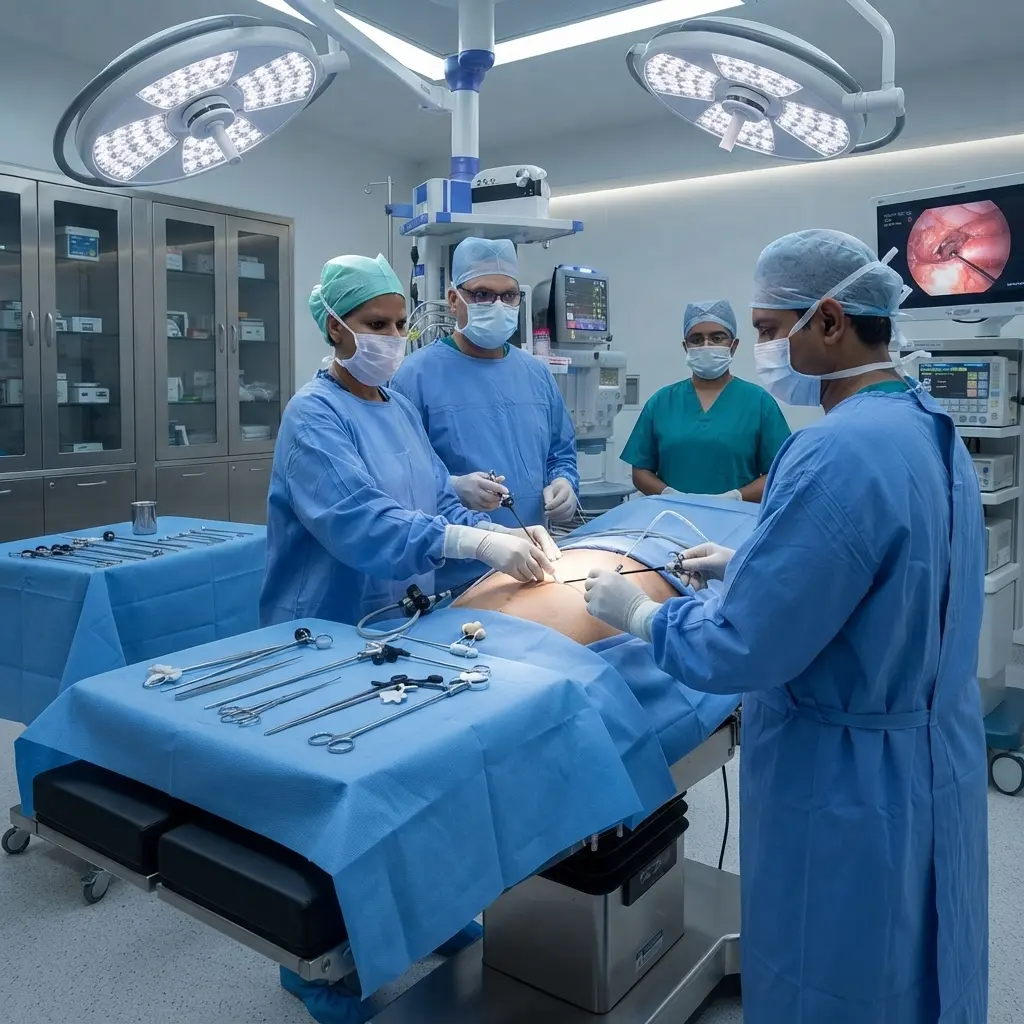
Gastrointestinal Surgery at Toronto General Hospital
Gastrointestinal Surgery is a specialized surgical service focused on conditions affecting the digestive system, including the esophagus, stomach, small intestine, large intestine and other parts of the gastrointestinal tract. Treatment is planned according to the patient's diagnosis, symptoms, medical history and the complexity of the condition.
Price
Price on Request
Why Price on Request?
The cost varies according to the type of gastrointestinal condition, diagnostic investigations, surgical procedure, anesthesia, hospital stay, postoperative care and individual treatment requirements. A personalized cost estimate can be provided after specialist assessment.
Complete Description
What Is Gastrointestinal Surgery?
Gastrointestinal surgery involves surgical treatment of conditions affecting the digestive tract. Depending on the diagnosis, surgery may be used to remove diseased tissue, repair damaged structures, relieve obstruction or treat selected tumors and other gastrointestinal disorders.
The recommended procedure depends on the location and severity of the condition and the patient's overall health.
Who May Need Gastrointestinal Surgery?
Gastrointestinal surgery may be considered for patients with conditions such as:
Gastrointestinal tumors and selected cancers
Esophageal disorders requiring surgery
Stomach conditions requiring surgical treatment
Small bowel disorders
Intestinal obstruction
Diverticular disease
Complex gastrointestinal infections or complications
Certain inflammatory bowel conditions
Gastrointestinal bleeding requiring surgical management
Abdominal masses or other complex digestive disorders
Not every gastrointestinal condition requires surgery. The treatment plan is determined following specialist evaluation.
Gastrointestinal Surgical Assessment
A comprehensive assessment is performed before surgery to understand the patient's condition and determine the most appropriate treatment approach.
Assessment may include:
Review of symptoms and medical history
Physical examination
Blood and laboratory testing
Diagnostic imaging
Endoscopic investigations when required
Biopsy or pathology review when applicable
Evaluation of previous treatments and procedures
Assessment of overall surgical fitness
Previous medical records and imaging can help specialists develop an appropriate treatment plan.
Esophageal Surgery
Surgical treatment may be considered for selected conditions affecting the esophagus, including certain tumors, structural disorders and complications that cannot be adequately managed through nonsurgical treatment.
The appropriate procedure depends on the underlying condition and its location.
Stomach Surgery
Some stomach conditions may require surgical intervention, including selected tumors, cancers, structural problems and complications of gastrointestinal disease.
The extent of surgery depends on the diagnosis and the amount of tissue that needs to be treated or removed.
Small Intestine Surgery
Small intestine surgery may be required for selected conditions such as obstruction, tumors, injuries or other complex disorders.
The surgical team evaluates the affected area and determines whether removal, repair or another surgical approach is appropriate.
Colorectal and Intestinal Surgery
Conditions involving the large intestine and rectum may sometimes require specialized surgical treatment.
Depending on the diagnosis, surgery may involve removal of diseased bowel segments, repair of affected areas or other procedures designed to manage the underlying condition.
Gastrointestinal Cancer Surgery
Surgery may form an important part of treatment for selected gastrointestinal cancers.
Before surgery, specialists may assess imaging, pathology and other diagnostic information to determine whether surgical treatment is appropriate. Treatment may involve surgery alone or be combined with other cancer therapies depending on the individual case.
Surgery for Gastrointestinal Obstruction
An intestinal obstruction can prevent the normal movement of food and digestive contents through the gastrointestinal tract.
When surgical treatment is necessary, the procedure may focus on identifying and addressing the cause of the obstruction. The urgency and type of surgery depend on the severity and underlying cause.
Surgery for Diverticular Disease
Some patients with complicated diverticular disease may require surgical management, particularly when complications develop or symptoms cannot be adequately controlled with other treatment approaches.
The surgical plan depends on the severity and location of the disease.
Surgery for Inflammatory Bowel Conditions
Selected patients with inflammatory bowel disease may require surgery when complications develop or medical treatment does not adequately address the condition.
Surgical decisions are individualized and may involve collaboration between surgeons, gastroenterology specialists and other healthcare professionals.
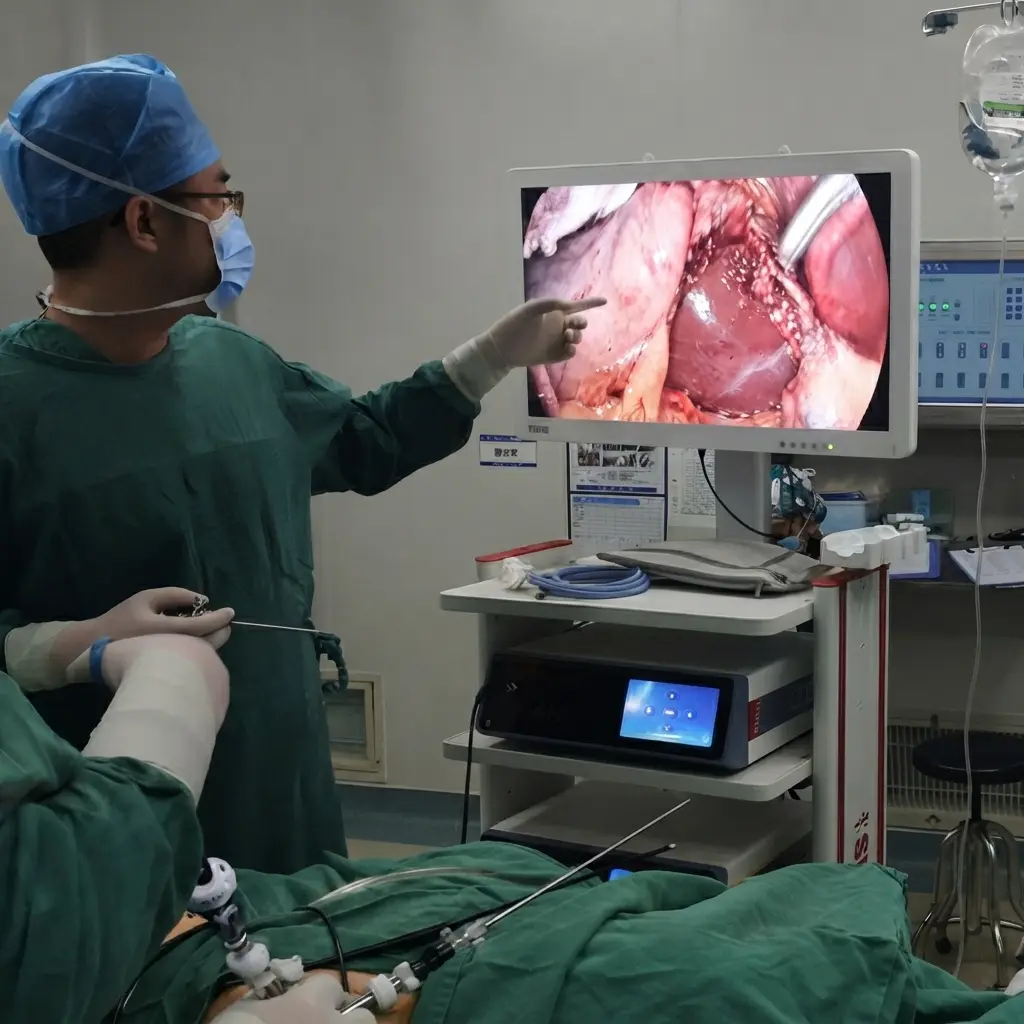
Minimally Invasive Gastrointestinal Surgery
Minimally invasive techniques may be considered for selected gastrointestinal procedures.
Laparoscopic or other minimally invasive approaches can involve smaller incisions than traditional open surgery in appropriate cases. The suitability of a minimally invasive procedure depends on the patient's diagnosis, anatomy, previous operations and surgical complexity.
Complex Gastrointestinal Surgery
Complex gastrointestinal cases may involve extensive disease, previous abdominal operations, tumors or conditions affecting multiple structures.
These cases may require detailed imaging review and multidisciplinary planning before surgery. The treatment strategy is developed according to the patient's specific clinical requirements.
Multidisciplinary Treatment Planning
Gastrointestinal conditions can sometimes require expertise from several medical disciplines.
Depending on the patient's needs, care may involve surgeons, gastroenterologists, oncologists, radiologists, pathologists, nutrition specialists and other healthcare professionals.
Multidisciplinary planning helps ensure that diagnostic information and available treatment options are considered together.
Second Opinion for Gastrointestinal Conditions
Patients who have already received a diagnosis or proposed surgical treatment may seek a specialist second opinion.
The assessment may include review of medical records, imaging, pathology results and previous treatment recommendations. This can help patients better understand their diagnosis and available treatment options.
Recovery After Gastrointestinal Surgery
Recovery depends on the type and complexity of surgery.
Postoperative care may include pain management, nutritional support, wound care, monitoring of bowel function and laboratory testing. Follow-up appointments are used to assess healing and recovery and to determine whether additional care is required.
Potential Risks and Complications
As with other surgical procedures, gastrointestinal surgery may involve potential risks. These can include bleeding, infection, blood clots, reactions to anesthesia, bowel complications, leakage, injury to surrounding structures or other procedure-specific complications.
The level of risk depends on the procedure and the patient's individual health. The surgical team discusses potential risks and benefits before treatment.
International Patient Gastrointestinal Surgery
International patients may be considered for gastrointestinal surgical assessment and treatment subject to medical review, eligibility and appointment requirements.
Patients may be asked to provide relevant medical information, including:
Medical history and physician reports
Previous treatment records
Blood and laboratory results
CT, MRI, ultrasound or other imaging
Endoscopy reports
Biopsy and pathology reports when applicable
Previous surgical records
Current medication information
Referral documentation when required
This information can help specialists review the case before determining the appropriate treatment pathway.
Benefits of Specialized Gastrointestinal Surgery
Potential benefits of specialized gastrointestinal surgical care include:
Comprehensive assessment of digestive system conditions
Individualized surgical treatment planning
Access to multidisciplinary specialist expertise
Evaluation of minimally invasive options when appropriate
Management of complex gastrointestinal conditions
Coordinated preoperative and postoperative care
Specialist evaluation for selected gastrointestinal cancers and disorders
Why Choose Toronto General Hospital?
Toronto General Hospital is a major academic healthcare centre with specialized surgical services and multidisciplinary expertise. Its surgical programs include advanced care for complex gastrointestinal and abdominal conditions.
Patients can receive individualized assessment and treatment planning based on their diagnosis, previous medical history and surgical requirements.
Cost & Price on Request
Price: Price on Request
Potential costs may include:
Specialist consultation
Diagnostic tests and imaging
Endoscopic investigations when required
Surgical procedure
Anesthesia
Hospitalization
Medications
Postoperative monitoring
Pathology services when applicable
Follow-up consultations
Additional treatment based on individual clinical requirements
A personalized cost estimate can be requested following specialist assessment.
Frequently Asked Questions
1. What conditions can gastrointestinal surgery treat?
Gastrointestinal surgery may be used for selected conditions affecting the esophagus, stomach, small intestine, large intestine and other digestive structures, including tumors, obstruction, complications and certain complex gastrointestinal disorders.
2. Is gastrointestinal surgery always necessary for digestive problems?
No. Many digestive conditions can be treated without surgery. Surgery is considered when it is clinically appropriate based on the diagnosis, severity of the condition and other available treatment options.
3. Can gastrointestinal surgery be performed using minimally invasive techniques?
Selected procedures may be performed using minimally invasive techniques. The appropriate surgical approach depends on the patient's condition, anatomy, previous surgeries and complexity of the case.
4. Can international patients request gastrointestinal surgery at Toronto General Hospital?
International patients may be considered for specialist assessment and treatment subject to medical review, eligibility, appointment availability and applicable international patient requirements.
5. How long is recovery after gastrointestinal surgery?
Recovery varies depending on the specific procedure and the patient's overall health. The surgical team provides individualized postoperative instructions and follow-up recommendations.
Product Details
Product Name: Gastrointestinal Surgery
Hospital: Toronto General Hospital
Brand: Toronto General Hospital
Country: Canada
Specialty: General & Complex Surgery
Service Type: Gastrointestinal Surgery
Customer-Facing Price: Price on Request
International Patients: Subject to applicable eligibility and appointment requirements
Location: Toronto, Ontario, Canada
Related products




Frequently Bought Together
No frequently bought products found!
Products from this Seller
View All









Chemotherapy at Mayo Clinic

Immunotherapy at Mayo Clinic



Medical Tourism





Share with Friends
Trading is more effective when you share products with friends!Share you link
Share to