













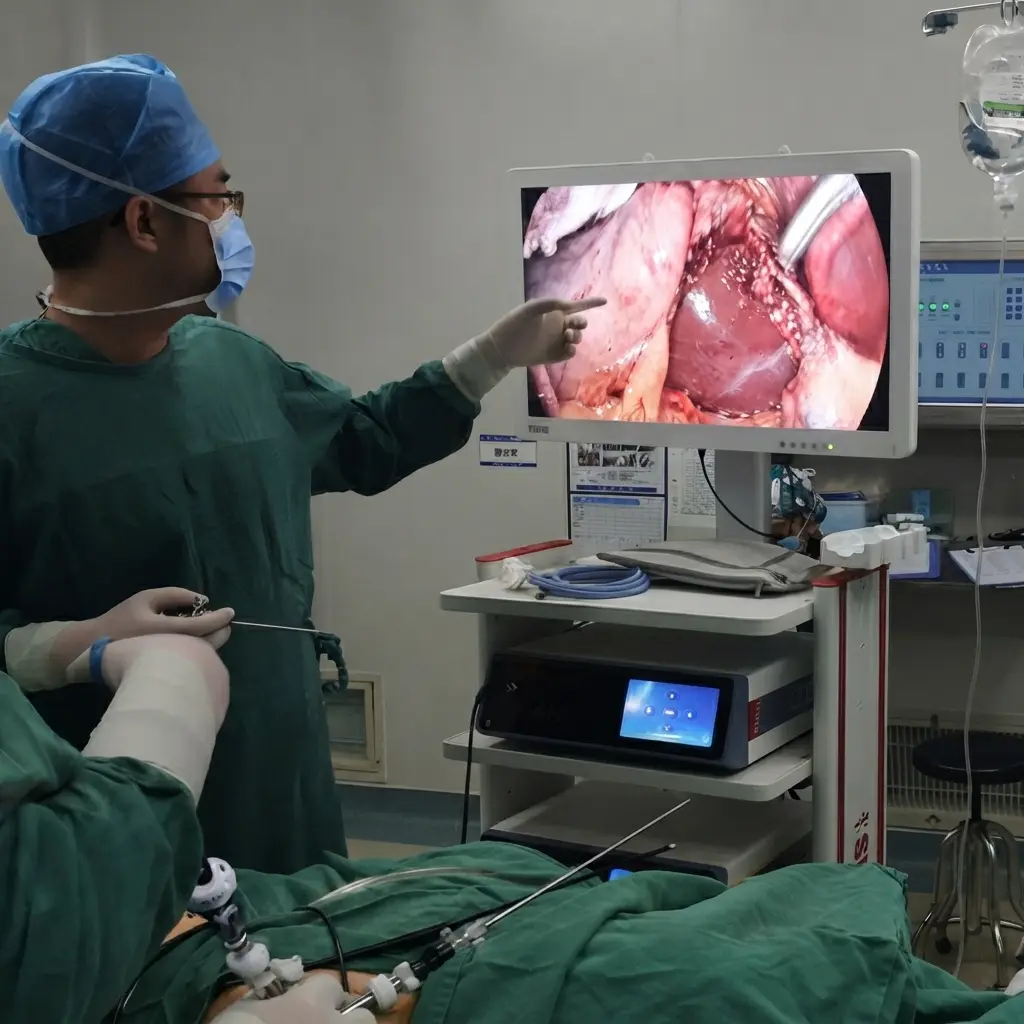
Hepatobiliary Surgery at Toronto General Hospital
Hepatobiliary Surgery is a specialized surgical service focused on diseases and conditions affecting the liver, gallbladder, bile ducts and pancreas. At Toronto General Hospital, complex hepatobiliary care can involve detailed diagnostic assessment, multidisciplinary specialist planning and advanced surgical techniques based on the patient's condition and treatment requirements.
Price
Price on Request
Why Price on Request?
The cost varies according to the type and complexity of the condition, diagnostic investigations, surgical procedure, hospital stay, anesthesia, specialist consultations, follow-up care and other treatment requirements. A personalized cost estimate can be provided after medical records and specialist assessment are reviewed.
Complete Description
What Is Hepatobiliary Surgery?
Hepatobiliary surgery is a specialized area of general surgery that addresses conditions involving the liver, gallbladder, bile ducts and related structures. Surgical treatment may be required for tumors, cancers, cysts, obstructions, injuries and other complex conditions.
Treatment is planned according to the patient's diagnosis, overall health, imaging results and the extent of disease. Depending on the condition, management may involve surgery alone or a combination of surgery with other specialist treatments.
Who May Need Hepatobiliary Surgery?
Hepatobiliary surgery may be considered for patients with conditions such as:
Liver tumors or selected liver cancers
Gallbladder tumors or complex gallbladder disease
Bile duct tumors and strictures
Bile duct obstruction
Pancreatic tumors or other pancreatic conditions requiring surgery
Complex liver cysts or lesions
Certain benign liver conditions
Complicated gallbladder disease
Selected conditions affecting the biliary system
Other complex hepatobiliary or pancreatic disorders
The appropriate treatment depends on individual diagnosis and specialist evaluation.
Hepatobiliary Surgical Assessment
Before treatment, patients may undergo a comprehensive assessment to determine the nature and extent of their condition. Evaluation may include:
Review of medical history and previous treatments
Physical examination
Blood and liver function tests
Ultrasound or other imaging
CT or MRI scans
Specialized diagnostic investigations when required
Review of biopsy or pathology reports when available
Assessment of overall fitness for surgery
The collected information helps the surgical team develop an individualized treatment plan.
Liver Surgery
Liver surgery may be considered for selected liver tumors, lesions and other conditions where removal or surgical treatment is appropriate.
Depending on the patient's condition, surgery may involve removing part of the liver or another carefully selected surgical approach. The amount of liver tissue removed depends on the location, size and number of lesions as well as the patient's remaining liver function.
Gallbladder Surgery
Gallbladder surgery may be recommended for certain gallbladder conditions, including complicated disease or selected tumors.
The surgical approach depends on the underlying diagnosis and may involve minimally invasive or open surgery when clinically appropriate.
Bile Duct Surgery
Bile duct conditions can sometimes require complex surgical management. These may include strictures, obstruction, injuries or selected tumors.
Treatment planning considers the location and severity of the bile duct problem and whether surrounding structures are affected.
Pancreatic Surgery
Some pancreatic conditions require specialized surgical assessment and treatment. Surgical management may be considered for selected pancreatic tumors, cystic lesions and other complex pancreatic disorders.
The procedure selected depends on the location of the condition, its extent and the patient's overall health.
Surgery for Liver Tumors
Patients with liver tumors require careful assessment before surgery. Specialists may evaluate imaging, liver function and the characteristics of the tumor to determine whether surgical removal is appropriate.
When surgery is selected, the goal is to treat the affected area while preserving adequate healthy liver function whenever possible.
Surgery for Biliary Tract Conditions
Complex biliary conditions may affect the bile ducts and surrounding structures. Depending on the diagnosis, treatment may involve surgical reconstruction, removal of affected tissue or another specialized procedure.
A detailed evaluation is important because biliary anatomy can vary between patients and complex cases may require multidisciplinary planning.
Complex Hepatobiliary Surgery
Complex hepatobiliary procedures may involve conditions affecting multiple structures or patients who have previously undergone abdominal surgery or other treatments.
These cases may require detailed imaging review, specialist collaboration and careful surgical planning before a procedure is recommended.
Minimally Invasive Hepatobiliary Surgery
When clinically suitable, minimally invasive approaches may be considered for selected hepatobiliary procedures.
Laparoscopic or other minimally invasive techniques may involve smaller surgical incisions compared with traditional open surgery. Suitability depends on the patient's diagnosis, anatomy, previous procedures and complexity of the condition.
Open Hepatobiliary Surgery
Open surgery may be required when a condition is extensive, technically complex or unsuitable for a minimally invasive approach.
The surgical team selects the appropriate technique based on safety, treatment objectives and individual patient factors.
Multidisciplinary Treatment Planning
Complex liver, bile duct and pancreatic conditions may require input from multiple medical specialties.
Depending on the patient's needs, treatment planning can involve surgeons, radiologists, oncologists, pathologists, gastroenterology specialists and other healthcare professionals.
This coordinated approach helps specialists evaluate the condition from different clinical perspectives before treatment decisions are made.
Second Opinion for Hepatobiliary Conditions
Patients who have already received a diagnosis or proposed surgical plan may seek a specialist second opinion.
A second-opinion assessment may involve reviewing previous imaging, pathology, laboratory results, medical history and proposed treatment. The specialist can then provide an independent clinical assessment and discuss possible treatment options.
Recovery After Hepatobiliary Surgery
Recovery varies according to the type and complexity of surgery.
Patients may require hospital monitoring, pain management, nutritional support, wound care and laboratory monitoring after surgery. Follow-up appointments help the medical team assess recovery and identify any complications that may require attention.
Potential Risks and Complications
As with other major surgical procedures, hepatobiliary surgery can involve potential risks. These may include bleeding, infection, blood clots, reactions to anesthesia, bile leakage, digestive complications or other procedure-specific complications.
The risks vary depending on the surgery and the patient's medical condition. The surgical team discusses expected benefits, possible risks and alternatives before treatment.
International Patient Hepatobiliary Surgery
International patients may be able to seek specialist evaluation and treatment through appropriate international patient services, subject to medical review, eligibility and appointment requirements.
Patients are generally encouraged to provide relevant medical documentation, including:
Passport or identification information where required
Previous medical reports
Imaging reports and available images
Laboratory test results
Biopsy and pathology reports when applicable
Previous surgical records
Current medication information
Referral or physician recommendation when required
A specialist assessment helps determine the appropriate treatment pathway.
Benefits of Specialized Hepatobiliary Surgery
Potential benefits of specialized hepatobiliary surgical care include:
Specialist assessment of complex liver and biliary conditions
Individualized surgical treatment planning
Access to multidisciplinary clinical expertise
Evaluation of minimally invasive approaches when appropriate
Management of complex surgical cases
Detailed preoperative and postoperative monitoring
Coordinated care for selected hepatobiliary and pancreatic conditions
Why Choose Toronto General Hospital?
Toronto General Hospital is a major academic hospital with specialized surgical services and expertise in complex abdominal and hepatobiliary conditions. Its surgical programs incorporate multidisciplinary assessment and advanced approaches for patients requiring specialized care.
For international patients, treatment planning can be coordinated around medical records, specialist assessment and the patient's individual healthcare needs.
Cost & Price on Request
Price: Price on Request
Potential costs may include:
Initial specialist consultation
Diagnostic investigations
Blood tests and imaging
Surgical procedure
Anesthesia
Hospitalization
Medications and postoperative care
Pathology services when required
Follow-up consultations
Additional treatment required because of individual clinical circumstances
A personalized cost estimate can be requested following specialist assessment.
Frequently Asked Questions
1. What conditions can hepatobiliary surgery treat?
Hepatobiliary surgery may be used for selected conditions affecting the liver, gallbladder, bile ducts and pancreas, including certain tumors, cancers, obstructions, cysts and complex surgical disorders.
2. Is hepatobiliary surgery always performed using minimally invasive techniques?
No. The surgical approach depends on the patient's condition, anatomy, previous procedures and complexity of the disease. Minimally invasive surgery may be suitable for selected cases, while open surgery may be required for more complex conditions.
3. What tests are needed before hepatobiliary surgery?
Preoperative assessment may include blood tests, liver function testing, ultrasound, CT or MRI imaging and other investigations depending on the patient's diagnosis. Previous medical records and pathology reports may also be reviewed.
4. Can international patients receive hepatobiliary surgical care at Toronto General Hospital?
International patients may be considered for specialist assessment and treatment subject to medical review, eligibility, appointment availability and applicable international patient requirements.
5. How long does recovery take after hepatobiliary surgery?
Recovery depends on the type of procedure, the complexity of the condition and the patient's general health. The treating surgical team provides individualized postoperative and follow-up guidance.
Product Details
Product Name: Hepatobiliary Surgery
Hospital: Toronto General Hospital
Brand: Toronto General Hospital
Country: Canada
Specialty: General & Complex Surgery
Service Type: Hepatobiliary Surgery
Customer-Facing Price: Price on Request
International Patients: Subject to applicable eligibility and appointment requirements
Location: Toronto, Ontario, Canada
Related products






Frequently Bought Together
No frequently bought products found!
Products from this Seller
View All











Chemotherapy at Mayo Clinic

Immunotherapy at Mayo Clinic



Medical Tourism





Share with Friends
Trading is more effective when you share products with friends!Share you link
Share to