













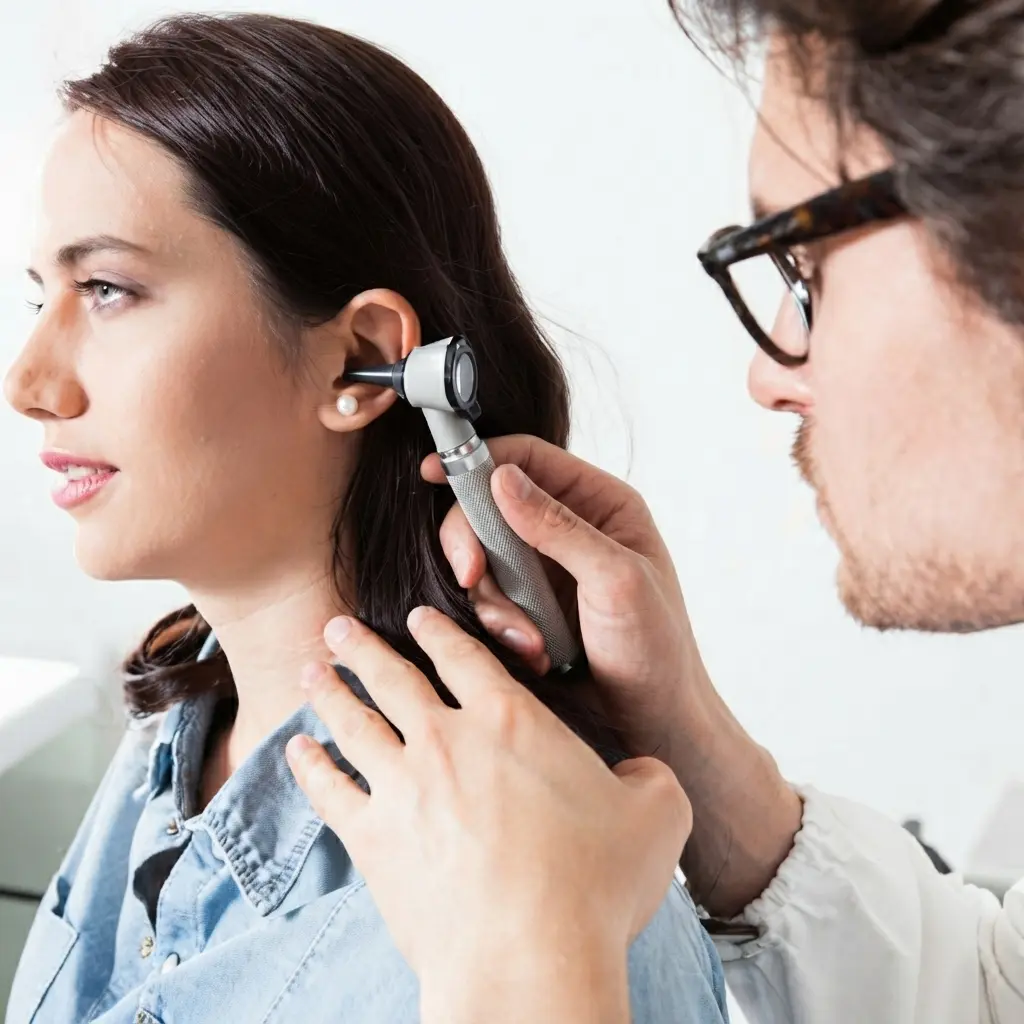
Hearing Evaluation at Mayo Clinic
Hearing Evaluation at Mayo Clinic provides specialized assessment for patients experiencing hearing loss, reduced hearing clarity, tinnitus, ear-related symptoms, or difficulties understanding speech. The evaluation helps determine the type and severity of hearing impairment and identify appropriate medical, surgical, or hearing rehabilitation options based on the patient's needs.
Price
Price on Request
Why Price on Request?
The cost of a hearing evaluation depends on the patient's symptoms, type of hearing testing required, specialist consultations, diagnostic procedures, and any additional assessment or treatment needed. International patients may also have additional expenses related to travel and accommodation.
Complete Description
What Is a Hearing Evaluation?
A hearing evaluation is a comprehensive assessment of the auditory system and a patient's ability to hear different sounds and speech. Testing can help determine whether hearing difficulties are related to the outer, middle, or inner ear, auditory nerve, or other factors.
Who May Need a Hearing Evaluation?
A hearing evaluation may be recommended for patients experiencing:
Hearing loss in one or both ears
Difficulty understanding speech
Frequently asking others to repeat themselves
Difficulty hearing in noisy environments
Ringing or buzzing in the ears
Ear fullness or pressure
Changes in hearing after an illness or injury
Dizziness or balance symptoms associated with hearing changes
Long-standing or progressive hearing difficulties
Medical and Hearing History
The evaluation may begin with a review of the patient's hearing history, previous ear problems, infections, injuries, surgeries, medications, noise exposure, family history, and previous hearing test results.
Ear Examination
An examination of the ear may be performed to identify visible conditions involving the ear canal or eardrum. Findings can help determine whether further hearing or medical evaluation is necessary.
Pure-Tone Hearing Testing
Pure-tone testing measures the softest sounds a patient can hear at different frequencies. The results can help identify the degree and pattern of hearing loss in each ear.
Speech Testing
Speech testing evaluates the patient's ability to detect and understand spoken words. It may provide additional information about functional hearing and help specialists assess communication difficulties.
Middle Ear Assessment
Additional testing may be used to evaluate the function of the middle ear and eardrum. This can help identify conditions involving middle-ear pressure, fluid, or other mechanical problems.
Tinnitus Evaluation
Patients experiencing ringing, buzzing, humming, or other sounds in the ears may receive an assessment to determine the characteristics of the tinnitus and identify possible contributing factors.
Hearing Loss Assessment
Hearing loss can have different causes, including age-related changes, noise exposure, ear disease, certain medications, injury, genetic factors, or problems involving the auditory system. The evaluation helps determine the most appropriate next step.
Balance and Vestibular Assessment
When hearing difficulties occur together with dizziness or balance problems, additional vestibular assessment may be considered. This can help determine whether the inner ear may be contributing to the symptoms.
Pediatric Hearing Evaluation
Children with suspected hearing difficulties may require age-appropriate testing and assessment. Early identification of hearing problems can help support communication, learning, and development.
Hearing Rehabilitation Planning
When hearing loss is identified, specialists may discuss appropriate rehabilitation options. Depending on the type and severity of hearing loss, these may include hearing aids, assistive technologies, communication strategies, or other interventions.
Evaluation for Hearing Devices
Patients with significant hearing impairment may be assessed for appropriate hearing devices. The suitability of a particular device depends on the type and degree of hearing loss and the patient's individual communication needs.
Surgical Evaluation
Some hearing conditions may require medical or surgical treatment rather than hearing devices alone. When appropriate, ENT specialists can evaluate whether an underlying ear condition may benefit from a surgical approach.
Advanced Diagnostic Assessment
Patients with complex or unexplained hearing loss may require additional diagnostic testing or imaging. The appropriate investigations depend on the patient's symptoms, hearing results, medical history, and examination findings.
Multidisciplinary Hearing Care
Hearing care may involve collaboration among ENT specialists, audiologists, speech and language professionals, neurologists, radiologists, and other specialists depending on the underlying condition.
Second Opinion
Patients who have already received a hearing-loss diagnosis, hearing device recommendation, or surgical recommendation may seek a specialist second opinion. Previous hearing tests, medical records, imaging, and treatment recommendations can be reviewed.
Review of Previous Hearing Tests
International patients can provide previous audiograms, hearing assessments, imaging reports, ENT consultation notes, surgical records, and other relevant medical documentation for specialist review.
Individualized Hearing Care Plan
The appropriate management plan depends on the cause, type, severity, and progression of hearing loss. Specialists consider the patient's communication needs, medical history, lifestyle, and test results when developing recommendations.
International Patient Care
International patients may receive coordinated hearing evaluation according to their medical needs and applicable appointment requirements. Previous medical records and hearing tests can be reviewed to help determine the appropriate evaluation pathway.
Benefits of Hearing Evaluation
Comprehensive assessment of hearing ability
Identification of the type and degree of hearing loss
Evaluation of tinnitus and related ear symptoms
Assessment of middle-ear function when required
Additional evaluation of balance-related symptoms when appropriate
Guidance regarding hearing rehabilitation options
Identification of conditions that may require medical or surgical treatment
Individualized hearing care planning
Why Choose Mayo Clinic?
Mayo Clinic provides specialized evaluation for hearing and ear-related conditions through coordinated ENT and audiology care. Patients with complex hearing concerns may have access to related specialists and diagnostic services when additional evaluation is required.
Cost of Hearing Evaluation
The total cost depends on the type of hearing tests, specialist consultations, diagnostic procedures, imaging, and additional services required. International patient expenses may vary according to the individualized evaluation and treatment plan.
Frequently Asked Questions
What does a hearing evaluation include?
Depending on the patient's symptoms, a hearing evaluation may include medical history, ear examination, pure-tone testing, speech testing, middle-ear assessment, and other specialized tests when appropriate.
Can a hearing evaluation determine the cause of hearing loss?
Testing can provide important information about the type and pattern of hearing loss and may help identify possible causes. Additional medical assessment or imaging may be required in some cases.
Can tinnitus be evaluated during a hearing assessment?
Yes. Tinnitus can be discussed and assessed as part of an ear and hearing evaluation, with additional testing or specialist assessment when clinically appropriate.
Will I need a hearing aid if hearing loss is diagnosed?
Not necessarily. Treatment depends on the cause and severity of hearing loss. Some conditions may be treated medically or surgically, while others may benefit from hearing devices or rehabilitation.
Can international patients receive hearing evaluation at Mayo Clinic?
International patients may be evaluated subject to medical suitability, appointment availability, and applicable international patient requirements.
Product Details
Product Name: Hearing Evaluation at Mayo Clinic
Hospital: Mayo Clinic
Brand: Mayo Clinic
Country: United States
Specialty: ENT / Head & Neck Surgery
Service Type: Hearing Evaluation
Customer-Facing Price: Price on Request
International Patients: Subject to applicable eligibility and appointment requirements
Location: Rochester, Minnesota, USA
Related products



Sinus Surgery at Mayo Clinic

Ear Surgery at Mayo Clinic



Frequently Bought Together
No frequently bought products found!
Products from this Seller
View All












Chemotherapy at Mayo Clinic

Immunotherapy at Mayo Clinic




Medical Tourism





Share with Friends
Trading is more effective when you share products with friends!Share you link
Share to