














Voice & Swallowing Disorders Treatment at Mayo Clinic
Mayo Clinic provides specialized evaluation and treatment for voice and swallowing disorders affecting the throat, vocal cords, airway, and related structures. Care is tailored to the underlying cause and may include medical treatment, voice therapy, swallowing rehabilitation, procedures, or surgery when appropriate.
Price
Price on Request
Why Price on Request?
The cost depends on the patient's condition, specialist consultations, diagnostic testing, therapy requirements, procedures, surgery, and follow-up care. International patients may have additional care coordination requirements. A personalized estimate can be provided after reviewing the patient's medical needs.
Complete Description
What Are Voice & Swallowing Disorders?
Voice and swallowing disorders can affect speaking, eating, drinking, breathing, or communication. Problems may involve the vocal cords, throat, nerves, muscles, or other structures involved in voice production and swallowing.
Who May Need Voice & Swallowing Disorders Treatment?
Patients may benefit from specialist evaluation when experiencing:
Persistent hoarseness or voice changes
Weak, breathy, or strained voice
Difficulty speaking or maintaining the voice
Pain or difficulty when swallowing
Difficulty swallowing food or liquids
Choking or coughing while eating
Sensation of food becoming stuck
Recurrent swallowing-related problems
Voice changes following illness, injury, or surgery
Complex throat or vocal cord conditions
Initial Voice Evaluation
The evaluation generally includes a detailed history of voice symptoms, medical conditions, medications, previous treatments, and factors that may affect vocal function. A physical examination helps specialists determine which additional assessments may be appropriate.
Swallowing Evaluation
Patients with swallowing difficulties may undergo a specialized assessment to understand how effectively food and liquids move through the swallowing pathway. The evaluation can help identify possible structural, muscular, neurological, or functional contributors.
Vocal Cord Assessment
When clinically appropriate, specialists may examine the vocal cords and surrounding structures using specialized visualization techniques. This can help identify abnormalities that may contribute to hoarseness, voice changes, or other symptoms.
Voice Disorders Treatment
Treatment depends on the underlying cause and may include medical management, voice therapy, behavioral strategies, vocal rehabilitation, procedures, or surgery. The recommended approach is individualized according to the patient's condition.
Swallowing Disorders Treatment
Management of swallowing disorders may include dietary and swallowing strategies, rehabilitation, treatment of an underlying medical condition, or selected procedures. The goal is to address the cause while supporting safe and effective swallowing.
Voice Therapy & Rehabilitation
Some patients may benefit from specialized voice therapy designed to improve vocal function and reduce strain. Rehabilitation may be recommended before or after certain procedures or as the primary treatment for selected voice disorders.
Swallowing Rehabilitation
Patients with swallowing impairment may receive individualized rehabilitation strategies based on their swallowing assessment. Treatment may focus on improving swallowing function and developing appropriate techniques for safer eating and drinking.
Neurological Voice & Swallowing Disorders
Voice and swallowing difficulties can sometimes occur in association with neurological conditions. Patients with complex symptoms may require coordinated assessment involving specialists from otolaryngology, neurology, speech-language pathology, and other relevant disciplines.
Airway & Breathing Considerations
Some throat and vocal cord disorders can affect breathing or airway function. When symptoms suggest an airway concern, specialists may evaluate the structures involved and determine whether medical, procedural, or surgical treatment is appropriate.
Surgical Treatment
Selected voice and swallowing conditions may require a surgical procedure. The decision depends on the underlying diagnosis, severity of symptoms, anatomical findings, previous treatment, and expected clinical benefit.
Multidisciplinary Care
Complex voice and swallowing conditions may require collaboration among otolaryngologists, voice specialists, speech-language pathologists, neurologists, gastroenterology specialists, radiologists, and other healthcare professionals. This coordinated approach can address multiple factors contributing to the patient's symptoms.
Second Opinion
Patients who have received a diagnosis or treatment recommendation may seek a specialist second opinion. Previous examination findings, imaging, endoscopic reports, therapy records, and other medical information can be reviewed when available.
Review of Previous Medical Records
International patients can provide previous medical records, diagnostic reports, imaging, endoscopy results, medication information, surgical history, and therapy documentation. These materials may help specialists understand the patient's condition before evaluation.
Individualized Treatment Planning
After assessment, the care team develops a treatment plan based on the patient's symptoms, diagnosis, examination findings, medical history, and treatment goals. Depending on the condition, care may include observation, medication, rehabilitation, procedures, or surgery.
Follow-Up & Rehabilitation
Ongoing follow-up may be recommended to monitor voice or swallowing function and assess response to treatment. Rehabilitation and additional specialist evaluation may be incorporated when clinically appropriate.
International Patient Care
International patients may receive assistance with coordinating consultations, reviewing available medical documentation, arranging appropriate specialist evaluation, and planning treatment. Requirements and appointment availability depend on the individual case.
Benefits of Voice & Swallowing Disorders Treatment
Specialized assessment of voice and swallowing problems
Evaluation of vocal cord and throat conditions
Individualized treatment planning
Access to voice and swallowing rehabilitation
Assessment of complex neurological or structural conditions
Multidisciplinary specialist care
Surgical evaluation when appropriate
Second-opinion options
Coordinated care for international patients
Why Choose Mayo Clinic?
Mayo Clinic brings together specialists from different medical disciplines to evaluate complex voice, throat, and swallowing disorders. Its integrated approach supports comprehensive assessment and individualized treatment planning based on the patient's specific symptoms and medical needs.
Cost & Price on Request
The total cost varies according to the patient's diagnosis, consultations, diagnostic tests, therapy, procedures, surgery, and follow-up requirements. Price on Request allows the patient's case to be evaluated before an appropriate estimate is prepared.
Frequently Asked Questions
What symptoms may indicate a voice or swallowing disorder?
Persistent hoarseness, voice changes, difficulty speaking, choking while eating, coughing during swallowing, difficulty swallowing, or a sensation of food becoming stuck may require specialist evaluation.
How are voice disorders evaluated?
Evaluation may include a medical history, physical examination, assessment of vocal function, and visualization of the vocal cords or throat when clinically appropriate.
Can swallowing disorders be treated without surgery?
Yes. Depending on the underlying cause, treatment may include swallowing rehabilitation, dietary strategies, medical management, or other non-surgical approaches. Surgery is considered only when appropriate.
Can neurological conditions affect voice and swallowing?
Yes. Certain neurological conditions can affect the muscles and nerves involved in speaking and swallowing. Complex cases may require coordinated assessment by multiple specialists.
Can international patients receive treatment for voice and swallowing disorders?
Yes. International patients may be evaluated for voice and swallowing conditions, subject to applicable appointment, medical, and eligibility requirements.
Product Details
Product Name: Voice & Swallowing Disorders Treatment at Mayo Clinic
Hospital: Mayo Clinic
Brand: Mayo Clinic
Country: United States
Specialty: ENT / Head & Neck Surgery
Service Type: Voice, Throat & Swallowing Care
Customer-Facing Price: Price on Request
International Patients: Subject to applicable eligibility and appointment requirements
Location: Rochester, Minnesota, USA
Related products




Sinus Surgery at Mayo Clinic
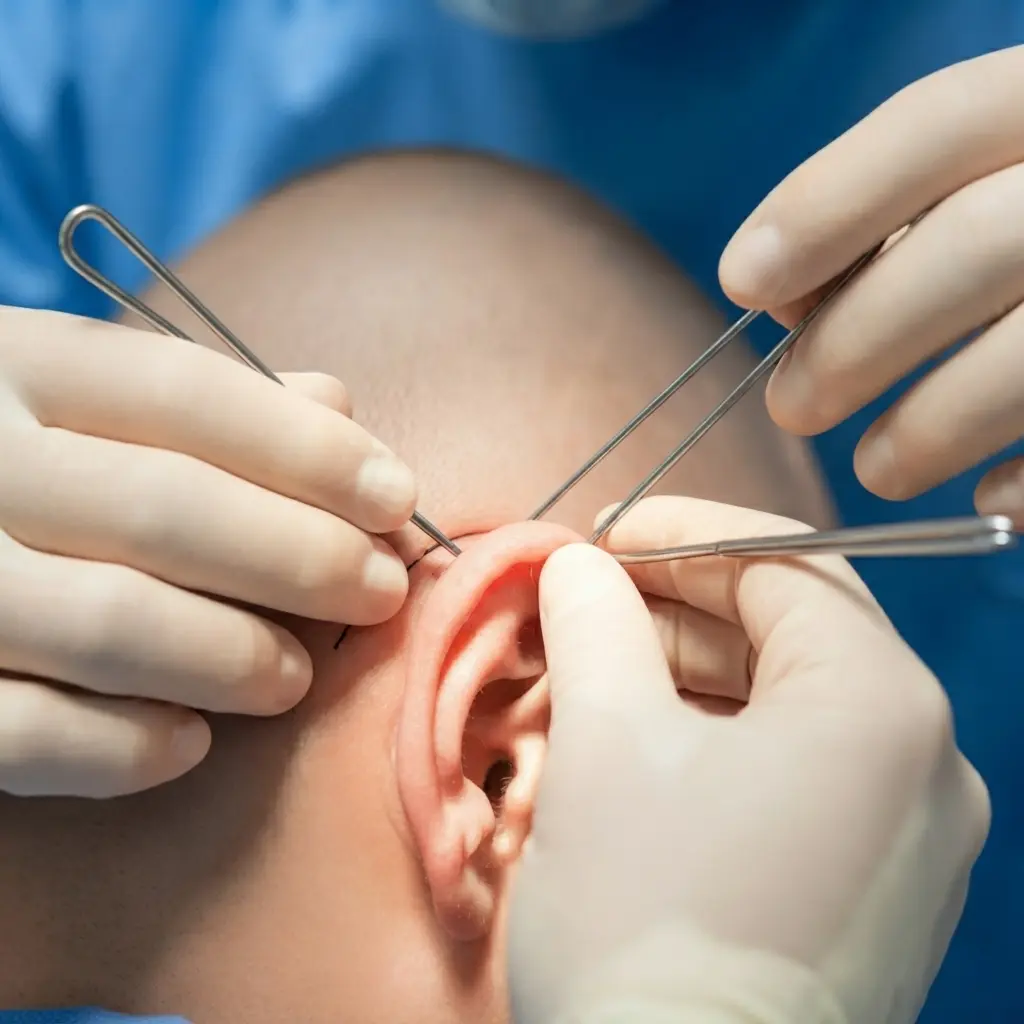
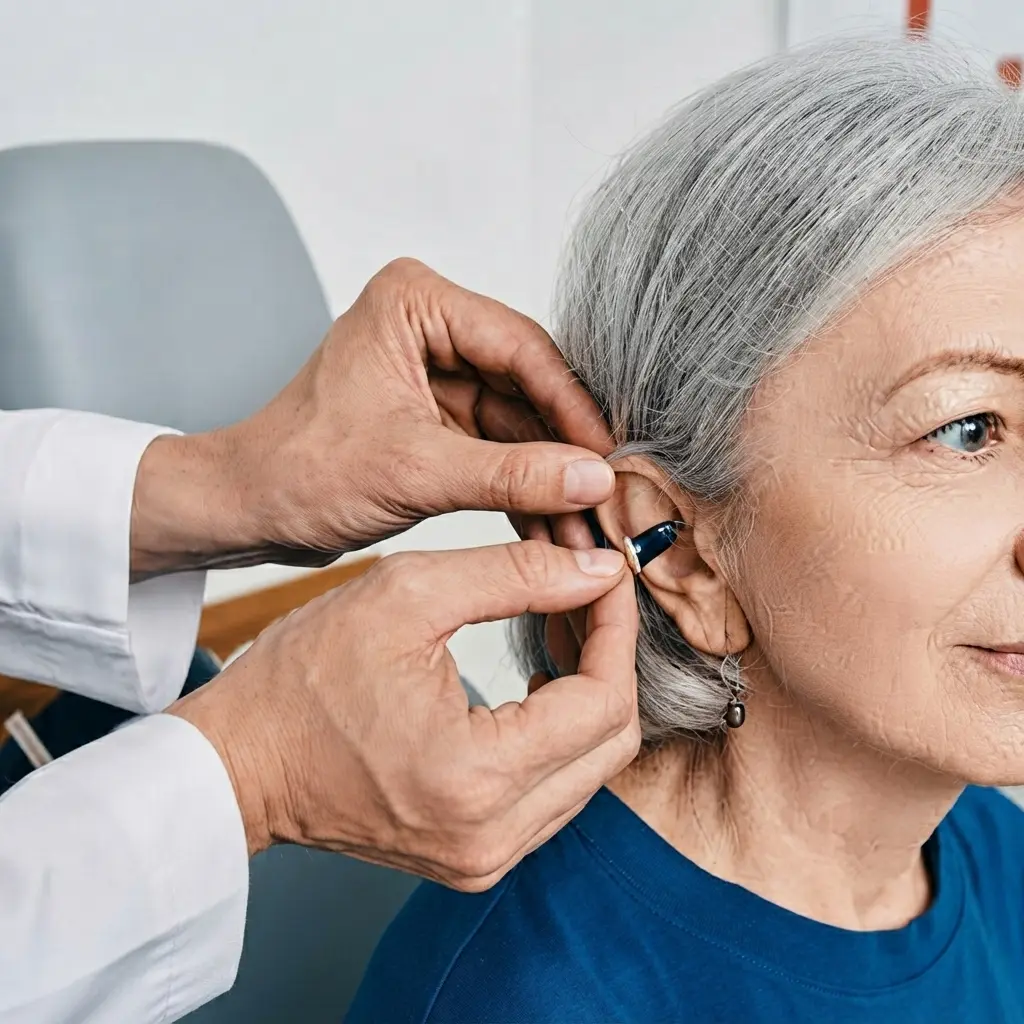
Ear Surgery at Mayo Clinic

Frequently Bought Together
No frequently bought products found!
Products from this Seller
View All









Chemotherapy at Mayo Clinic

Immunotherapy at Mayo Clinic


Medical Tourism





Share with Friends
Trading is more effective when you share products with friends!Share you link
Share to