













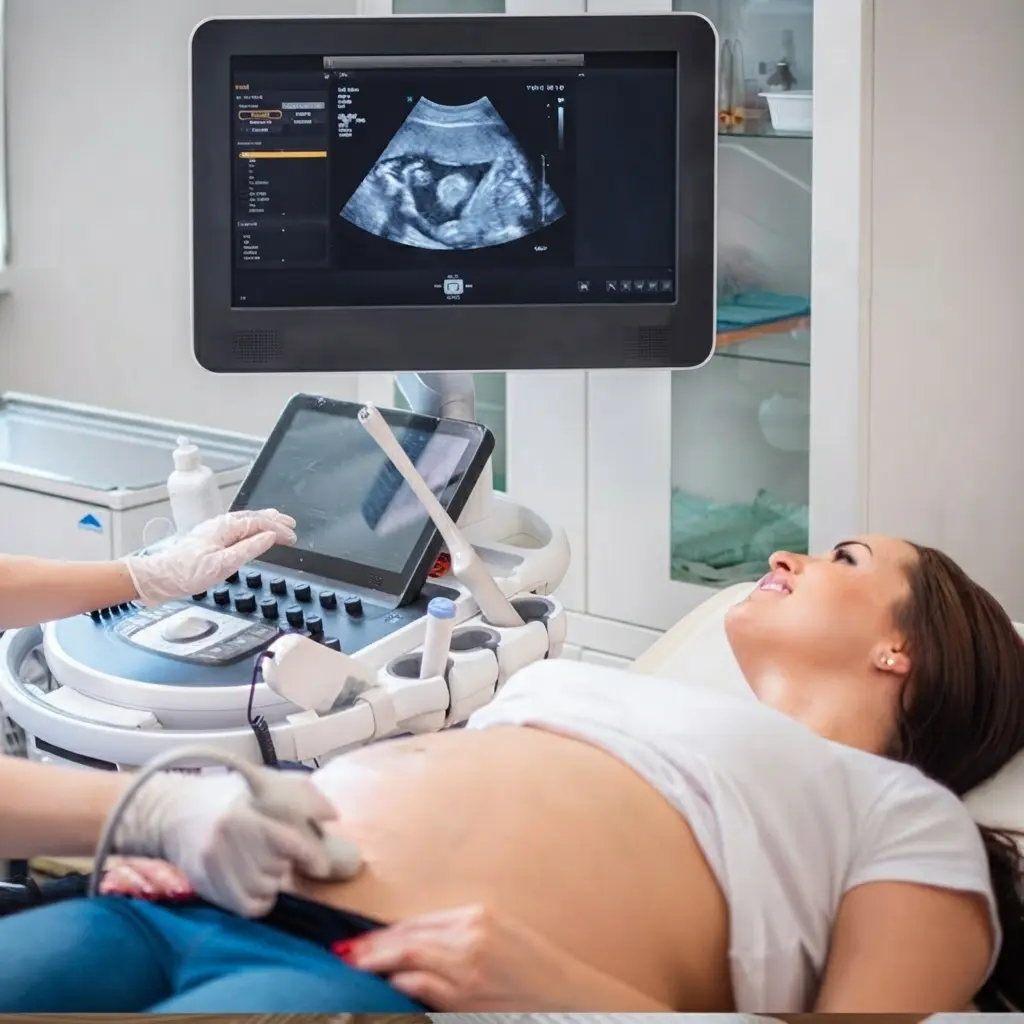
High-Risk Pregnancy Care at Mayo Clinic
High-Risk Pregnancy Care at Mayo Clinic provides specialized evaluation and monitoring for pregnancies in which the mother, baby, or both may have an increased risk of complications. Care may involve maternal-fetal assessment, advanced diagnostic testing, closer pregnancy monitoring, management of maternal medical conditions, fetal evaluation, and individualized delivery planning. The level of care is determined according to the specific risks and clinical needs of each pregnancy.
Price
Price on Request
Why Price on Request?
The cost of high-risk pregnancy care depends on the mother's condition, pregnancy stage, fetal health, specialist consultations, laboratory tests, ultrasound and other imaging, monitoring requirements, medications, hospitalization, and delivery planning. International patients may also have additional expenses related to medical evaluation, travel, accommodation, and other services. A personalized estimate can be provided after specialist assessment.
Complete Description
What Is High-Risk Pregnancy Care?
High-risk pregnancy care is specialized obstetric management for pregnancies that have a greater likelihood of complications because of maternal health conditions, pregnancy-related problems, fetal concerns, or pregnancy history.
Specialized monitoring allows the healthcare team to assess maternal and fetal health and adjust the care plan when necessary.
Who May Need High-Risk Pregnancy Care?
High-risk pregnancy evaluation may be considered for women with:
Pre-existing medical conditions
Pregnancy-related high blood pressure
Diabetes during or before pregnancy
Previous pregnancy complications
Previous preterm delivery
Multiple pregnancy
Fetal growth concerns
Abnormal fetal findings
Placental complications
Recurrent pregnancy loss
Advanced maternal age or other recognized risk factors
A pregnancy requiring specialized maternal-fetal assessment
Not every woman with a risk factor will experience complications. Specialist evaluation helps determine the appropriate level of monitoring.
Initial High-Risk Pregnancy Assessment
The assessment generally begins with a detailed review of the mother's medical and pregnancy history.
The healthcare team may review previous pregnancies, deliveries, surgeries, medications, existing medical conditions, laboratory results, ultrasound reports, and other relevant information.
Maternal Health Monitoring
Maternal health may require closer observation during a high-risk pregnancy.
Monitoring can include blood pressure, blood glucose, weight, laboratory testing, symptoms, medication requirements, and other clinical assessments based on the mother's condition.
Fetal Health Assessment
Fetal monitoring helps evaluate growth, development, and wellbeing throughout pregnancy.
Depending on the pregnancy, assessment may include ultrasound examinations, fetal heart monitoring, growth measurements, and other specialized investigations.
Pregnancy Ultrasound and Imaging
Advanced ultrasound examinations may be used to evaluate fetal anatomy, growth, placental location, amniotic fluid, and other pregnancy-related factors.
Additional imaging may be considered when clinically necessary to investigate a specific maternal or fetal concern.
High-Risk Pregnancy With Diabetes
Diabetes before or during pregnancy can require additional monitoring because uncontrolled blood glucose may affect maternal and fetal health.
Care may include glucose management, medication review, fetal growth monitoring, and coordination with other specialists when required.
High Blood Pressure During Pregnancy
Pregnancy-related hypertension and other blood pressure disorders may require close monitoring.
Depending on severity, care may include blood pressure assessment, laboratory testing, fetal monitoring, medication management, and planning for delivery.
Previous Pregnancy Complications
A history of pregnancy loss, preterm birth, preeclampsia, cesarean delivery, fetal growth problems, or other complications may influence the management of a subsequent pregnancy.
The care team can review previous pregnancy records and develop a monitoring plan based on the patient's current circumstances.
Multiple Pregnancy
Pregnancies involving twins or more than one fetus may require additional monitoring because the risks and care requirements can differ from those of a single pregnancy.
Monitoring may include fetal growth assessment, maternal health evaluation, and individualized delivery planning.
Fetal Growth Concerns
Some pregnancies require additional evaluation when fetal growth appears smaller or larger than expected.
Serial ultrasound examinations and other assessments may be recommended to monitor growth and evaluate placental or other contributing factors.
Placental and Amniotic Fluid Concerns
Placental location and amniotic fluid levels can influence pregnancy management.
Ultrasound and other assessments may be used to monitor these factors and determine whether additional observation or intervention is appropriate.
Preterm Birth Risk
Women with factors associated with an increased risk of preterm birth may require specialized monitoring.
The care plan depends on pregnancy history, cervical findings, symptoms, and other clinical factors. Additional testing or interventions may be recommended when appropriate.
Maternal-Fetal Medicine Evaluation
Maternal-fetal medicine specialists provide specialized care for pregnancies with significant maternal or fetal medical concerns.
Their involvement may include advanced assessment, interpretation of complex findings, treatment recommendations, and coordination with the broader obstetric care team.
Management of Maternal Medical Conditions
Existing health conditions can affect pregnancy and may require coordinated care.
Depending on the patient's needs, specialists in cardiology, endocrinology, nephrology, hematology, or other fields may participate in care alongside obstetric specialists.
Medication Management During Pregnancy
Some women require ongoing medication for pre-existing or pregnancy-related conditions.
Medications may be reviewed to determine whether adjustments are appropriate during pregnancy. Any medication changes should be made under qualified medical supervision.
Delivery Planning
High-risk pregnancies may require detailed planning for labor and delivery.
The delivery plan may consider maternal health, fetal condition, gestational age, fetal position, previous surgeries, pregnancy complications, and the availability of appropriate specialist and neonatal care.
Cesarean Delivery Considerations
A cesarean delivery may be recommended when specific maternal or fetal circumstances make surgical delivery more appropriate.
The decision depends on individual clinical findings and may be discussed as part of the overall delivery plan.
Postpartum Monitoring
Women with high-risk pregnancies may require additional monitoring after delivery because certain pregnancy-related conditions can continue or develop during the postpartum period.
Follow-up may include blood pressure monitoring, medication management, laboratory testing, and assessment of recovery according to the patient's condition.
Multidisciplinary High-Risk Pregnancy Care
Complex pregnancies may require coordinated care between obstetricians, maternal-fetal medicine specialists, neonatologists, anesthesiologists, cardiologists, endocrinologists, and other healthcare professionals.
This approach can help address multiple maternal or fetal health considerations within a coordinated treatment plan.
Second Opinion for High-Risk Pregnancy
Women who have received a complex pregnancy diagnosis or delivery recommendation may seek a specialist second opinion.
Review of ultrasound findings, laboratory results, previous pregnancy records, medical history, and proposed treatment or delivery plans can help clarify available options.
International Patient Care
International patients may provide pregnancy records, ultrasound reports, laboratory results, medication lists, previous delivery records, and specialist recommendations for review.
After evaluation, the medical team can determine the appropriate pregnancy monitoring and treatment pathway according to the patient's condition and applicable appointment requirements.
Benefits of High-Risk Pregnancy Care
Potential benefits include:
Specialized maternal and fetal assessment
Closer monitoring when clinically required
Early identification of potential complications
Management of maternal medical conditions
Advanced fetal growth and wellbeing assessment
Individualized delivery planning
Coordinated multidisciplinary care
Specialist second opinions
Postpartum monitoring for mothers with ongoing risk factors
Why Choose Mayo Clinic?
Mayo Clinic provides multidisciplinary medical care that can coordinate obstetrics, maternal-fetal medicine, neonatology, and other relevant specialties when a pregnancy requires specialized management.
This coordinated approach can support detailed assessment and individualized planning for pregnancies affected by maternal, fetal, or pregnancy-related risk factors.
Cost of High-Risk Pregnancy Care
The overall cost depends on the complexity of the pregnancy, specialist consultations, diagnostic testing, imaging, monitoring frequency, medications, hospitalization, delivery requirements, and postpartum care.
Because the needs of high-risk pregnancies vary considerably, the service is listed as Price on Request. A personalized estimate can be discussed after specialist evaluation.
Frequently Asked Questions
What makes a pregnancy high risk?
A pregnancy may be considered high risk when certain maternal, fetal, pregnancy-related, or historical factors increase the possibility of complications and require additional medical monitoring.
Does high-risk pregnancy care include fetal monitoring?
Yes. Depending on the pregnancy, fetal monitoring may include ultrasound, growth assessments, fetal heart monitoring, and other investigations based on clinical needs.
Can women with diabetes receive high-risk pregnancy care?
Yes. Diabetes before or during pregnancy may require additional maternal and fetal monitoring and coordinated management to support a safer pregnancy.
Does every high-risk pregnancy require a cesarean delivery?
No. A high-risk pregnancy does not automatically mean that cesarean delivery is necessary. The method of delivery depends on the mother's health, fetal condition, pregnancy complications, and other clinical factors.
Can international patients receive high-risk pregnancy care at Mayo Clinic?
International patients may be eligible for specialist evaluation and care subject to applicable requirements. Pregnancy records and previous medical information can be reviewed to help establish an appropriate care plan.
Product Details
Product Name: High-Risk Pregnancy Care at Mayo Clinic
Hospital: Mayo Clinic
Brand: Mayo Clinic
Country: United States
Location: Rochester, Minnesota, USA
Specialty: Obstetrics & Gynecology / Women's Health
Service Type: High-Risk Pregnancy & Maternal-Fetal Care
Customer-Facing Price: Price on Request
International Patients: Subject to applicable eligibility and appointment requirements
Treatment Availability: Based on specialist evaluation and clinical suitability
Related products



Prenatal Care at Mayo Clinic

Frequently Bought Together
No frequently bought products found!
Products from this Seller
View All













Chemotherapy at Mayo Clinic

Immunotherapy at Mayo Clinic





Medical Tourism





Share with Friends
Trading is more effective when you share products with friends!Share you link
Share to