













Prenatal Care at Mayo Clinic
Prenatal Care at Mayo Clinic provides comprehensive medical monitoring and support throughout pregnancy, with care focused on the health of the mother and developing baby. Prenatal visits may include routine assessments, screening, ultrasound examinations, pregnancy education, and evaluation of any concerns that arise during pregnancy.
Price
Price on Request
Why Price on Request?
The cost of prenatal care depends on the stage of pregnancy, number of consultations, laboratory testing, ultrasound examinations, screening procedures, specialist consultations, and any additional medical services required. International patients may also have specific evaluation and coordination requirements.
Complete Description
What Is Prenatal Care?
Prenatal care consists of regular medical care and monitoring during pregnancy. It helps healthcare professionals assess maternal health, follow fetal development, identify potential concerns, and provide guidance throughout the pregnancy.
Who May Need Prenatal Care?
Prenatal care is recommended for individuals who are pregnant and want appropriate medical monitoring throughout pregnancy. The frequency and type of care may vary depending on pregnancy stage, medical history, and individual health needs.
First Prenatal Assessment
An initial prenatal assessment may include a review of medical history, previous pregnancies, medications, current health conditions, menstrual and pregnancy history, and other relevant information. The care team may also establish an individualized pregnancy care plan.
Maternal Health Monitoring
Prenatal visits may include monitoring of blood pressure, weight, symptoms, general health, and other relevant maternal health indicators. Regular assessments can help identify changes that may require further evaluation.
Fetal Development Monitoring
The healthcare team may monitor fetal growth and development throughout pregnancy. Depending on the pregnancy, this may involve physical assessments, ultrasound examinations, fetal measurements, and other appropriate evaluations.
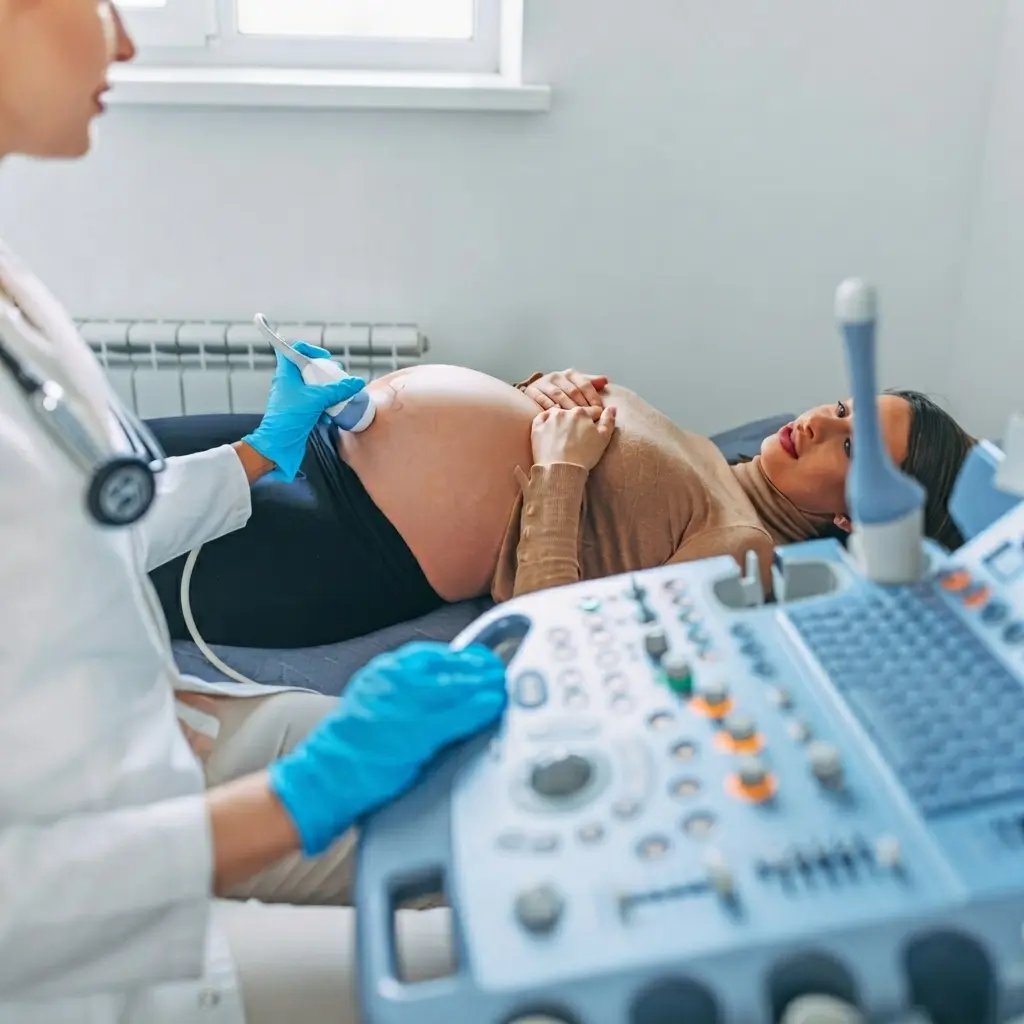
Pregnancy Ultrasound
Ultrasound examinations may be used during pregnancy to assess fetal development, growth, anatomy, location, and other pregnancy-related findings. The timing and type of ultrasound depend on clinical requirements.
Prenatal Screening
Prenatal screening may include blood tests, urine testing, genetic screening, ultrasound assessments, and other evaluations depending on pregnancy stage and individual risk factors.
Genetic Screening and Counseling
Some patients may be offered genetic screening or counseling based on medical history, family history, age, screening results, or other relevant factors. Further testing may be considered when clinically appropriate.
Pregnancy-Related Conditions
Prenatal care may include assessment and management of conditions that can develop during pregnancy, such as gestational diabetes, high blood pressure, anemia, thyroid concerns, or other maternal health issues.
High-Risk Pregnancy Monitoring
Patients with certain medical conditions, previous pregnancy complications, multiple pregnancy, abnormal screening results, or other risk factors may require additional monitoring or referral to maternal-fetal medicine specialists.
Nutrition and Pregnancy Guidance
Patients may receive guidance regarding healthy nutrition, appropriate physical activity, prenatal vitamins, medication use, lifestyle considerations, and other aspects of pregnancy wellbeing according to their individual needs.
Medication Review
Medications taken before or during pregnancy may be reviewed to determine whether adjustments or additional monitoring are appropriate. Patients should discuss all prescription, over-the-counter, and supplemental products with their healthcare team.
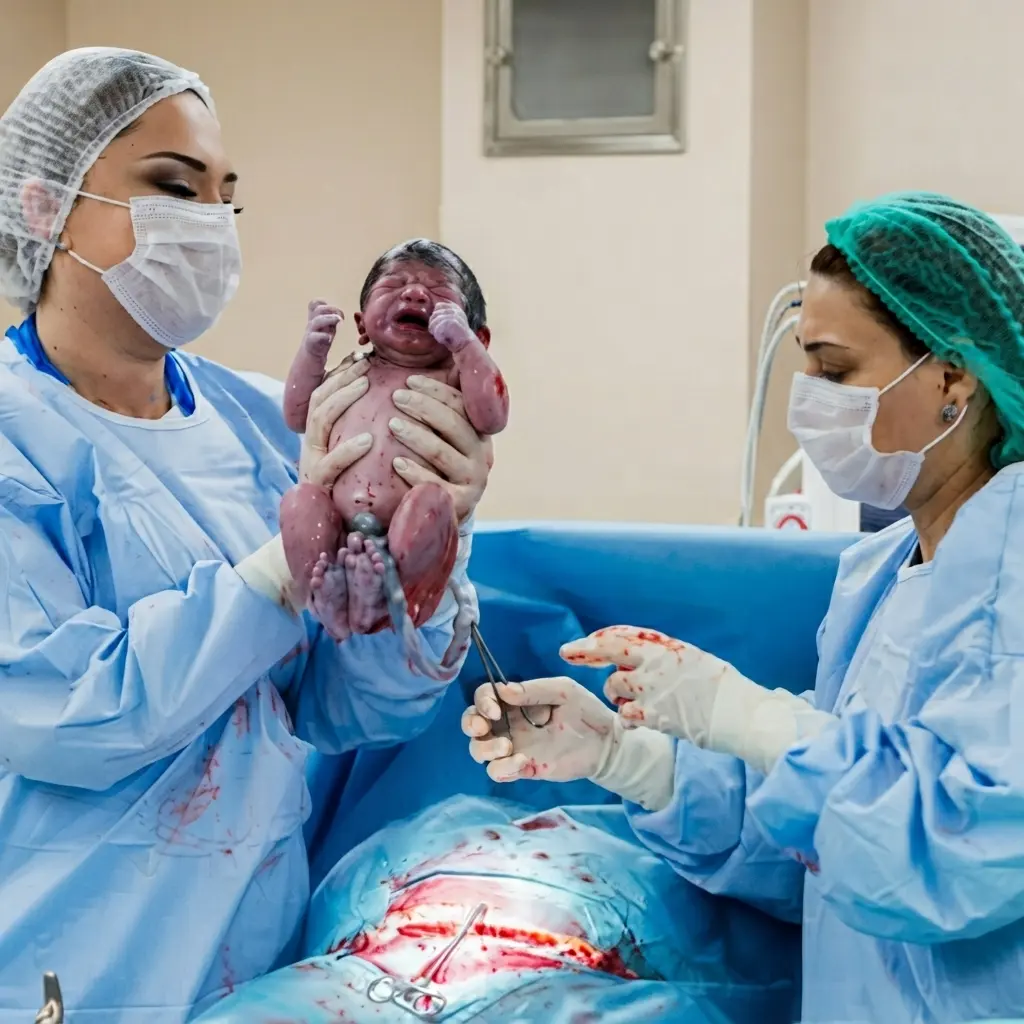
Labor and Delivery Planning
As pregnancy progresses, prenatal care may include discussions about labor, delivery options, birth planning, potential complications, and circumstances that could affect the recommended delivery approach.
Third-Trimester Monitoring
During the later stages of pregnancy, appointments may focus more closely on maternal wellbeing, fetal growth, fetal position, symptoms, and preparation for delivery. Additional testing may be recommended when clinically indicated.
Postpartum Planning
Prenatal care may also include preparation for the postpartum period. Patients may receive information about recovery, newborn care, breastfeeding support, warning signs, and follow-up after delivery.
Multidisciplinary Care
Some pregnancies may require collaboration between obstetricians, maternal-fetal medicine specialists, genetic counselors, imaging specialists, endocrinologists, cardiologists, or other healthcare professionals depending on maternal and fetal needs.
Review of Previous Medical Records
Patients with previous pregnancies, medical conditions, surgeries, complications, or diagnostic testing should provide relevant records whenever available. Previous information can help healthcare professionals develop an appropriate prenatal care plan.
Individualized Pregnancy Care
Every pregnancy is different. The frequency of appointments, screening, imaging, laboratory tests, and specialist referrals is determined according to the patient's pregnancy, medical history, symptoms, and clinical findings.
International Patient Care
International patients may seek prenatal evaluation and pregnancy care at Mayo Clinic subject to applicable eligibility and appointment requirements. Previous medical records, laboratory results, ultrasound reports, and pregnancy information may be requested to support specialist assessment.
Benefits of Prenatal Care
Regular monitoring of maternal health
Assessment of fetal growth and development
Early identification of potential pregnancy concerns
Appropriate prenatal screening and testing
Pregnancy and nutrition guidance
Medication and health condition review
Support for high-risk pregnancy management when required
Preparation for labor and delivery
Postpartum planning and follow-up guidance
Why Choose Mayo Clinic?
Mayo Clinic provides access to specialists across obstetrics, maternal-fetal medicine, imaging, genetics, and other medical fields. When additional expertise is required, care can be coordinated across relevant specialties according to the needs of the pregnancy.
Cost and Price on Request
The total cost of prenatal care varies according to the pregnancy stage, number of appointments, diagnostic testing, ultrasound examinations, laboratory services, specialist consultations, and additional care requirements. Price on Request allows the estimated cost to be determined according to the patient's individual needs.
Frequently Asked Questions
When should prenatal care begin?
Prenatal care should generally begin early in pregnancy so that maternal health, pregnancy development, and appropriate screening can be assessed from the beginning. The timing of the first appointment may vary depending on individual circumstances.
What happens during a prenatal visit?
A prenatal visit may include assessment of maternal health, review of symptoms, blood pressure and weight monitoring, fetal assessment, laboratory testing, ultrasound when appropriate, and discussion of pregnancy-related concerns.
How often are prenatal appointments needed?
The frequency of prenatal appointments varies according to the stage of pregnancy and individual medical needs. Patients with certain risk factors may require more frequent monitoring.
Are genetic tests included in prenatal care?
Genetic screening or diagnostic testing may be recommended for selected patients based on individual risk factors, medical history, family history, screening results, and pregnancy circumstances.
Can international patients receive prenatal care at Mayo Clinic?
International patients may be eligible for prenatal evaluation and care subject to applicable requirements. Medical records and previous pregnancy information may be reviewed to help determine appropriate care.
Product Details
Product Name: Prenatal Care at Mayo Clinic
Hospital: Mayo Clinic
Brand: Mayo Clinic
Country: United States
Location: Rochester, Minnesota, USA
Specialty: Obstetrics & Gynecology / Women's Health
Service Type: Prenatal Care
Customer-Facing Price: Price on Request
International Patients: Subject to applicable eligibility and appointment requirements
Related products




Prenatal Care at Mayo Clinic

Frequently Bought Together
No frequently bought products found!
Products from this Seller
View All













Chemotherapy at Mayo Clinic

Immunotherapy at Mayo Clinic





Medical Tourism





Share with Friends
Trading is more effective when you share products with friends!Share you link
Share to