














Living Kidney Donor Evaluation at Toronto General Hospital
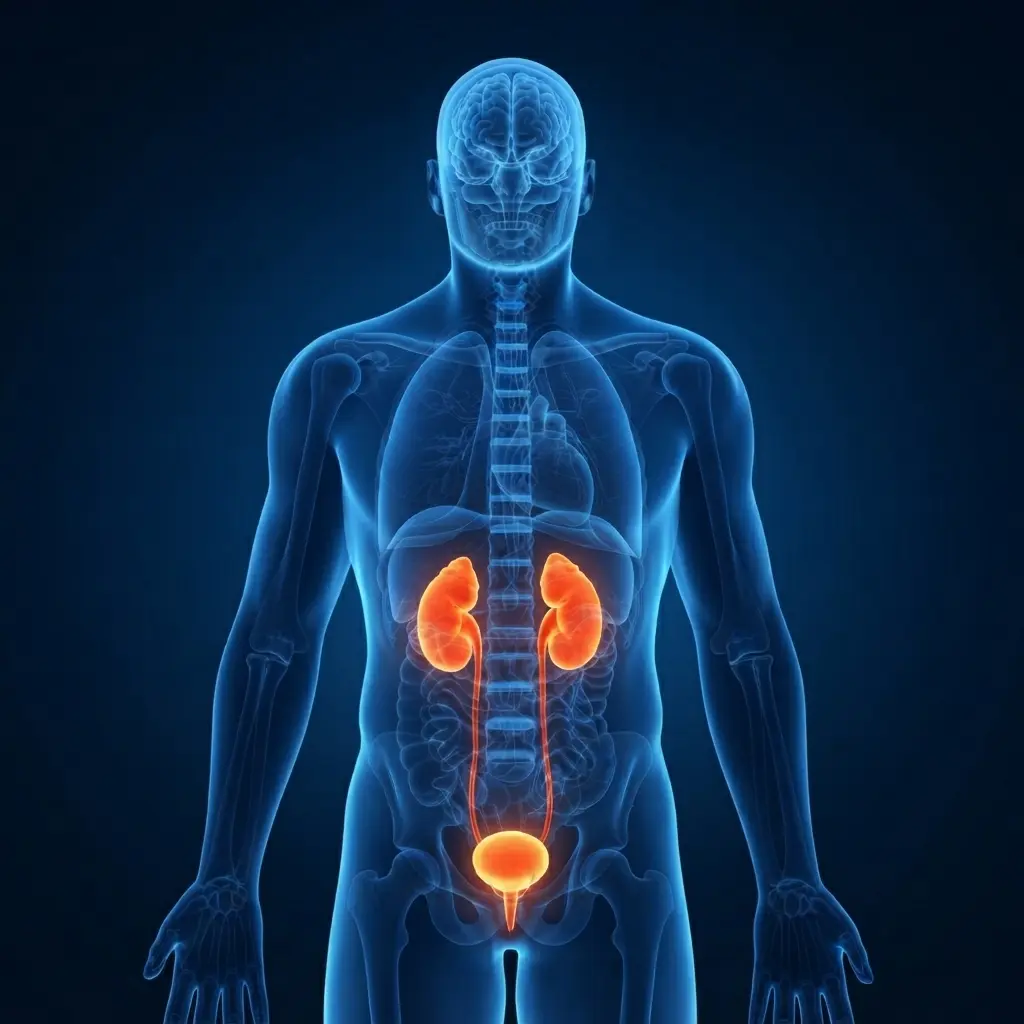
Living Kidney Donor Evaluation at Toronto General Hospital is a comprehensive medical assessment for individuals who are considering donating one of their kidneys to a suitable recipient. The evaluation is designed to assess the donor's overall health, kidney function, surgical suitability, and potential risks associated with kidney donation.
Living kidney donation requires careful assessment because the donor is generally a healthy individual undergoing surgery without receiving a direct medical benefit from the procedure. The evaluation therefore focuses strongly on donor safety, informed decision-making, and long-term health.
Price
Price on Request
Why Price on Request?
The cost of living kidney donor evaluation varies according to the medical investigations required, the donor's health history, laboratory testing, imaging, specialist consultations, and other assessment requirements. A personalized estimate can be provided after the donor's circumstances and required evaluation pathway have been reviewed.
Complete Description
What Is Living Kidney Donor Evaluation?
Living kidney donor evaluation is a structured medical process used to determine whether an individual can safely donate a kidney. The assessment examines kidney health, general medical condition, cardiovascular health, infection risk, surgical suitability, and other factors that may influence donation.
The evaluation also provides an opportunity for potential donors to understand the donation procedure, possible risks, recovery, and long-term considerations before making an informed decision.
Who May Consider Living Kidney Donation?
Living kidney donation may be considered by individuals who are willing to donate a kidney to an eligible recipient and who meet the applicable medical and ethical requirements.
Potential donors may be family members, relatives, partners, or other individuals with an appropriate relationship to the recipient. Eligibility is determined through a detailed assessment rather than relationship alone.
Medical History Assessment
The evaluation begins with a detailed review of the potential donor's medical history. The transplant team may consider previous illnesses, surgeries, medications, allergies, family medical history, lifestyle factors, and other relevant health information.
This assessment helps identify conditions that could affect the safety of kidney donation.
Physical Examination
A physical examination may be performed to assess general health and identify any findings that require additional investigation.
The evaluation may include measurements such as blood pressure, weight, and other clinical assessments relevant to determining surgical and long-term health risks.
Kidney Function Assessment
Kidney function is a central part of living donor evaluation. Blood and urine investigations may be used to assess how well the kidneys are functioning and whether there are signs of underlying kidney disease.
Additional testing may be performed when needed to obtain a more detailed understanding of kidney function and reserve.
Urine Testing
Urine testing can help identify abnormalities such as protein or blood in the urine and may provide information about kidney health.
If an abnormal result is identified, further testing or specialist assessment may be recommended before donation can be considered.
Blood Testing
Laboratory testing may be used to evaluate kidney function, blood counts, electrolytes, metabolic health, blood group, and other factors relevant to transplantation and donor safety.
The exact investigations required depend on the donor's medical history and transplant evaluation pathway.
Blood Group and Compatibility Assessment
Potential donors and recipients may undergo blood group and immunological testing to assess compatibility.
Additional testing may include tissue typing and antibody-related assessments. These results help the transplant team understand the suitability of the potential donor-recipient pairing.
Cardiovascular Assessment
Because kidney donation involves major surgery, cardiovascular health may be assessed as part of the donor evaluation.
Depending on the individual's age, medical history, symptoms, and risk factors, additional cardiac investigations may be recommended.
Infection Screening
Potential donors may undergo screening for infections that could affect the donor or recipient.
The specific tests depend on the transplant program and the individual's medical circumstances. Any identified infection or health concern may require additional evaluation or treatment.
Cancer Screening
Appropriate cancer screening may form part of the donor evaluation, particularly when recommended based on age, sex, family history, symptoms, or other risk factors.
The purpose is to identify previously unrecognized health conditions that could influence donor safety.
Imaging and Kidney Anatomy
Imaging studies may be used to evaluate kidney size, structure, blood vessels, urinary anatomy, and other relevant anatomical features.
This information can assist the surgical team in determining whether kidney donation is technically appropriate and which kidney may be considered for donation.
Medication Review
All current medications, supplements, and relevant over-the-counter products may be reviewed during the evaluation.
Medication history can help identify potential health risks and determine whether any changes or additional assessments are required before surgery.
Surgical Assessment
A transplant surgical team may assess the donor's anatomy and overall suitability for kidney donation.
The surgical evaluation considers factors such as kidney anatomy, previous abdominal or pelvic surgery, general health, and other circumstances that could affect the procedure.
Psychosocial Assessment
Living kidney donation can involve emotional, social, financial, and practical considerations. A psychosocial assessment may therefore be included as part of the evaluation.
The purpose is to ensure that the potential donor understands the donation process and has an opportunity to discuss concerns, expectations, recovery, and support requirements.
Informed Decision-Making
Potential donors should receive appropriate information about the donation process, possible complications, recovery, and long-term considerations.
Donation should be voluntary and based on informed decision-making. Potential donors should have an opportunity to ask questions and understand that their health and wellbeing are important considerations throughout the evaluation.
Assessment of Long-Term Health
The donor evaluation considers whether kidney donation is appropriate in the context of the individual's current and future health.
Factors such as kidney function, blood pressure, metabolic health, cardiovascular risk, body weight, and relevant family history may be considered when assessing potential long-term risks.
Identifying Medical Conditions Before Donation
If the evaluation identifies an underlying medical condition, additional investigations or specialist consultation may be required.
In some cases, donation may be delayed while a health issue is investigated or treated. In other situations, a medical condition may mean that donation is not considered appropriate.
Donor Eligibility Decision
After the necessary assessments are completed, the transplant team reviews the available information to determine whether the individual can safely proceed as a living kidney donor.
Not every person who volunteers to donate will be medically suitable. The final decision depends on the comprehensive assessment and applicable transplant requirements.
Preparation for Kidney Donation
If the potential donor is considered suitable, the transplant team may provide information about the next stages of the donation pathway, including surgical preparation, hospitalization, recovery, follow-up, and other practical considerations.
The timing of donation depends on the donor, recipient, medical findings, and transplant-program requirements.
Living Donor and Recipient Coordination
Living donor transplantation requires coordination between the donor and recipient teams. Medical assessments, compatibility testing, surgical planning, and other steps need to be completed before transplantation can proceed.
The donor's evaluation is conducted separately from the recipient's medical assessment, with donor safety remaining a primary consideration.
Second Opinion for Living Kidney Donation
Individuals considering kidney donation may seek an additional medical opinion regarding their suitability, kidney health, surgical risks, or other aspects of the evaluation.
Previous laboratory results, imaging studies, medical records, and donor assessment reports may be reviewed when available.
International Patients
International individuals considering living kidney donation may require advance review of their medical information and eligibility requirements. Relevant medical records, laboratory results, imaging reports, medication history, and other documentation may be requested.
Evaluation and treatment availability depend on applicable transplant-program requirements, medical suitability, scheduling, and financial arrangements.
Benefits of Living Kidney Donor Evaluation
A comprehensive donor evaluation helps identify whether kidney donation can be considered safely and allows potential donors to understand the medical and practical aspects of donation.
It may also identify previously unrecognized health conditions that require medical attention, even when the individual ultimately does not proceed with donation.
Why Choose Toronto General Hospital for Living Kidney Donor Evaluation?
Toronto General Hospital provides access to an academic healthcare environment with specialized expertise in kidney disease and transplantation. Living donor assessment can involve coordinated input from transplant specialists, nephrology, surgery, diagnostic services, and other healthcare professionals according to individual needs.
The evaluation emphasizes detailed medical assessment, donor safety, compatibility considerations, surgical planning, and appropriate follow-up.
Cost and Price on Request
The overall cost of living kidney donor evaluation depends on the investigations and consultations required for the individual donor. Additional costs may apply depending on the complexity of assessment and circumstances of international patients.
Price on Request allows the evaluation pathway and expected requirements to be assessed according to the donor's individual circumstances.
Frequently Asked Questions
Who can become a living kidney donor?
Potential donors must meet the applicable medical, ethical, and transplant-program requirements. A detailed evaluation is necessary to determine whether donation is appropriate and sufficiently safe for the individual.
What tests are included in a living kidney donor evaluation?
Testing may include blood and urine investigations, kidney function assessment, compatibility testing, imaging, cardiovascular assessment, infection screening, and other evaluations based on the donor's medical history.
Can a person be rejected as a kidney donor?
Yes. If the evaluation identifies medical, surgical, psychological, or other factors that could create unacceptable risks, the individual may not be considered suitable for donation.
Does living kidney donation affect long-term health?
Kidney donation is a major medical decision and requires consideration of potential short- and long-term risks. The donor evaluation is designed to assess individual suitability and discuss relevant health considerations before donation.
Can international donors undergo kidney donor evaluation?
International donors may be considered subject to applicable medical, transplant-program, eligibility, scheduling, and financial requirements. Advance review of medical records may be required.
Product Details
Product Name: Living Kidney Donor Evaluation at Toronto General Hospital
Hospital: Toronto General Hospital
Brand: Toronto General Hospital
Country: Canada
Location: Toronto, Ontario, Canada
Specialty: Nephrology & Kidney Care
Service Type: Living Kidney Donor Evaluation
Customer-Facing Price: Price on Request
International Patients: Subject to applicable eligibility and appointment requirements
Related products








Frequently Bought Together
No frequently bought products found!
Products from this Seller
View All











Chemotherapy at Mayo Clinic

Immunotherapy at Mayo Clinic




Medical Tourism





Share with Friends
Trading is more effective when you share products with friends!Share you link
Share to