














Post-Transplant Care at Toronto General Hospital
Post-Transplant Care at Toronto General Hospital provides ongoing medical monitoring and management for patients following kidney transplantation. After a kidney transplant, regular follow-up is essential to monitor the function of the transplanted kidney, manage immunosuppressive medicines, identify potential complications, and support the patient's long-term health.
Post-transplant care is individualized according to the patient's transplant history, kidney function, medications, overall health, and any complications that may develop. Care may involve transplant specialists, nephrologists, surgeons, pharmacists, diagnostic teams, and other healthcare professionals.
Price
Price on Request
Why Price on Request?
The cost of post-transplant care depends on the patient's medical condition, frequency of follow-up appointments, laboratory testing, medication monitoring, imaging, specialist consultations, and management of any transplant-related complications. International patients may have additional assessment and administrative requirements. A personalized estimate can be determined according to the patient's individual care needs.
Complete Description
What Is Post-Transplant Care?
Post-transplant care is the long-term medical management provided after kidney transplantation. It focuses on maintaining the health and function of the transplanted kidney while monitoring the patient's overall wellbeing.
Regular follow-up helps the medical team assess kidney function, manage medications, monitor potential rejection, identify infections, and address other health concerns that may affect the transplant.
Who Needs Post-Transplant Care?
All kidney transplant recipients require ongoing medical follow-up after transplantation. The intensity and frequency of monitoring may change over time depending on kidney function, medications, previous complications, and overall health.
Patients with a recent transplant or complex medical history may require closer monitoring.
Transplanted Kidney Function Monitoring
Regular assessment of kidney function is one of the most important parts of post-transplant care. Blood tests and other investigations may be used to monitor changes in kidney function.
Unexpected changes may require additional assessment to determine whether they are related to medication effects, dehydration, infection, rejection, or another medical condition.
Immunosuppressive Medication Management
Kidney transplant recipients generally require immunosuppressive medicines to reduce the risk of rejection. These medicines must be taken according to the prescribed treatment plan.
The transplant team may review medication doses and monitor relevant blood levels, kidney function, side effects, and possible interactions with other medicines.
Rejection Monitoring
The immune system can recognize a transplanted kidney as foreign and may attack it. Regular monitoring helps the medical team identify changes that could indicate possible rejection.
If rejection is suspected, additional investigations may be required, and treatment can be adjusted according to the clinical findings.
Infection Monitoring
Immunosuppressive treatment can increase susceptibility to certain infections. Post-transplant care therefore includes monitoring for symptoms and signs of infection.
Patients may receive individualized guidance regarding infection prevention, screening, vaccination considerations, and when to seek medical attention.
Blood Pressure Management
High blood pressure can affect cardiovascular health and may also have implications for transplanted kidney function.
Blood pressure is therefore commonly monitored after transplantation, with treatment adjusted when necessary according to the patient's condition and medication regimen.
Kidney Function and Laboratory Testing
Routine laboratory investigations may include assessment of kidney function, electrolytes, blood counts, medication levels, and other relevant markers.
The frequency and type of testing depend on the patient's stage of recovery, medical history, kidney function, and transplant team's recommendations.
Medication Interaction Review
Transplant recipients may take several medicines for different health conditions. Some medicines, supplements, or over-the-counter products can interact with immunosuppressive therapy or affect kidney function.
Medication reviews help identify potential interactions and support safer long-term treatment management.
Management of Transplant Complications
Post-transplant patients may develop complications involving kidney function, infections, blood pressure, cardiovascular health, metabolic changes, or medication-related side effects.
When complications occur, the transplant team can assess the underlying cause and determine appropriate management.
Post-Transplant Cardiovascular Care
Cardiovascular health remains important after kidney transplantation. The medical team may monitor blood pressure, cholesterol, weight, diabetes risk, and other cardiovascular factors.
Appropriate management may help reduce long-term cardiovascular risks according to the patient's individual health profile.
Diabetes and Metabolic Health
Some transplant medicines and other factors may affect blood glucose and metabolic health. Patients may therefore require monitoring for diabetes or changes in glucose control.
Treatment and lifestyle recommendations can be adjusted according to individual needs.
Nutrition After Kidney Transplant
Nutritional requirements may change after transplantation. Patients may receive individualized guidance concerning dietary choices, hydration, weight management, sodium intake, and other nutritional considerations.
Dietary recommendations depend on kidney function, medications, medical history, and other health factors.
Bone and Mineral Health
Patients with a history of chronic kidney disease may have ongoing bone and mineral health considerations after transplantation.
Depending on the individual's condition, the medical team may monitor relevant laboratory values and recommend appropriate management.
Anemia and Blood Health
Blood counts may be monitored following transplantation. Anemia or other blood abnormalities may require further assessment to determine the underlying cause and appropriate treatment.
Medication effects, kidney function, nutritional factors, and other medical conditions may be considered.
Long-Term Transplant Monitoring
Kidney transplantation requires lifelong medical follow-up. Even when the transplanted kidney is functioning well, regular monitoring remains important.
Long-term care focuses on preserving transplant function, maintaining appropriate medication management, monitoring health risks, and identifying potential complications.
Lifestyle and Healthy Living
Patients may receive guidance regarding physical activity, healthy weight, nutrition, medication adherence, infection precautions, smoking cessation when applicable, and other lifestyle factors.
Recommendations are individualized according to the patient's recovery, health status, and transplant team's advice.
Signs That Require Medical Attention
Changes in urine output, unexplained swelling, fever, persistent vomiting, significant weight changes, shortness of breath, unusual fatigue, or other concerning symptoms may require prompt medical evaluation.
Transplant recipients should follow their treating team's instructions regarding symptoms that require urgent assessment.
Previous Transplant Records Review
Patients transferring their post-transplant care may have their previous transplant records reviewed. Relevant documents can include transplant surgery reports, biopsy results, laboratory investigations, medication history, imaging, and previous follow-up notes.
A complete medical history can help the treating team develop an appropriate ongoing care plan.
Second Opinion for Post-Transplant Care
Patients may seek a second opinion regarding transplanted kidney function, immunosuppressive therapy, suspected complications, medication management, or long-term transplant care.
Previous medical records and transplant investigations can be reviewed to support a more informed clinical assessment.
International Patients
International kidney transplant recipients may seek post-transplant assessment and ongoing specialist care. Medical records, transplant history, medication lists, laboratory results, biopsy reports, and imaging may be requested before an appointment.
Treatment planning, appointment availability, eligibility, and financial arrangements depend on the patient's individual circumstances and applicable requirements.
Benefits of Post-Transplant Care
Regular post-transplant follow-up helps monitor kidney function, manage immunosuppressive treatment, identify potential complications, and support long-term patient health.
Consistent medical monitoring can also help the transplant team respond to changes in kidney function or overall health when further evaluation is required.
Why Choose Toronto General Hospital for Post-Transplant Care?
Toronto General Hospital provides access to an academic healthcare environment with specialized expertise in kidney disease and transplantation. Post-transplant care may involve coordinated management between transplant specialists, nephrologists, surgeons, pharmacists, diagnostic services, and other healthcare professionals.
This multidisciplinary approach can support comprehensive monitoring of transplant function and the patient's broader health needs.
Cost and Price on Request
The cost of post-transplant care varies depending on the patient's medical history, frequency of appointments, laboratory investigations, medication monitoring, imaging, specialist consultations, and treatment of any complications.
Price on Request allows the required follow-up pathway to be assessed according to the individual patient's transplant history and medical needs.
Frequently Asked Questions
How long does post-transplant care continue after a kidney transplant?
Kidney transplant recipients generally require lifelong medical follow-up. The frequency of appointments and testing may change over time depending on kidney function, medications, and overall health.
What is monitored during post-transplant follow-up?
Monitoring may include kidney function, blood pressure, laboratory results, immunosuppressive medication levels, blood counts, electrolytes, infections, and other factors relevant to transplant health.
Why are immunosuppressive medicines important after a kidney transplant?
Immunosuppressive medicines help reduce the risk of the immune system attacking the transplanted kidney. The medicines require careful monitoring and should be taken according to the transplant team's instructions.
Can post-transplant complications be treated?
Many transplant-related complications can be evaluated and managed when identified. The appropriate treatment depends on the underlying cause, severity, kidney function, and individual patient circumstances.
Can international kidney transplant recipients receive post-transplant care?
International patients may be considered subject to applicable eligibility, appointment, medical assessment, and financial requirements. Previous transplant records and relevant medical information may be required for assessment.
Product Details
Product Name: Post-Transplant Care at Toronto General Hospital
Hospital: Toronto General Hospital
Brand: Toronto General Hospital
Country: Canada
Location: Toronto, Ontario, Canada
Specialty: Nephrology & Kidney Care
Service Type: Kidney Transplant Follow-Up and Post-Transplant Care
Customer-Facing Price: Price on Request
International Patients: Subject to applicable eligibility and appointment requirements
Related products









Frequently Bought Together
No frequently bought products found!
Products from this Seller
View All




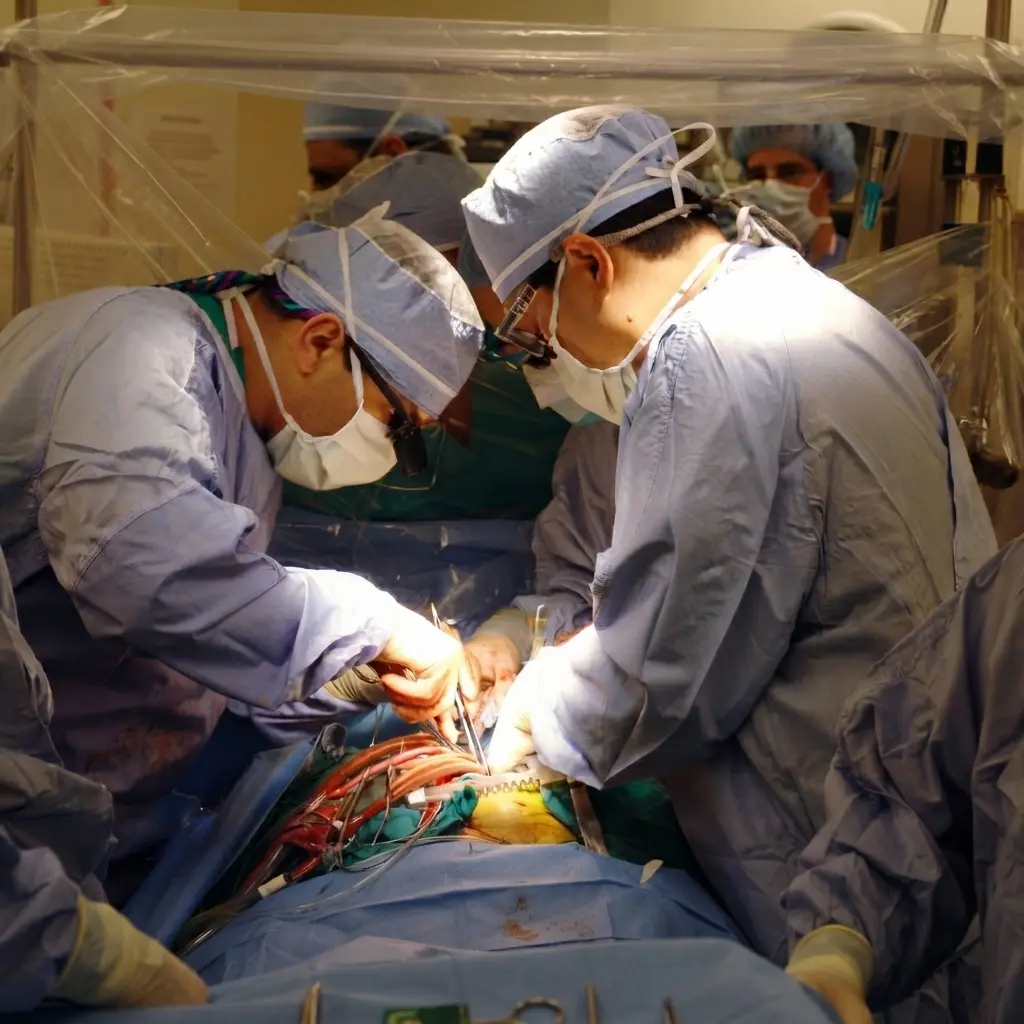








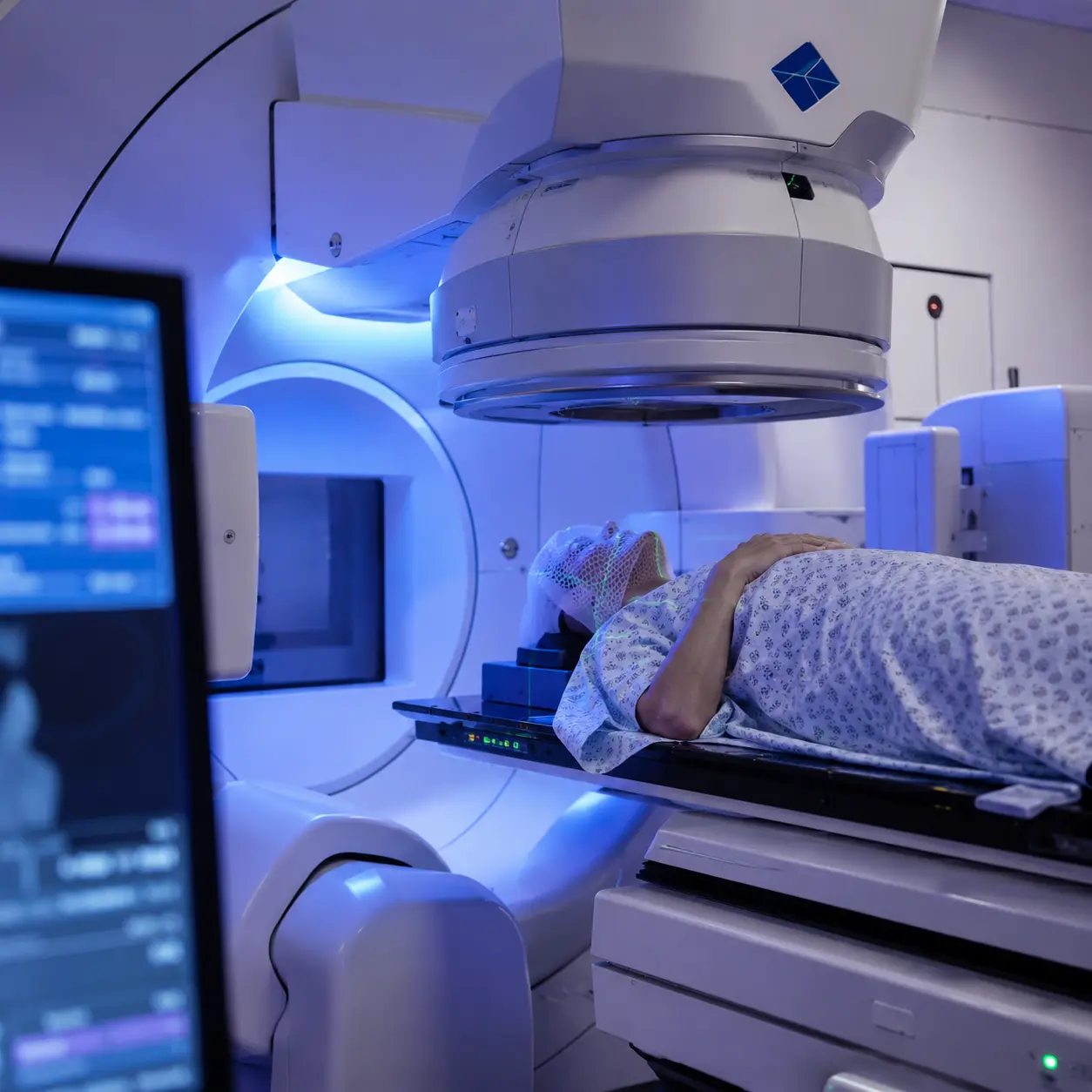
Chemotherapy at Mayo Clinic

Immunotherapy at Mayo Clinic


Medical Tourism





Share with Friends
Trading is more effective when you share products with friends!Share you link
Share to