














Reconstructive Surgery at Massachusetts General Hospital
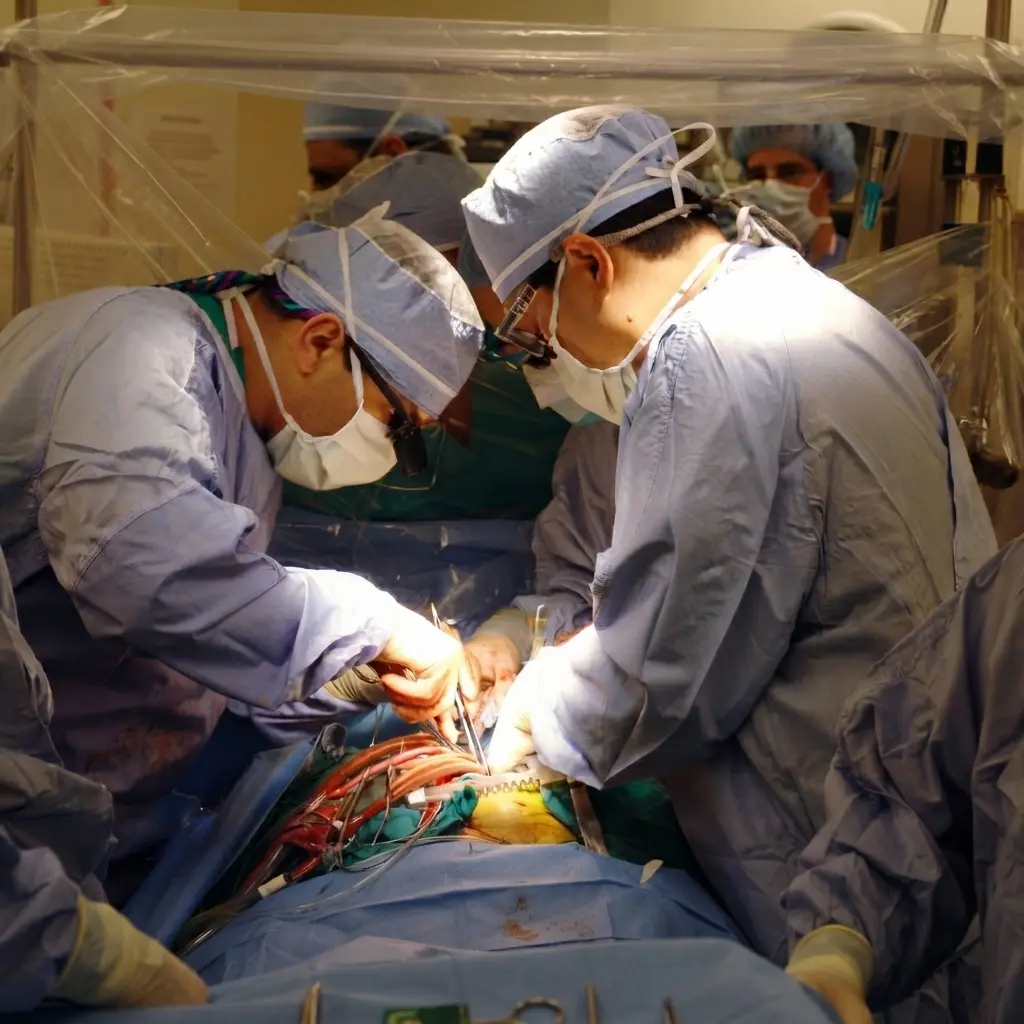
Reconstructive Surgery at Massachusetts General Hospital provides specialist surgical care for patients who require restoration of body structure or function following injury, cancer treatment, congenital conditions, severe wounds, previous surgery, or other medical conditions. Reconstructive procedures are individually planned according to the affected area, tissue condition, functional requirements, overall health, and treatment goals.
Price
Price on Request
Why Price on Request?
The cost of reconstructive surgery depends on the type and complexity of the procedure, affected body area, surgical technique, anesthesia, hospital services, diagnostic requirements, reconstruction materials, and follow-up care. A personalized cost estimate can be provided after the patient's medical records and surgical requirements have been reviewed.
Complete Description
What Is Reconstructive Surgery?
Reconstructive surgery is performed to restore or improve the form and function of tissues or body structures affected by injury, disease, congenital conditions, cancer treatment, or previous surgery.
Treatment may involve repairing damaged tissue, restoring missing structures, improving function, or addressing complex physical changes.
Who May Need Reconstructive Surgery?
Reconstructive surgery may be considered for patients with:
Tissue loss following injury
Complex wounds
Congenital physical differences
Defects following cancer treatment
Significant surgical scars
Soft-tissue damage
Facial or body defects
Functional impairment caused by tissue damage
Complications following previous surgery
Other conditions requiring structural reconstruction
Reconstructive Surgery Consultation
The process begins with a detailed surgical assessment. The surgeon may review the patient's medical history, previous procedures, medications, imaging studies, pathology reports, and current physical condition.
The assessment helps determine whether reconstruction is appropriate and which treatment approach may be suitable.
Post-Cancer Reconstruction
Patients who have undergone cancer surgery may require reconstruction to restore areas affected by tumor removal.
Reconstructive planning may take into account the type of cancer, previous surgery, radiation or other treatments, available tissue, and the patient's overall health.
Trauma Reconstruction
Severe injuries can result in damage to skin, soft tissue, muscles, or other structures.
Reconstructive surgery may be considered to repair damaged tissues and support restoration of function and appearance when clinically appropriate.
Complex Wound Reconstruction
Some wounds may be difficult to heal because of their size, location, depth, infection, poor blood supply, or underlying medical conditions.
Specialist reconstructive assessment may help determine whether surgical intervention or tissue reconstruction is appropriate.
Congenital Reconstruction
Patients with physical differences present from birth may require reconstructive surgery to improve function, structure, or appearance.
Treatment planning is individualized according to the patient's anatomy, age, health status, and specific condition.
Scar Revision and Reconstruction
Significant scars may sometimes cause functional limitations or concerns about appearance.
Depending on the scar characteristics and surrounding tissue, surgical revision or reconstruction may be considered.
Soft-Tissue Reconstruction
Soft-tissue reconstruction may be required when skin or underlying tissue has been lost because of injury, disease, cancer surgery, or other causes.
The reconstructive technique depends on the size, depth, location, and condition of the affected area.
Facial Reconstruction
Facial reconstruction may be considered following trauma, cancer surgery, congenital conditions, or other causes of facial tissue loss or structural changes.
Treatment may involve carefully planned reconstruction to address both functional and structural requirements.
Breast Reconstruction
Breast reconstruction may be considered for patients who have undergone breast cancer surgery or other procedures resulting in breast tissue loss or significant changes.
The appropriate reconstructive approach depends on the patient's medical history, previous treatment, anatomy, and individual goals.
Reconstructive Techniques
Depending on the clinical situation, reconstruction may involve direct tissue repair, skin grafting, tissue flaps, or other surgical techniques.
The selected method depends on the location and extent of tissue loss and the patient's individual medical needs.
Staged Reconstruction
Some complex reconstructive procedures may require more than one operation.
A staged approach may be recommended when gradual reconstruction, healing, tissue preparation, or additional corrective procedures are necessary.
Surgical Planning
Before surgery, the medical team may evaluate the patient's overall health, medications, allergies, previous operations, imaging, blood tests, and other relevant factors.
The surgeon may discuss the proposed procedure, expected recovery, potential complications, and alternative approaches.
Postoperative Care
Following reconstructive surgery, patients may require wound care, medication management, monitoring, physical restrictions, and scheduled follow-up.
Recovery depends on the type of reconstruction, the affected area, the patient's health, and the complexity of the procedure.
Complex Reconstructive Cases
Patients with extensive tissue damage or multiple medical conditions may require coordinated care involving plastic surgeons and other specialists.
Depending on the case, additional specialists may include oncologists, orthopedic surgeons, vascular surgeons, general surgeons, ENT specialists, dermatologists, or rehabilitation professionals.
Review of Previous Medical Reports
Patients should provide relevant surgical reports, imaging studies, pathology results, previous treatment records, medication lists, and other available medical documentation.
Reviewing previous records can help the surgical team understand the history of the condition and plan appropriate reconstruction.
Second Opinion for Reconstructive Surgery
Patients may seek a specialist second opinion regarding a proposed reconstructive procedure, surgical technique, staged reconstruction plan, or expected outcome.
A detailed review can help clarify available treatment options and surgical considerations.
International Patient Care
International patients may require medical record review before traveling for reconstructive surgery. Relevant surgical reports, imaging, pathology results, treatment history, and medication information may be requested.
International treatment arrangements are subject to applicable eligibility, referral, appointment, and hospital requirements.
Benefits of Reconstructive Surgery
Potential benefits of specialist reconstructive surgery include:
Detailed assessment of structural and functional problems
Individualized reconstructive treatment planning
Restoration of selected tissues or body structures
Management of complex wounds and tissue defects
Reconstruction following cancer treatment
Trauma-related reconstructive care
Evaluation of scar revision options
Access to multidisciplinary surgical care when required
Specialist postoperative monitoring
Long-term reconstructive follow-up planning
Why Choose Massachusetts General Hospital?
Massachusetts General Hospital provides specialist medical care within a major academic healthcare environment. Patients requiring complex reconstruction may benefit from specialist surgical expertise and coordination with other medical disciplines when treatment involves cancer, trauma, congenital conditions, or complicated tissue defects.
Treatment planning is based on the patient's individual condition, reconstructive requirements, medical history, and functional goals.
Cost of Reconstructive Surgery
The overall cost depends on the complexity and type of reconstruction, surgical technique, anesthesia, hospital services, diagnostic testing, reconstruction materials, number of procedures, and follow-up care.
Because reconstructive requirements vary between patients, this service is offered at Price on Request following appropriate medical review.
Frequently Asked Questions
What conditions can reconstructive surgery treat?
Reconstructive surgery may be considered for tissue defects caused by injury, cancer treatment, congenital conditions, complex wounds, previous surgery, severe scarring, or other medical conditions.
Can reconstructive surgery restore function as well as appearance?
Yes. Depending on the condition, reconstructive surgery may aim to restore or improve both physical structure and function.
Can reconstruction require more than one operation?
Yes. Some complex reconstructive procedures may require staged treatment or additional operations depending on the extent of tissue damage and the patient's healing and treatment requirements.
Can I seek a second opinion before reconstructive surgery?
Yes. A specialist second opinion can help review the proposed reconstruction, possible surgical approaches, expected recovery, and available alternatives.
Can international patients receive reconstructive surgery at Massachusetts General Hospital?
International patients may be considered subject to applicable eligibility, referral, appointment, and hospital requirements. Medical records and diagnostic information may need to be reviewed before treatment planning.
Product Details
Product Name: Reconstructive Surgery at Massachusetts General Hospital
Hospital: Massachusetts General Hospital
Brand: Massachusetts General Hospital
Country: United States
Location: Boston, Massachusetts, USA
Specialty: Dermatology & Plastic Surgery
Service Type: Reconstructive Surgery
Customer-Facing Price: Price on Request
International Patients: Subject to applicable eligibility and appointment requirements
Related products









Frequently Bought Together
No frequently bought products found!
Products from this Seller
View All












Chemotherapy at Mayo Clinic

Immunotherapy at Mayo Clinic




Medical Tourism





Share with Friends
Trading is more effective when you share products with friends!Share you link
Share to