













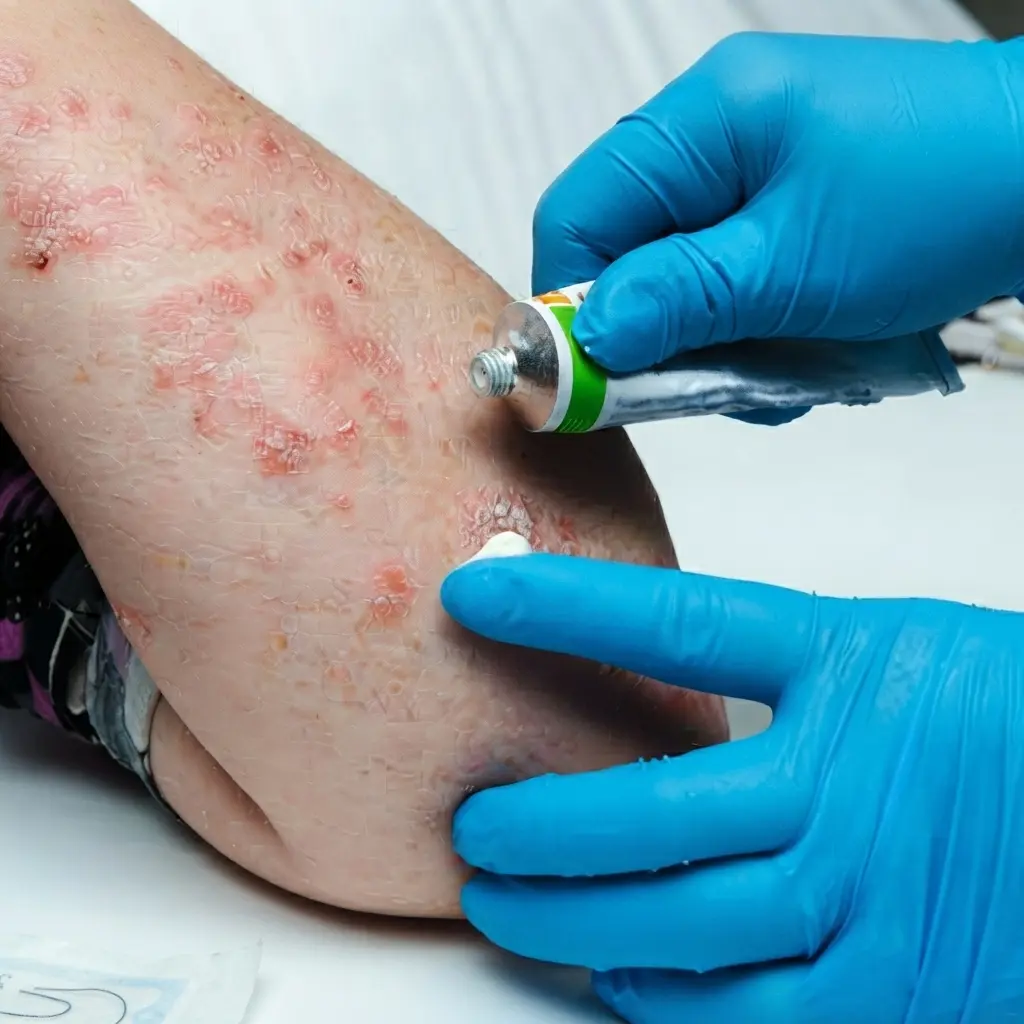
Skin Disease Treatment at Massachusetts General Hospital
Skin Disease Treatment at Massachusetts General Hospital provides specialist assessment and management for a wide range of medical conditions affecting the skin. Treatment may address inflammatory, infectious, autoimmune, chronic, and other dermatological disorders that can cause changes in skin appearance, discomfort, itching, irritation, or other symptoms.
The treatment approach depends on the diagnosis, severity, affected areas, medical history, previous treatments, and individual clinical needs.
Price
Price on Request
Why Price on Request?
The cost of skin disease treatment may vary depending on the type and severity of the condition, diagnostic testing, laboratory investigations, biopsy or pathology services, medications, procedures, specialist consultations, and follow-up requirements. International patients may also have additional assessment and coordination requirements. A personalized cost estimate can be provided after the patient's medical information has been reviewed.
Complete Description
What Is Skin Disease Treatment?
Skin disease treatment involves the diagnosis, management, and monitoring of medical conditions affecting the skin.
Depending on the condition, treatment may include topical medicines, oral medications, injectable therapies, procedures, lifestyle recommendations, monitoring, or coordinated care with other specialists.
Who May Need Skin Disease Treatment?
Specialist dermatological treatment may be appropriate for patients with:
Eczema and dermatitis
Psoriasis
Acne
Rosacea
Skin infections
Autoimmune skin disorders
Chronic itching
Pigmentation disorders
Excessive or abnormal skin growths
Persistent inflammatory skin conditions
Complex or treatment-resistant skin diseases
Other diagnosed or unexplained dermatological conditions
Skin Disease Diagnosis
Accurate diagnosis is an important part of dermatological treatment.
The dermatologist may assess the appearance and distribution of skin changes, review symptoms and medical history, and recommend laboratory testing, skin scraping, allergy testing, biopsy, or other investigations when clinically appropriate.
Eczema and Dermatitis Treatment
Eczema and dermatitis may cause dryness, redness, itching, irritation, scaling, or inflammation.
Treatment may involve moisturizers, topical medications, trigger avoidance, oral medicines, or other therapies depending on the type and severity of the condition.
Psoriasis Treatment
Psoriasis is a chronic inflammatory skin condition that can cause raised, scaly, or irritated areas of skin.
Treatment options may include topical therapies, phototherapy, systemic medications, biologic therapies, or other approaches depending on disease severity and individual medical factors.
Acne Treatment
Acne can affect the face, chest, back, and other areas of the skin.
Specialist treatment may include topical medicines, oral medications, hormonal approaches when appropriate, or procedures for selected patients. Treatment is based on acne severity, skin type, previous treatment response, and individual needs.
Rosacea Management
Rosacea may cause facial redness, flushing, visible blood vessels, or acne-like skin changes.
A dermatologist may assess possible triggers and recommend individualized medical or topical treatment depending on the patient's symptoms.
Skin Infection Treatment
Skin infections may be caused by bacteria, fungi, viruses, or other organisms.
Treatment depends on the suspected or confirmed cause and may involve topical or oral medication, laboratory testing, or additional procedures when clinically required.
Autoimmune Skin Disorders
Certain autoimmune conditions can affect the skin and may require long-term specialist management.
The dermatologist may assess symptoms, disease activity, previous treatment, and possible involvement of other organs and coordinate care with additional specialists when appropriate.
Pigmentation Disorders
Changes in skin pigmentation can result from multiple medical or environmental factors.
Specialist assessment can help identify possible causes and determine whether observation, topical treatment, procedures, or further diagnostic testing is appropriate.
Chronic Itching and Inflammatory Conditions
Persistent itching can occur with eczema, allergies, systemic illnesses, medications, infections, or other dermatological conditions.
A specialist may investigate the underlying cause and develop a treatment plan aimed at managing both the underlying condition and associated symptoms.
Treatment-Resistant Skin Conditions
Some skin diseases may continue despite previous treatment.
Patients with persistent or difficult-to-manage conditions may benefit from specialist reassessment, review of previous medications, confirmation of the diagnosis, and consideration of alternative treatment approaches.
Topical and Oral Treatments
Depending on the diagnosis, treatment may involve medicines applied directly to the skin or medications taken orally.
The choice of treatment depends on the condition, affected areas, severity, age, medical history, and potential medication-related risks.
Advanced Dermatological Therapies
Selected dermatological conditions may require advanced therapies, including systemic medications, biologic treatments, phototherapy, or specialized procedures.
Suitability is determined by the dermatologist after reviewing the patient's diagnosis and medical history.
Skin Biopsy and Pathology
When the diagnosis remains uncertain or a particular skin condition requires tissue examination, a skin biopsy may be recommended.
Pathology evaluation can help identify the nature of a skin abnormality and guide subsequent treatment.
Long-Term Skin Disease Management
Chronic skin conditions may require ongoing monitoring rather than a single treatment.
Follow-up appointments may be used to evaluate treatment response, monitor disease activity, adjust medications, and manage possible side effects or complications.
Review of Previous Medical Reports
Patients seeking specialist treatment should provide previous dermatology reports, biopsy or pathology results, laboratory tests, medication lists, photographs, and details of previous therapies when available.
This information can help the dermatologist understand the history of the condition and previous treatment responses.
Second Opinion for Skin Disease
Patients who have received a diagnosis or treatment recommendation may seek a specialist second opinion.
A detailed review may help clarify the diagnosis, assess previous treatment, and consider other appropriate management options.
Multidisciplinary Dermatological Care
Certain skin diseases may be associated with systemic medical conditions or require input from other specialists.
Depending on the condition, dermatologists may coordinate care with rheumatology, allergy and immunology, oncology, infectious disease, endocrinology, or other specialties.
International Patient Care
International patients may require medical record review before traveling for specialist skin disease treatment. Relevant pathology reports, laboratory results, photographs, previous treatment records, and medication information may be requested.
International treatment arrangements are subject to applicable eligibility, referral, appointment, and hospital requirements.
Benefits of Skin Disease Treatment
Potential benefits of specialist skin disease treatment include:
Specialist diagnosis of dermatological conditions
Individualized treatment planning
Management of chronic inflammatory skin diseases
Treatment of selected skin infections
Assessment of autoimmune skin disorders
Evaluation of persistent or treatment-resistant conditions
Access to biopsy and pathology evaluation when required
Review and adjustment of previous treatments
Long-term monitoring for chronic skin conditions
Coordination with other medical specialists when appropriate
Why Choose Massachusetts General Hospital?
Massachusetts General Hospital provides specialist dermatological care within a major academic healthcare environment. Patients with complex, chronic, or difficult-to-diagnose skin conditions may benefit from specialist assessment and coordinated care with other medical disciplines when required.
Treatment is planned according to the patient's diagnosis, disease severity, medical history, and individual healthcare needs.
Cost of Skin Disease Treatment
The overall cost depends on the diagnosis, severity of the condition, diagnostic testing, biopsy or pathology services, medications, procedures, specialist involvement, and follow-up care.
Because treatment requirements vary between patients, this service is offered at Price on Request following appropriate medical review.
Frequently Asked Questions
What skin conditions can be treated by a dermatologist?
Dermatologists may manage conditions such as eczema, psoriasis, acne, rosacea, skin infections, autoimmune skin disorders, pigmentation problems, chronic itching, and other inflammatory or complex skin diseases.
Can chronic skin conditions be managed long term?
Yes. Many chronic dermatological conditions require ongoing monitoring and treatment adjustments. The management plan depends on the diagnosis, disease activity, treatment response, and individual medical needs.
What happens if previous skin treatment has not worked?
A specialist may reassess the diagnosis, review previous treatments, consider additional diagnostic testing, and determine whether another treatment approach may be appropriate.
Can a skin biopsy be performed when the diagnosis is uncertain?
A skin biopsy may be recommended when clinically appropriate. The tissue can be examined by pathology to help establish or clarify the diagnosis and guide treatment.
Can international patients receive skin disease treatment at Massachusetts General Hospital?
International patients may be considered subject to applicable eligibility, referral, appointment, and hospital requirements. Medical records and diagnostic information may need to be reviewed before treatment planning.
Product Details
Product Name: Skin Disease Treatment at Massachusetts General Hospital
Hospital: Massachusetts General Hospital
Brand: Massachusetts General Hospital
Country: United States
Location: Boston, Massachusetts, USA
Specialty: Dermatology & Plastic Surgery
Service Type: Skin Disease Treatment
Customer-Facing Price: Price on Request
International Patients: Subject to applicable eligibility and appointment requirements
Related products









Frequently Bought Together
No frequently bought products found!
Products from this Seller
View All













Chemotherapy at Mayo Clinic

Immunotherapy at Mayo Clinic





Medical Tourism





Share with Friends
Trading is more effective when you share products with friends!Share you link
Share to