














Advanced Liver Disease Management at Karolinska University Hospital
Advanced Liver Disease Management at Karolinska University Hospital
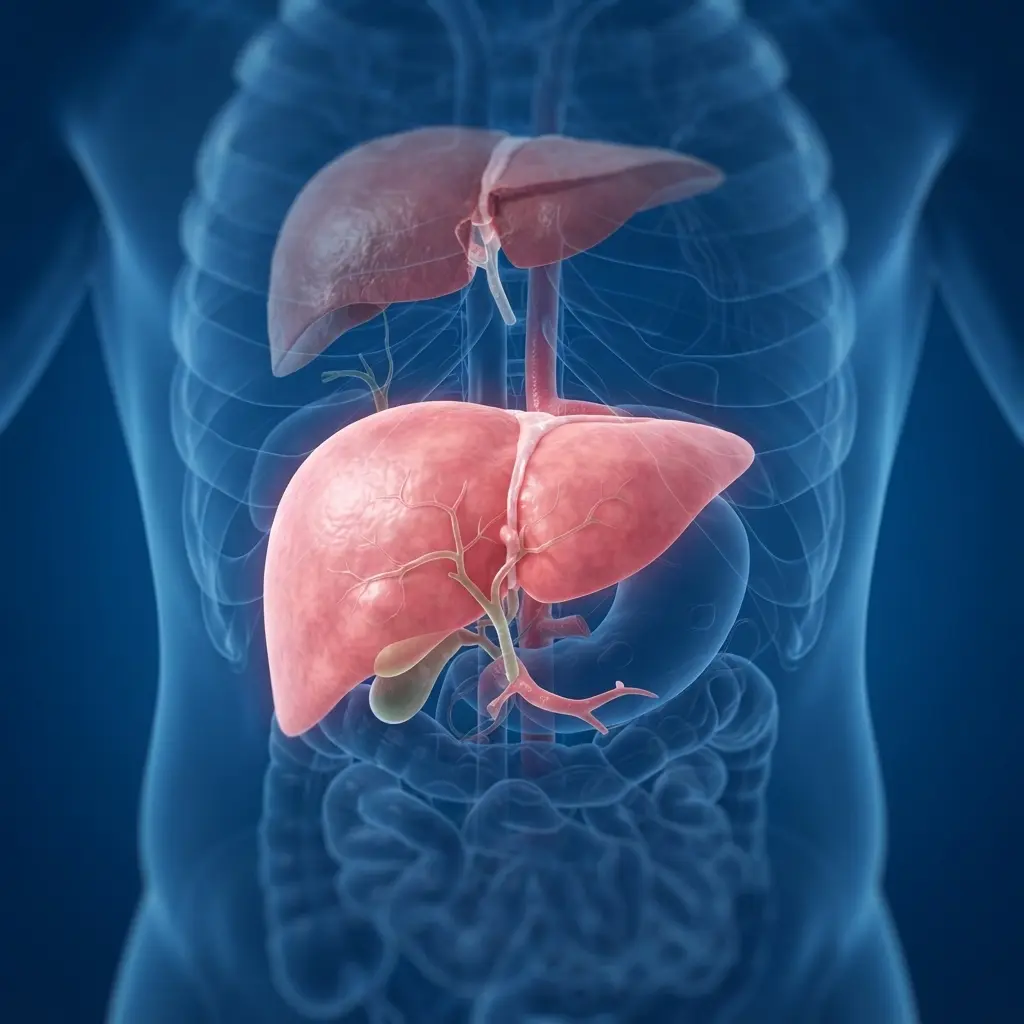
Advanced Liver Disease Management at Karolinska University Hospital provides specialist assessment and ongoing care for patients with complex or progressive liver conditions. Management focuses on understanding the underlying liver disease, monitoring liver function, treating complications, reducing health risks, and assessing advanced treatment options such as liver transplantation when clinically appropriate.
Price
Price on Request
Why Price on Request?
The cost of advanced liver disease management varies depending on the underlying condition, disease severity, diagnostic investigations, laboratory monitoring, medications, specialist consultations, procedures, hospitalization, and follow-up requirements. A personalized cost estimate can be provided after appropriate medical assessment.
Complete Description
Advanced Liver Disease Assessment
Patients with advanced liver disease may require comprehensive specialist assessment to determine disease severity, identify complications, and establish an individualized management plan. The evaluation may include medical history, physical examination, laboratory testing, imaging, and other investigations.
Chronic Liver Disease Management
Long-term management depends on the cause and progression of liver disease. The medical team may focus on controlling the underlying condition, monitoring liver function, managing complications, and reducing factors that may contribute to further liver damage.
Liver Function Monitoring
Regular laboratory testing can help monitor liver function and disease progression. Tests may include liver enzymes, bilirubin, albumin, blood counts, clotting-related measurements, kidney function, and other relevant parameters.
Liver Fibrosis and Cirrhosis Assessment
Advanced liver disease may involve significant fibrosis or cirrhosis. Specialist assessment can help determine the extent of liver damage and monitor for complications associated with progressive liver disease.
Management of Portal Hypertension
Portal hypertension can occur in advanced liver disease and may lead to complications such as varices, gastrointestinal bleeding, or ascites. Management is individualized and may include medication, endoscopic treatment, imaging, or interventional procedures when appropriate.
Ascites Management
Patients with advanced liver disease may develop fluid accumulation in the abdomen. Management can include dietary measures, medications, monitoring, fluid drainage procedures, or other interventions depending on severity and response to treatment.
Hepatic Encephalopathy Management
Some patients with advanced liver disease experience changes in concentration, behavior, awareness, or consciousness due to hepatic encephalopathy. Specialist care focuses on identifying contributing factors and providing appropriate treatment and monitoring.
Variceal Assessment and Management
Enlarged veins in the digestive tract can develop as a consequence of portal hypertension and may create a risk of bleeding. Patients may require specialist evaluation, preventive treatment, endoscopic management, or additional intervention depending on their condition.
Liver Cancer Surveillance
Patients with certain forms of advanced chronic liver disease may require ongoing surveillance for liver cancer. The appropriate monitoring strategy may involve imaging and laboratory assessment according to individual clinical risk.
Medication Management
Medication review is an important part of advanced liver disease care. The medical team may assess current treatments, potential liver-related effects, interactions, dosing considerations, and medications that may require adjustment because of reduced liver function.
Nutrition and Lifestyle Management
Advanced liver disease can affect nutritional status and general physical wellbeing. Individualized guidance may address nutrition, physical activity, weight management, alcohol avoidance where relevant, and other lifestyle considerations.
Management of Liver Disease Complications
Advanced liver disease can affect multiple organ systems. Specialist management may address complications involving fluid balance, blood clotting, infections, kidney function, nutrition, neurological function, and cardiovascular health.
Liver Transplant Assessment
Patients with severe or progressive liver disease may be assessed for liver transplantation when clinically appropriate. Evaluation may consider liver disease severity, overall health, complications, and other factors relevant to transplant suitability.
Advanced Interventional Treatment
Selected patients may require advanced procedures to manage complications of liver disease. Depending on the clinical situation, treatment may include procedures for portal hypertension, fluid accumulation, bleeding, or other complications.
Multidisciplinary Liver Care
Complex liver disease may require coordinated care involving hepatologists, transplant specialists, surgeons, interventional specialists, radiologists, nurses, nutrition professionals, and other healthcare providers.
Long-Term Monitoring
Patients with advanced liver disease often require regular follow-up to monitor changes in liver function, treatment response, complications, and overall health. The follow-up schedule is individualized according to disease severity.
Second Opinion
Patients with advanced liver disease may seek specialist review of their diagnosis, treatment plan, transplant recommendation, medication strategy, or previous medical reports. A second opinion may help clarify potential management options.
International Patient Care
International patients may require review of previous medical records before traveling for specialist liver care. Laboratory results, imaging studies, biopsy reports, medication information, and previous treatment history may assist with assessment and treatment planning.
International treatment arrangements are subject to applicable eligibility, referral, appointment, hospital, and treatment requirements.
Benefits of Advanced Liver Disease Management
Potential benefits of specialist advanced liver disease management include:
Comprehensive assessment of liver disease
Monitoring of liver function and disease progression
Management of complications associated with advanced liver disease
Specialist medication review
Assessment and management of portal hypertension
Support for nutritional and lifestyle management
Surveillance for selected liver-related complications
Evaluation for liver transplantation when appropriate
Access to multidisciplinary liver care
Individualized long-term monitoring and treatment planning
Why Choose Karolinska University Hospital?
Karolinska University Hospital provides specialist care within an academic healthcare environment. Patients with complex liver conditions may benefit from coordinated services involving hepatology, transplantation, surgery, interventional treatment, diagnostic imaging, and other relevant specialties.
For patients with advanced or complicated liver disease, specialist assessment can help establish an individualized management and follow-up pathway.
Cost of Advanced Liver Disease Management
The overall cost depends on the patient's liver condition, diagnostic requirements, laboratory monitoring, medications, procedures, specialist consultations, and follow-up needs.
Because management requirements vary between patients, the service is offered at Price on Request following appropriate medical review.
Frequently Asked Questions
What is advanced liver disease management?
Advanced liver disease management involves specialist assessment and ongoing care for patients with significant or progressive liver disease, including monitoring liver function, treating complications, and considering advanced treatment options when appropriate.
What complications can occur with advanced liver disease?
Possible complications include portal hypertension, ascites, variceal bleeding, hepatic encephalopathy, infections, nutritional problems, kidney dysfunction, and other health problems. The risks vary according to the underlying liver condition.
When is liver transplantation considered?
Liver transplantation may be considered for selected patients with severe or irreversible liver disease or liver failure when transplantation is medically appropriate.
Does advanced liver disease require regular monitoring?
Yes. Patients with advanced liver disease generally require ongoing specialist follow-up to monitor liver function, treatment response, disease progression, and potential complications.
Can international patients receive advanced liver disease management at Karolinska University Hospital?
International patients may be considered subject to applicable eligibility, referral, appointment, hospital, and treatment requirements. Medical records and diagnostic information may need to be reviewed before treatment planning.
Product Details
Product Name: Advanced Liver Disease Management at Karolinska University Hospital
Hospital: Karolinska University Hospital
Brand: Karolinska University Hospital
Country: Sweden
Location: Stockholm, Sweden
Specialty: Liver Transplantation
Service Type: Advanced Liver Disease Management
Customer-Facing Price: Price on Request
International Patients: Subject to applicable eligibility and treatment requirements
Related products





Frequently Bought Together
No frequently bought products found!
Products from this Seller
View All












Chemotherapy at Mayo Clinic

Immunotherapy at Mayo Clinic




Medical Tourism





Share with Friends
Trading is more effective when you share products with friends!Share you link
Share to