






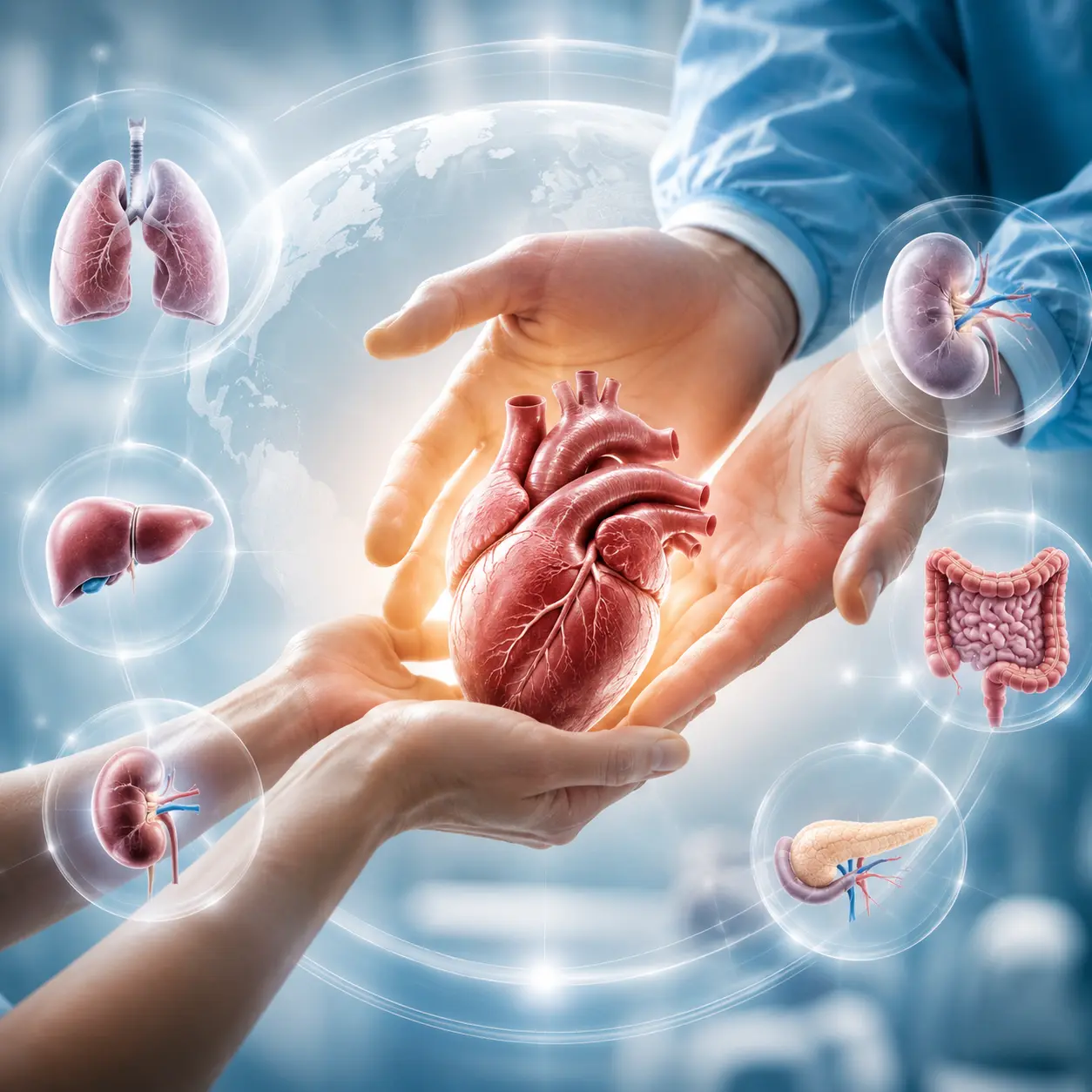






TIPS Procedure at Karolinska University Hospital
TIPS Procedure at Karolinska University Hospital provides specialist interventional treatment for selected patients with complications of advanced liver disease, particularly portal hypertension. The procedure creates a controlled connection between the portal and hepatic venous systems to help reduce pressure within the portal circulation. Suitability is determined through detailed clinical and diagnostic assessment.
Price
Price on Request
Why Price on Request?
The cost of a TIPS procedure varies depending on the patient's liver condition, diagnostic requirements, procedural complexity, imaging, hospital stay, anesthesia or sedation requirements, and follow-up care. A personalized cost estimate can be provided after appropriate medical assessment.
Complete Description
What Is a TIPS Procedure?
TIPS stands for Transjugular Intrahepatic Portosystemic Shunt. It is an image-guided procedure used in selected patients with complications related to portal hypertension.
A specialist creates a channel within the liver connecting the portal venous system with a hepatic vein and places a stent to maintain blood flow through the newly created pathway.
Portal Hypertension
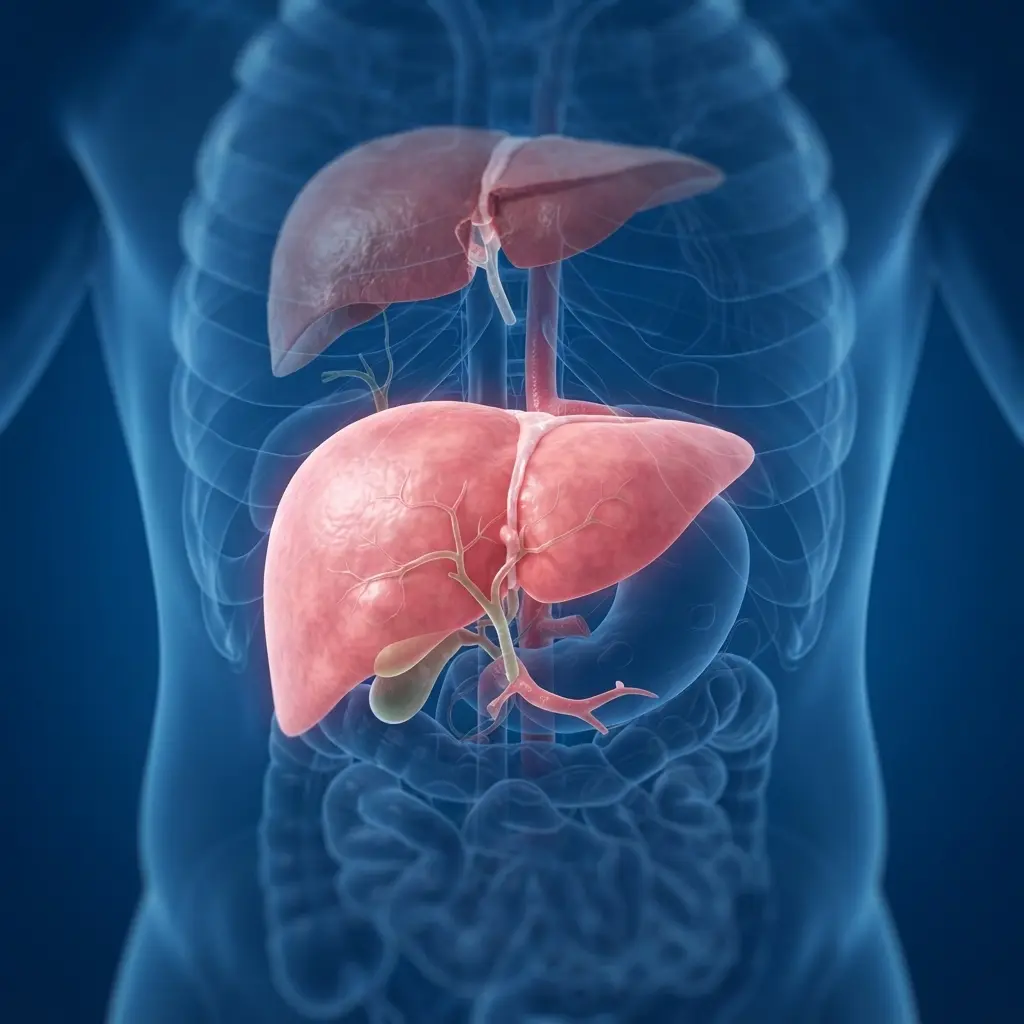
Portal hypertension occurs when pressure increases within the portal venous system, which carries blood from the digestive organs toward the liver. Severe portal hypertension can contribute to complications such as variceal bleeding and fluid accumulation in the abdomen.
Treatment of Variceal Bleeding
TIPS may be considered for selected patients with severe or recurrent bleeding from enlarged veins, known as varices, when other treatments are insufficient or when the clinical situation requires additional portal pressure reduction.
Management of Refractory Ascites
Some patients with advanced liver disease develop ascites that does not respond adequately to conventional medical treatment. In selected cases, TIPS may help reduce portal pressure and improve control of fluid accumulation.
Pre-Procedure Assessment
Before TIPS, the medical team evaluates the patient's liver function, cardiovascular condition, kidney function, blood clotting status, imaging results, and overall health. Additional investigations may be required to determine whether the procedure is appropriate.
Liver and Portal Vein Imaging
Imaging studies are important for evaluating the anatomy of the liver and portal circulation. Ultrasound, CT, MRI, or other appropriate imaging may be used to support procedural planning.
Image-Guided Procedure
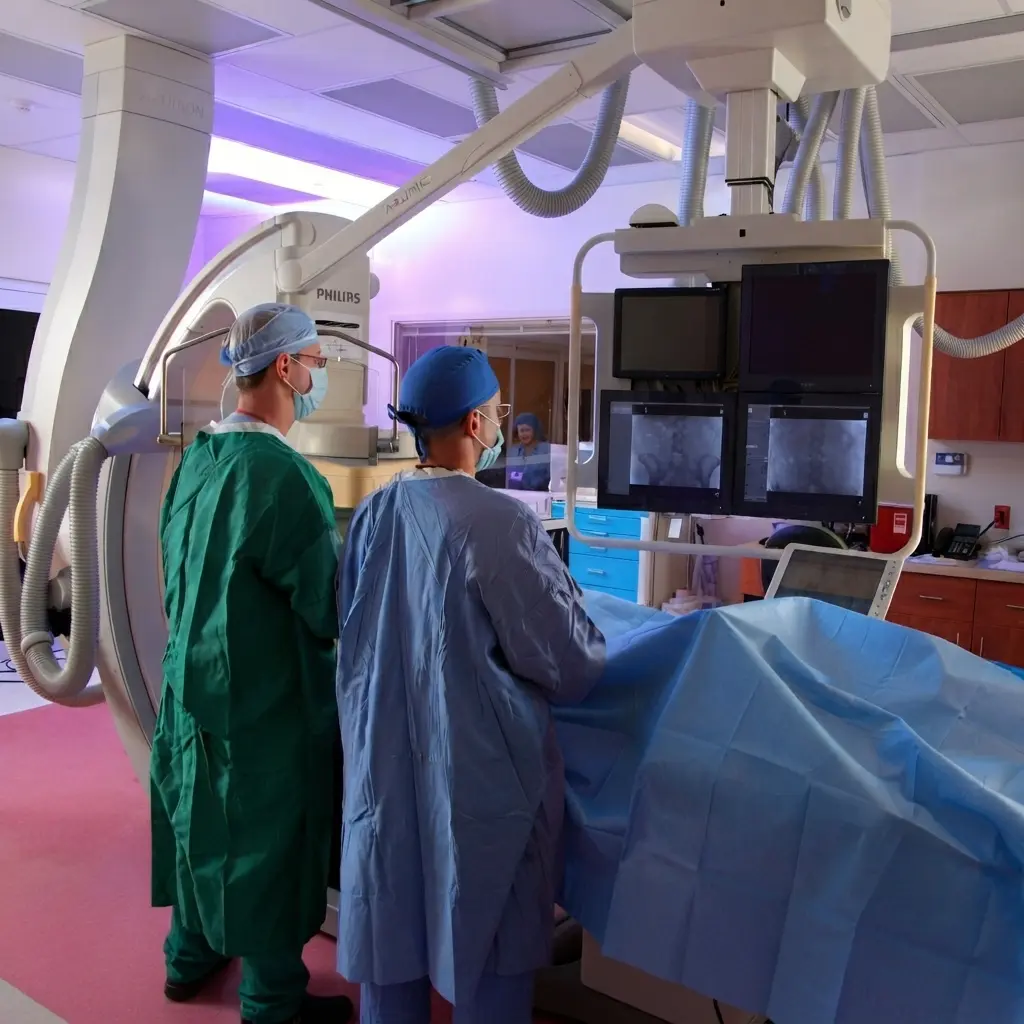
TIPS is generally performed using image guidance. The interventional specialist accesses the venous system and creates the intrahepatic connection under controlled conditions before placing the appropriate stent.
Stent Placement
A stent is used to maintain the newly created channel and support blood flow between the portal and hepatic venous systems. The type and size of stent are selected according to the patient's anatomy and clinical requirements.
Post-Procedure Monitoring
Following the procedure, patients require medical observation and monitoring. The healthcare team may assess vital signs, liver function, blood counts, kidney function, and other clinical parameters.
TIPS and Hepatic Encephalopathy
TIPS can alter blood flow through the liver and may affect the risk of hepatic encephalopathy in some patients. The medical team evaluates individual risk factors before the procedure and monitors for neurological changes afterward.
Management of Liver Disease Complications
TIPS may form part of a broader treatment strategy for complications of advanced liver disease. Ongoing management of the underlying liver condition and other complications remains important after the procedure.
Follow-Up Imaging
Follow-up imaging may be recommended to assess the TIPS and confirm appropriate blood flow through the shunt. The timing and type of follow-up depend on the patient's clinical circumstances.
Medication Management
Patients may require continued or adjusted medications after TIPS. The medical team reviews the patient's treatment plan according to liver function, complications, and other health conditions.
Multidisciplinary Liver Care
TIPS treatment may involve coordination between hepatologists, interventional radiologists, transplant specialists, surgeons, anesthesiology professionals, nurses, and other healthcare providers when required.
TIPS and Liver Transplantation
For selected patients with advanced liver disease, TIPS may be considered as part of management before potential liver transplantation. The decision depends on the patient's overall condition and transplant pathway.
Second Opinion
Patients who have been advised to undergo TIPS may seek specialist review of their diagnosis, imaging results, treatment alternatives, and procedural suitability before proceeding.
International Patient Care
International patients may require review of previous medical records, imaging studies, laboratory results, medication information, and treatment history before traveling for TIPS assessment or treatment.
International treatment arrangements are subject to applicable eligibility, referral, appointment, hospital, and procedural requirements.
Benefits of TIPS Procedure
Potential benefits of TIPS in appropriately selected patients may include:
Reduction of portal venous pressure
Management of selected variceal bleeding
Treatment of certain cases of refractory ascites
Minimally invasive image-guided approach
Support in managing complications of portal hypertension
Potential reduction in the need for repeated fluid drainage in selected patients
Specialist assessment of complex liver disease
Coordinated follow-up and monitoring
Why Choose Karolinska University Hospital?
Karolinska University Hospital provides specialist care within an academic healthcare environment, allowing complex liver conditions to be assessed through coordinated medical, interventional, and transplant-related services.
Patients requiring advanced treatment for portal hypertension may benefit from multidisciplinary evaluation and individualized treatment planning.
Cost of TIPS Procedure
The overall cost depends on procedural complexity, diagnostic imaging, laboratory investigations, hospital care, sedation or anesthesia requirements, and follow-up needs.
Because treatment requirements differ between patients, the procedure is offered at Price on Request following appropriate medical review.
Frequently Asked Questions
What is a TIPS procedure used for?
TIPS may be used in selected patients with complications of portal hypertension, particularly certain cases of recurrent or severe variceal bleeding and refractory ascites.
Is TIPS suitable for every patient with liver disease?
No. Suitability depends on liver function, the cause and severity of liver disease, cardiovascular health, portal circulation anatomy, previous complications, and other individual medical factors.
How is TIPS performed?
TIPS is performed using image guidance. A specialist creates a controlled connection between the portal and hepatic venous systems within the liver and places a stent to maintain the new pathway.
What happens after a TIPS procedure?
Patients are monitored after the procedure and may undergo laboratory testing and follow-up imaging. The medical team also monitors for complications and changes in liver function or neurological status.
Can international patients receive a TIPS procedure at Karolinska University Hospital?
International patients may be considered subject to applicable eligibility, referral, appointment, hospital, and procedural requirements. Medical records and diagnostic information may need to be reviewed before treatment planning.
Product Details
Product Name: TIPS Procedure at Karolinska University Hospital
Hospital: Karolinska University Hospital
Brand: Karolinska University Hospital
Country: Sweden
Location: Stockholm, Sweden
Specialty: Liver Transplantation
Service Type: TIPS Procedure
Customer-Facing Price: Price on Request
International Patients: Subject to applicable eligibility and procedural requirements
Related products




Frequently Bought Together
No frequently bought products found!
Products from this Seller
View All








Chemotherapy at Mayo Clinic

Immunotherapy at Mayo Clinic

Medical Tourism





Share with Friends
Trading is more effective when you share products with friends!Share you link
Share to