













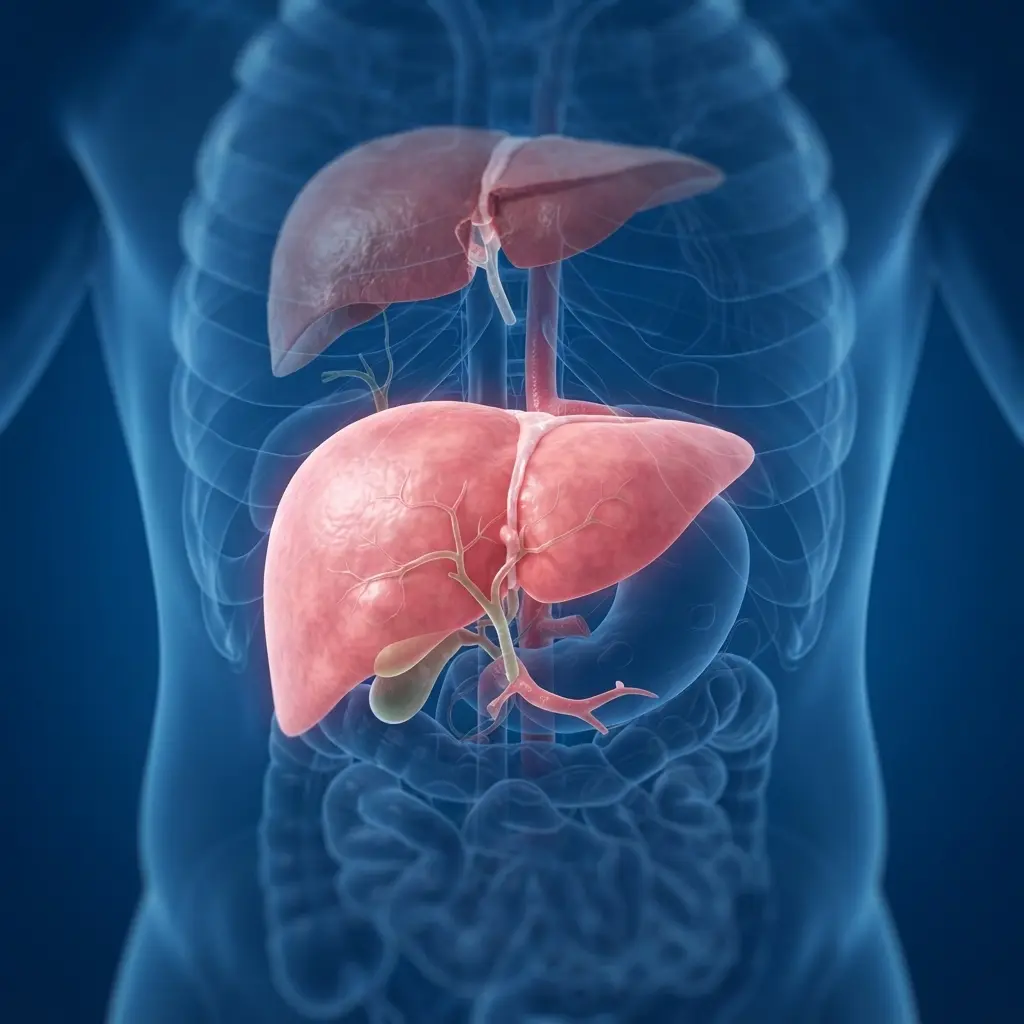
Liver Transplantation at Karolinska University Hospital
Liver Transplantation at Karolinska University Hospital provides specialist care for patients with advanced liver disease, liver failure, and selected liver conditions where transplantation may be medically appropriate. The transplantation pathway involves detailed assessment, multidisciplinary planning, surgical treatment, and long-term follow-up according to the patient's individual medical needs.
Price
Price on Request
Why Price on Request?
The cost of liver transplantation varies depending on the patient's medical condition, transplant evaluation requirements, surgical complexity, hospitalization, diagnostic investigations, medications, postoperative care, and long-term follow-up. A personalized cost estimate can be provided after appropriate medical assessment and treatment planning.
Complete Description
Liver Transplantation Assessment
Before transplantation, patients undergo comprehensive medical assessment to determine whether liver transplantation is an appropriate treatment option. The evaluation may include review of liver function, overall health, previous treatments, imaging, laboratory results, and other relevant medical information.
Advanced Liver Disease
Liver transplantation may be considered for patients with advanced or irreversible liver disease when other treatment options are no longer sufficient. The underlying condition, severity of liver dysfunction, complications, and overall health are considered during transplant planning.
Liver Failure
Patients with severe liver failure may require specialist assessment for transplantation. The medical team evaluates the severity of liver dysfunction and associated complications to determine whether transplantation should be considered as part of the treatment pathway.
Transplant Eligibility
Eligibility for liver transplantation depends on several medical and clinical factors. The transplant team may assess the underlying liver condition, overall health, other medical conditions, previous treatments, infection risks, and the patient's ability to undergo major surgery and long-term follow-up.
Pre-Transplant Evaluation
A comprehensive pre-transplant evaluation may include blood and urine testing, liver function assessment, imaging studies, cardiovascular evaluation, infection screening, and other investigations according to the patient's individual circumstances.
Multidisciplinary Transplant Care
Liver transplantation requires coordination among multiple healthcare professionals. Depending on the patient's needs, the care team may include transplant physicians, surgeons, hepatologists, anesthesiology specialists, radiologists, nurses, pharmacists, dietitians, and other healthcare professionals.
Liver Transplant Surgery
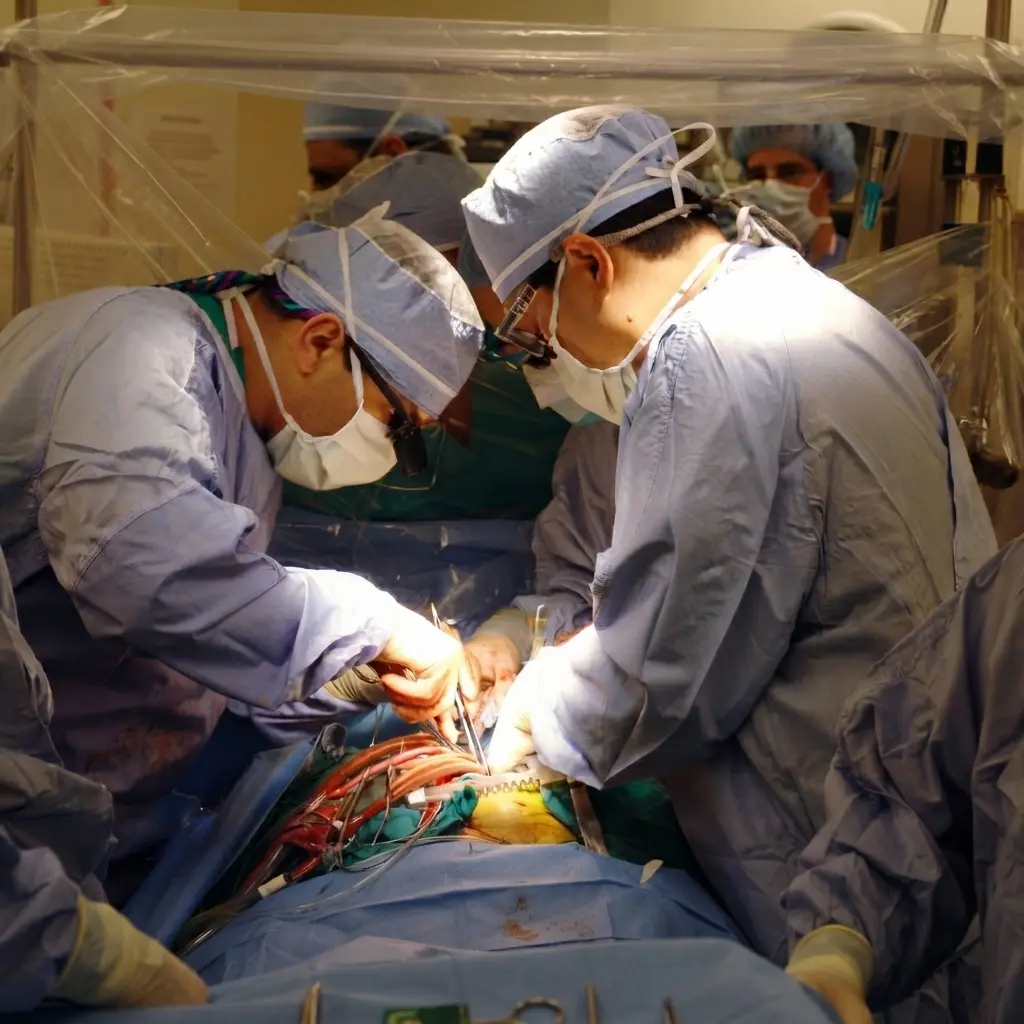
When transplantation is approved and an appropriate organ becomes available, the patient undergoes liver transplant surgery under specialist surgical care. The procedure involves replacing the diseased liver with a donor liver or an appropriate donor liver segment according to the transplant circumstances.
Donor Considerations
Liver transplantation may involve deceased donor transplantation or, in selected circumstances, living donor transplantation. Donor suitability is assessed through a separate medical and ethical evaluation to ensure that donation is appropriate and safe.
Postoperative Monitoring
After transplantation, patients require close medical monitoring. The healthcare team may monitor liver function, vital signs, laboratory results, medication levels, infection risks, and other factors during the recovery period.
Immunosuppressive Treatment
Following liver transplantation, patients generally require immunosuppressive medication to help reduce the risk of organ rejection. Medication selection and dosing are individualized and require ongoing medical monitoring.
Transplant Rejection Monitoring
The transplant team monitors patients for possible signs of rejection through clinical assessment, laboratory testing, imaging, and additional investigations when medically indicated. Early recognition of potential complications supports timely evaluation and management.
Infection Prevention and Monitoring
Immunosuppressive treatment can affect the body's ability to respond to infections. Patients may therefore receive infection monitoring, preventive measures, and medical guidance based on their individual risk factors and treatment plan.
Long-Term Liver Transplant Follow-Up
Long-term follow-up is an important part of liver transplantation. Patients may require regular assessment of liver function, medication management, blood pressure, metabolic health, and potential transplant-related complications.
Management of Transplant Complications
Potential complications after transplantation can involve the transplanted liver, bile ducts, blood vessels, medications, infections, or other organ systems. Specialist follow-up helps identify and manage complications when they occur.
Nutrition and Recovery Support
Nutrition and lifestyle management may form part of recovery following transplantation. Patients can receive individualized guidance regarding nutrition, physical activity, medication adherence, and other aspects of long-term health management.
Second Opinion
Patients who have previously been advised to undergo liver transplantation may seek specialist review of their diagnosis, transplant suitability, treatment options, or previous medical recommendations. A second opinion may help clarify the potential treatment pathway.
International Patient Care
International patients may require review of previous medical records before traveling for liver transplantation. Laboratory reports, imaging studies, liver biopsy results when available, medication information, previous treatment history, and other relevant records may assist with preliminary assessment.
International treatment arrangements are subject to applicable eligibility, referral, appointment, transplant, and hospital requirements.
Benefits of Liver Transplantation
Potential benefits of specialist liver transplantation care include:
Comprehensive assessment for transplant suitability
Specialist management of advanced liver disease
Evaluation of severe liver failure
Multidisciplinary transplant planning
Access to specialized transplant surgical care
Postoperative monitoring and medical management
Long-term transplant follow-up
Monitoring for rejection and other complications
Individualized medication and recovery planning
Why Choose Karolinska University Hospital?
Karolinska University Hospital provides specialist care within a major academic healthcare environment. Patients with complex liver disease may benefit from coordinated assessment involving specialists in liver medicine, transplantation, surgery, diagnostics, and long-term follow-up.
For patients who may require transplantation, specialist evaluation can help establish an appropriate treatment pathway based on individual clinical circumstances.
Cost of Liver Transplantation
The overall cost depends on the complexity of the patient's condition, transplant evaluation, surgery, hospitalization, diagnostic investigations, medications, postoperative monitoring, and follow-up requirements.
Because transplant care varies significantly between patients, the service is offered at Price on Request following appropriate medical review.
Frequently Asked Questions
Who may need a liver transplant?
Liver transplantation may be considered for selected patients with advanced or irreversible liver disease, severe liver failure, or other conditions where transplantation is medically appropriate.
How is liver transplant eligibility determined?
Eligibility is determined through a comprehensive medical assessment that considers liver disease severity, overall health, other medical conditions, previous treatments, and the patient's ability to undergo transplantation and long-term follow-up.
What happens after liver transplantation?
After transplantation, patients require close monitoring, immunosuppressive medication, laboratory testing, and regular specialist follow-up to assess liver function and identify potential complications.
Is living donor liver transplantation possible?
Living donor liver transplantation may be an option for selected patients when an appropriate donor is available and both the recipient and donor meet the required medical and ethical criteria.
Can international patients receive liver transplantation at Karolinska University Hospital?
International patients may be considered subject to applicable eligibility, referral, transplant assessment, appointment, and hospital requirements. Medical records and diagnostic information may need to be reviewed before treatment planning.
Product Details
Product Name: Liver Transplantation at Karolinska University Hospital
Hospital: Karolinska University Hospital
Brand: Karolinska University Hospital
Country: Sweden
Location: Stockholm, Sweden
Specialty: Liver Transplantation
Service Type: Liver Transplantation
Customer-Facing Price: Price on Request
International Patients: Subject to applicable eligibility and transplant requirements
Related products





Frequently Bought Together
No frequently bought products found!
Products from this Seller
View All











Chemotherapy at Mayo Clinic

Immunotherapy at Mayo Clinic




Medical Tourism





Share with Friends
Trading is more effective when you share products with friends!Share you link
Share to