














Aortic Disease Treatment at Massachusetts General Hospital
Aortic Disease Treatment at Massachusetts General Hospital provides specialist evaluation and management for conditions affecting the aorta, the body's largest artery. Treatment may be considered for aortic aneurysms, aortic enlargement, aortic dissection, aortic narrowing, and other structural or vascular conditions involving the aorta.
Price
Price on Request
Why Price on Request?
The cost of aortic disease treatment varies according to the specific diagnosis, severity and location of the aortic condition, diagnostic imaging, treatment approach, hospital care, procedure requirements, and follow-up needs. A personalized cost estimate can be provided after appropriate medical assessment.
Complete Description
What Is Aortic Disease?
Aortic disease refers to a range of conditions affecting the structure or function of the aorta. These conditions may involve enlargement, weakening, narrowing, tearing, or other abnormalities that can affect blood flow and overall cardiovascular health.
Specialist evaluation is important because some aortic conditions may require ongoing monitoring, medication, minimally invasive treatment, or surgery depending on their characteristics.
Aortic Disease Evaluation
Assessment may include a detailed medical history, physical examination, review of cardiovascular risk factors, and diagnostic imaging. Previous scans and medical reports may also be reviewed to understand changes in the aorta over time.
The evaluation helps determine the location, size, extent, and characteristics of the aortic condition.
Aortic Aneurysm Assessment
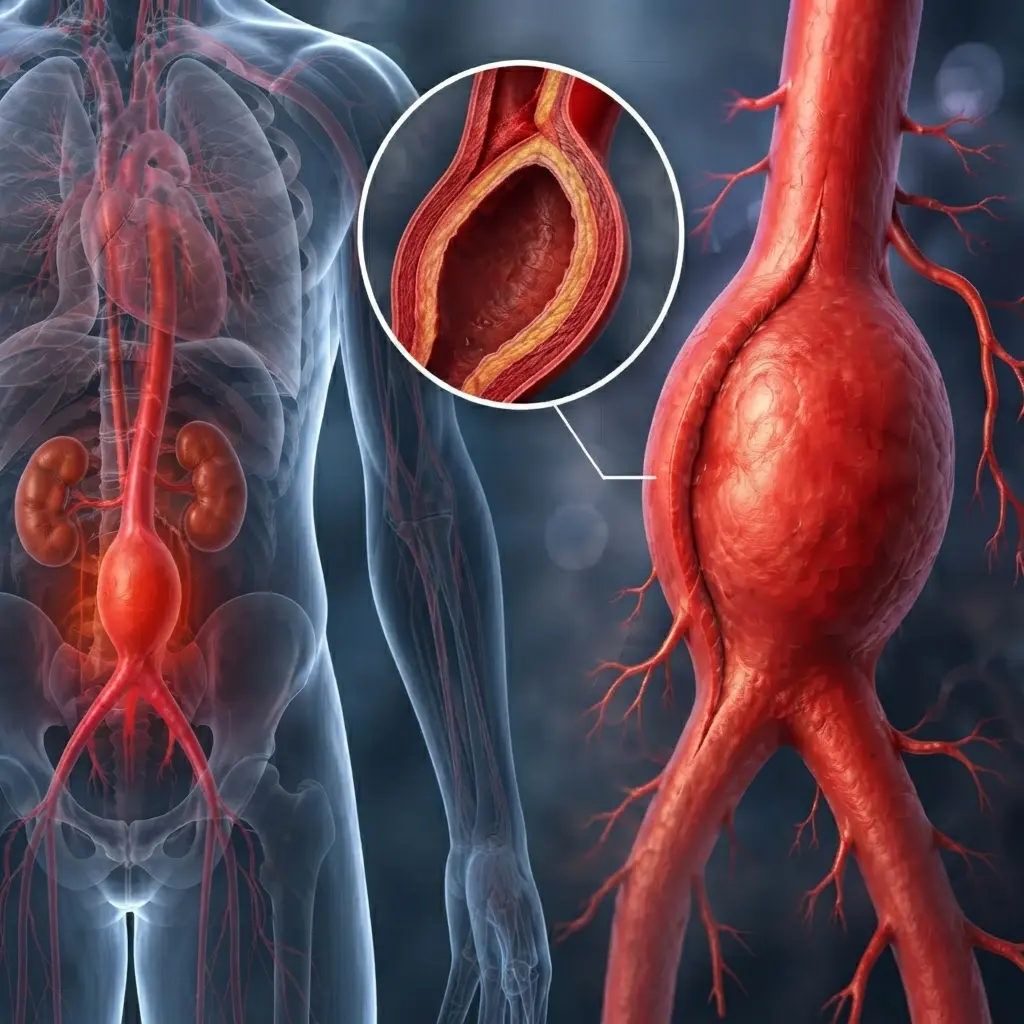
An aortic aneurysm occurs when a section of the aorta becomes enlarged or weakened. Depending on its location and size, an aneurysm may require regular imaging and monitoring or consideration of treatment.
Management is individualized according to aneurysm characteristics and the patient's overall health.
Aortic Dissection
Aortic dissection occurs when a tear develops within the layers of the aortic wall. It can represent a serious medical condition requiring urgent specialist assessment.
Treatment depends on the location and extent of the dissection, associated complications, and the patient's overall clinical condition.
Thoracic Aortic Disease
Thoracic aortic disease affects the portion of the aorta located within the chest. Conditions may include aneurysms, dissection, enlargement, or other structural abnormalities.
Specialist cardiovascular and vascular assessment can help determine whether monitoring, medical management, or intervention may be appropriate.
Abdominal Aortic Disease
Conditions affecting the abdominal portion of the aorta may include abdominal aortic aneurysms and other arterial abnormalities.
Evaluation may involve vascular imaging and assessment of cardiovascular risk factors to determine the appropriate management strategy.
Aortic Imaging
Imaging plays an important role in evaluating aortic conditions. Depending on the clinical situation, imaging studies may be used to assess the size, shape, location, and extent of aortic abnormalities.
Follow-up imaging may also be recommended to monitor changes over time.
Medical Management
Selected patients may be managed with medications and monitoring rather than immediate intervention. Treatment may focus on controlling blood pressure and other cardiovascular risk factors while monitoring the aortic condition.
Medication recommendations depend on the diagnosis and individual medical needs.
Aortic Surgery
Surgical treatment may be considered for selected patients when an aortic condition presents significant risk or requires repair.
The type and extent of surgery depend on the location and characteristics of the disease, the patient's anatomy, and overall health.
Endovascular Aortic Treatment
Some aortic conditions may be treated using minimally invasive endovascular techniques when clinically appropriate.
Endovascular treatment may involve placing a specialized graft or other device within the affected portion of the aorta to support the vessel and improve blood flow.
Aortic Disease Monitoring
Patients whose condition does not require immediate intervention may undergo regular clinical and imaging follow-up.
Monitoring intervals are determined according to the type of aortic disease, its size or progression, symptoms, and individual risk factors.
Risk Factor Management
Management of cardiovascular risk factors can form an important part of care for patients with aortic disease.
Depending on individual needs, treatment planning may address blood pressure, cholesterol, smoking, diabetes, physical activity, and other factors associated with cardiovascular health.
Complex Aortic Conditions
Some patients have complex aortic disease requiring coordinated assessment by multiple specialists. Depending on the condition, care may involve vascular specialists, cardiovascular specialists, imaging teams, surgeons, and other healthcare professionals.
A coordinated approach can help determine the most appropriate treatment pathway.
Second Opinion
Patients who have received a diagnosis of aortic disease or a recommendation for surgery or endovascular treatment may seek a specialist second opinion.
Reviewing previous imaging, medical records, treatment recommendations, and clinical history can help provide additional assessment of available management options.
International Patient Care
International patients may be evaluated for aortic disease treatment subject to applicable eligibility, referral, appointment, and hospital requirements.
Previous CT scans, MRI or ultrasound reports, cardiovascular evaluations, medication lists, and other relevant medical records may assist with treatment planning.
Benefits of Aortic Disease Treatment
Specialist evaluation of aortic conditions
Assessment of aneurysms and other aortic abnormalities
Detailed review of vascular imaging
Monitoring of aortic disease progression
Individualized cardiovascular risk management
Evaluation for surgical treatment when appropriate
Assessment for endovascular treatment when clinically indicated
Coordinated care for complex aortic conditions
Specialist follow-up and treatment planning
Why Choose Massachusetts General Hospital?
Massachusetts General Hospital provides specialist care within an academic healthcare environment, supporting the evaluation and management of complex cardiovascular and vascular conditions.
Patients with aortic disease may benefit from coordinated specialist assessment, advanced diagnostic evaluation, and individualized treatment planning according to their specific condition.
Cost of Aortic Disease Treatment
The total cost depends on the type and severity of aortic disease, diagnostic investigations, treatment approach, hospital services, procedure requirements, and follow-up care.
Because treatment requirements vary between patients, this service is offered at Price on Request following appropriate medical assessment.
Frequently Asked Questions
What conditions can affect the aorta?
Aortic conditions may include aneurysms, aortic dissection, enlargement, narrowing, and other structural or vascular abnormalities affecting the aorta.
How is aortic disease diagnosed?
Diagnosis may involve medical history, physical examination, cardiovascular assessment, and imaging studies. The specific tests depend on the suspected condition and clinical situation.
Does every aortic aneurysm require surgery?
No. Some aneurysms may be monitored with regular imaging and managed through medical treatment and cardiovascular risk reduction. The need for intervention depends on factors such as size, location, progression, symptoms, and individual risk.
What is endovascular aortic treatment?
Endovascular treatment is a minimally invasive approach that may be used for selected aortic conditions. It can involve placing a specialized graft or device within the affected section of the aorta when clinically appropriate.
Can international patients receive aortic disease treatment at Massachusetts General Hospital?
International patients may be evaluated subject to applicable eligibility, referral, appointment, and hospital requirements. Previous imaging and medical records may be reviewed before treatment planning.
Product Details
Product Name: Aortic Disease Treatment at Massachusetts General Hospital
Hospital: Massachusetts General Hospital
Brand: Massachusetts General Hospital
Country: United States
Location: Boston, Massachusetts, USA
Specialty: Vascular Medicine & Surgery
Service Type: Aortic Disease Treatment
Customer-Facing Price: Price on Request
International Patients: Subject to applicable eligibility and appointment requirements
Related products





Frequently Bought Together
No frequently bought products found!
Products from this Seller
View All












Chemotherapy at Mayo Clinic

Immunotherapy at Mayo Clinic





Medical Tourism





Share with Friends
Trading is more effective when you share products with friends!Share you link
Share to