











Varicose Vein Treatment at Massachusetts General Hospital
Varicose Vein Treatment at Massachusetts General Hospital provides specialist evaluation and management for enlarged, twisted, or visibly prominent veins, most commonly affecting the legs. Treatment options are selected according to the severity of the venous condition, symptoms, vein anatomy, medical history, and individual treatment needs.
Price
Price on Request
Why Price on Request?
The cost of varicose vein treatment depends on the severity of the condition, diagnostic evaluation, number and location of affected veins, treatment method, procedure requirements, and follow-up care. A personalized cost estimate can be provided after appropriate medical assessment.
Complete Description
What Are Varicose Veins?
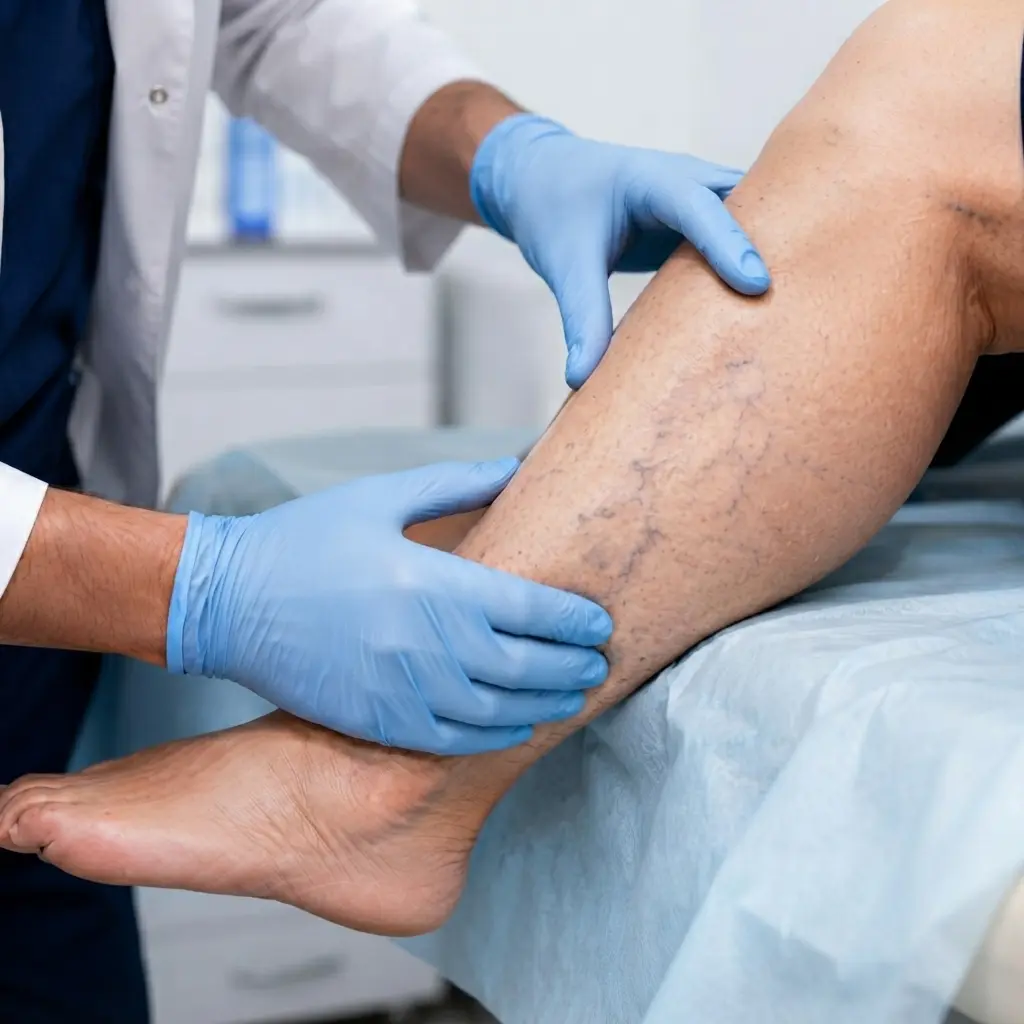
Varicose veins are enlarged and often twisted veins that commonly develop in the legs when blood does not flow efficiently back toward the heart.
They may cause visible veins, aching, heaviness, swelling, discomfort, itching, or other symptoms. Some patients may have varicose veins without significant symptoms.
Varicose Vein Evaluation
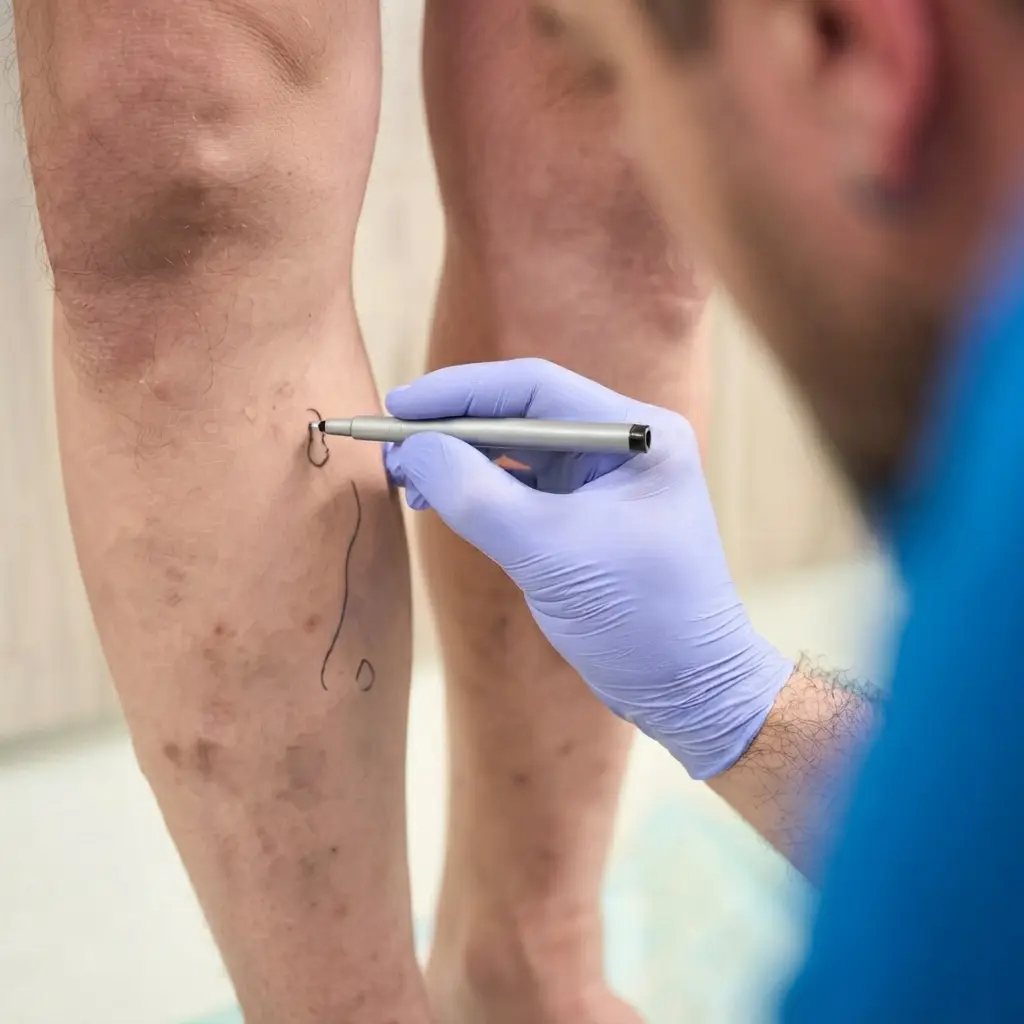
Assessment may include a review of symptoms, medical history, previous vein treatments, physical examination, and evaluation of the affected veins.
The vascular team may also assess circulation and look for signs of chronic venous disease or other underlying conditions.
Venous Ultrasound
Ultrasound imaging may be used to evaluate blood flow through the veins and identify abnormal or backward blood flow associated with venous insufficiency.
The findings can help determine the most appropriate treatment approach.
Chronic Venous Insufficiency
Varicose veins can be associated with chronic venous insufficiency, a condition in which blood has difficulty returning efficiently from the legs toward the heart.
Treatment planning may address both the visible veins and the underlying venous circulation problem when clinically appropriate.
Symptoms of Varicose Veins
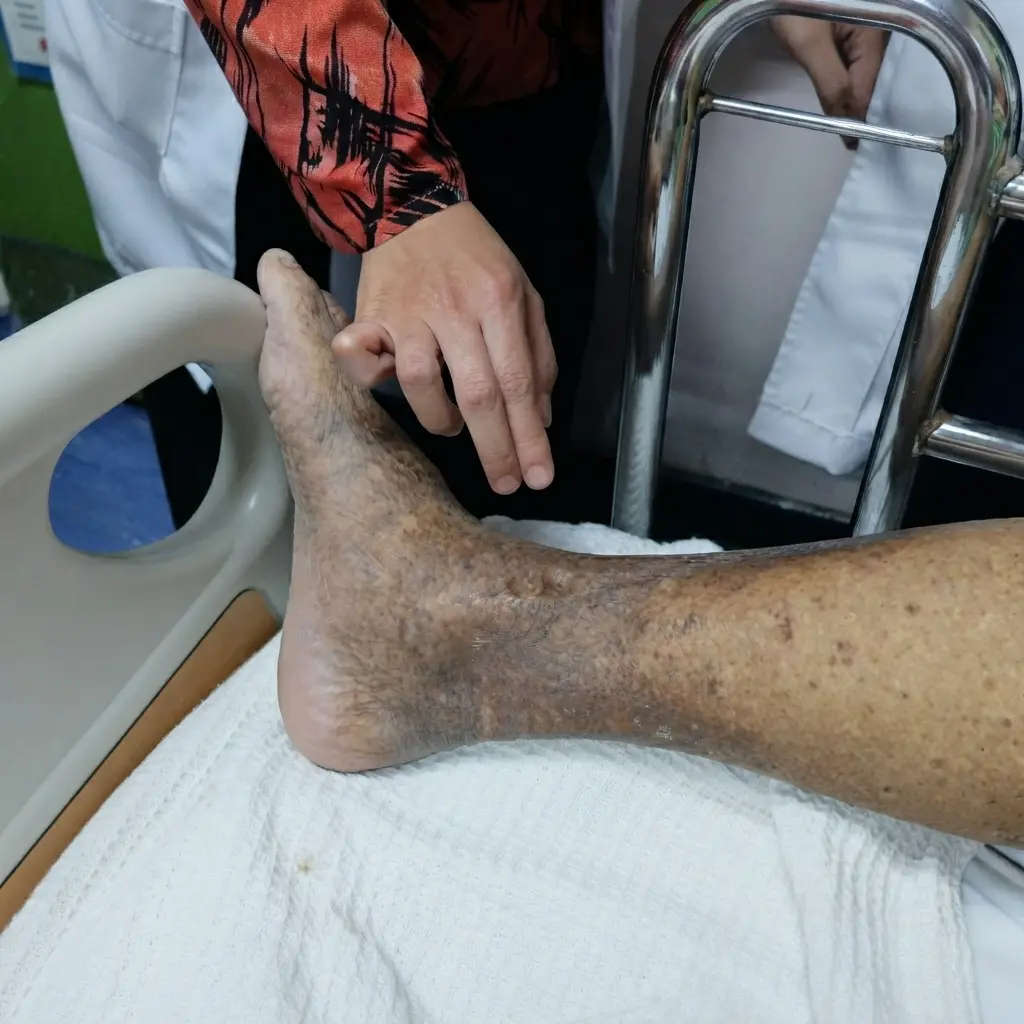
Patients may experience aching, heaviness, tiredness, swelling, itching, discomfort, or changes in the appearance of the skin around affected veins.
Symptoms may become more noticeable after prolonged standing or sitting.
Compression and Conservative Management
Some patients may benefit from conservative measures such as appropriate physical activity, leg elevation, compression therapy, and lifestyle adjustments.
Recommendations depend on the patient's venous condition, symptoms, circulation, and overall health.
Minimally Invasive Vein Treatment
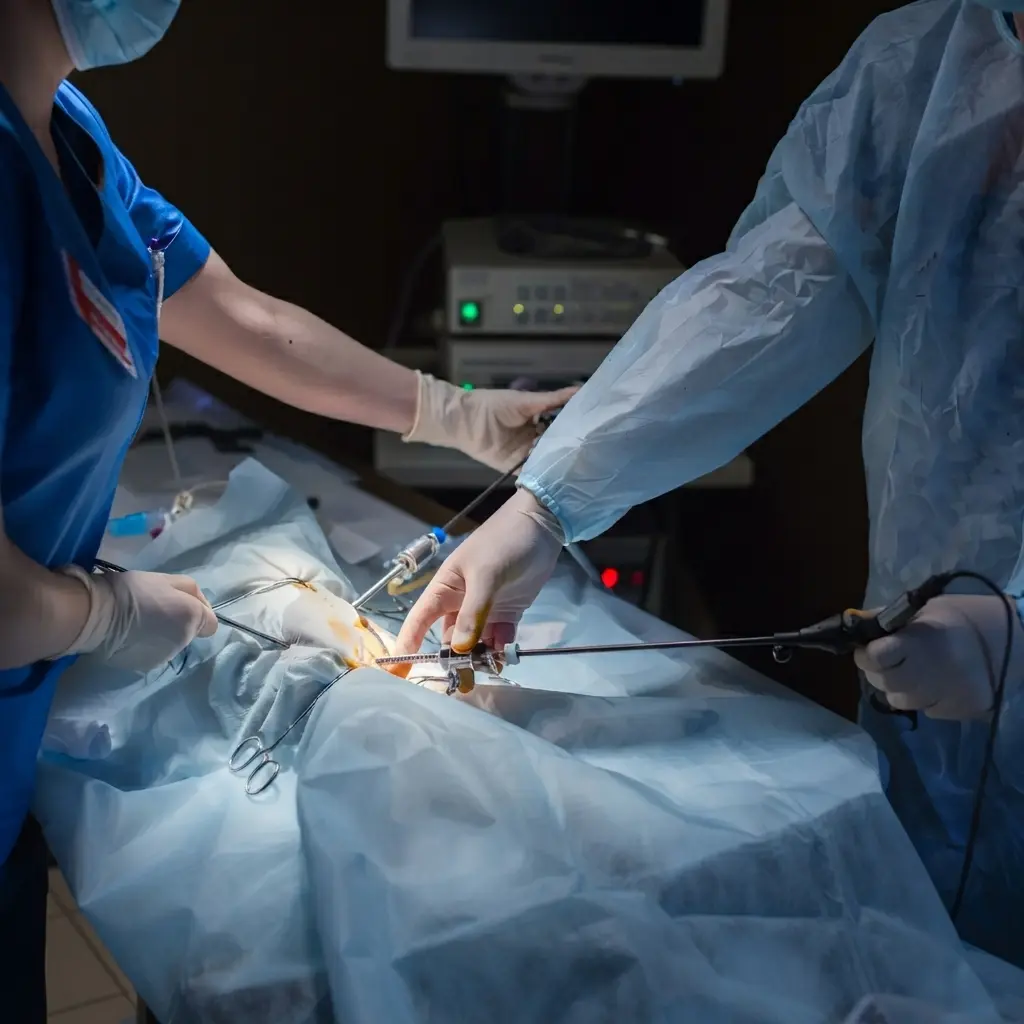
Selected patients may be evaluated for minimally invasive procedures designed to close or treat problematic veins.
The appropriate technique depends on the affected veins, ultrasound findings, symptoms, and individual treatment goals.
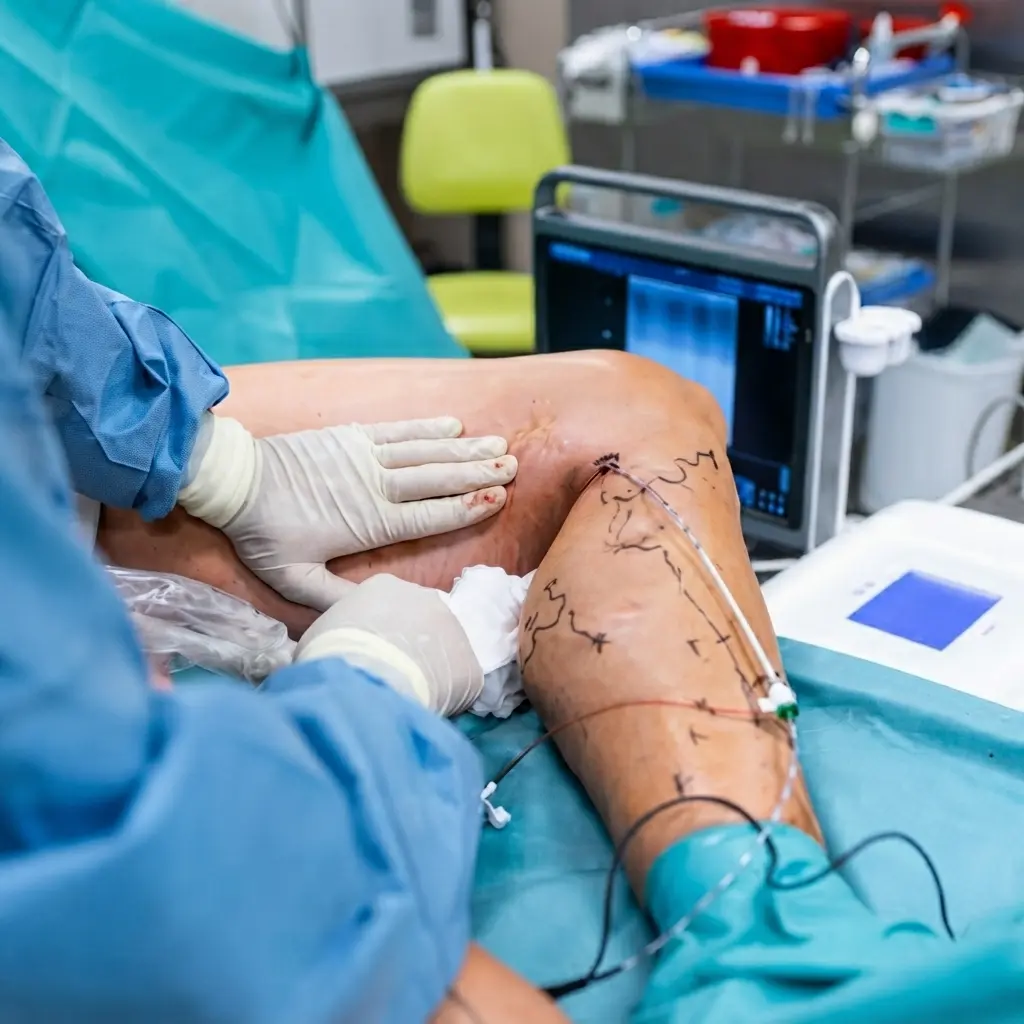
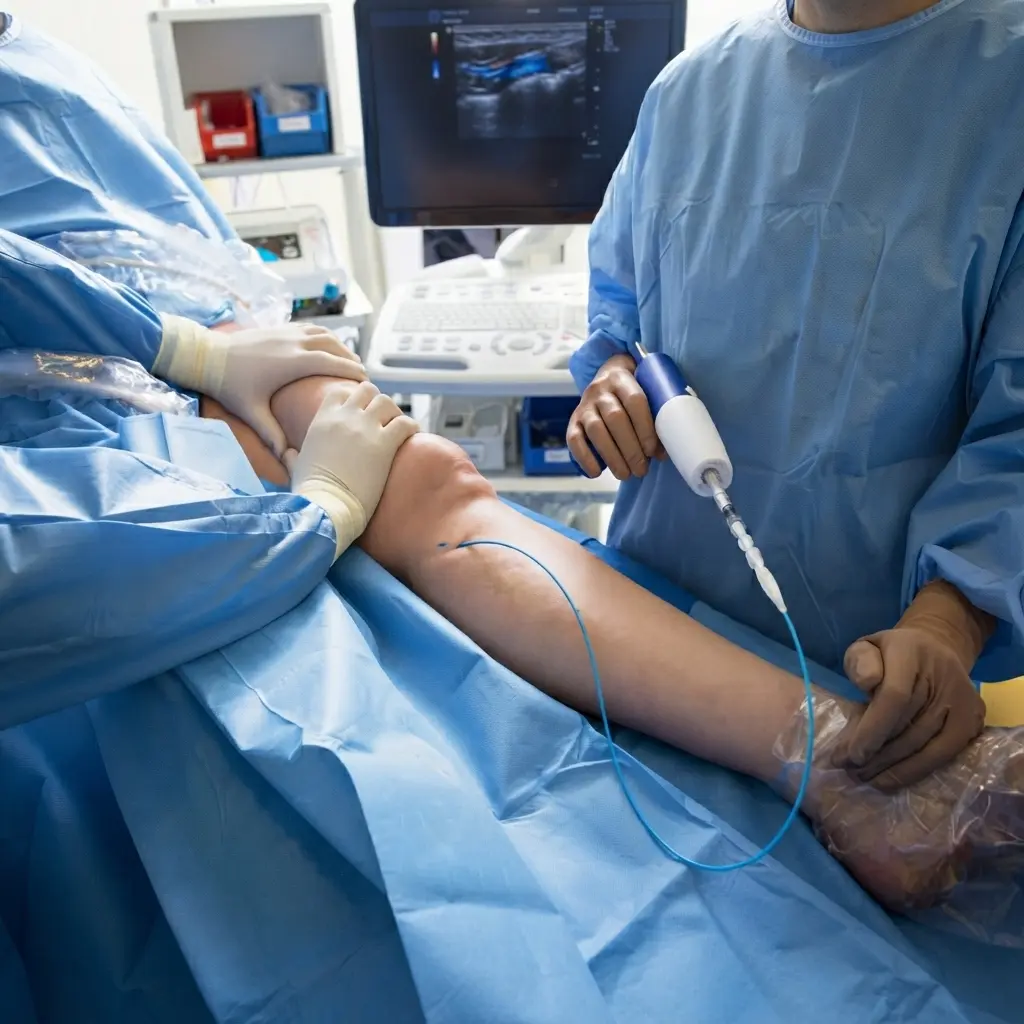
Endovenous Ablation
Endovenous ablation may be considered for selected patients with venous insufficiency.
The technique uses a catheter-based method to close an affected vein so that blood can be redirected through healthier veins. Suitability depends on the patient's venous anatomy and clinical findings.
Sclerotherapy
Sclerotherapy may be used in selected cases to treat certain smaller or superficial veins.
A medical solution is introduced into the targeted vein to encourage it to close. The suitability of this treatment depends on the type and size of the veins being treated.
Treatment of Complex Venous Disease
Some patients have more extensive venous disease, recurrent varicose veins, skin changes, or other complications requiring detailed vascular assessment.
Treatment may involve a combination of conservative, minimally invasive, or surgical approaches depending on the individual condition.
Recurrent Varicose Veins
Patients who have previously undergone treatment may develop recurrent or new varicose veins.
A specialist evaluation can help determine the underlying cause and identify an appropriate management strategy based on current venous anatomy and previous treatment history.
Individualized Treatment Planning
Varicose vein treatment is not the same for every patient. Treatment selection may depend on symptoms, vein anatomy, ultrasound findings, previous procedures, medical history, and treatment objectives.
The vascular team can discuss appropriate options following assessment.
Follow-Up and Monitoring
Patients may require follow-up after treatment to evaluate symptoms, healing, circulation, and treatment response.
Additional ultrasound or other assessments may be recommended when clinically appropriate.
Second Opinion
Patients who have received a recommendation for varicose vein treatment may seek a specialist second opinion regarding the diagnosis, treatment options, or suitability of a proposed procedure.
Previous ultrasound reports and treatment records may assist with further evaluation.
International Patient Care
International patients may be evaluated for varicose vein treatment subject to applicable eligibility, referral, appointment, and hospital requirements.
Previous ultrasound reports, medical records, medication lists, and information about prior vein procedures may be requested before treatment planning.
Benefits of Varicose Vein Treatment
Specialist evaluation of varicose veins
Assessment of underlying venous circulation
Venous ultrasound evaluation when appropriate
Individualized conservative treatment planning
Evaluation for minimally invasive vein procedures
Assessment for endovenous ablation
Consideration of sclerotherapy for selected veins
Management of recurrent or complex venous disease
Follow-up and monitoring after treatment
Why Choose Massachusetts General Hospital?
Massachusetts General Hospital provides specialist medical care within an academic healthcare environment, supporting the evaluation and management of venous and vascular conditions.
Patients with varicose veins may benefit from detailed vascular assessment, appropriate diagnostic imaging, individualized treatment planning, and specialist follow-up based on their condition.
Cost of Varicose Vein Treatment
The total cost depends on the severity of venous disease, diagnostic evaluation, treatment method, number of veins or treatment areas, procedure requirements, and follow-up care.
Because treatment needs vary between patients, this service is offered at Price on Request following appropriate medical assessment.
Frequently Asked Questions
What causes varicose veins?
Varicose veins can develop when blood does not flow efficiently through the veins of the legs, often because valves within the veins do not function properly.
How are varicose veins evaluated?
Evaluation may include medical history, physical examination, and venous ultrasound to assess blood flow and identify underlying venous insufficiency.
Can varicose veins be treated without surgery?
Yes. Depending on the condition, management may include compression therapy, lifestyle measures, minimally invasive procedures, or other treatments. The appropriate approach depends on individual findings.
What is endovenous ablation?
Endovenous ablation is a minimally invasive technique that uses a catheter-based method to close a problematic vein, allowing blood to flow through healthier veins.
Can international patients receive varicose vein treatment at Massachusetts General Hospital?
International patients may be evaluated subject to applicable eligibility, referral, appointment, and hospital requirements. Relevant medical records and venous imaging may be reviewed before treatment planning.
Product Details
Product Name: Varicose Vein Treatment at Massachusetts General Hospital
Hospital: Massachusetts General Hospital
Brand: Massachusetts General Hospital
Country: United States
Location: Boston, Massachusetts, USA
Specialty: Vascular Medicine & Surgery
Service Type: Varicose Vein Treatment
Customer-Facing Price: Price on Request
International Patients: Subject to applicable eligibility and appointment requirements
Related products
Frequently Bought Together
No frequently bought products found!
Products from this Seller
View All











Chemotherapy at Mayo Clinic

Immunotherapy at Mayo Clinic


Medical Tourism





Share with Friends
Trading is more effective when you share products with friends!Share you link
Share to