













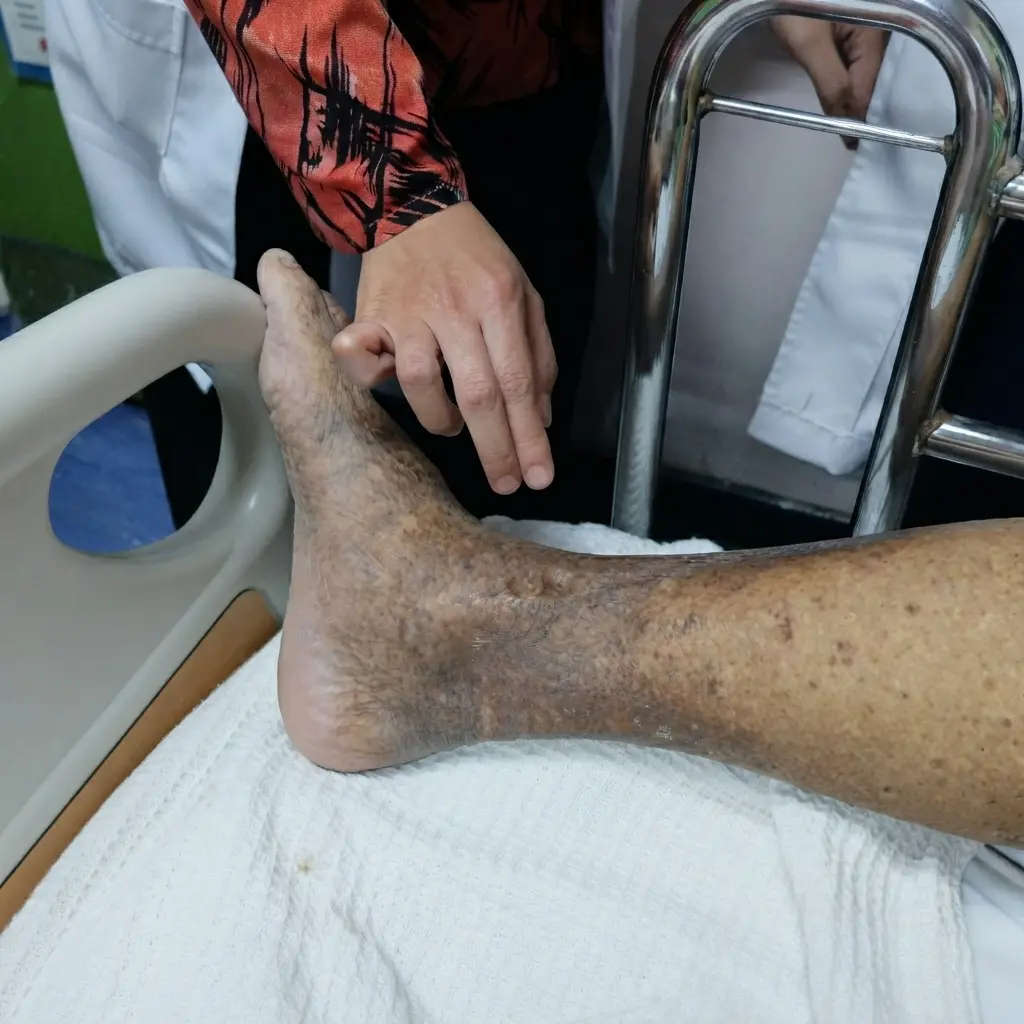
Peripheral Artery Disease Treatment at Massachusetts General Hospital
Peripheral Artery Disease Treatment at Massachusetts General Hospital
Peripheral Artery Disease Treatment at Massachusetts General Hospital provides specialist evaluation and treatment for patients with reduced blood flow to the arms or legs caused by narrowing or blockage of peripheral arteries. Treatment is selected according to the severity of arterial disease, symptoms, circulation, overall health, and individual treatment goals.
Price
Price on Request
Why Price on Request?
The cost of peripheral artery disease treatment depends on the patient's condition, diagnostic testing, treatment approach, procedure requirements, hospital care, medications, and follow-up needs. A personalized cost estimate can be provided after appropriate medical assessment and treatment planning.
Complete Description
What Is Peripheral Artery Disease?
Peripheral artery disease is a circulatory condition in which arteries supplying blood to the limbs become narrowed or blocked. It most commonly affects the legs and may cause reduced blood flow during activity or, in more advanced cases, even at rest.
Specialist vascular assessment can help determine the severity of the condition and identify the most appropriate treatment approach.
Peripheral Artery Disease Evaluation
Assessment may include a review of symptoms, medical history, cardiovascular risk factors, physical examination, and vascular testing. Depending on the clinical situation, additional imaging may be recommended to identify the location and extent of arterial narrowing or blockage.
Symptoms of Peripheral Artery Disease
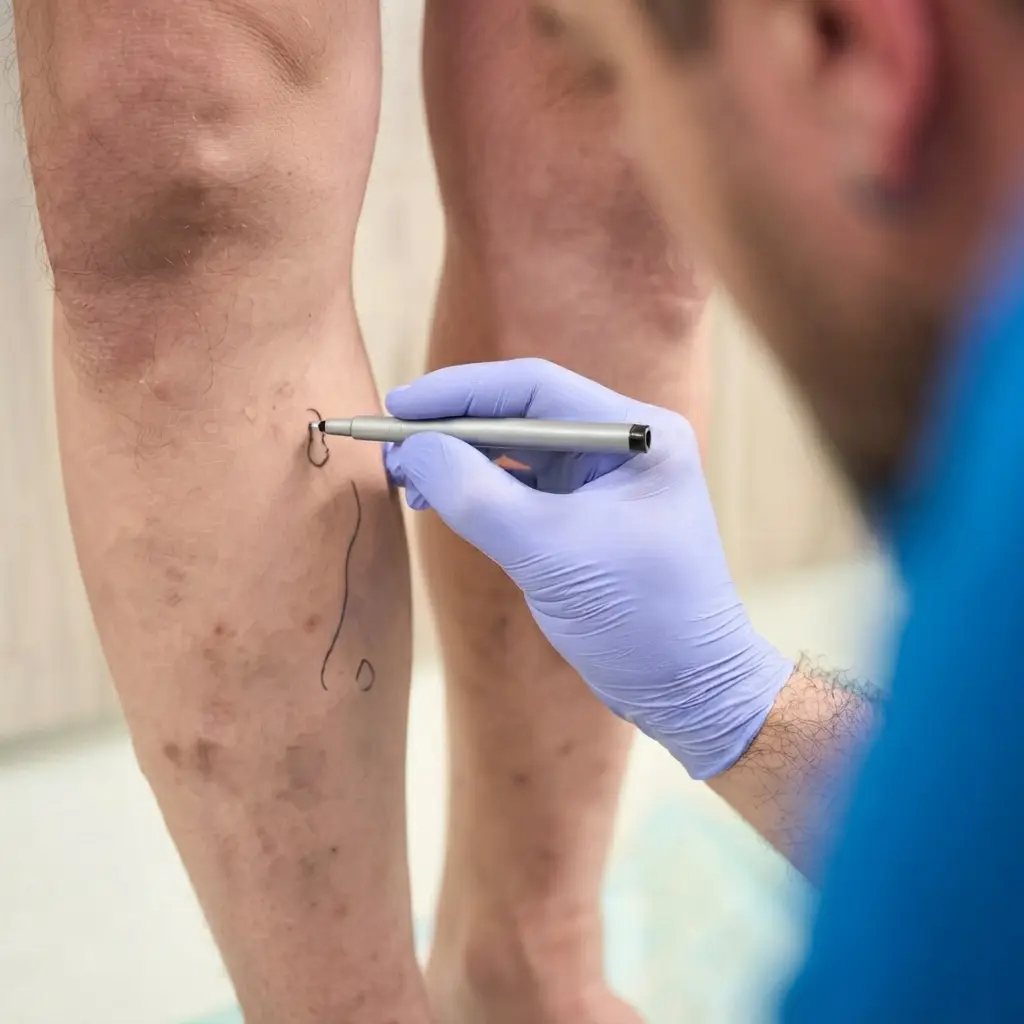
Patients may experience symptoms such as leg pain or cramping during walking, reduced walking tolerance, numbness, weakness, coldness in the affected limb, or changes in skin appearance.
More severe disease may be associated with persistent pain, wounds that heal slowly, or other signs of significantly reduced circulation.
Medical Management
Depending on the severity of peripheral artery disease, treatment may include medications and management of underlying cardiovascular risk factors. Blood pressure, cholesterol, diabetes, smoking status, physical activity, and other factors may be addressed as part of an individualized treatment plan.
Lifestyle and Exercise Management
Appropriate physical activity and supervised exercise strategies may be recommended for selected patients to support mobility and circulation.
Lifestyle recommendations are tailored according to the patient's overall health, symptoms, functional ability, and treatment plan.
Endovascular Treatment
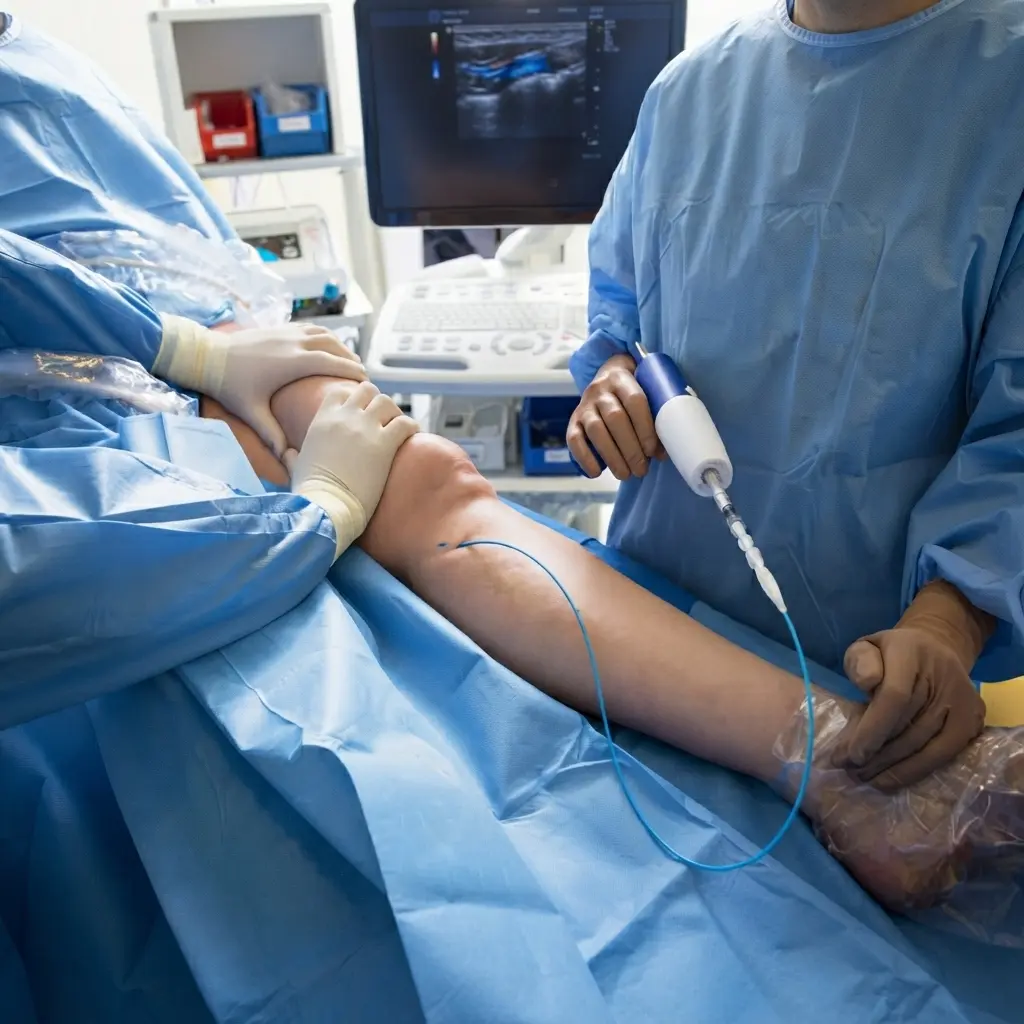
Patients with significant arterial narrowing or blockage may be evaluated for minimally invasive endovascular treatment when clinically appropriate.
Depending on the location and characteristics of the disease, procedures may involve techniques designed to improve blood flow through the affected artery.
Angioplasty and Stent Treatment
In selected cases, angioplasty may be used to widen a narrowed artery and improve circulation. A stent may also be considered when appropriate to help maintain blood flow through a treated arterial segment.
The suitability of these procedures depends on the patient's vascular anatomy and clinical condition.
Peripheral Vascular Surgery
When less invasive treatment is not suitable or sufficient, surgical treatment may be considered for selected patients with significant arterial disease.
The surgical approach depends on the location and severity of the blockage and the patient's overall medical condition.
Advanced Peripheral Arterial Disease
Patients with severe peripheral artery disease may require urgent specialist evaluation, particularly when there is persistent pain, tissue damage, non-healing wounds, or other evidence of critically reduced blood flow.
Treatment aims to improve circulation and protect the affected limb when medically appropriate.
Diabetes and Peripheral Artery Disease
Diabetes can increase the risk of peripheral artery disease and may contribute to complications involving circulation and wound healing.
Patients with diabetes may require coordinated management of blood glucose, cardiovascular risk factors, vascular disease, and foot or wound-related concerns.
Vascular Imaging
Depending on the patient's condition, vascular specialists may use diagnostic tests to evaluate blood flow and identify arterial narrowing or blockage.
The selected imaging method depends on the symptoms, suspected location of disease, previous test results, and treatment planning requirements.
Individualized Treatment Planning
Treatment is selected according to the severity and location of arterial disease, symptoms, functional limitations, medical history, previous treatments, and overall cardiovascular health.
Some patients may be managed with medication and lifestyle measures, while others may require an endovascular procedure or vascular surgery.
Follow-Up and Monitoring
Patients receiving treatment for peripheral artery disease may require ongoing monitoring of symptoms, circulation, cardiovascular risk factors, medication use, and treatment response.
Follow-up recommendations depend on the patient's condition and the treatment provided.
Second Opinion
Patients who have received a recommendation for vascular intervention may seek a specialist second opinion regarding the diagnosis, severity of disease, treatment options, or suitability for a particular procedure.
A review of previous vascular imaging, laboratory results, medical records, and treatment history may assist with further assessment.
International Patient Care
International patients may undergo specialist evaluation for peripheral artery disease subject to applicable eligibility, referral, appointment, and hospital requirements.
Previous vascular reports, imaging studies, medication lists, medical history, and other relevant records may be requested before treatment planning.
Benefits of Peripheral Artery Disease Treatment
Specialist assessment of peripheral arterial circulation
Evaluation of symptoms and arterial disease severity
Identification of cardiovascular risk factors
Individualized medical and lifestyle management
Evaluation for endovascular treatment when appropriate
Assessment for vascular surgery when clinically indicated
Management of advanced circulation problems
Ongoing vascular monitoring and follow-up
Coordinated care for complex vascular conditions
Why Choose Massachusetts General Hospital?
Massachusetts General Hospital provides specialist medical care within an academic healthcare environment, supporting evaluation and management of complex vascular conditions.
Patients with peripheral artery disease may benefit from coordinated assessment involving vascular specialists and other healthcare professionals when additional cardiovascular or medical care is required.
Cost of Peripheral Artery Disease Treatment
The total cost depends on the diagnostic evaluation, severity of arterial disease, selected treatment, hospital services, medications, procedure requirements, and follow-up care.
Because treatment requirements differ between patients, this service is offered at Price on Request following appropriate medical assessment.
Frequently Asked Questions
What is peripheral artery disease?
Peripheral artery disease is a condition in which arteries supplying blood to the limbs become narrowed or blocked, potentially reducing circulation to the affected area.
What symptoms may indicate peripheral artery disease?
Symptoms may include leg pain or cramping during walking, reduced walking ability, numbness, weakness, coldness, skin changes, or wounds that heal slowly.
Can peripheral artery disease be treated without surgery?
Some patients may be managed with medication, exercise, lifestyle changes, and treatment of cardiovascular risk factors. The appropriate approach depends on the severity and characteristics of the disease.
When may an endovascular procedure be considered?
Endovascular treatment may be considered for selected patients with significant arterial narrowing or blockage when improving blood flow through a minimally invasive procedure is clinically appropriate.
Can international patients receive peripheral artery disease treatment at Massachusetts General Hospital?
International patients may be evaluated subject to applicable eligibility, referral, appointment, and hospital requirements. Relevant medical records and vascular investigations may be reviewed as part of the treatment planning process.
Product Details
Product Name: Peripheral Artery Disease Treatment at Massachusetts General Hospital
Hospital: Massachusetts General Hospital
Brand: Massachusetts General Hospital
Country: United States
Location: Boston, Massachusetts, USA
Specialty: Vascular Medicine & Surgery
Service Type: Peripheral Artery Disease Treatment
Customer-Facing Price: Price on Request
International Patients: Subject to applicable eligibility and appointment requirements
Related products


Frequently Bought Together
No frequently bought products found!
Products from this Seller
View All












Chemotherapy at Mayo Clinic

Immunotherapy at Mayo Clinic



Medical Tourism





Share with Friends
Trading is more effective when you share products with friends!Share you link
Share to