














Bone Health Assessment at Karolinska University Hospital
Bone Health Assessment at Karolinska University Hospital provides specialist evaluation of bone strength, bone mineral density, fracture risk, calcium and vitamin D status, and other factors that may affect skeletal health. Assessment is individualized according to the patient's age, medical history, risk factors, symptoms, laboratory findings, and previous fractures.
Price
Price on Request
Why Price on Request?
The cost of bone health assessment varies depending on the required laboratory tests, bone density assessment, specialist consultation, imaging, medical history, and follow-up requirements. A personalized cost estimate can be provided after appropriate medical assessment.
Complete Description
Comprehensive Bone Health Evaluation
Bone health can be affected by aging, hormonal changes, nutritional factors, medications, chronic medical conditions, and previous fractures. Specialist assessment helps identify factors that may contribute to reduced bone strength or increased fracture risk.
Bone Mineral Density Assessment
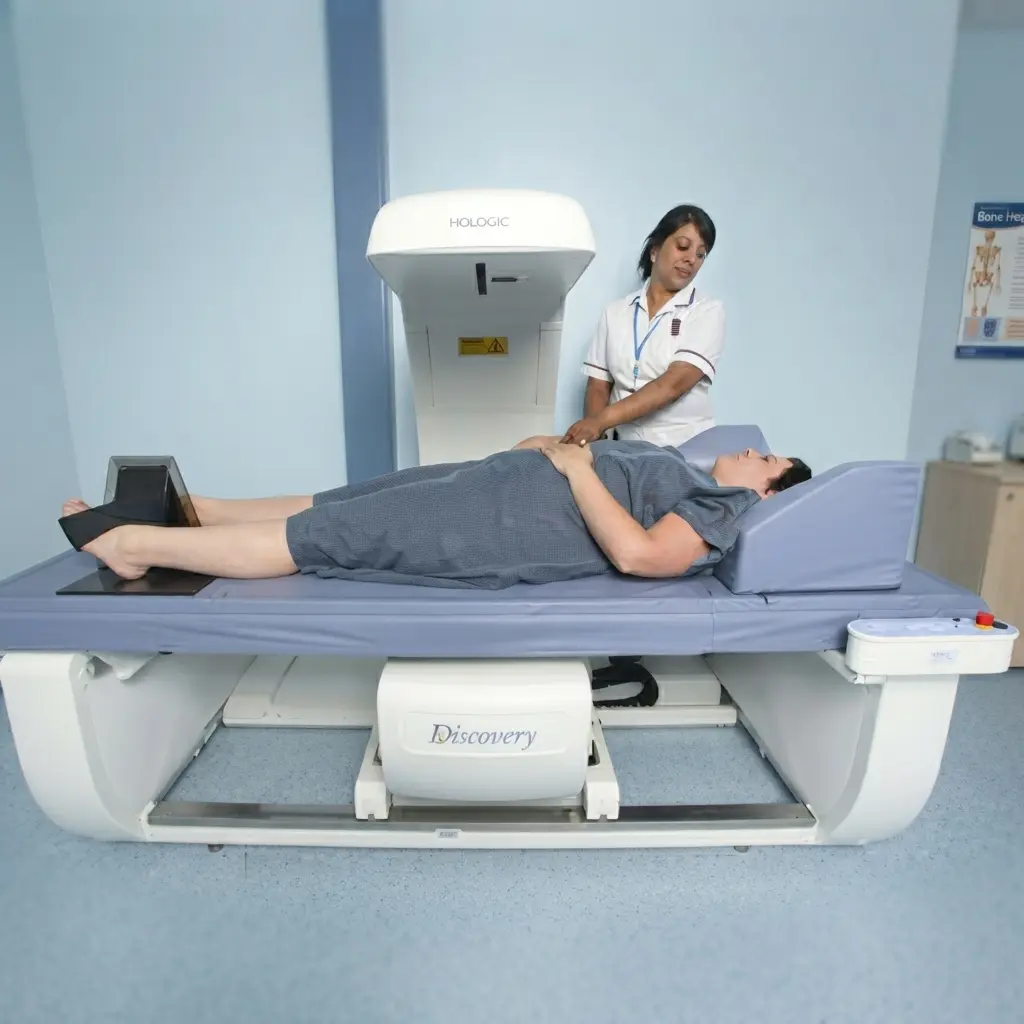
Bone mineral density testing may be recommended to evaluate bone strength and identify reduced bone density. Results can help the medical team assess fracture risk and determine whether further management is appropriate.
Osteoporosis Assessment
Patients with suspected or established osteoporosis may receive specialist evaluation of bone density, fracture history, risk factors, medications, and other relevant clinical information.
Osteopenia Evaluation
Reduced bone density that does not meet the criteria for osteoporosis may be classified as osteopenia. Specialist assessment can help determine the patient's overall fracture risk and whether monitoring or treatment should be considered.
Fracture Risk Assessment
Previous fractures, age, family history, medication use, body weight, and other factors may influence fracture risk. A comprehensive assessment can help identify patients who may require closer monitoring or preventive management.
Calcium and Vitamin D Assessment
Calcium and vitamin D are important for maintaining normal bone health. Laboratory testing may be recommended when nutritional deficiency, abnormal calcium levels, or other metabolic factors are suspected.
Hormonal Factors and Bone Health
Hormonal changes can influence bone density. Depending on the patient's condition, evaluation may consider thyroid, parathyroid, reproductive, or other hormonal factors that may affect skeletal health.
Medication-Related Bone Loss
Certain long-term medications can affect bone density or fracture risk. The medical team may review current and previous medications when assessing bone health.
Bone Health in Menopause
Hormonal changes associated with menopause can contribute to loss of bone density. Appropriate assessment may help determine whether additional testing, monitoring, or preventive measures are required.
Bone Health in Older Adults
Age-related changes can increase the risk of reduced bone density and fractures. Assessment may consider bone density, mobility, previous fractures, nutritional status, medications, and other individual risk factors.
Nutrition and Lifestyle Assessment
Adequate nutrition, physical activity, healthy body weight, and other lifestyle factors contribute to skeletal health. Individualized recommendations may be provided according to the patient's needs.
Laboratory Evaluation
Depending on the clinical situation, laboratory testing may include calcium, vitamin D, kidney function, thyroid-related tests, parathyroid hormone, and other markers relevant to bone metabolism.
Imaging and Additional Assessment
Additional imaging may be recommended when there is a history of fracture, unexplained bone pain, suspected structural abnormalities, or another clinical reason for further investigation.
Individualized Bone Health Planning
The assessment results can be used to develop an individualized plan that may include monitoring, lifestyle recommendations, nutritional guidance, medication review, treatment, or additional specialist evaluation.
Long-Term Monitoring
Patients with reduced bone density or increased fracture risk may require periodic reassessment. Follow-up can help monitor changes in bone health and evaluate response to treatment when applicable.
Second Opinion
Patients with osteoporosis, unexplained bone loss, recurrent fractures, or questions about an existing treatment plan may seek specialist review of bone density results, laboratory findings, medical history, and previous recommendations.
International Patient Care
International patients may require review of previous bone density reports, fracture history, laboratory results, imaging, medication lists, and medical records before traveling for specialist bone health assessment.
International treatment arrangements are subject to applicable eligibility, referral, appointment, and hospital requirements.
Benefits of Bone Health Assessment
Potential benefits of specialist bone health assessment include:
Evaluation of bone mineral density
Assessment of osteoporosis and osteopenia
Evaluation of fracture risk
Review of calcium and vitamin D status
Assessment of hormonal factors affecting bone health
Review of medications associated with bone loss
Evaluation of previous fractures
Individualized lifestyle and treatment planning
Monitoring of bone health over time
Specialist assessment of complex skeletal health concerns
Why Choose Karolinska University Hospital?
Karolinska University Hospital provides specialist endocrinology and metabolic care within an academic healthcare environment. Patients with complex bone health concerns may benefit from coordinated assessment involving endocrinology, laboratory medicine, imaging, and other relevant specialties.
Cost of Bone Health Assessment
The overall cost depends on the required bone density testing, laboratory investigations, imaging, specialist consultation, and follow-up care.
Because assessment requirements differ between patients, the service is offered at Price on Request following appropriate medical review.
Frequently Asked Questions
What does a bone health assessment include?
Depending on the patient's needs, assessment may include medical history review, fracture risk evaluation, bone mineral density testing, laboratory investigations, medication review, and other diagnostic assessments.
Who may benefit from a bone health assessment?
Assessment may be appropriate for patients with suspected osteoporosis, reduced bone density, previous fractures, certain hormonal conditions, long-term medication use, or other factors associated with increased fracture risk.
Is bone density testing part of bone health assessment?
Bone mineral density testing may be recommended when clinically appropriate. It provides information about bone density and can contribute to fracture risk assessment.
Can hormonal disorders affect bone health?
Yes. Certain hormonal disorders can influence bone metabolism and bone density. Specialist evaluation may help identify hormonal factors contributing to skeletal health concerns.
Can international patients receive bone health assessment at Karolinska University Hospital?
International patients may be considered subject to applicable eligibility, referral, appointment, and hospital requirements. Previous bone density reports, laboratory results, and medical records may need to be reviewed before care is arranged.
Product Details
Product Name: Bone Health Assessment at Karolinska University Hospital
Hospital: Karolinska University Hospital
Brand: Karolinska University Hospital
Country: Sweden
Location: Stockholm, Sweden
Specialty: Endocrinology & Diabetes
Service Type: Bone Health Assessment
Customer-Facing Price: Price on Request
International Patients: Subject to applicable eligibility and appointment requirements
Related products






Frequently Bought Together
No frequently bought products found!
Products from this Seller
View All











Chemotherapy at Mayo Clinic

Immunotherapy at Mayo Clinic

Medical Tourism





Share with Friends
Trading is more effective when you share products with friends!Share you link
Share to