













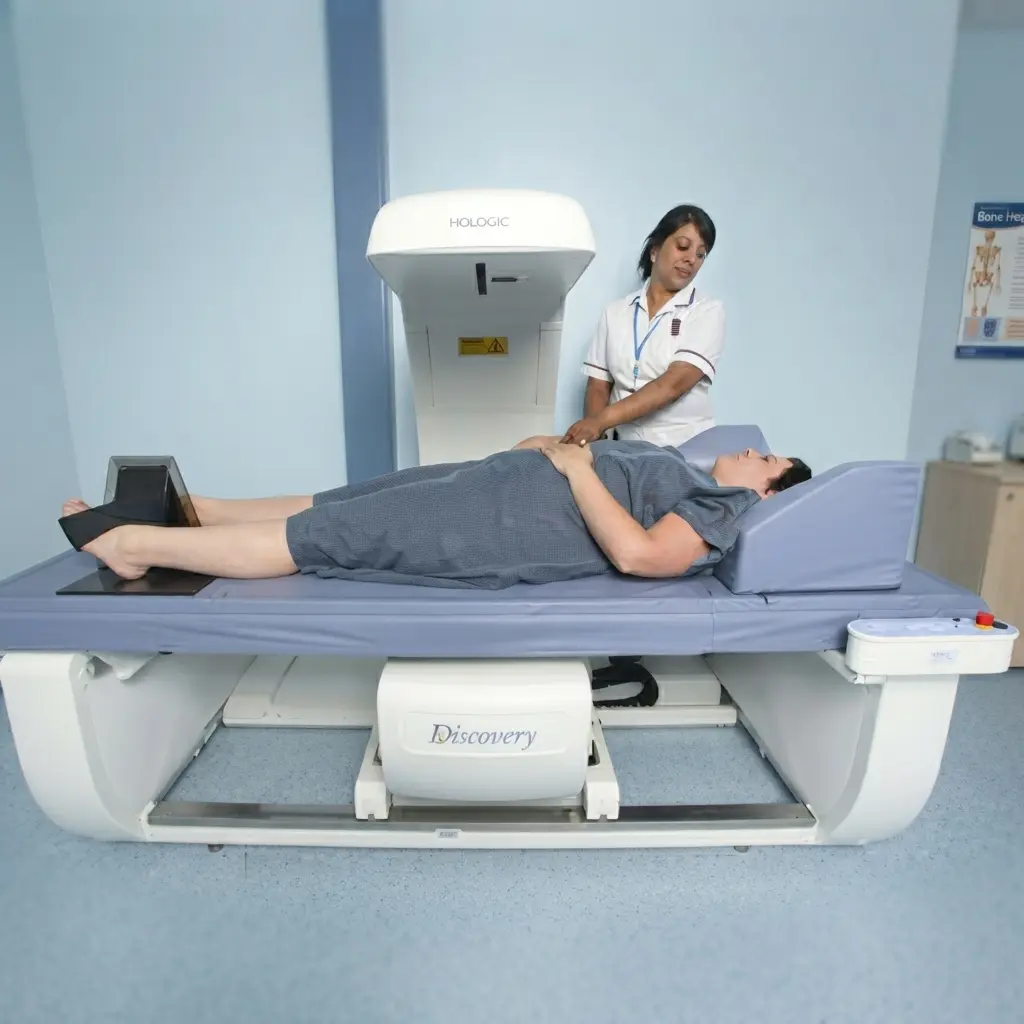
DXA Bone Density Scan at Karolinska University Hospital
DXA Bone Density Scan at Karolinska University Hospital is a specialized imaging assessment used to measure bone mineral density and support evaluation of bone health. The scan may be recommended for patients with suspected osteoporosis, reduced bone density, previous fractures, or other factors associated with increased risk of bone loss.
Price
Price on Request
Why Price on Request?
The cost of a DXA bone density scan varies depending on the areas being examined, specialist assessment requirements, additional laboratory testing, imaging needs, and follow-up care. A personalized cost estimate can be provided after appropriate medical assessment.
Complete Description
What Is a DXA Bone Density Scan?
DXA, or dual-energy X-ray absorptiometry, is a commonly used imaging technique for measuring bone mineral density. The results can help healthcare professionals evaluate bone strength and assess the likelihood of osteoporosis or increased fracture risk.
Bone Mineral Density Measurement
The scan measures bone mineral density at selected areas of the skeleton. The results may be compared with established reference values to help assess bone density.
Osteoporosis Assessment
A DXA scan may be used as part of an evaluation for osteoporosis. The results can contribute to decisions about monitoring, lifestyle measures, or treatment when considered alongside other clinical information.
Osteopenia Assessment
A DXA scan can identify reduced bone density that may fall within the osteopenia range. The healthcare team may consider the result together with age, medical history, fracture history, and other risk factors.
Fracture Risk Evaluation
Bone density is one factor used when assessing fracture risk. The medical team may combine DXA results with other clinical information to determine an individual's overall risk.
Hip and Spine Assessment
DXA commonly evaluates bone density at areas such as the hip and lower spine. The specific areas scanned depend on the clinical reason for the examination and the available medical assessment.
Monitoring Bone Density
Patients with known low bone density or those receiving treatment for osteoporosis may undergo repeat DXA scans when clinically appropriate. Follow-up testing can help assess changes in bone density over time.
Bone Health in Menopause
Bone loss can increase around and after menopause due to hormonal changes. A DXA scan may be recommended for selected patients based on their individual risk factors and clinical assessment.
Bone Health in Older Adults
Age is an important risk factor for osteoporosis and fractures. DXA testing may be considered as part of bone health assessment for older adults when clinically indicated.
Medication-Related Bone Loss
Certain medications may increase the risk of reduced bone density. Patients taking long-term medicines associated with bone loss may be assessed for DXA testing according to their individual risk profile.
Previous Fracture Assessment
A history of certain fractures may increase concern about underlying bone weakness. DXA testing may be recommended to assess bone mineral density following appropriate clinical evaluation.
Preparation for the Scan
Patients may receive instructions before the examination depending on their medical history and previous imaging. The healthcare team can provide specific preparation guidance when the scan is scheduled.
Review of DXA Results
DXA results are interpreted together with the patient's age, medical history, fracture history, risk factors, and other relevant clinical information. A specialist may recommend additional testing or management based on the findings.
Individualized Follow-Up
Follow-up depends on the scan results and the patient's overall risk profile. Some patients may require monitoring, lifestyle recommendations, nutritional assessment, medication review, or additional treatment.
International Patient Care
International patients may require review of previous bone density reports, fracture history, medical records, medications, and relevant laboratory results before traveling for specialist assessment.
International treatment arrangements are subject to applicable eligibility, referral, appointment, and hospital requirements.
Benefits of DXA Bone Density Scan
Potential benefits of DXA bone density assessment include:
Measurement of bone mineral density
Support for osteoporosis assessment
Identification of reduced bone density
Contribution to fracture risk evaluation
Assessment of hip and spine bone density when appropriate
Monitoring of bone density over time
Support for treatment planning
Evaluation of selected medication-related bone loss
Assessment following certain fractures
Objective information for specialist bone health management
Why Choose Karolinska University Hospital?
Karolinska University Hospital provides specialist diagnostic and medical services within an academic healthcare environment. Patients undergoing bone density assessment may benefit from coordinated evaluation involving imaging, endocrinology, laboratory medicine, and other relevant specialties when required.
Cost of DXA Bone Density Scan
The overall cost depends on the scan requirements, areas being assessed, specialist consultation, additional investigations, and follow-up needs.
Because diagnostic requirements differ between patients, the service is offered at Price on Request following appropriate medical review.
Frequently Asked Questions
What does a DXA bone density scan measure?
A DXA scan measures bone mineral density at selected areas of the skeleton, commonly including the hip and lower spine.
Why is a DXA scan performed?
A DXA scan may be used to assess bone density, support osteoporosis or osteopenia evaluation, and contribute to assessment of fracture risk.
Can a DXA scan monitor osteoporosis treatment?
Yes. Repeat DXA testing may be used in selected patients to monitor changes in bone density over time and assess treatment response when clinically appropriate.
Is DXA testing recommended for everyone?
No. The need for DXA testing depends on factors such as age, fracture history, medical conditions, medication use, hormonal factors, and individual osteoporosis risk.
Can international patients receive a DXA bone density scan at Karolinska University Hospital?
International patients may be considered subject to applicable eligibility, referral, appointment, and hospital requirements. Relevant medical records and previous bone density results may need to be reviewed before the assessment is arranged.
Product Details
Product Name: DXA Bone Density Scan at Karolinska University Hospital
Hospital: Karolinska University Hospital
Brand: Karolinska University Hospital
Country: Sweden
Location: Stockholm, Sweden
Specialty: Endocrinology & Diabetes
Service Type: DXA Bone Density Scan
Customer-Facing Price: Price on Request
International Patients: Subject to applicable eligibility and appointment requirements
Related products









Frequently Bought Together
No frequently bought products found!
Products from this Seller
View All










Chemotherapy at Mayo Clinic

Immunotherapy at Mayo Clinic



Medical Tourism





Share with Friends
Trading is more effective when you share products with friends!Share you link
Share to