














Hormonal Disorder Evaluation at Karolinska University Hospital
Hormonal Disorder Evaluation at Karolinska University Hospital provides specialist assessment for patients with symptoms or laboratory findings that may indicate hormonal or endocrine disorders. The evaluation focuses on identifying possible hormonal imbalances, understanding their underlying causes, and developing an appropriate diagnostic and management plan based on the patient's individual condition.
Price
Price on Request
Why Price on Request?
The cost of hormonal disorder evaluation varies depending on the symptoms, suspected condition, laboratory testing, imaging requirements, specialist consultations, and follow-up needs. A personalized cost estimate can be provided after appropriate medical assessment.
Complete Description
Comprehensive Hormonal Assessment
Hormonal disorders can affect multiple body systems and may present with symptoms that are difficult to identify without specialist evaluation. The endocrinology team may assess symptoms, medical history, medications, laboratory results, and other relevant factors to determine whether an endocrine disorder may be present.
Hormone Level Testing
Blood and other laboratory tests may be used to assess hormone levels and related metabolic markers. The specific tests depend on the patient's symptoms and the suspected hormonal condition.
Thyroid Hormone Assessment
Thyroid hormones influence metabolism, energy levels, heart function, temperature regulation, and other body processes. Evaluation may be recommended when symptoms or laboratory findings suggest possible thyroid dysfunction.
Adrenal Hormone Evaluation
The adrenal glands produce hormones involved in blood pressure regulation, metabolism, and the body's response to stress. Specialist assessment may be considered when symptoms or test results suggest an adrenal hormone disorder.
Pituitary Hormone Evaluation
The pituitary gland regulates several important hormonal functions. Evaluation may include assessment of hormones controlled by or produced in relation to the pituitary gland when clinically indicated.
Reproductive Hormone Assessment
Hormonal changes can affect reproductive health, menstrual cycles, fertility, sexual function, and other aspects of health. Depending on the patient's circumstances, evaluation may include assessment of relevant reproductive hormones.
Growth Hormone Disorders
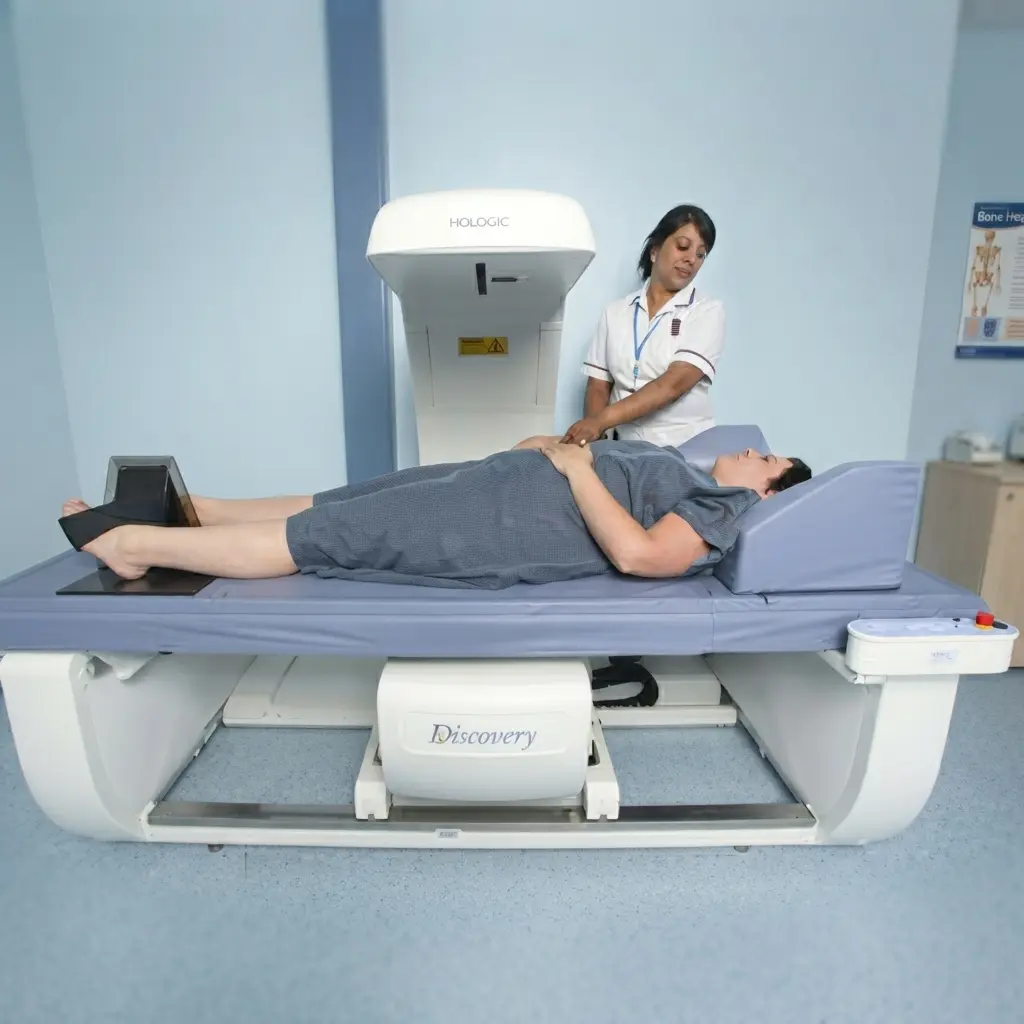
Abnormal growth hormone activity can affect body composition, growth, metabolism, and bone health. Specialist evaluation may be considered when symptoms or laboratory findings suggest a possible growth hormone disorder.
Calcium and Parathyroid Hormone Assessment
The parathyroid glands help regulate calcium levels in the body. Evaluation may be recommended when calcium or related laboratory results are abnormal or when symptoms suggest a possible parathyroid disorder.
Hormonal Causes of Weight Changes
Unexpected weight gain or weight loss can sometimes be associated with endocrine disorders. The specialist may evaluate hormonal causes when the clinical history and examination suggest that further endocrine investigation is appropriate.
Hormonal Causes of Fatigue
Persistent fatigue can have many possible causes. When an endocrine disorder is suspected, hormonal testing and specialist assessment may help determine whether abnormal hormone function is contributing to symptoms.
Menstrual and Hormonal Changes
Changes in menstrual cycles or other reproductive symptoms may sometimes be associated with hormonal disorders. Specialist assessment can help determine whether endocrine testing or additional evaluation is appropriate.
Metabolic Assessment
Hormones play an important role in metabolism and energy regulation. The evaluation may include assessment of glucose regulation, lipid levels, body weight, and other metabolic factors according to the patient's condition.
Medication Review
Certain medications can influence hormone levels or produce symptoms that resemble hormonal disorders. The endocrinology team may review prescription medicines, supplements, and previous treatments as part of the assessment.
Imaging and Additional Investigations
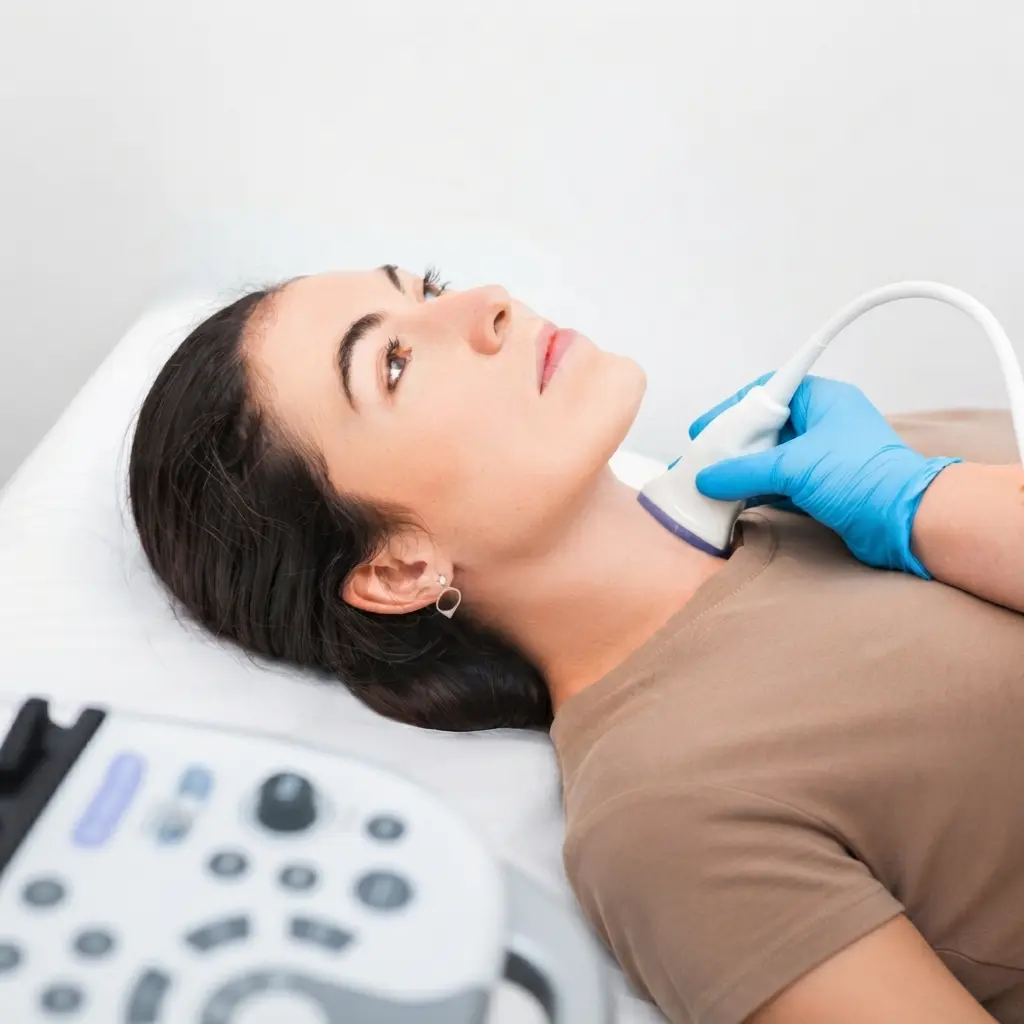
When clinically indicated, imaging or additional diagnostic investigations may be recommended to identify structural abnormalities affecting endocrine glands or related organs.
Interpretation of Previous Test Results
Patients may benefit from bringing previous hormone tests, imaging reports, medical records, medication lists, and specialist assessments. Reviewing historical results can help the medical team understand changes over time.
Individualized Diagnostic Planning
Hormonal disorders can vary considerably between patients. The diagnostic approach is selected according to the patient's symptoms, medical history, examination findings, laboratory results, and suspected endocrine condition.
Second Opinion
Patients who have received an endocrine diagnosis or have unexplained hormonal test abnormalities may seek a specialist second opinion. A detailed review can help clarify the diagnosis and determine whether additional testing or alternative management approaches should be considered.
International Patient Care
International patients may require review of previous laboratory results, hormone tests, imaging studies, medical records, medication information, and treatment history before traveling for specialist endocrine assessment.
International treatment arrangements are subject to applicable eligibility, referral, appointment, and hospital requirements.
Benefits of Hormonal Disorder Evaluation
Potential benefits of specialist hormonal disorder evaluation include:
Comprehensive assessment of suspected hormonal imbalances
Specialist interpretation of hormone laboratory results
Evaluation of thyroid, adrenal, pituitary, and reproductive hormones
Assessment of metabolic and endocrine-related symptoms
Review of medications that may affect hormone levels
Identification of possible underlying endocrine conditions
Individualized diagnostic planning
Appropriate recommendations for additional testing
Specialist second-opinion assessment
Coordinated follow-up when further treatment is required
Why Choose Karolinska University Hospital?
Karolinska University Hospital provides specialist endocrinology care within an academic healthcare environment. Patients with complex, unexplained, or difficult-to-diagnose hormonal conditions may benefit from coordinated assessment involving endocrinology, laboratory services, imaging, and other relevant specialties.
Cost of Hormonal Disorder Evaluation
The overall cost depends on the complexity of the suspected hormonal condition, laboratory investigations, imaging, specialist assessments, and follow-up requirements.
Because diagnostic needs differ between patients, the service is offered at Price on Request following appropriate medical review.
Frequently Asked Questions
What is a hormonal disorder evaluation?
A hormonal disorder evaluation is a specialist assessment used to investigate symptoms, abnormal laboratory results, or other findings that may be associated with endocrine or hormonal conditions.
What hormones may be evaluated?
Depending on the patient's symptoms, evaluation may include thyroid, adrenal, pituitary, reproductive, growth, parathyroid, and other hormones.
Can hormonal disorders cause weight changes or fatigue?
Some endocrine conditions can contribute to changes in body weight, energy levels, or other metabolic symptoms. Specialist assessment can help determine whether hormonal factors may be involved.
Will imaging be required during a hormonal disorder evaluation?
Not always. Imaging is generally considered when clinically appropriate based on the patient's symptoms, laboratory findings, and suspected endocrine condition.
Can international patients receive hormonal disorder evaluation at Karolinska University Hospital?
International patients may be considered subject to applicable eligibility, referral, appointment, and hospital requirements. Previous medical records and laboratory results may need to be reviewed before care is arranged.
Product Details
Product Name: Hormonal Disorder Evaluation at Karolinska University Hospital
Hospital: Karolinska University Hospital
Brand: Karolinska University Hospital
Country: Sweden
Location: Stockholm, Sweden
Specialty: Endocrinology & Diabetes
Service Type: Hormonal Disorder Evaluation
Customer-Facing Price: Price on Request
International Patients: Subject to applicable eligibility and appointment requirements
Related products







Frequently Bought Together
No frequently bought products found!
Products from this Seller
View All












Chemotherapy at Mayo Clinic

Immunotherapy at Mayo Clinic




Medical Tourism





Share with Friends
Trading is more effective when you share products with friends!Share you link
Share to