













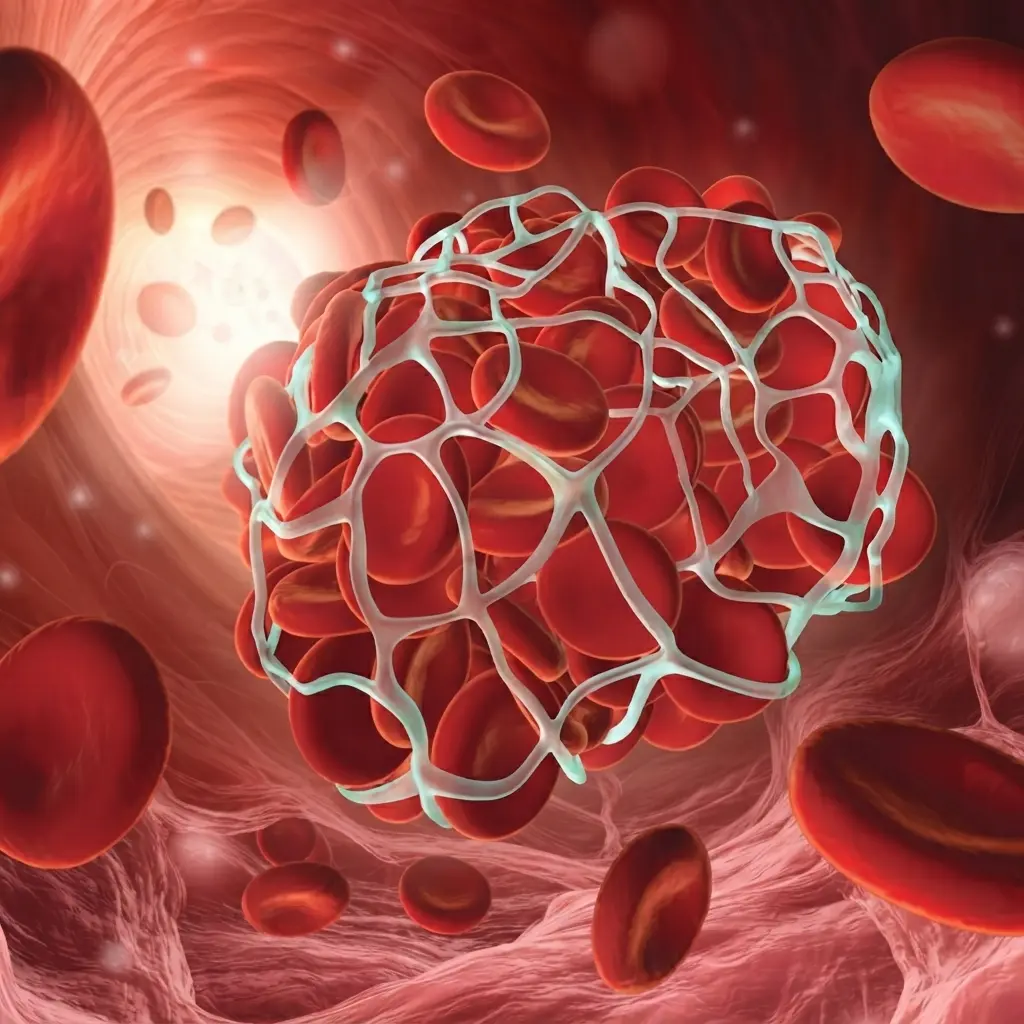
Coagulation Disorder Treatment at Karolinska University Hospital
Coagulation Disorder Treatment at Karolinska University Hospital
Coagulation Disorder Treatment at Karolinska University Hospital provides specialist assessment and management for patients with bleeding disorders, clotting disorders, abnormal coagulation test results, and other conditions affecting the body's ability to control bleeding and blood clot formation. Treatment is individualized according to the specific disorder, symptoms, laboratory findings, medical history, and overall health.
Price
Price on Request
Why Price on Request?
The cost of coagulation disorder treatment varies depending on the underlying condition, diagnostic testing, medications, replacement therapies, specialist consultations, monitoring requirements, and follow-up care. A personalized cost estimate can be provided after appropriate medical assessment.
Complete Description
What Are Coagulation Disorders?
Coagulation disorders affect the normal process by which blood forms clots. Some conditions can cause excessive or prolonged bleeding, while others may increase the risk of abnormal blood clot formation.
Specialist hematology assessment can help identify the underlying problem and guide appropriate management.
Bleeding Disorder Evaluation
Patients with frequent nosebleeds, excessive menstrual bleeding, easy bruising, prolonged bleeding after procedures, or unexplained bleeding may require evaluation for an underlying bleeding disorder.
The assessment may include a detailed medical history, family history, physical examination, and laboratory testing.
Clotting Disorder Evaluation
Patients with unexplained or recurrent blood clots may require specialist assessment to determine whether an underlying coagulation disorder or other risk factor is present.
The medical team may review previous clotting episodes, medications, family history, and relevant laboratory results.
Inherited Coagulation Disorders
Some coagulation disorders are inherited and may be present from childhood or run in families.
Examples include hemophilia and certain inherited deficiencies affecting clotting factors. Treatment and monitoring depend on the specific diagnosis and individual clinical requirements.
Acquired Coagulation Disorders
Coagulation abnormalities can also develop as a result of other medical conditions, medications, liver disease, autoimmune disorders, nutritional deficiencies, or other factors.
Identifying the underlying cause is an important part of treatment planning.
Coagulation Testing
Depending on the patient's condition, laboratory testing may include assessments of clotting time, clotting factors, platelet function, and other specialized coagulation markers.
The specific tests selected depend on the patient's symptoms and suspected diagnosis.
Clotting Factor Replacement
Patients with certain inherited or acquired bleeding disorders may require replacement of specific clotting factors or other blood products.
The appropriate treatment depends on the diagnosed deficiency, severity of the condition, and clinical circumstances.
Anticoagulation Management
Patients receiving anticoagulant medication may require specialist monitoring, particularly when treatment is complex or when there is an increased risk of bleeding or clotting.
Medication management is individualized according to the underlying condition and clinical requirements.
Thrombosis Management
Patients who develop blood clots may require treatment and evaluation of potential risk factors.
Management may include anticoagulant therapy, monitoring, and investigation of underlying conditions when clinically appropriate.
Perioperative Coagulation Management
Patients with known or suspected coagulation disorders may require specialist planning before surgery or invasive procedures.
The medical team can assess bleeding or clotting risks and coordinate appropriate management before, during, and after the procedure.
Pregnancy and Coagulation Disorders
Some coagulation disorders require specialized management during pregnancy because both bleeding and clotting risks can change during this period.
Patients may require coordinated care involving hematology and obstetric specialists according to their individual circumstances.
Monitoring and Follow-Up
Regular laboratory testing and clinical follow-up may be required to monitor coagulation status and treatment response.
Treatment plans can be adjusted according to laboratory findings, symptoms, medication response, and changes in the patient's condition.
Multidisciplinary Care
Complex coagulation disorders may require coordinated care involving hematologists, laboratory specialists, surgeons, obstetric specialists, pharmacists, and other healthcare professionals.
This multidisciplinary approach can support safe management across different clinical situations.
Second Opinion
Patients with an established bleeding or clotting disorder may seek a specialist second opinion regarding diagnosis, medication, replacement therapy, or long-term management.
Previous laboratory results, treatment records, and medical history can assist with specialist review.
International Patient Care
International patients may be considered for coagulation disorder assessment and treatment subject to applicable eligibility, referral, appointment, and hospital requirements.
Previous coagulation tests, diagnostic reports, medication information, treatment history, and relevant medical records may be requested before treatment planning.
Benefits of Coagulation Disorder Treatment
Specialist assessment of bleeding and clotting disorders
Investigation of abnormal coagulation results
Evaluation of inherited and acquired conditions
Individualized treatment planning
Management of clotting factor deficiencies
Specialist anticoagulation management when appropriate
Monitoring of treatment response and coagulation status
Perioperative and multidisciplinary care when required
Why Choose Karolinska University Hospital?
Karolinska University Hospital provides specialist hematology care within an academic healthcare environment. Patients with complex bleeding or clotting conditions may benefit from specialized diagnostic assessment, individualized treatment planning, laboratory expertise, and coordinated multidisciplinary care.
Cost & Price on Request
The overall cost depends on the underlying coagulation disorder, laboratory investigations, medications, replacement therapies, specialist consultations, monitoring, and follow-up requirements.
Because treatment needs vary between patients, this service is offered at Price on Request following appropriate medical review.
Frequently Asked Questions
What conditions can coagulation disorder treatment address?
Coagulation care may address inherited and acquired bleeding disorders, clotting disorders, abnormal coagulation results, clotting factor deficiencies, and complex anticoagulation-related concerns.
What tests may be used to evaluate coagulation disorders?
Depending on the suspected condition, testing may include clotting-time assessments, clotting factor studies, platelet function testing, and other specialized laboratory investigations.
Can inherited bleeding disorders be treated?
Yes. Management depends on the specific diagnosis and may include clotting factor replacement, medication, monitoring, and other supportive approaches when clinically appropriate.
Can patients receiving anticoagulants receive specialist care?
Yes. Patients with complex anticoagulation needs may receive specialist assessment and monitoring to help balance the risks of bleeding and abnormal clot formation.
Can international patients receive coagulation disorder treatment at Karolinska University Hospital?
International patients may be considered subject to applicable eligibility, referral, appointment, and hospital requirements. Relevant medical records and previous coagulation test results may be required for assessment.
Product Details
Product Name: Coagulation Disorder Treatment at Karolinska University Hospital
Hospital: Karolinska University Hospital
Brand: Karolinska University Hospital
Country: Sweden
Location: Stockholm, Sweden
Specialty: Hematology & Blood Disorders
Service Type: Coagulation Disorder Treatment
Customer-Facing Price: Price on Request
International Patients: Subject to applicable eligibility and appointment requirements
Related products







Frequently Bought Together
No frequently bought products found!
Products from this Seller
View All












Chemotherapy at Mayo Clinic

Immunotherapy at Mayo Clinic



Medical Tourism





Share with Friends
Trading is more effective when you share products with friends!Share you link
Share to