













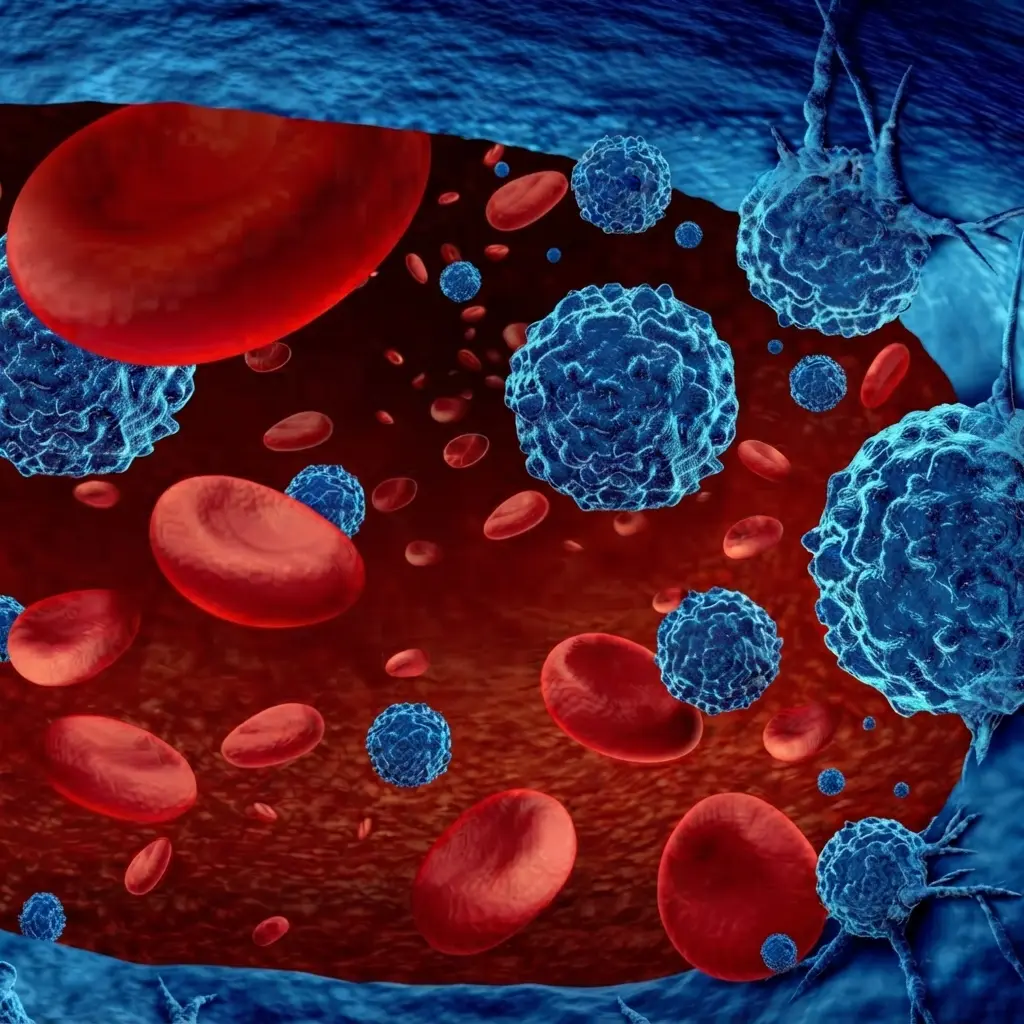
Hematological Cancer Care at Karolinska University Hospital
Hematological Cancer Care at Karolinska University Hospital provides specialist assessment and treatment for cancers affecting the blood, bone marrow, lymphatic system, and related tissues. Care is individualized according to the specific cancer diagnosis, disease characteristics, previous treatment, overall health, and the patient's clinical needs.
Price
Price on Request
Why Price on Request?
The cost of hematological cancer care varies depending on the type and complexity of cancer, diagnostic investigations, treatment approach, medications, hospitalization, supportive care, and follow-up requirements. A personalized cost estimate can be provided after appropriate medical assessment.
Complete Description
What Is Hematological Cancer Care?
Hematological cancer care involves the diagnosis, treatment, monitoring, and long-term management of cancers affecting blood-forming tissues and the lymphatic system.
These conditions may include leukemia, lymphoma, multiple myeloma, and other related blood cancers.
Cancer Diagnosis and Classification
Accurate diagnosis is essential for selecting an appropriate treatment strategy.
The medical team may review blood tests, bone marrow examinations, tissue or lymph node biopsies, pathology findings, imaging studies, and molecular or genetic investigations where clinically appropriate.
Leukemia Care
Patients with acute or chronic leukemia may receive individualized treatment based on the specific leukemia subtype, disease characteristics, previous therapy, and overall health.
Treatment options may include systemic medicines, targeted therapies, immunotherapy, supportive care, or stem cell transplantation in selected cases.
Lymphoma Care
Lymphoma treatment depends on the specific subtype, disease extent, biological characteristics, and response to treatment.
Depending on the clinical situation, treatment may involve chemotherapy, targeted medicines, immunotherapy, radiation therapy, or stem cell transplantation.
Multiple Myeloma Care
Patients with multiple myeloma may require treatment directed at abnormal plasma cells together with management of potential bone, kidney, blood count, or other complications.
Treatment may include systemic medicines, targeted therapies, immunotherapy, and stem cell transplantation for selected patients.
Molecular and Genetic Assessment
Some hematological cancers have specific molecular or genetic characteristics that can influence diagnosis, prognosis, and treatment selection.
Specialized testing may be considered when clinically appropriate to help guide individualized treatment planning.
Chemotherapy
Chemotherapy may be used for selected hematological cancers.
The medicines, treatment schedule, duration, and monitoring requirements depend on the specific diagnosis and treatment strategy.
Targeted Treatment
Targeted therapies may be considered when a patient's cancer has characteristics that can be treated using specific medicines.
Treatment selection is based on diagnostic findings, disease characteristics, previous treatment, and clinical suitability.
Immunotherapy
Some hematological cancers may be treated using immune-based therapies.
The suitability of immunotherapy depends on the cancer type, disease status, previous treatment, and other individual clinical factors.
Stem Cell Transplantation
Stem cell transplantation may be considered for selected patients with high-risk, relapsed, or treatment-resistant hematological cancers.
A detailed assessment is required to determine eligibility, transplant type, donor suitability when relevant, and potential treatment benefits and risks.
Supportive Cancer Care
Hematological cancer treatment can affect blood counts, immune function, energy levels, and other aspects of health.
Supportive care may include infection management, transfusion support, symptom control, nutritional support, medication management, and monitoring for treatment-related complications.
Treatment Response Monitoring
Patients may undergo regular blood tests, imaging studies, pathology assessments, and other investigations to monitor treatment response.
Treatment plans can be adjusted according to disease status, treatment response, side effects, and other clinical findings.
Relapsed or Refractory Cancer Care
Patients whose cancer returns or does not respond adequately to treatment may require a new specialist assessment.
Depending on the diagnosis and previous therapies, alternative systemic treatments, targeted therapies, immunotherapy, stem cell transplantation, or other approaches may be considered.
Multidisciplinary Cancer Care
Hematological cancer treatment may involve hematologists, oncologists, pathologists, radiologists, transplant specialists, pharmacists, nurses, and other healthcare professionals.
Coordinated multidisciplinary care supports diagnosis, treatment planning, monitoring, and management of complications.
Second Opinion
Patients who have received a hematological cancer diagnosis or treatment recommendation may seek a specialist second opinion.
Review of pathology, laboratory findings, imaging, previous treatment records, and other medical information can help provide an additional clinical perspective.
International Patient Care
International patients may be considered for hematological cancer assessment and treatment subject to applicable eligibility, referral, appointment, and hospital requirements.
Relevant pathology reports, laboratory results, imaging studies, previous treatment records, and medication information may be requested before treatment planning.
Benefits of Hematological Cancer Care
Specialist diagnosis and assessment of blood cancers
Individualized treatment planning
Management of leukemia, lymphoma, and multiple myeloma
Access to systemic, targeted, and immune-based treatments when appropriate
Evaluation for stem cell transplantation
Monitoring of treatment response
Supportive and complication management
Multidisciplinary hematology and oncology care
Why Choose Karolinska University Hospital?
Karolinska University Hospital provides specialist hematology and oncology care within an academic healthcare environment. Patients with complex blood cancers may benefit from multidisciplinary expertise, advanced diagnostic assessment, individualized treatment planning, and coordinated specialist management.
Cost & Price on Request
The overall cost depends on the type of hematological cancer, diagnostic investigations, treatment approach, medications, hospitalization, supportive care, and follow-up requirements.
Because treatment needs vary significantly between patients, this service is offered at Price on Request following appropriate medical review.
Frequently Asked Questions
What cancers are included in hematological cancer care?
Hematological cancer care may include treatment and management of leukemia, lymphoma, multiple myeloma, and other cancers affecting blood-forming tissues and the lymphatic system.
What treatments may be used for hematological cancers?
Depending on the diagnosis, treatment may include chemotherapy, targeted medicines, immunotherapy, supportive care, radiation therapy, or stem cell transplantation when clinically appropriate.
Can treatment be provided for relapsed or refractory blood cancer?
Patients with relapsed or refractory disease can undergo specialist reassessment to determine whether alternative or additional treatment options may be appropriate.
Is stem cell transplantation available for blood cancers?
Stem cell transplantation may be considered for selected patients depending on the cancer type, disease status, previous treatment, overall health, and transplant eligibility.
Can international patients receive hematological cancer care at Karolinska University Hospital?
International patients may be considered subject to applicable eligibility, referral, appointment, and hospital requirements. Medical records and previous diagnostic and treatment information may be required for assessment.
Product Details
Product Name: Hematological Cancer Care at Karolinska University Hospital
Hospital: Karolinska University Hospital
Brand: Karolinska University Hospital
Country: Sweden
Location: Stockholm, Sweden
Specialty: Hematology & Blood Disorders
Service Type: Hematological Cancer Care
Customer-Facing Price: Price on Request
International Patients: Subject to applicable eligibility and appointment requirements
Related products






Frequently Bought Together
No frequently bought products found!
Products from this Seller
View All













Chemotherapy at Mayo Clinic

Immunotherapy at Mayo Clinic




Medical Tourism





Share with Friends
Trading is more effective when you share products with friends!Share you link
Share to