














Lymphoma Treatment at Karolinska University Hospital
Lymphoma Treatment at Karolinska University Hospital provides specialist hematology and oncology care for patients diagnosed with lymphoma. Treatment planning is individualized according to the lymphoma type, disease extent, pathology and laboratory findings, previous treatment, overall health, and specific clinical needs.
Price
Price on Request
Why Price on Request?
The cost of lymphoma treatment varies depending on the lymphoma subtype, diagnostic investigations, disease extent, treatment approach, medications, hospitalization requirements, supportive care, and follow-up needs. A personalized cost estimate can be provided after appropriate medical assessment and review of the patient's records.
Complete Description
What Is Lymphoma?
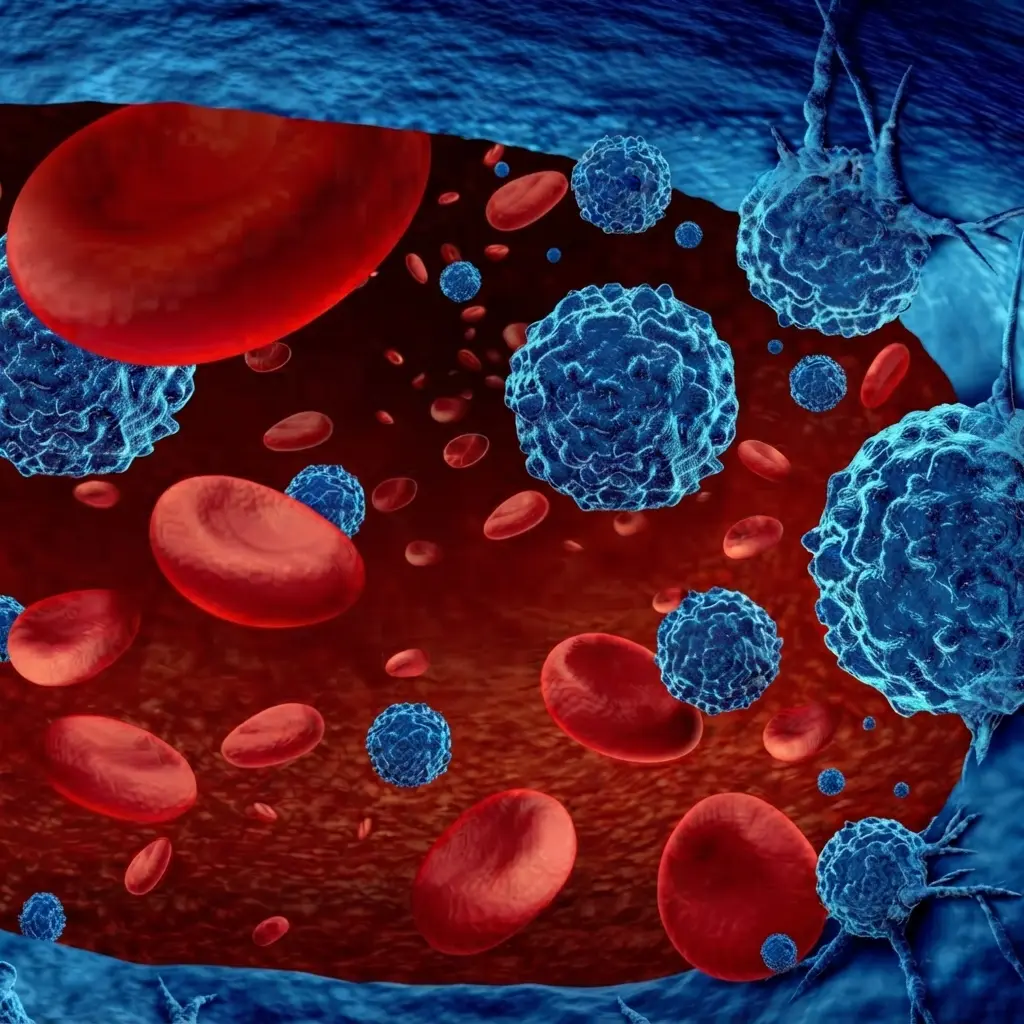
Lymphoma is a type of cancer that develops in the lymphatic system and primarily affects lymphocytes, a type of white blood cell. Lymphomas are broadly classified into Hodgkin lymphoma and non-Hodgkin lymphoma, with many different subtypes requiring different treatment strategies.
Lymphoma Diagnosis and Classification
Accurate diagnosis is an important part of lymphoma treatment planning. The medical team may review lymph node or tissue biopsy results, blood tests, imaging studies, pathology findings, and other diagnostic information to identify the specific lymphoma subtype.
Disease Assessment and Staging
Further investigations may be used to determine the extent and characteristics of the disease.
Depending on the individual situation, assessment may include imaging, laboratory testing, bone marrow evaluation, or other diagnostic procedures. The findings help guide treatment planning.
Hodgkin Lymphoma Treatment
Patients with Hodgkin lymphoma may receive treatment according to the disease subtype, extent, risk characteristics, and response to therapy.
Treatment may involve systemic drug therapy, radiation therapy in selected circumstances, or other approaches according to specialist assessment.
Non-Hodgkin Lymphoma Treatment
Non-Hodgkin lymphoma includes many different subtypes, ranging from slower-growing to more aggressive forms.
Treatment is selected according to the specific subtype and may include systemic therapies, targeted medicines, immunotherapy, chemotherapy, radiation therapy, or other approaches when clinically appropriate.
Chemotherapy
Chemotherapy may be used for selected lymphoma types and can be administered according to a specific treatment protocol.
The medicines, treatment schedule, duration, and monitoring requirements depend on the lymphoma subtype and the patient's response.
Targeted Treatment
Certain lymphoma subtypes may have biological or molecular characteristics that allow targeted treatment to be considered.
Specialist diagnostic testing can help determine whether a targeted therapy may be appropriate.
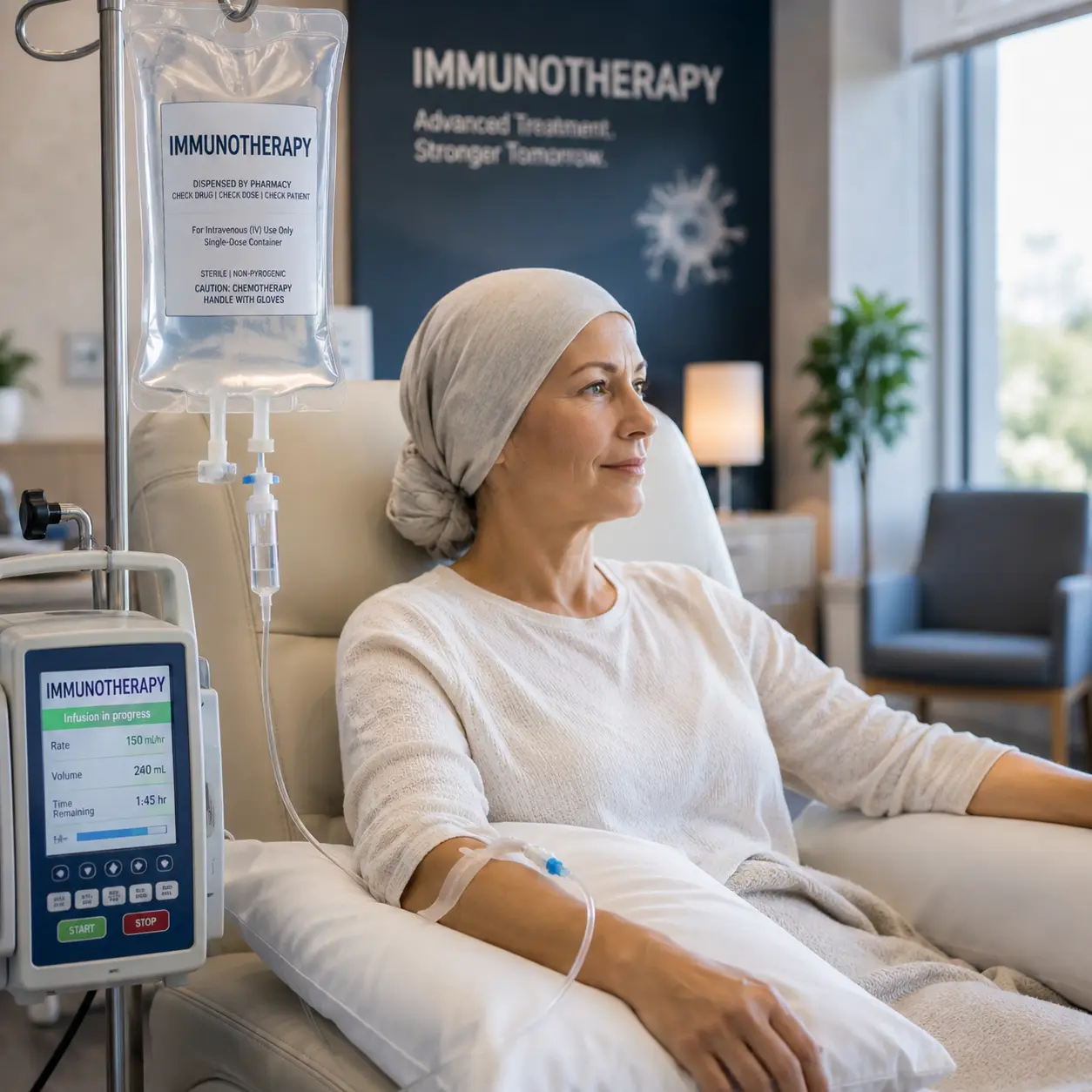
Immunotherapy
Immunotherapy may be considered for selected lymphoma patients depending on the lymphoma subtype, previous treatments, disease status, and available treatment options.
The suitability of immune-based therapies is determined through specialist evaluation.
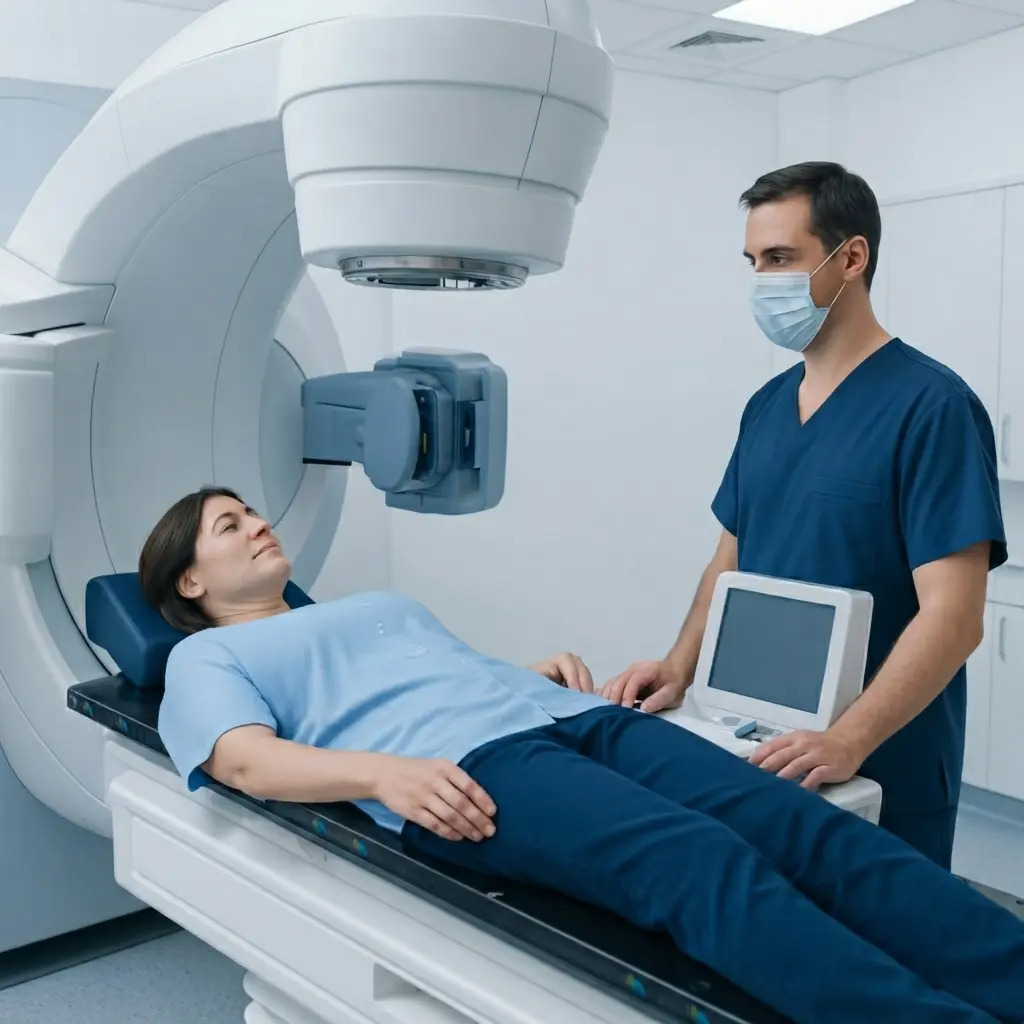
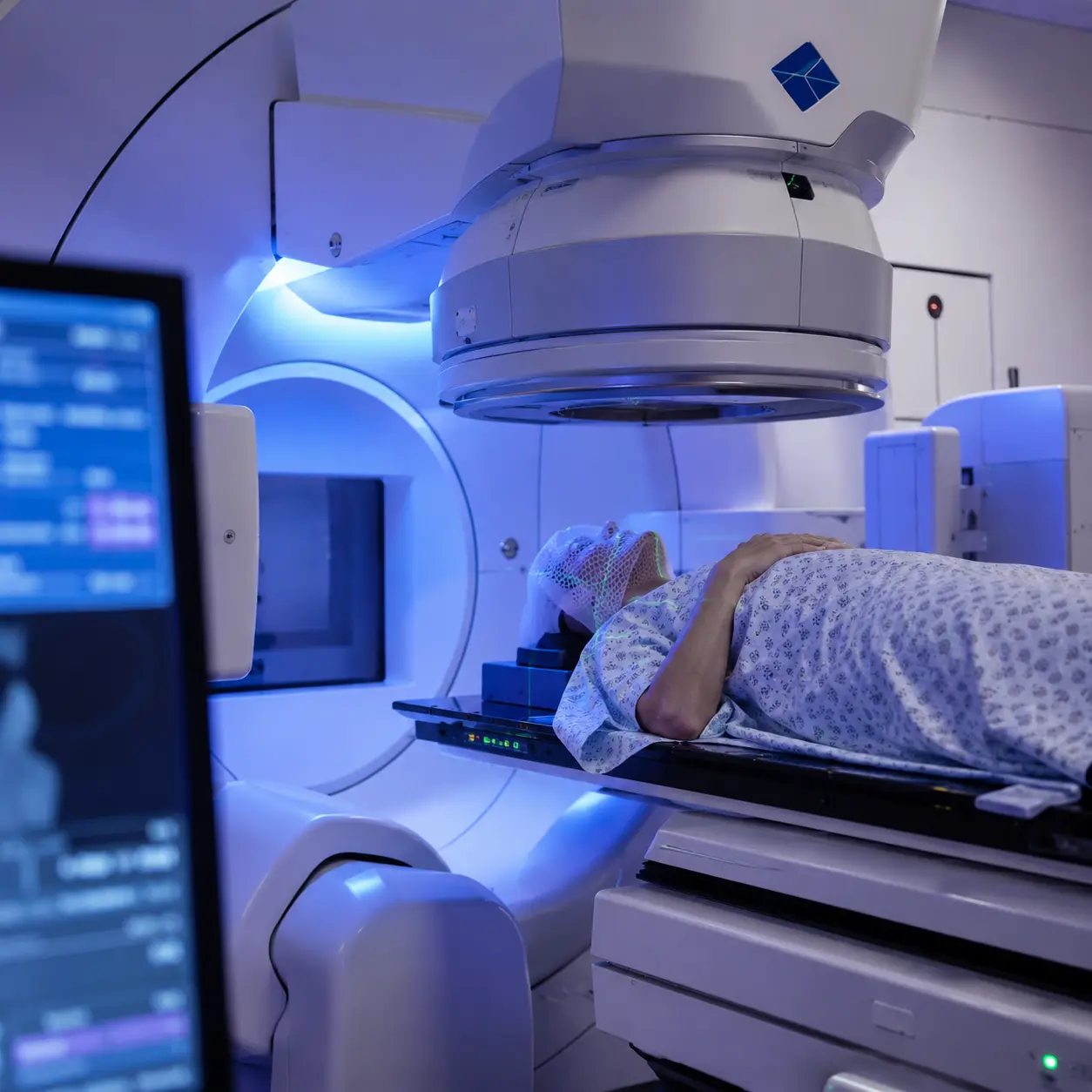
Radiation Therapy
Radiation therapy may be incorporated into treatment plans for selected patients, depending on the lymphoma type, disease distribution, treatment response, and overall clinical circumstances.
Treatment planning is individualized to balance potential benefits and risks.
Relapsed or Refractory Lymphoma
Patients whose lymphoma returns after treatment or does not respond adequately to initial therapy may require additional specialist assessment.
Depending on the diagnosis and previous treatment, further options may include alternative systemic therapy, targeted treatment, immunotherapy, or stem cell transplantation in selected cases.
Stem Cell Transplantation
Stem cell transplantation may be considered for certain patients with relapsed, refractory, or high-risk lymphoma.
Eligibility is determined through detailed assessment of disease status, previous treatment, overall health, and potential benefits and risks.
Supportive Care
Lymphoma treatment may affect blood counts, immune function, energy levels, and other aspects of health.
Supportive care can include monitoring blood counts, managing treatment-related symptoms, addressing infection risks, nutritional support, and other measures according to individual needs.
Treatment Monitoring
Regular clinical assessments, blood tests, imaging studies, and other investigations may be used to monitor treatment response and identify potential complications.
The treatment plan may be adjusted according to disease response and changes in the patient's clinical condition.
Multidisciplinary Care
Lymphoma care may involve hematologists, oncologists, pathologists, radiologists, transplant specialists, pharmacists, nurses, and other healthcare professionals.
Coordinated specialist care can support diagnosis, treatment selection, monitoring, and management of treatment-related concerns.
Second Opinion
Patients with a newly diagnosed or previously treated lymphoma may seek a specialist second opinion.
Review of biopsy reports, pathology findings, imaging, laboratory results, and previous treatment records may help clarify the diagnosis and available treatment options.
International Patient Care
International patients may be considered for lymphoma assessment and treatment subject to applicable eligibility, referral, appointment, and hospital requirements.
Relevant pathology reports, imaging studies, laboratory results, previous treatment records, and medication information may be requested before treatment planning.
Benefits of Lymphoma Treatment
Specialist evaluation of lymphoma
Accurate assessment and classification of lymphoma subtype
Individualized treatment planning
Access to systemic and targeted treatment approaches when appropriate
Evaluation for immunotherapy and radiation therapy
Assessment for stem cell transplantation when clinically indicated
Monitoring of treatment response
Supportive care and multidisciplinary management
Why Choose Karolinska University Hospital?
Karolinska University Hospital provides specialist hematology and oncology care within an academic healthcare environment. Patients with lymphoma may benefit from multidisciplinary expertise, detailed diagnostic assessment, individualized treatment planning, and coordinated specialist management.
Cost & Price on Request
The overall cost depends on the lymphoma subtype, diagnostic investigations, treatment approach, medications, hospitalization, supportive care, and follow-up requirements.
Because treatment needs vary between patients, this service is offered at Price on Request following appropriate medical review.
Frequently Asked Questions
What types of lymphoma can be treated?
Treatment may be provided for different types of Hodgkin and non-Hodgkin lymphoma, with the specific approach determined by the lymphoma subtype and individual clinical circumstances.
What treatments may be used for lymphoma?
Depending on the diagnosis, treatment may include chemotherapy, targeted medicines, immunotherapy, radiation therapy, supportive care, or stem cell transplantation in selected cases.
Is stem cell transplantation used for lymphoma?
Stem cell transplantation may be considered for selected patients with relapsed, refractory, or high-risk lymphoma. Eligibility requires detailed specialist assessment.
Can lymphoma treatment be adjusted if the disease returns?
Yes. Relapsed lymphoma requires reassessment, after which alternative treatments or other specialist options may be considered according to the lymphoma subtype, previous therapy, and current disease status.
Can international patients receive lymphoma treatment at Karolinska University Hospital?
International patients may be considered subject to applicable eligibility, referral, appointment, and hospital requirements. Medical records and previous diagnostic and treatment information may be required for assessment.
Product Details
Product Name: Lymphoma Treatment at Karolinska University Hospital
Hospital: Karolinska University Hospital
Brand: Karolinska University Hospital
Country: Sweden
Location: Stockholm, Sweden
Specialty: Hematology & Blood Disorders
Service Type: Lymphoma Treatment
Customer-Facing Price: Price on Request
International Patients: Subject to applicable eligibility and appointment requirements
Related products



Frequently Bought Together
No frequently bought products found!
Products from this Seller
View All













Chemotherapy at Mayo Clinic
Immunotherapy at Mayo Clinic



Medical Tourism





Share with Friends
Trading is more effective when you share products with friends!Share you link
Share to