













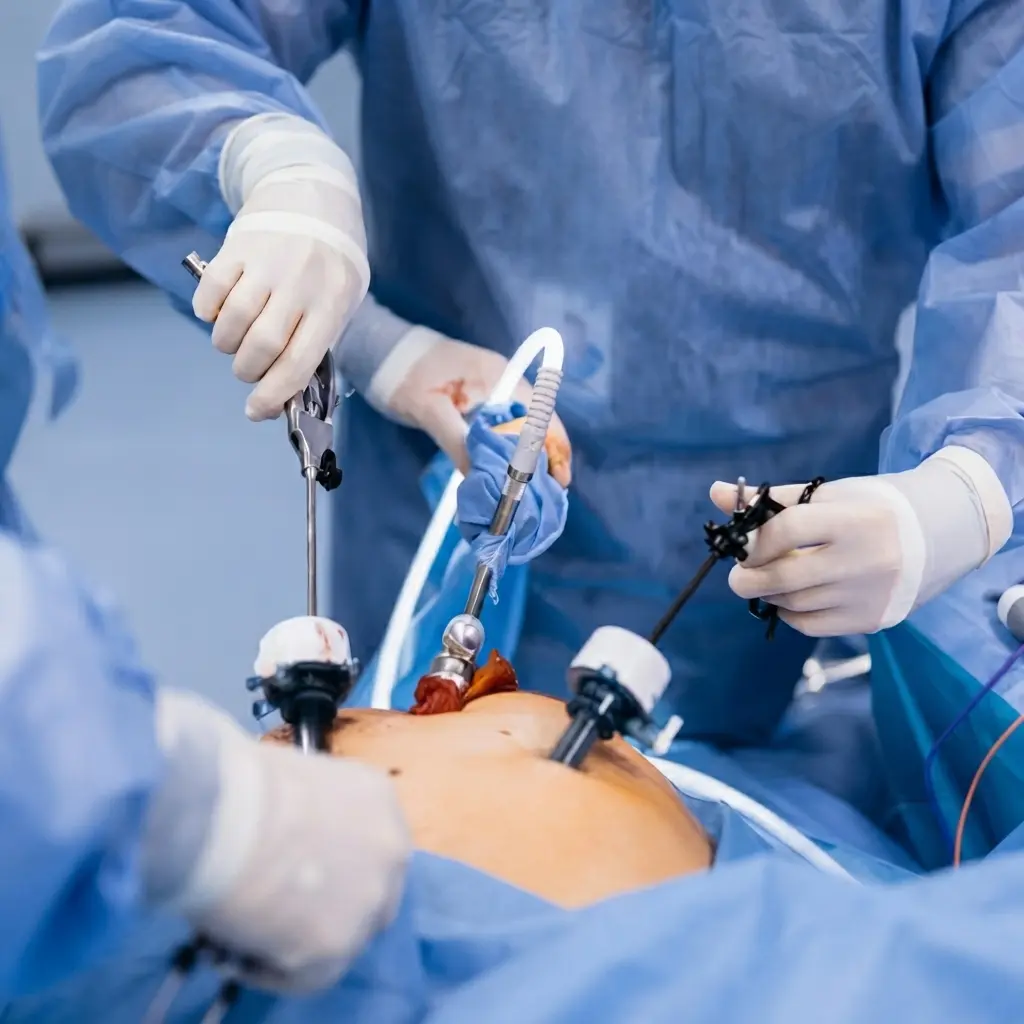
Endocrine Surgery at Mayo Clinic
Endocrine Surgery at Mayo Clinic is a specialized surgical service for selected conditions affecting hormone-producing glands, including the thyroid, parathyroid, adrenal glands, and other endocrine structures. Surgical treatment is considered based on the patient's diagnosis, symptoms, imaging findings, laboratory results, and overall medical condition.
Price
Price on Request
Why Price on Request?
The cost of endocrine surgery depends on the type and complexity of the procedure, diagnostic testing, specialist consultations, anesthesia, hospital services, postoperative monitoring, and any additional treatment required. International patients may also have additional expenses related to travel and accommodation.
Complete Description
What Is Endocrine Surgery?
Endocrine surgery involves surgical treatment of conditions affecting endocrine glands that produce and regulate hormones. Procedures may involve the thyroid, parathyroid glands, adrenal glands, or selected other endocrine conditions requiring surgical management.
Who May Need Endocrine Surgery?
Surgery may be considered for selected patients with:
Thyroid nodules or thyroid cancer
Enlarged thyroid or goiter
Certain cases of hyperthyroidism
Hyperparathyroidism
Parathyroid tumors or abnormalities
Adrenal tumors
Hormone-producing endocrine tumors
Other endocrine conditions requiring surgical treatment
Pre-Surgical Endocrine Evaluation
Before surgery, specialists review the patient's medical history, symptoms, hormone levels, imaging studies, previous procedures, medications, and overall health. This assessment helps determine whether surgery is appropriate and which procedure may be most suitable.
Thyroid Surgery
Thyroid surgery may involve removing part or all of the thyroid gland. It can be considered for selected thyroid cancers, suspicious nodules, symptomatic goiters, and certain cases of hyperthyroidism.
Parathyroid Surgery
Parathyroid surgery may be recommended for selected patients with hyperparathyroidism or abnormal parathyroid glands. The procedure aims to address the abnormal gland or glands responsible for excessive hormone production.
Adrenal Surgery
Adrenal surgery may be considered for selected adrenal tumors, hormone-producing adrenal conditions, or other abnormalities requiring surgical management. The surgical approach depends on the size, location, hormonal activity, and characteristics of the adrenal condition.
Endocrine Tumor Evaluation
Some endocrine tumors can produce excessive amounts of hormones, while others may be discovered incidentally during imaging. Evaluation may include hormone testing, imaging, pathology review, and specialist assessment before determining whether surgery is appropriate.
Hormone Evaluation Before Surgery
Hormonal testing may be required before endocrine surgery to understand how the affected gland is functioning. Results can help guide surgical planning and identify medical issues that need to be addressed before the procedure.
Advanced Imaging and Diagnostic Assessment
Imaging may be used to identify the location and characteristics of an endocrine abnormality. Depending on the suspected condition, ultrasound, CT, MRI, nuclear medicine studies, or other specialized imaging may be considered.
Minimally Invasive Surgical Approaches
When clinically appropriate, minimally invasive techniques may be considered for selected endocrine procedures. The surgical approach depends on the patient's anatomy, diagnosis, tumor characteristics, previous procedures, and surgeon assessment.
Complex Endocrine Surgery
Some endocrine conditions can involve difficult anatomy, large tumors, recurrent disease, or previous surgery. Complex cases may require detailed planning and collaboration among endocrine surgeons and other specialists.
Pathology Evaluation
Tissue removed during surgery may be examined by pathology specialists. Pathology findings can help establish the final diagnosis and determine whether additional treatment or monitoring is required.
Post-Surgical Hormone Monitoring
After endocrine surgery, hormone levels may be monitored to evaluate the function of the remaining endocrine tissue and identify whether hormone replacement or additional management is needed.
Calcium and Parathyroid Monitoring
Patients undergoing certain thyroid or parathyroid procedures may require monitoring of calcium and related hormone levels after surgery. Follow-up is determined according to the procedure and individual clinical needs.
Multidisciplinary Endocrine Care
Complex endocrine cases may involve endocrinologists, endocrine surgeons, radiologists, pathologists, oncologists, nuclear medicine specialists, and other healthcare professionals. Coordinated care can help integrate diagnostic and treatment decisions.
Second Opinion and Surgical Review
Patients who have been advised to undergo endocrine surgery may seek a specialist second opinion. Medical records, imaging, laboratory results, pathology reports, and previous treatment recommendations can be reviewed to help assess available options.
Review of Previous Medical Records
International patients can provide previous endocrine evaluations, hormone test results, imaging studies, biopsy or pathology reports, medication records, and surgical recommendations for specialist review.
Individualized Surgical Planning
The appropriate endocrine procedure depends on the affected gland, underlying condition, hormone activity, imaging findings, symptoms, and overall health. Each surgical plan is developed according to the patient's specific clinical circumstances.
International Patient Care
International patients may receive coordinated evaluation and treatment planning according to their medical needs and applicable appointment requirements. Relevant medical records can be reviewed to help determine the appropriate consultation and surgical pathway.
Benefits of Endocrine Surgery
Specialized surgical treatment for selected endocrine conditions
Treatment options for thyroid, parathyroid, and adrenal disorders
Evaluation of hormone-producing tumors
Individualized surgical planning
Access to multidisciplinary endocrine expertise
Pathology assessment of surgical specimens
Postoperative hormone and metabolic monitoring
Specialist review for complex or previously treated cases
Why Choose Mayo Clinic?
Mayo Clinic provides specialized evaluation and surgical care for complex endocrine conditions through coordinated teams of medical and surgical specialists. Patients may receive integrated care involving endocrinology, endocrine surgery, radiology, pathology, oncology, and other relevant specialties when appropriate.
Cost of Endocrine Surgery
The total cost varies according to the type of surgery, complexity of the endocrine condition, diagnostic investigations, specialist consultations, anesthesia, hospital services, and postoperative care. International patient expenses may vary according to the individualized treatment plan.
Frequently Asked Questions
What conditions can require endocrine surgery?
Endocrine surgery may be considered for selected thyroid, parathyroid, adrenal, and hormone-producing tumor conditions when surgery is medically appropriate.
Is endocrine surgery always necessary for thyroid or adrenal conditions?
No. Many endocrine conditions can be managed with monitoring or medical treatment. Surgery is considered when the clinical findings indicate that an operation may provide an appropriate treatment option.
Will I need hormone replacement after endocrine surgery?
This depends on the gland treated and the extent of surgery. Some patients may require hormone replacement, while others may retain sufficient endocrine function after surgery.
Can I seek a second opinion before endocrine surgery?
Yes. Previous medical records, laboratory results, imaging, pathology, and surgical recommendations can be reviewed as part of a specialist second opinion.
Can international patients receive endocrine surgery at Mayo Clinic?
International patients may be evaluated subject to medical suitability, appointment availability, and applicable international patient requirements.
Product Details
Product Name: Endocrine Surgery at Mayo Clinic
Hospital: Mayo Clinic
Brand: Mayo Clinic
Country: United States
Specialty: Endocrinology & Diabetes
Service Type: Endocrine Surgery
Customer-Facing Price: Price on Request
International Patients: Subject to applicable eligibility and appointment requirements
Location: Rochester, Minnesota, USA
Related products







Frequently Bought Together
No frequently bought products found!
Products from this Seller
View All











Chemotherapy at Mayo Clinic

Immunotherapy at Mayo Clinic



Medical Tourism





Share with Friends
Trading is more effective when you share products with friends!Share you link
Share to