













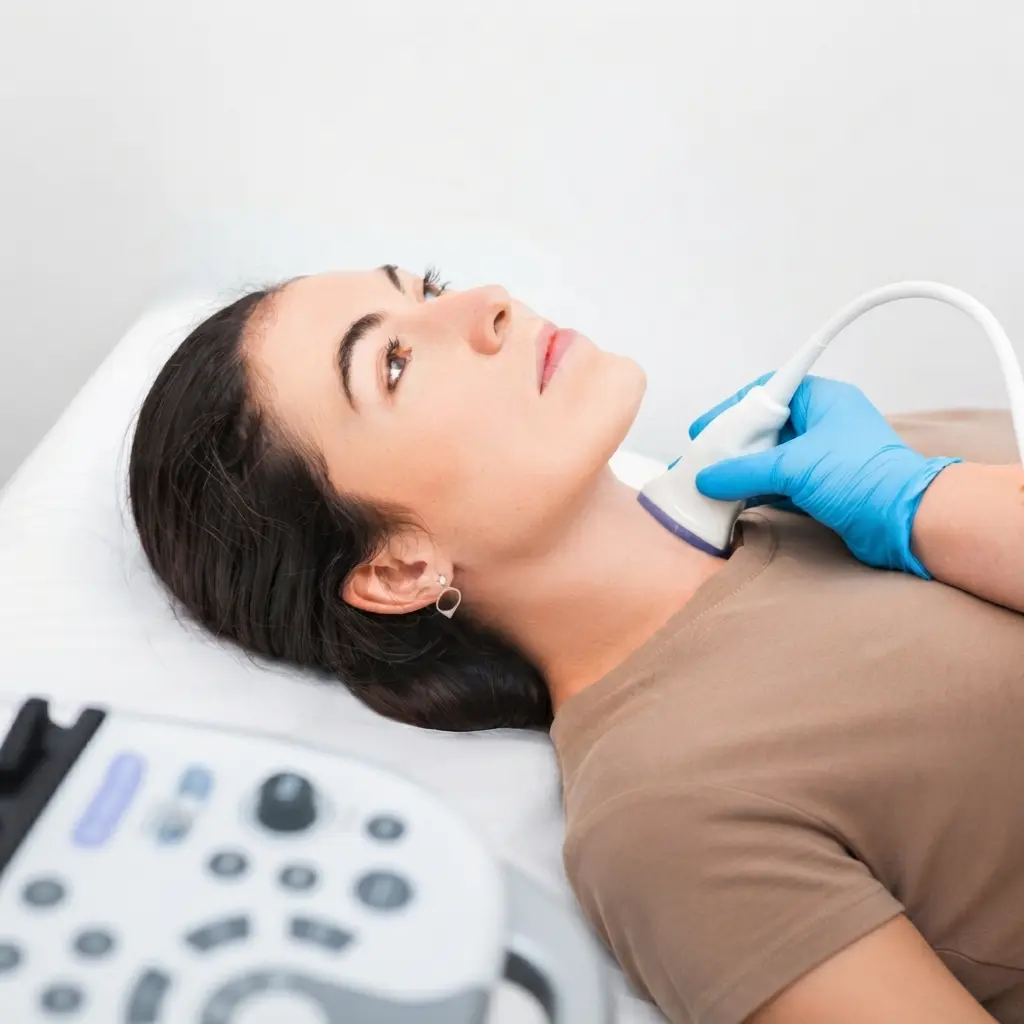
Thyroid Disorders Treatment at Mayo Clinic
Thyroid Disorders Treatment at Mayo Clinic provides specialized evaluation and management for conditions affecting thyroid function and structure. Care may address hypothyroidism, hyperthyroidism, thyroid nodules, goiter, thyroiditis, and other thyroid-related conditions. Treatment is tailored according to the patient's diagnosis, symptoms, laboratory results, imaging findings, and overall health.
Price
Price on Request
Why Price on Request?
The cost of thyroid disorders treatment depends on the specific thyroid condition, specialist consultations, laboratory testing, ultrasound or other imaging, medications, procedures, surgery, and follow-up care that may be required. International patients may also have additional evaluation and coordination requirements.
Complete Description
What Are Thyroid Disorders?
Thyroid disorders occur when the thyroid gland produces too much or too little hormone, develops structural abnormalities, or is affected by inflammation or other conditions. Because thyroid hormones influence metabolism and many body functions, thyroid problems may cause a wide range of symptoms.
Who May Need Thyroid Disorder Treatment?
Patients with abnormal thyroid blood tests, persistent thyroid-related symptoms, thyroid nodules, an enlarged thyroid gland, thyroid inflammation, or diagnosed thyroid disease may require specialist evaluation and treatment.
Initial Thyroid Evaluation
The assessment may include a review of symptoms, medical history, medications, family history, previous thyroid conditions, laboratory results, and previous treatment. A physical examination of the neck and thyroid may also be performed when appropriate.
Thyroid Function Testing
Blood tests may be used to evaluate thyroid hormone levels and thyroid function. Depending on the clinical situation, additional laboratory testing may be recommended to help identify the underlying condition.
Hypothyroidism
Hypothyroidism occurs when the thyroid does not produce enough thyroid hormones. Treatment may involve thyroid hormone replacement and regular monitoring to determine whether the treatment is providing appropriate hormone levels.
Hyperthyroidism
Hyperthyroidism occurs when the thyroid produces excessive thyroid hormones. Treatment options may include medication, radioactive iodine treatment, surgery, or other approaches depending on the cause and individual clinical circumstances.
Thyroid Nodules
Thyroid nodules are growths within the thyroid gland that may require evaluation. Ultrasound and other diagnostic assessments may be used to determine whether further investigation or treatment is appropriate.
Goiter
An enlarged thyroid gland, known as a goiter, may develop for different reasons. Evaluation can help identify the underlying cause and determine whether monitoring, medication, additional testing, or surgery may be appropriate.
Thyroiditis
Thyroiditis refers to inflammation of the thyroid gland. Different types of thyroiditis can affect thyroid function in different ways, and treatment depends on the underlying cause and symptoms.
Thyroid Cancer Evaluation
Certain thyroid nodules or abnormalities may require evaluation for possible thyroid cancer. Specialist assessment may involve imaging, biopsy, pathology review, and additional testing when clinically indicated.
Thyroid Ultrasound
Ultrasound may be used to evaluate the thyroid gland and characterize nodules or other structural abnormalities. The results may help specialists determine whether further testing is needed.
Fine-Needle Aspiration
For selected thyroid nodules, fine-needle aspiration may be recommended to obtain cells for laboratory and pathology evaluation. Whether this procedure is appropriate depends on the characteristics of the nodule and clinical assessment.
Medication Management
Patients receiving thyroid medication may require regular monitoring and adjustment. Treatment decisions are based on thyroid function tests, symptoms, medical history, medication response, and other relevant factors.
Radioactive Iodine Treatment
Radioactive iodine may be considered for selected thyroid conditions, particularly certain forms of hyperthyroidism and some thyroid cancers. Its suitability depends on the specific diagnosis and specialist assessment.
Thyroid Surgery
Surgery may be considered for selected thyroid conditions, including certain thyroid cancers, large or symptomatic goiters, and some nodules or other structural abnormalities. The recommended procedure depends on the patient's condition.
Multidisciplinary Care
Complex thyroid conditions may require collaboration between endocrinologists, endocrine surgeons, radiologists, pathologists, nuclear medicine specialists, and other healthcare professionals.
Ongoing Thyroid Monitoring
Some thyroid disorders require long-term monitoring. Follow-up may include repeat thyroid function testing, imaging, medication review, and assessment of symptoms or treatment response.
Second Opinion
Patients who have received a thyroid diagnosis, treatment recommendation, or surgical recommendation may seek a specialist second opinion. Previous laboratory results, imaging, pathology, and treatment records can be reviewed when available.
Review of Previous Medical Records
Patients should provide thyroid function tests, ultrasound reports, biopsy or pathology results, medication information, previous diagnoses, and relevant medical records. This information can help specialists assess the thyroid condition more comprehensively.
Individualized Treatment Planning
Thyroid treatment is based on the specific diagnosis and individual clinical findings. Depending on the condition, management may involve observation, medication, procedures, radioactive iodine, surgery, or a combination of approaches.
International Patient Care
International patients may seek thyroid disorder evaluation and treatment at Mayo Clinic subject to applicable eligibility and appointment requirements. Relevant laboratory results, imaging, pathology reports, and previous treatment information may be requested for specialist review.
Benefits of Thyroid Disorders Treatment
Specialized evaluation of thyroid conditions
Assessment of thyroid hormone function
Evaluation of thyroid nodules and goiter
Diagnosis and management of hypothyroidism and hyperthyroidism
Thyroid imaging and diagnostic assessment
Medication monitoring and adjustment
Evaluation of thyroid cancer when clinically indicated
Access to endocrine and surgical specialists
Long-term monitoring when required
Why Choose Mayo Clinic?
Mayo Clinic provides access to specialists in endocrinology, endocrine surgery, radiology, pathology, nuclear medicine, and other relevant medical fields. This multidisciplinary approach can support comprehensive evaluation and treatment of complex thyroid conditions.
Cost and Price on Request
The overall cost of thyroid disorders treatment varies according to the diagnosis, specialist consultations, laboratory tests, imaging, procedures, medications, surgery, and follow-up requirements. Price on Request allows the estimated cost to be determined according to the patient's individual treatment needs.
Frequently Asked Questions
What thyroid conditions can be treated at Mayo Clinic?
Thyroid care may include evaluation and treatment of hypothyroidism, hyperthyroidism, thyroid nodules, goiter, thyroiditis, thyroid cancer, and other thyroid-related conditions.
What tests are commonly used to evaluate thyroid disorders?
Evaluation may include thyroid function blood tests, thyroid ultrasound, antibody testing, biopsy, pathology assessment, or other investigations depending on the patient's condition.
Do all thyroid nodules require surgery?
No. Many thyroid nodules can be monitored or evaluated without surgery. The appropriate approach depends on the nodule's characteristics, symptoms, diagnostic findings, and specialist assessment.
Can thyroid disorders require lifelong treatment?
Some thyroid conditions may require long-term or lifelong management, while others may require only temporary treatment or monitoring. The duration depends on the specific diagnosis and response to treatment.
Can international patients receive thyroid treatment at Mayo Clinic?
International patients may be eligible for specialist thyroid evaluation and treatment subject to applicable requirements. Previous laboratory results, imaging, pathology, and treatment records may be reviewed during the assessment.
Product Details
Product Name: Thyroid Disorders Treatment at Mayo Clinic
Hospital: Mayo Clinic
Brand: Mayo Clinic
Country: United States
Location: Rochester, Minnesota, USA
Specialty: Endocrinology & Diabetes
Service Type: Thyroid Disorders Treatment
Customer-Facing Price: Price on Request
International Patients: Subject to applicable eligibility and appointment requirements
Related products






Frequently Bought Together
No frequently bought products found!
Products from this Seller
View All









Chemotherapy at Mayo Clinic

Immunotherapy at Mayo Clinic



Medical Tourism





Share with Friends
Trading is more effective when you share products with friends!Share you link
Share to