














Hormonal Disorders Evaluation at Mayo Clinic
Hormonal Disorders Evaluation at Mayo Clinic is a specialized service for patients experiencing symptoms or medical conditions that may be related to hormonal imbalance. The evaluation focuses on identifying the underlying cause of abnormal hormone levels and developing an appropriate diagnostic and treatment plan based on the patient's individual condition.
Price
Price on Request
Why Price on Request?
The cost of a hormonal disorders evaluation depends on the complexity of the patient's condition, specialist consultations, laboratory testing, imaging studies, diagnostic procedures, and any additional services required. International patients may also have additional expenses related to travel and accommodation.
Complete Description
What Are Hormonal Disorders?
Hormonal disorders occur when the body produces too much or too little of a particular hormone, or when hormones do not function properly. Hormonal changes can affect metabolism, growth, reproduction, energy levels, mood, blood pressure, and many other body functions.
Who May Need Hormonal Disorders Evaluation?
Evaluation may be appropriate for patients experiencing unexplained or persistent symptoms such as:
Unexplained weight gain or weight loss
Persistent fatigue or reduced energy
Abnormal growth or development
Changes in menstrual cycles
Fertility-related hormonal concerns
Excessive thirst or frequent urination
Unexplained changes in blood pressure
Abnormal hair growth or hair loss
Symptoms associated with thyroid or adrenal disorders
Other signs of possible endocrine dysfunction
Initial Endocrine Assessment
The evaluation begins with a detailed review of the patient's symptoms, medical history, medications, family history, previous diagnoses, and relevant laboratory results. The specialist uses this information to determine which hormonal systems may require further investigation.
Hormone Blood Testing
Laboratory testing may be used to measure specific hormone levels and assess endocrine function. Depending on the symptoms, testing may include thyroid hormones, adrenal hormones, reproductive hormones, pituitary hormones, glucose-related markers, or other endocrine measurements.
Thyroid Hormone Evaluation
Abnormal thyroid hormone levels can contribute to fatigue, weight changes, temperature sensitivity, heart-rate changes, and other symptoms. Thyroid function testing may help identify conditions such as hypothyroidism or hyperthyroidism.
Adrenal Hormone Evaluation
The adrenal glands produce hormones involved in metabolism, blood pressure, stress responses, and other important functions. Evaluation may be recommended when symptoms or test results suggest a possible adrenal disorder.
Pituitary Hormone Evaluation
The pituitary gland regulates several other endocrine glands. Hormonal testing and imaging may be considered when there is concern about pituitary dysfunction, abnormal growth patterns, reproductive hormone changes, or other related symptoms.
Reproductive Hormone Evaluation
Hormonal assessment may be considered for menstrual irregularities, fertility concerns, abnormal puberty, menopause-related symptoms, or other reproductive endocrine conditions. Testing is selected according to the patient's age, symptoms, and clinical circumstances.
Growth Hormone Evaluation
Growth-related hormone disorders may affect children or adults in different ways. When clinically indicated, specialists may evaluate growth patterns, hormone levels, and other findings to determine whether an endocrine disorder is present.
Calcium and Parathyroid Evaluation
Disorders involving parathyroid hormones can affect calcium levels and bone health. Laboratory testing may be used to evaluate calcium, parathyroid hormone, vitamin D, and related markers when clinically appropriate.
Metabolic and Glucose-Related Assessment
Some hormonal disorders can affect blood sugar regulation and metabolism. Depending on the patient's symptoms, evaluation may include glucose testing, related metabolic markers, and assessment for endocrine conditions that influence metabolic health.
Hormonal Testing and Interpretation
Hormone levels can vary according to age, sex, time of day, medications, medical conditions, and other factors. Specialists interpret laboratory findings together with symptoms and other clinical information rather than relying on a single test result.
Imaging and Diagnostic Testing
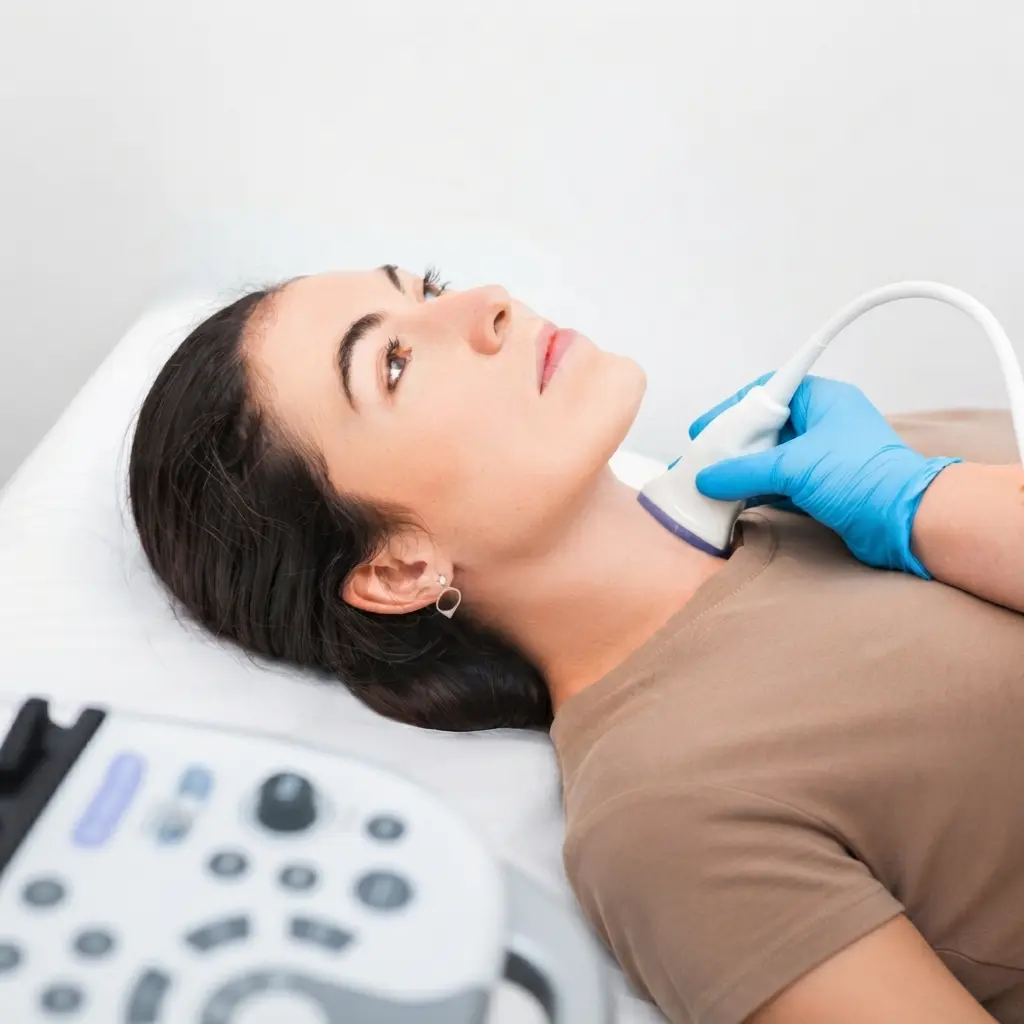
When necessary, imaging studies may be used to examine endocrine glands such as the thyroid, pituitary, adrenal glands, or other relevant structures. The type of imaging depends on the suspected condition.
Medication and Treatment Review
Certain medications and supplements can influence hormone levels or produce symptoms that resemble hormonal disorders. A review of current and previous medications can help specialists understand abnormal results and determine appropriate next steps.
Complex Endocrine Disorders
Some patients have multiple hormonal abnormalities or symptoms that overlap several endocrine conditions. In complex cases, a detailed evaluation can help coordinate testing and determine which conditions require further investigation.
Multidisciplinary Endocrine Care
Depending on the patient's diagnosis, care may involve endocrinologists, radiologists, surgeons, laboratory specialists, oncologists, reproductive specialists, or other healthcare professionals. Collaboration can be particularly useful for complex endocrine disorders.
Second Opinion
Patients who have already received an endocrine diagnosis or treatment recommendation may seek a specialist second opinion. Previous laboratory results, imaging, pathology reports, and treatment records can be reviewed as part of the evaluation.
Review of Previous Medical Records
International patients can provide relevant medical documentation for review, including hormone test results, imaging reports, previous diagnoses, medication history, and specialist recommendations. This information can help guide the next stage of evaluation.
Individualized Evaluation Plan
Hormonal disorders can have different causes and may present with similar symptoms. The evaluation plan is therefore tailored to the patient's clinical history, symptoms, examination findings, laboratory results, and suspected endocrine condition.
International Patient Care
International patients may receive coordinated evaluation according to their medical needs and applicable appointment requirements. Medical records can be reviewed to help determine appropriate consultations, diagnostic testing, and potential treatment pathways.
Benefits of Hormonal Disorders Evaluation
Comprehensive assessment of possible hormonal abnormalities
Identification of potential endocrine causes of symptoms
Specialist interpretation of hormone test results
Evaluation of thyroid, adrenal, pituitary, reproductive, and other endocrine systems
Appropriate use of laboratory and imaging investigations
Review of previous diagnoses and treatment recommendations
Individualized diagnostic planning
Coordinated care for complex endocrine conditions
Why Choose Mayo Clinic?
Mayo Clinic provides specialized evaluation for a broad range of endocrine and hormonal conditions. Patients may benefit from coordinated access to specialists involved in endocrinology, laboratory medicine, radiology, surgery, and other relevant medical disciplines when required.
Cost of Hormonal Disorders Evaluation
The total cost depends on the complexity of the evaluation, specialist consultations, laboratory tests, imaging, diagnostic procedures, and any additional services required. A personalized cost estimate can be determined after the patient's medical requirements are assessed.
Frequently Asked Questions
What symptoms may indicate a hormonal disorder?
Symptoms can vary widely and may include unexplained weight changes, fatigue, menstrual or fertility changes, abnormal growth, changes in blood pressure, excessive thirst, or other persistent symptoms. These symptoms can have many causes, so specialist evaluation may be necessary.
What tests are used to evaluate hormonal disorders?
Testing depends on the suspected condition and may include blood hormone measurements, glucose-related tests, imaging studies, stimulation or suppression testing, and other specialized investigations when clinically appropriate.
Can hormonal disorders be treated after evaluation?
Treatment depends on the underlying diagnosis. Management may include medication, lifestyle measures, hormone replacement, surgery, monitoring, or other therapies depending on the specific endocrine condition.
Can previous hormone test results be reviewed?
Yes. Previous laboratory reports, imaging studies, diagnoses, medication records, and specialist recommendations can be reviewed as part of a comprehensive endocrine evaluation.
Can international patients receive hormonal disorders evaluation at Mayo Clinic?
International patients may be evaluated subject to medical suitability, appointment availability, and applicable international patient requirements.
Product Details
Product Name: Hormonal Disorders Evaluation at Mayo Clinic
Hospital: Mayo Clinic
Brand: Mayo Clinic
Country: United States
Specialty: Endocrinology & Diabetes
Service Type: Hormonal Disorders Evaluation
Customer-Facing Price: Price on Request
International Patients: Subject to applicable eligibility and appointment requirements
Location: Rochester, Minnesota, USA
Related products






Frequently Bought Together
No frequently bought products found!
Products from this Seller
View All












Chemotherapy at Mayo Clinic

Immunotherapy at Mayo Clinic





Medical Tourism





Share with Friends
Trading is more effective when you share products with friends!Share you link
Share to