













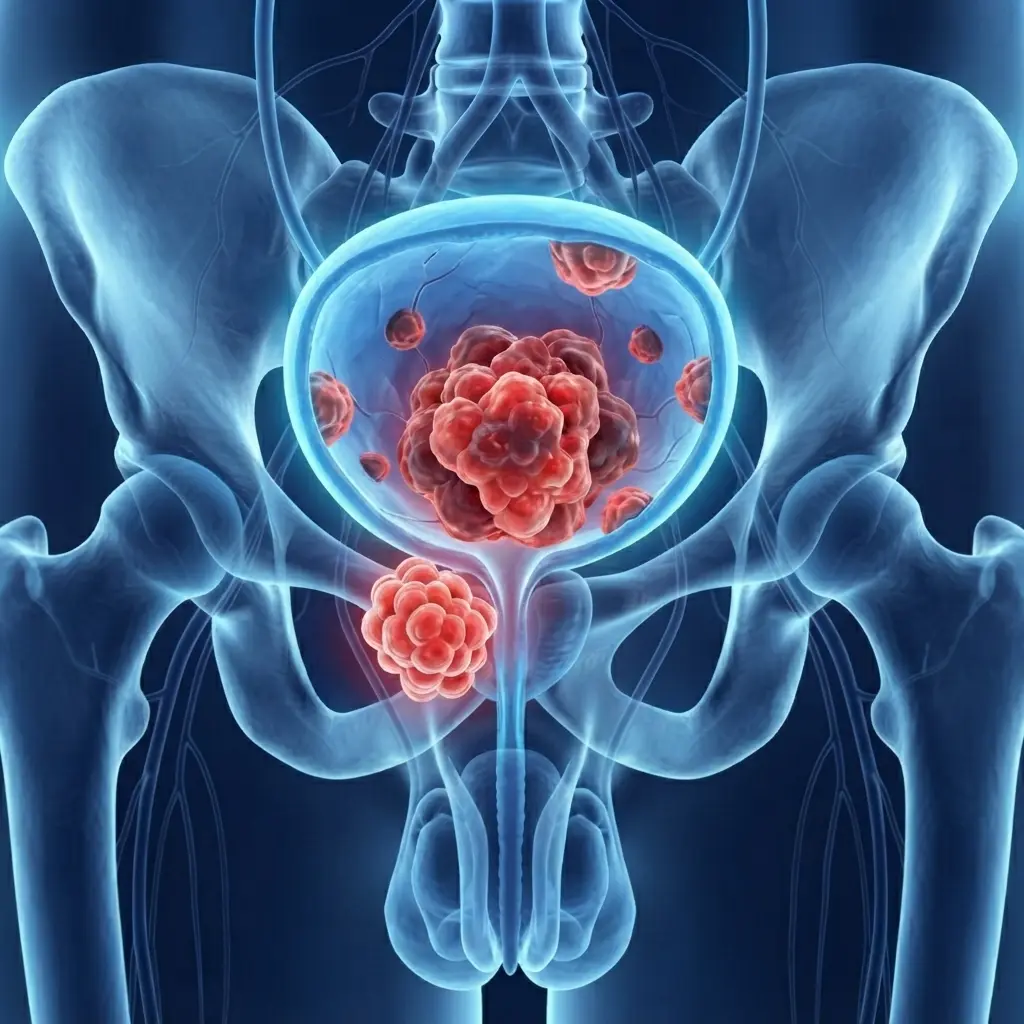
Bladder Cancer Treatment at Cleveland Clinic
Bladder Cancer Treatment at Cleveland Clinic provides specialized evaluation and individualized treatment planning for patients diagnosed with bladder cancer or suspected bladder tumors. Depending on the type, grade, and stage of cancer, treatment may include endoscopic procedures, tumor removal, intravesical therapy, bladder-preserving approaches, chemotherapy, immunotherapy, radiation therapy, or major surgery such as bladder removal. Treatment is selected according to the patient's medical condition and cancer characteristics.
Price
Price on Request
Why Price on Request?
The cost of bladder cancer treatment varies depending on the type and stage of cancer, diagnostic investigations, treatment approach, procedures or surgery required, hospital stay, medications, and follow-up care. International patients may have additional costs related to medical evaluation, travel, accommodation, and other services. A personalized treatment estimate can be provided after specialist assessment.
Complete Description
What Is Bladder Cancer Treatment?
Bladder cancer treatment refers to medical, surgical, and supportive approaches used to manage cancer that develops in the tissues of the urinary bladder.
Treatment planning depends on factors such as the type of bladder cancer, tumor size and number, cancer grade, depth of tumor involvement, whether the disease has spread, previous treatments, and the patient's overall health.
Who May Need Bladder Cancer Treatment?
Bladder cancer treatment may be considered for patients with:
A confirmed bladder cancer diagnosis
A suspicious bladder growth or tumor
Blood in the urine requiring cancer evaluation
Recurrent bladder tumors
Non-muscle-invasive bladder cancer
Muscle-invasive bladder cancer
Advanced or metastatic bladder cancer
Cancer that has returned after previous treatment
Complex cases requiring specialist review or a second opinion
The appropriate treatment is determined after a complete medical and diagnostic evaluation.
Bladder Cancer Diagnosis
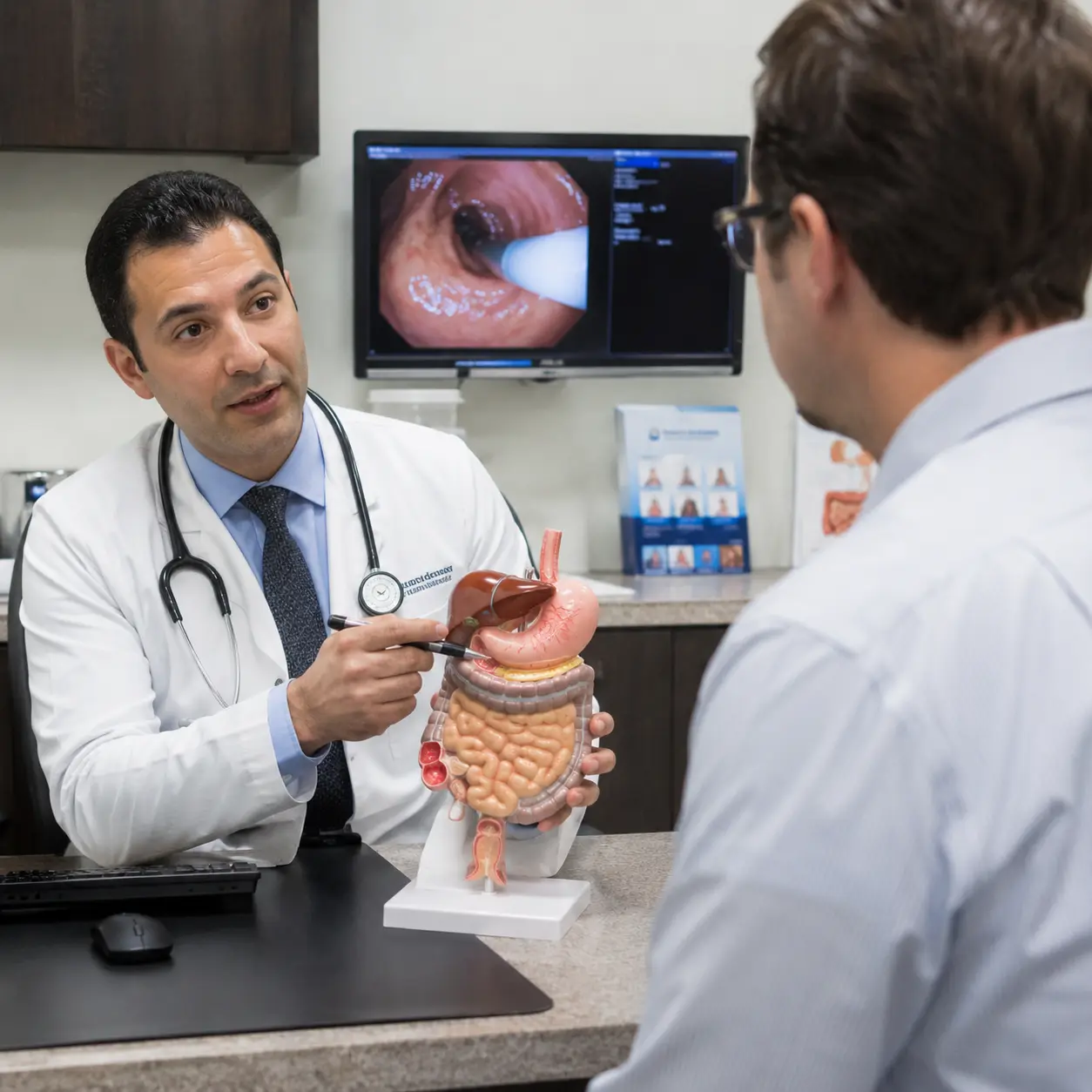
Accurate diagnosis is an important part of treatment planning. Evaluation may include medical history, physical examination, urine testing, blood tests, imaging studies, and examination of the bladder using cystoscopy.
When a suspicious lesion is identified, tissue may be obtained for pathological examination to determine the nature and characteristics of the cancer.
Cystoscopy and Bladder Evaluation
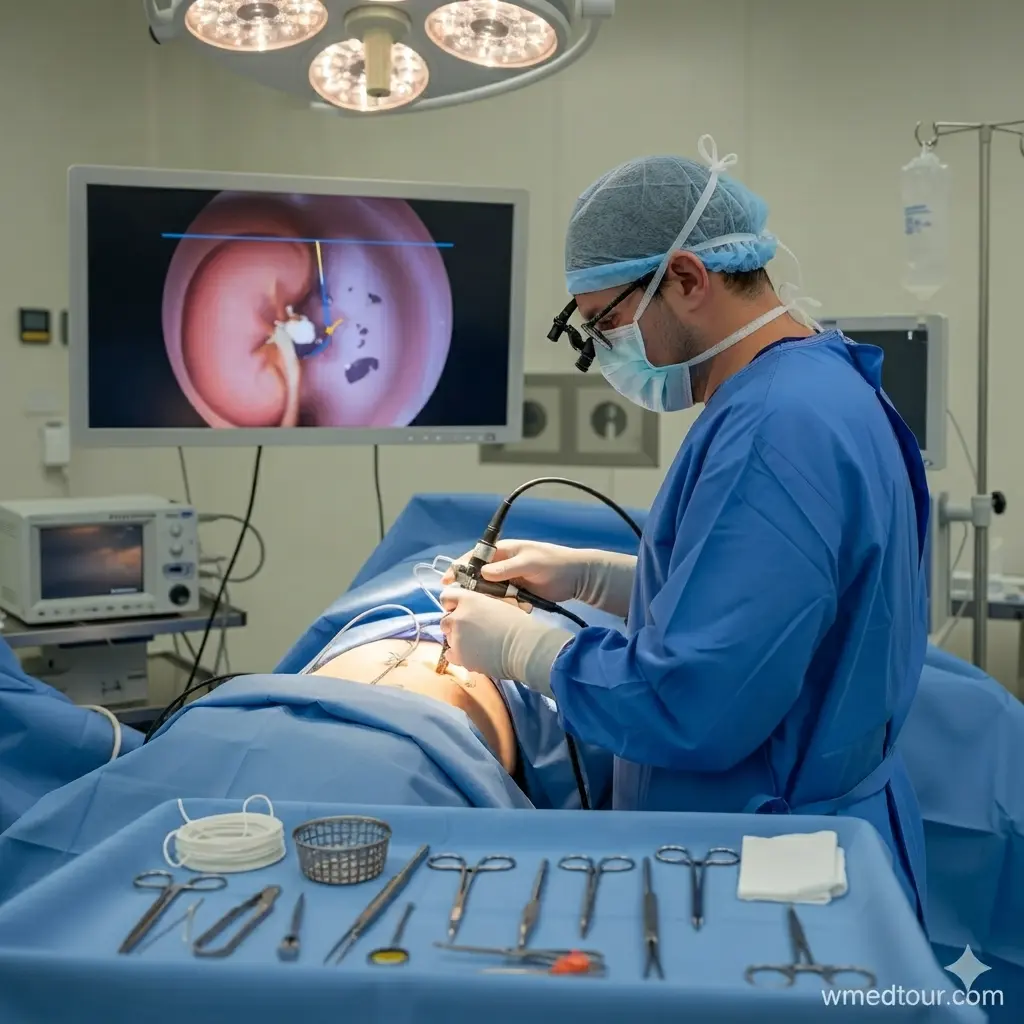
Cystoscopy allows specialists to examine the inside of the bladder and urinary tract using a specialized instrument.
It may be used to investigate symptoms such as blood in the urine, monitor previously treated bladder cancer, or assess suspicious areas identified during other investigations.
Transurethral Tumor Removal
For selected bladder tumors, a transurethral procedure may be used to remove visible cancerous tissue through the urinary passage without making an external abdominal incision.
The procedure may also provide tissue for laboratory examination, helping specialists determine the tumor's characteristics and guide further treatment.
Treatment of Non-Muscle-Invasive Bladder Cancer
Non-muscle-invasive bladder cancer has not grown deeply into the bladder muscle. Depending on tumor characteristics, treatment may include endoscopic tumor removal followed by bladder-directed therapy or structured surveillance.
Patients may require repeated examinations because bladder cancer can recur in some cases.
Intravesical Bladder Cancer Therapy
Intravesical therapy delivers medication directly into the bladder through a catheter.
This type of treatment may be considered for selected patients with non-muscle-invasive bladder cancer. The specific medication and treatment schedule depend on the patient's diagnosis, tumor characteristics, and previous treatment history.
Treatment of Muscle-Invasive Bladder Cancer
When bladder cancer has invaded the muscle layer, more extensive treatment may be required.
Depending on the patient's condition and cancer stage, treatment may involve systemic therapy, surgery, radiation therapy, or combinations of these approaches.
Bladder Removal Surgery
Radical cystectomy is a major surgical procedure involving removal of the bladder and, when clinically appropriate, nearby tissues or organs.
It may be considered for certain patients with muscle-invasive or high-risk bladder cancer. The need for this procedure depends on cancer stage and the overall treatment plan.
Urinary Reconstruction After Bladder Surgery
When bladder removal is required, urinary diversion may be created to allow urine to leave the body.
Different reconstruction options may be considered depending on the patient's anatomy, kidney function, cancer characteristics, overall health, and treatment goals.
Bladder-Preserving Treatment
For selected patients, treatment may be designed to preserve the bladder rather than remove it completely.
Bladder-preserving strategies can involve combinations of tumor removal, systemic therapy, radiation, and close monitoring. Suitability depends on the tumor and the patient's individual circumstances.
Advanced Bladder Cancer Treatment
When bladder cancer has spread to other parts of the body, treatment may require systemic therapy.
Depending on the cancer and previous treatment, options may include chemotherapy, immunotherapy, targeted treatments, or other oncology approaches. Treatment selection is based on disease characteristics and individual patient factors.
Recurrent Bladder Cancer
Bladder cancer may return after treatment, requiring continued monitoring and evaluation.
For recurrent disease, specialists may review previous pathology, treatment history, imaging, and current tumor characteristics before determining whether additional endoscopic treatment, bladder-directed therapy, surgery, or systemic treatment is appropriate.
Multidisciplinary Bladder Cancer Care
Complex bladder cancer cases may require collaboration between urologists, urologic oncologists, medical oncologists, radiation specialists, radiologists, pathologists, and other healthcare professionals.
Multidisciplinary planning can help coordinate diagnostic information and develop a treatment strategy suited to the patient's disease.
Bladder Cancer Second Opinion
Patients who have received a bladder cancer diagnosis may seek a specialist second opinion before beginning or changing treatment.
A second opinion can help review the diagnosis, pathology, cancer stage, treatment options, surgical recommendations, and potential bladder-preserving approaches.
Follow-Up and Monitoring
Follow-up care is an important part of bladder cancer management. Depending on the type and stage of cancer, monitoring may include cystoscopy, imaging, urine testing, laboratory assessments, and specialist appointments.
The follow-up schedule is determined according to the patient's treatment history and risk of recurrence.
International Patient Care
International patients may provide previous medical records, pathology reports, imaging studies, laboratory results, and treatment history for specialist review.
Following evaluation, Cleveland Clinic specialists can determine the appropriate diagnostic and treatment pathway based on the patient's individual medical circumstances and applicable appointment requirements.
Benefits of Bladder Cancer Treatment
Potential benefits of specialized bladder cancer care include:
Comprehensive evaluation of bladder tumors
Accurate assessment of cancer characteristics
Access to surgical and non-surgical treatment options
Management of early and advanced bladder cancer
Evaluation of recurrent bladder cancer
Consideration of bladder-preserving approaches when appropriate
Multidisciplinary treatment planning
Specialist second-opinion services
Structured follow-up and monitoring
Why Choose Cleveland Clinic?
Cleveland Clinic provides specialized care for urological cancers and complex urinary tract conditions. Bladder cancer management may involve coordinated care among urology, urologic oncology, medical oncology, radiation specialists, pathology, radiology, and other relevant disciplines.
This multidisciplinary approach can support comprehensive evaluation and individualized treatment planning for patients with different stages and forms of bladder cancer.
Cost of Bladder Cancer Treatment
The overall cost depends on the patient's diagnosis, cancer stage, diagnostic testing, treatment type, procedures or surgery, hospital stay, medications, and follow-up requirements.
Because treatment needs differ from one patient to another, the service is listed as Price on Request. A personalized cost estimate can be discussed after medical assessment and treatment planning.
Frequently Asked Questions
What treatments are available for bladder cancer?
Treatment may include transurethral tumor removal, intravesical therapy, chemotherapy, immunotherapy, radiation therapy, bladder-preserving treatment, or bladder removal surgery depending on the cancer type and stage.
Can bladder cancer be treated without removing the bladder?
Some bladder cancers can be managed with bladder-preserving treatments. Suitability depends on factors such as tumor stage, grade, location, recurrence pattern, and the patient's overall health.
What is cystoscopy used for in bladder cancer?
Cystoscopy allows specialists to directly examine the inside of the bladder. It may be used for diagnosis, assessment of suspicious areas, and monitoring after previous bladder cancer treatment.
Does bladder cancer require surgery?
Some patients may require surgery, while others may be treated with endoscopic procedures, bladder-directed therapy, systemic treatment, radiation, or combinations of approaches. Treatment depends on the individual diagnosis.
Can international patients receive bladder cancer treatment at Cleveland Clinic?
International patients may be eligible for specialist evaluation and treatment subject to applicable requirements. Previous medical records and diagnostic results can be reviewed to help determine an appropriate treatment plan.
Product Details
Product Name: Bladder Cancer Treatment at Cleveland Clinic
Hospital: Cleveland Clinic
Brand: Cleveland Clinic
Country: United States
Location: Cleveland, Ohio, USA
Specialty: Urology & Kidney
Service Type: Bladder Cancer Diagnosis, Treatment & Surgical Care
Customer-Facing Price: Price on Request
International Patients: Subject to applicable eligibility and appointment requirements
Treatment Availability: Based on specialist evaluation and clinical suitability
Related products




Frequently Bought Together
No frequently bought products found!
Products from this Seller
View All









Chemotherapy at Mayo Clinic

Immunotherapy at Mayo Clinic

Medical Tourism





Share with Friends
Trading is more effective when you share products with friends!Share you link
Share to