













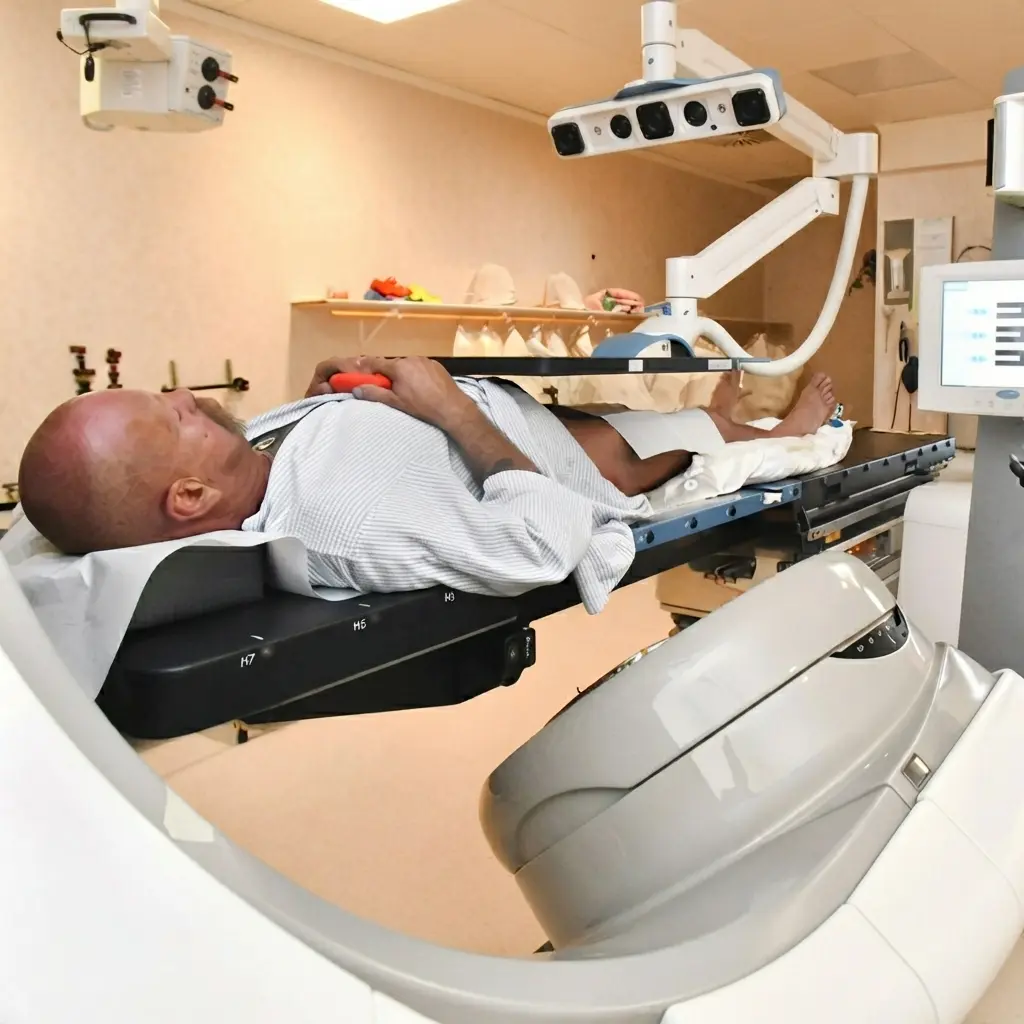
Prostate Cancer Treatment at Cleveland Clinic
Prostate Cancer Treatment at Cleveland Clinic provides specialist evaluation and treatment planning for men diagnosed with prostate cancer or those undergoing investigation for a suspected prostate malignancy. Prostate cancer can vary significantly in its aggressiveness, stage, location, and response to treatment, so care is individualized according to the patient's diagnosis and overall health.
Treatment planning may involve urology, radiation oncology, medical oncology, radiology, pathology, and other specialists depending on the patient's condition. Available approaches may include active surveillance, surgery, radiation-based treatment, systemic therapy, or combinations of treatments when clinically appropriate.
Price
Price on Request
Why Price on Request?
The cost of prostate cancer treatment depends on the cancer stage, diagnostic investigations, treatment approach, surgical or radiation requirements, medications, hospitalization, follow-up, and the patient's overall medical condition. International patients may have additional assessment and administrative requirements. A personalized estimate can be determined after reviewing the patient's medical records and treatment needs.
Complete Description
What Is Prostate Cancer?
Prostate cancer develops when abnormal cells in the prostate gland grow in an uncontrolled manner. Some prostate cancers grow slowly and may be monitored, while others can be more aggressive and require active treatment.
Treatment decisions depend on factors such as cancer grade, stage, PSA level, imaging findings, biopsy results, age, overall health, and patient preferences.
Who May Need Prostate Cancer Treatment?
Patients with a confirmed diagnosis of prostate cancer may require specialist assessment to determine the most appropriate management strategy.
Treatment planning can also be appropriate for patients with suspected prostate cancer following abnormal PSA results, prostate examination, imaging, or biopsy findings.
Prostate Cancer Diagnosis
Diagnosis may involve PSA testing, physical examination, prostate imaging, and prostate biopsy when clinically indicated.
Pathology assessment of biopsy tissue can provide important information about the characteristics and grade of the cancer.
Cancer Staging
Staging helps determine whether prostate cancer is confined to the prostate or has extended beyond it.
The staging process may involve imaging and other investigations according to the patient's risk profile and clinical findings.
Risk Assessment
Prostate cancer is categorized according to factors that help estimate how likely the cancer is to progress.
The medical team may consider PSA levels, tumor grade, biopsy findings, imaging, cancer stage, and other clinical information when developing a treatment plan.
Active Surveillance
For selected patients with lower-risk prostate cancer, active surveillance may be considered instead of immediate treatment.
This approach involves structured monitoring using appropriate examinations, PSA testing, imaging, and repeat assessment when required. Treatment may be recommended if evidence of disease progression develops.
Prostate Cancer Surgery
Surgery may be considered for selected patients when removal of the prostate is an appropriate treatment option.
The specific surgical approach depends on the patient's cancer characteristics, anatomy, overall health, and clinical circumstances.
Robotic-Assisted Prostate Surgery
For appropriate patients, robotic-assisted surgical techniques may be considered for prostate cancer surgery.
The potential benefits and risks of robotic surgery depend on the patient's individual condition, cancer characteristics, and surgical suitability.
Radiation Therapy
Radiation therapy uses targeted radiation to treat cancer cells. It may be considered as a primary treatment for selected prostate cancers or in combination with other treatments.
The type and schedule of radiation treatment depend on the cancer's characteristics and the patient's treatment plan.
Hormone Therapy
Some prostate cancers depend on male hormones, particularly androgens, to grow. Hormone-based treatment may therefore be used in selected cases to reduce the hormonal stimulation of cancer cells.
Hormone therapy may be used alone or together with other treatments depending on the stage and risk profile of the cancer.
Advanced and Metastatic Prostate Cancer
When prostate cancer has spread beyond the prostate, treatment may require a broader systemic approach.
Management can involve hormone-based treatment, chemotherapy, targeted treatments, radiation, or other therapies depending on the cancer's characteristics and previous treatments.
Recurrent Prostate Cancer
Cancer can return after initial treatment in some patients. Recurrence may be suspected because of rising PSA levels, imaging findings, or other clinical evidence.
The treatment approach depends on the previous treatment, location of recurrent disease, timing of recurrence, and overall health.
PSA Monitoring
PSA testing is an important component of prostate cancer evaluation and follow-up.
Changes in PSA levels may provide information about disease activity, but PSA results are interpreted together with clinical findings and other investigations rather than considered in isolation.
Prostate Imaging
Imaging can help identify suspicious areas within the prostate and assess whether cancer may have extended beyond the prostate.
Depending on the clinical situation, imaging may contribute to biopsy planning, staging, treatment selection, or follow-up.
Pathology and Biopsy Review
Pathology results provide important information about the characteristics and grade of prostate cancer.
Patients seeking specialist assessment may provide previous biopsy slides or pathology reports when available so that the diagnosis can be appropriately reviewed.
Multidisciplinary Prostate Cancer Care
Complex prostate cancer cases may require coordinated input from urologists, radiation oncologists, medical oncologists, radiologists, pathologists, and other specialists.
Multidisciplinary assessment can help integrate diagnostic information and treatment options into an individualized care plan.
Treatment Planning for Individual Patients
There is no single treatment suitable for every prostate cancer patient. The recommended approach depends on cancer stage, grade, risk category, age, general health, previous treatment, and individual preferences.
The specialist team may discuss potential benefits, risks, side effects, and alternatives before treatment decisions are made.
Management of Treatment Side Effects
Prostate cancer treatments can have different potential side effects. Depending on the treatment, these may involve urinary function, sexual function, bowel function, hormonal symptoms, or general wellbeing.
The medical team can discuss potential side effects and appropriate supportive management as part of treatment planning.
Second Opinion for Prostate Cancer
Patients who have received a prostate cancer diagnosis or treatment recommendation may seek a second opinion regarding staging, pathology, active surveillance, surgery, radiation, hormone therapy, or other treatment options.
Previous biopsy reports, pathology results, PSA history, imaging, and treatment records can be reviewed when available.
International Patients
International patients seeking prostate cancer treatment may require advance medical record review. Relevant PSA results, biopsy and pathology reports, imaging, previous treatment information, medication lists, and other clinical documents may be requested.
Treatment availability, eligibility, scheduling, diagnostic requirements, and financial arrangements depend on the patient's individual circumstances and applicable requirements.
Benefits of Prostate Cancer Treatment
Appropriate prostate cancer management aims to control or treat the cancer while considering the patient's overall health and quality of life.
Depending on the cancer stage and treatment strategy, care may focus on monitoring, local cancer control, reduction of recurrence risk, management of advanced disease, or symptom control.
Why Choose Cleveland Clinic for Prostate Cancer Treatment?
Cleveland Clinic provides specialized urological and cancer care within a multidisciplinary medical environment. Patients with prostate cancer may have access to specialists in urology, oncology, radiation therapy, pathology, radiology, and related fields.
This coordinated approach can support comprehensive evaluation, staging, treatment planning, and follow-up for different stages and risk profiles of prostate cancer.
Cost and Price on Request
The total cost of prostate cancer treatment varies according to diagnostic requirements, cancer stage, treatment approach, surgery or radiation, medications, hospitalization, and follow-up care.
Price on Request allows the treatment pathway and estimated expenses to be assessed according to the patient's specific diagnosis and medical requirements.
Frequently Asked Questions
How is prostate cancer diagnosed?
Diagnosis may involve PSA testing, clinical examination, imaging, and prostate biopsy when appropriate. Pathology assessment helps determine important characteristics of the cancer.
Does every prostate cancer patient need surgery?
No. Treatment depends on the cancer's risk category, stage, grade, patient health, and individual circumstances. Selected patients may be monitored through active surveillance or treated with radiation or other approaches.
What is active surveillance for prostate cancer?
Active surveillance is a structured monitoring approach that may be appropriate for selected lower-risk prostate cancers. Regular testing and assessment are used to monitor the disease and determine whether treatment becomes necessary.
Can prostate cancer return after treatment?
Yes. Recurrence can occur in some patients after initial treatment. Follow-up commonly includes PSA monitoring and additional assessment when clinically indicated.
Can international patients seek prostate cancer treatment at Cleveland Clinic?
International patients may be considered subject to applicable eligibility, appointment, medical assessment, and financial requirements. Medical records and previous diagnostic results may be requested before treatment planning.
Product Details
Product Name: Prostate Cancer Treatment at Cleveland Clinic
Hospital: Cleveland Clinic
Brand: Cleveland Clinic
Country: United States
Location: Cleveland, Ohio, USA
Specialty: Urology & Kidney
Service Type: Prostate Cancer Treatment
Customer-Facing Price: Price on Request
International Patients: Subject to applicable eligibility and appointment requirements
Related products








Frequently Bought Together
No frequently bought products found!
Products from this Seller
View All













Chemotherapy at Mayo Clinic

Immunotherapy at Mayo Clinic





Medical Tourism





Share with Friends
Trading is more effective when you share products with friends!Share you link
Share to