














Prostate Surgery at Cleveland Clinic
Prostate Surgery at Cleveland Clinic provides specialist surgical evaluation and treatment for selected prostate conditions, including prostate cancer, prostate enlargement, urinary obstruction, and other disorders affecting the prostate. The appropriate surgical approach depends on the underlying condition, severity of symptoms, prostate anatomy, cancer characteristics when applicable, and the patient's overall health.
Depending on the diagnosis, prostate surgery may involve minimally invasive, endoscopic, laparoscopic, or robotic-assisted techniques. A specialist urology assessment is generally required to determine whether surgery is appropriate.
Price
Price on Request
Why Price on Request?
The cost of prostate surgery varies according to the diagnosis, type of procedure, surgical approach, anesthesia, diagnostic testing, hospitalization, medications, and follow-up requirements. International patients may have additional assessment and administrative requirements. A personalized estimate can be provided after clinical evaluation and treatment planning.
Complete Description
What Is Prostate Surgery?
Prostate surgery refers to surgical procedures used to treat certain prostate conditions. The type of operation depends on whether the patient has prostate cancer, benign prostate enlargement, urinary obstruction, or another prostate-related condition.
The goal of surgery may be to remove cancerous tissue, relieve urinary obstruction, improve urinary flow, or address another specific prostate problem.
Who May Need Prostate Surgery?
Prostate surgery may be considered for selected patients with prostate cancer, significant benign prostate enlargement, persistent urinary obstruction, recurrent complications, or other conditions that have not responded adequately to non-surgical treatment.
A urologist evaluates the patient's diagnosis and overall health before recommending a surgical approach.
Prostate Cancer Surgery
For selected patients with localized prostate cancer, removal of the prostate may be considered as a treatment option.
The decision depends on factors such as cancer stage, grade, PSA level, imaging, biopsy findings, overall health, and the patient's treatment preferences.
Surgery for Enlarged Prostate
Benign prostate enlargement can cause difficulty urinating, weak urine flow, frequent urination, urgency, and incomplete bladder emptying.
When symptoms are significant or complications develop, surgical treatment may be considered to remove or reduce obstructive prostate tissue and improve urinary passage.
Robotic-Assisted Prostate Surgery
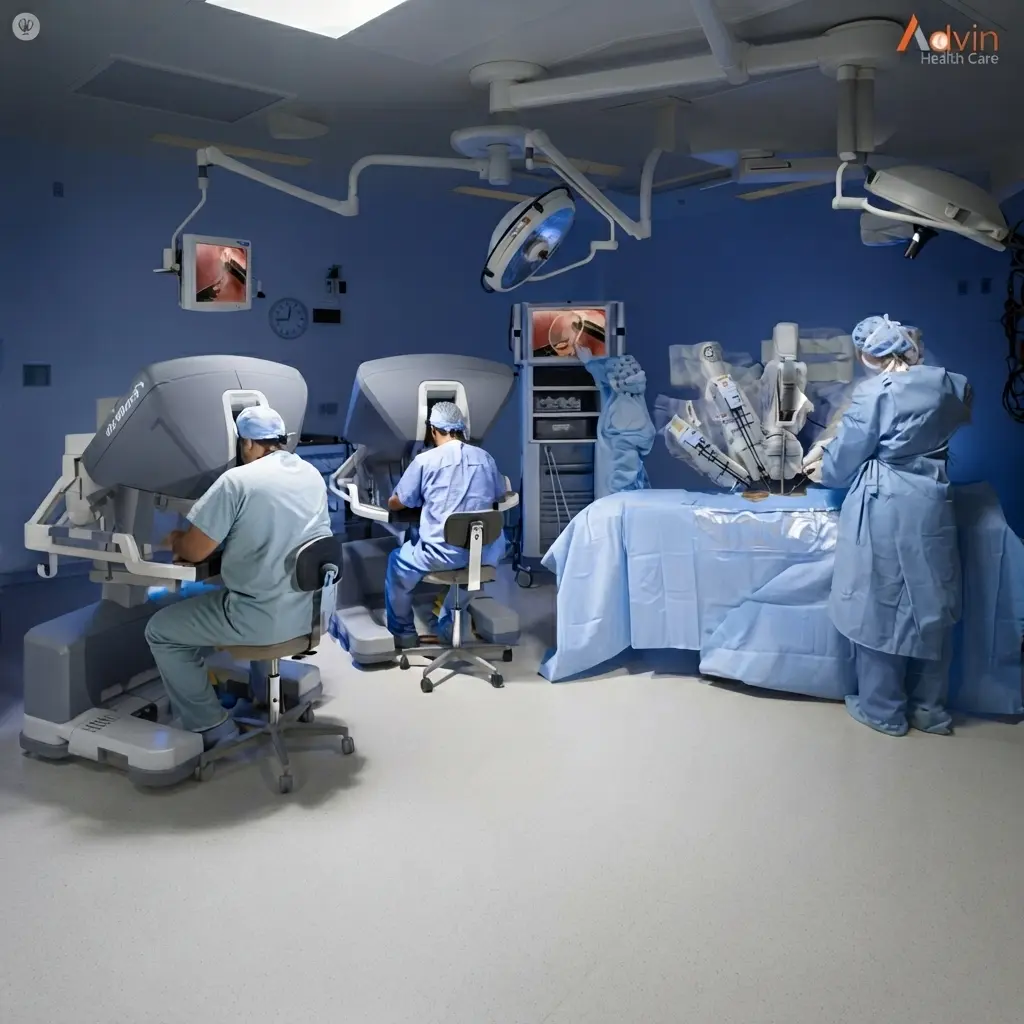
Robotic-assisted techniques may be used for selected prostate procedures, including certain prostate cancer operations.
The surgeon controls specialized instruments through a robotic surgical system. Whether robotic surgery is appropriate depends on the patient's diagnosis, anatomy, medical history, and surgical assessment.
Minimally Invasive Prostate Procedures
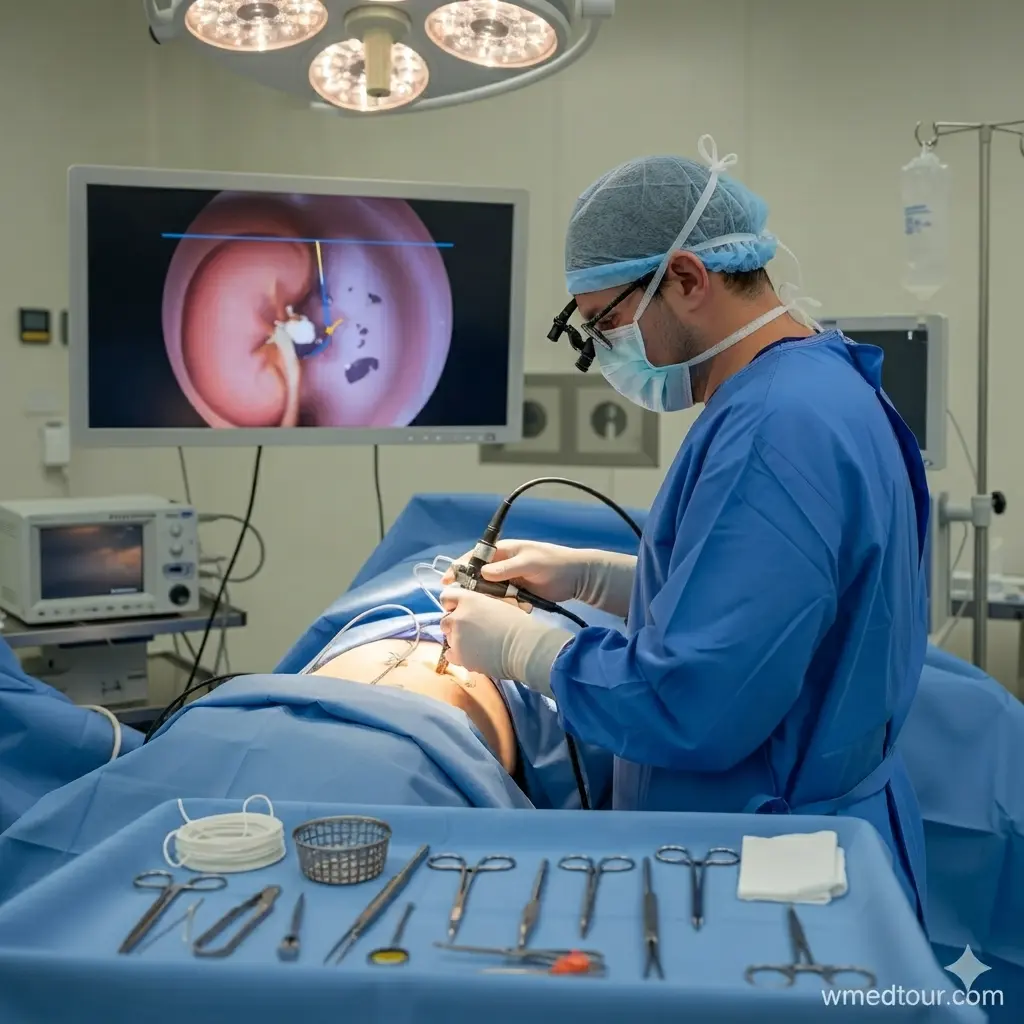
Some prostate conditions can be treated using minimally invasive techniques that access the prostate through small incisions or through the urinary tract.
The specific procedure is selected according to the patient's condition and treatment objectives.
Endoscopic Prostate Surgery
Certain prostate procedures can be performed endoscopically through the urinary tract without a large external incision.
These procedures may be considered for selected patients with prostate enlargement or urinary obstruction.
Evaluation Before Surgery
Before prostate surgery, the medical team may review the patient's medical history, medications, previous procedures, laboratory results, imaging, prostate-related tests, and other relevant information.
Additional investigations may be recommended to confirm the diagnosis and assess surgical suitability.
Prostate Imaging
Imaging can provide information about prostate size, anatomy, and potential cancer involvement when relevant.
Depending on the diagnosis, imaging may assist with surgical planning and evaluation of surrounding structures.
PSA Assessment
Prostate-specific antigen testing may form part of the evaluation for patients with prostate conditions.
PSA results are interpreted together with the patient's symptoms, examination findings, imaging, biopsy results, and other clinical information.
Biopsy and Pathology Review
For patients undergoing surgery for prostate cancer, biopsy and pathology information can be important in determining the appropriate treatment approach.
Previous pathology reports may be reviewed as part of specialist assessment and surgical planning.
Urinary Obstruction Treatment
Prostate enlargement can narrow the urinary passage and make it difficult for urine to flow normally.
When medication or conservative management is insufficient, a surgical procedure may be considered to improve urinary drainage.
Treatment for Recurrent Urinary Problems
Some patients with significant prostate enlargement may experience recurrent urinary retention, infections, bladder problems, or other complications.
When these problems are related to prostate obstruction, surgical treatment may be considered following specialist evaluation.
Surgical Approach Selection
The choice of surgical technique depends on the patient's diagnosis, prostate anatomy, cancer characteristics when applicable, previous treatments, general health, and surgeon assessment.
The medical team can discuss the potential benefits, risks, recovery expectations, and alternatives before the procedure.
Anesthesia and Hospital Care
Prostate surgery generally requires appropriate anesthesia and perioperative medical monitoring.
The duration of hospitalization and recovery varies according to the procedure performed, the patient's health, and whether complications occur.
Recovery After Prostate Surgery
Recovery depends on the type of prostate surgery and the patient's individual health. Patients may receive instructions regarding physical activity, wound or catheter care when applicable, medications, hydration, and follow-up appointments.
The treating team determines when normal activities can gradually be resumed.
Urinary Function After Surgery
Urinary symptoms can change following prostate surgery. Depending on the procedure, patients may experience temporary urinary frequency, urgency, discomfort, or leakage during recovery.
The expected recovery pattern varies according to the type of surgery and individual circumstances.
Sexual Function Considerations
Some prostate procedures can affect sexual function. The potential impact depends on the type of surgery, the patient's baseline health, cancer characteristics, and other factors.
Patients should discuss potential effects on sexual function with the urology team before treatment.
Postoperative Monitoring
Follow-up after prostate surgery may include clinical assessment, laboratory testing, pathology review, PSA monitoring for patients treated for prostate cancer, and evaluation of urinary or other symptoms.
The follow-up schedule depends on the procedure and underlying diagnosis.
Complex Prostate Conditions
Patients with advanced prostate disease, previous prostate procedures, significant urinary complications, or other complex medical conditions may require specialized surgical planning.
A multidisciplinary approach may be considered when prostate disease is associated with other significant medical problems.
Second Opinion for Prostate Surgery
Patients who have been advised to undergo prostate surgery may seek a second specialist opinion regarding the diagnosis, surgical approach, robotic or minimally invasive options, expected outcomes, or alternative treatments.
Previous imaging, biopsy results, pathology reports, PSA history, and treatment records can be reviewed when available.
International Patients
International patients seeking prostate surgery may require advance medical record review. Relevant PSA results, prostate imaging, biopsy reports, pathology findings, medication information, and previous treatment records may be requested.
Eligibility, appointment scheduling, surgical planning, treatment availability, and financial arrangements depend on the patient's individual circumstances and applicable requirements.
Benefits of Prostate Surgery
For appropriately selected patients, prostate surgery may help treat localized prostate cancer, relieve urinary obstruction, reduce symptoms caused by prostate enlargement, or address other prostate-related conditions.
The expected benefits depend on the underlying diagnosis and the surgical procedure selected.
Why Choose Cleveland Clinic for Prostate Surgery?
Cleveland Clinic provides specialized urological and surgical care within a multidisciplinary medical environment. Patients may have access to specialists involved in prostate cancer, benign prostate conditions, minimally invasive procedures, robotic surgery, imaging, pathology, and related areas of care.
Treatment planning is individualized according to the patient's diagnosis, medical history, anatomy, and treatment goals.
Cost and Price on Request
The total cost of prostate surgery depends on the type of procedure, diagnostic testing, surgical technique, anesthesia, hospitalization, medications, pathology, and follow-up care.
Price on Request allows the surgical pathway and estimated expenses to be assessed according to the patient's individual medical requirements.
Frequently Asked Questions
What conditions can prostate surgery treat?
Prostate surgery may be used for selected cases of prostate cancer, benign prostate enlargement, urinary obstruction, recurrent complications, and other prostate conditions requiring surgical management.
Is robotic prostate surgery suitable for everyone?
No. Robotic-assisted surgery is appropriate only for selected patients. Suitability depends on the diagnosis, anatomy, medical history, surgical requirements, and specialist assessment.
How long does recovery take after prostate surgery?
Recovery varies depending on the type of procedure, the patient's overall health, and whether complications occur. The surgical team provides individualized recovery and follow-up instructions.
Can prostate surgery affect urinary function?
Yes. Urinary function can temporarily or, in some cases, longer-term change after certain prostate procedures. The potential effects depend on the type of surgery and individual patient factors.
Can international patients receive prostate surgery at Cleveland Clinic?
International patients may be considered subject to applicable eligibility, medical assessment, appointment, and financial requirements. Previous diagnostic and treatment records may be requested for review.
Product Details
Product Name: Prostate Surgery at Cleveland Clinic
Hospital: Cleveland Clinic
Brand: Cleveland Clinic
Country: United States
Location: Cleveland, Ohio, USA
Specialty: Urology & Kidney
Service Type: Prostate Surgery
Customer-Facing Price: Price on Request
International Patients: Subject to applicable eligibility and appointment requirements
Related products



Frequently Bought Together
No frequently bought products found!
Products from this Seller
View All












Chemotherapy at Mayo Clinic

Immunotherapy at Mayo Clinic


Medical Tourism





Share with Friends
Trading is more effective when you share products with friends!Share you link
Share to