













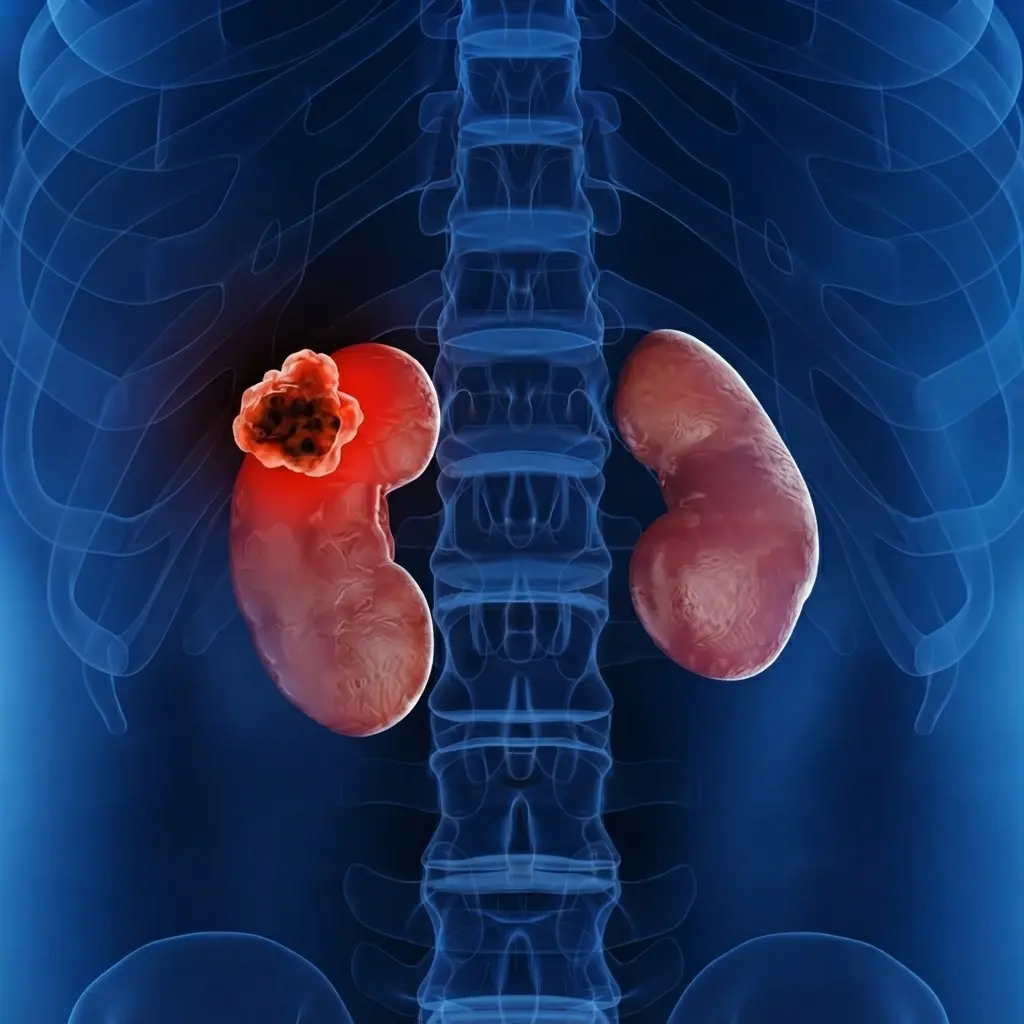
Kidney Cancer Treatment at Cleveland Clinic
Kidney Cancer Treatment at Cleveland Clinic provides individualized evaluation and treatment planning for patients diagnosed with kidney cancer or suspected renal tumors. Treatment may include active surveillance, minimally invasive procedures, partial or radical nephrectomy, ablation, targeted therapies, immunotherapy, radiation in selected situations, and multidisciplinary cancer care depending on the type, stage, location, and overall health of the patient.
Price
Price on Request
Why Price on Request?
The cost of kidney cancer treatment varies according to the patient's diagnosis, cancer stage, required diagnostic tests, treatment approach, surgical complexity, hospital stay, medications, and follow-up requirements. International patients may also have additional costs related to consultation, medical records review, travel, accommodation, and other services. A personalized treatment plan and cost estimate can be provided after medical evaluation.
Complete Description
What Is Kidney Cancer Treatment?
Kidney cancer treatment refers to medical and surgical approaches used to manage cancerous growths originating in the kidneys. The appropriate treatment depends on tumor size, location, cancer stage, kidney function, whether the disease has spread, and the patient's overall health.
At Cleveland Clinic, treatment planning may involve urologists, urologic oncologists, medical oncologists, radiologists, pathologists, radiation specialists, and other healthcare professionals when multidisciplinary care is appropriate.
Who May Need Kidney Cancer Treatment?
Kidney cancer treatment may be considered for patients with:
A confirmed kidney cancer diagnosis
A suspicious renal mass requiring further evaluation
Localized kidney tumors
Larger or complex kidney tumors
Cancer that has spread beyond the kidney
Recurrent kidney cancer
Multiple or bilateral kidney tumors
Kidney cancer requiring specialized surgical evaluation
A complex renal tumor requiring a second opinion
The recommended approach is determined after reviewing diagnostic findings and the patient's individual circumstances.
Kidney Cancer Diagnosis and Evaluation
A detailed evaluation is an important part of treatment planning. Depending on the case, assessment may include medical history, physical examination, blood tests, kidney function testing, urine testing, and imaging studies.
Imaging may include ultrasound, CT scans, MRI, or other appropriate examinations to determine the size and location of a renal mass and assess surrounding structures.
Kidney Tumor Assessment
The characteristics of a kidney tumor can influence treatment decisions. Specialists may evaluate its size, position within the kidney, relationship to blood vessels and nearby organs, and other imaging features.
The evaluation may also consider whether preserving as much healthy kidney tissue as possible is appropriate.
Partial Nephrectomy
Partial nephrectomy is a surgical procedure in which the tumor is removed while preserving the remaining healthy portion of the kidney.
This approach may be considered for selected patients, particularly when the tumor can be safely removed while maintaining useful kidney function. The surgical technique depends on tumor characteristics and patient-specific factors.
Radical Nephrectomy
Radical nephrectomy involves removal of the affected kidney and may be recommended for certain larger, centrally located, or otherwise complex kidney tumors when partial kidney removal is not considered appropriate.
The need for additional procedures may depend on the extent and characteristics of the disease.
Minimally Invasive Kidney Cancer Surgery
When clinically appropriate, kidney cancer surgery may be performed using minimally invasive techniques. These approaches can include laparoscopic or robotic-assisted surgery.
The suitability of minimally invasive treatment depends on tumor size, location, complexity, previous surgeries, and other medical considerations.
Robotic-Assisted Kidney Surgery
Robotic-assisted surgery may be considered for selected kidney tumors requiring partial or complete removal of the affected kidney.
The approach allows the surgical team to perform precise movements through small incisions and may be appropriate for certain complex cases. The final surgical method is selected according to the patient's anatomy and treatment requirements.
Treatment for Advanced Kidney Cancer
When kidney cancer has spread beyond the kidney, treatment may involve systemic therapies rather than surgery alone.
Depending on the cancer characteristics, treatment may include immunotherapy, targeted therapies, or other oncology treatments. In selected patients, surgery may also have a role as part of a broader treatment strategy.
Immunotherapy and Targeted Treatment
Some kidney cancers may respond to systemic treatments designed to help control cancer growth or stimulate the immune system to recognize cancer cells.
Targeted therapies and immunotherapy may be considered according to cancer type, stage, previous treatment, overall health, and other clinical factors.
Recurrent Kidney Cancer
Patients who have previously received treatment for kidney cancer may require ongoing monitoring for recurrence.
If cancer returns, the treatment plan may involve additional surgery, systemic therapy, imaging surveillance, or a combination of approaches depending on where the cancer has returned and its overall extent.
Kidney Function Preservation
Preserving kidney function can be an important consideration during treatment planning. When clinically appropriate, kidney-sparing approaches may be considered to retain healthy renal tissue.
The decision depends on the tumor's characteristics and whether cancer can be adequately treated while preserving part of the kidney.
Complex Kidney Tumors
Complex renal tumors may require specialized evaluation because of their size, location, proximity to important blood vessels, or relationship with surrounding structures.
A multidisciplinary assessment can help determine whether surgery, surveillance, ablation, systemic treatment, or another approach is appropriate.
Second Opinion for Kidney Cancer
Patients who have already received a kidney cancer diagnosis may seek a specialist second opinion before beginning treatment.
A second opinion may help clarify the diagnosis, cancer stage, available treatment options, surgical approach, and whether kidney-sparing treatment may be appropriate.
International Patient Care
International patients may undergo medical record review and specialist evaluation before traveling for treatment. Previous imaging, pathology reports, laboratory results, and treatment history can help the medical team understand the patient's condition.
After evaluation, the recommended treatment pathway may include further diagnostic testing, surgery, medical oncology treatment, or follow-up care depending on the individual case.
Benefits of Kidney Cancer Treatment
Potential benefits of specialized kidney cancer care include:
Comprehensive evaluation of renal tumors
Individualized treatment planning
Access to surgical and non-surgical treatment options
Consideration of kidney-sparing procedures when appropriate
Evaluation of complex kidney tumors
Multidisciplinary cancer care when required
Management of localized and advanced disease
Specialist review for second opinions
Ongoing monitoring and follow-up planning
Why Choose Cleveland Clinic?
Cleveland Clinic provides specialized medical and surgical care for complex urological and kidney conditions. Kidney cancer treatment may involve coordinated evaluation across urology, urologic oncology, medical oncology, radiology, pathology, and other relevant specialties.
For patients with complex tumors or advanced disease, this multidisciplinary approach can support comprehensive treatment planning based on the patient's diagnosis and individual medical needs.
Cost of Kidney Cancer Treatment
The total cost of kidney cancer treatment depends on the type and stage of cancer, diagnostic requirements, treatment approach, surgical complexity, hospital stay, medications, and follow-up care.
Because every patient's treatment pathway is different, the service is listed as Price on Request. A personalized estimate can be discussed after reviewing the patient's medical information and proposed treatment plan.
Frequently Asked Questions
What treatments are available for kidney cancer?
Treatment may include active surveillance, partial nephrectomy, radical nephrectomy, ablation, immunotherapy, targeted therapy, or combinations of treatments depending on the cancer and patient's condition.
Can kidney cancer be treated without removing the entire kidney?
In selected patients, partial nephrectomy or other kidney-preserving treatments may be possible. Suitability depends on tumor size, location, complexity, and other medical factors.
Is robotic surgery available for kidney cancer?
Robotic-assisted kidney surgery may be considered for selected patients. The appropriate surgical technique depends on the tumor and the patient's individual circumstances.
What happens if kidney cancer has spread?
Advanced kidney cancer may require systemic treatments such as immunotherapy or targeted therapy. Surgery may also be considered in selected cases as part of a broader treatment strategy.
Can international patients receive kidney cancer treatment at Cleveland Clinic?
International patients may be eligible for specialist evaluation and treatment subject to applicable requirements. Medical records and previous test results may be reviewed to help develop an appropriate treatment plan.
Product Details
Product Name: Kidney Cancer Treatment at Cleveland Clinic
Hospital: Cleveland Clinic
Brand: Cleveland Clinic
Country: United States
Location: Cleveland, Ohio, USA
Specialty: Urology & Kidney
Service Type: Kidney Cancer Diagnosis, Treatment & Surgical Care
Customer-Facing Price: Price on Request
International Patients: Subject to applicable eligibility and appointment requirements
Treatment Availability: Based on specialist evaluation and clinical suitability
Related products







Frequently Bought Together
No frequently bought products found!
Products from this Seller
View All













Chemotherapy at Mayo Clinic

Immunotherapy at Mayo Clinic





Medical Tourism





Share with Friends
Trading is more effective when you share products with friends!Share you link
Share to