












Bronchoscopy at Karolinska University Hospital
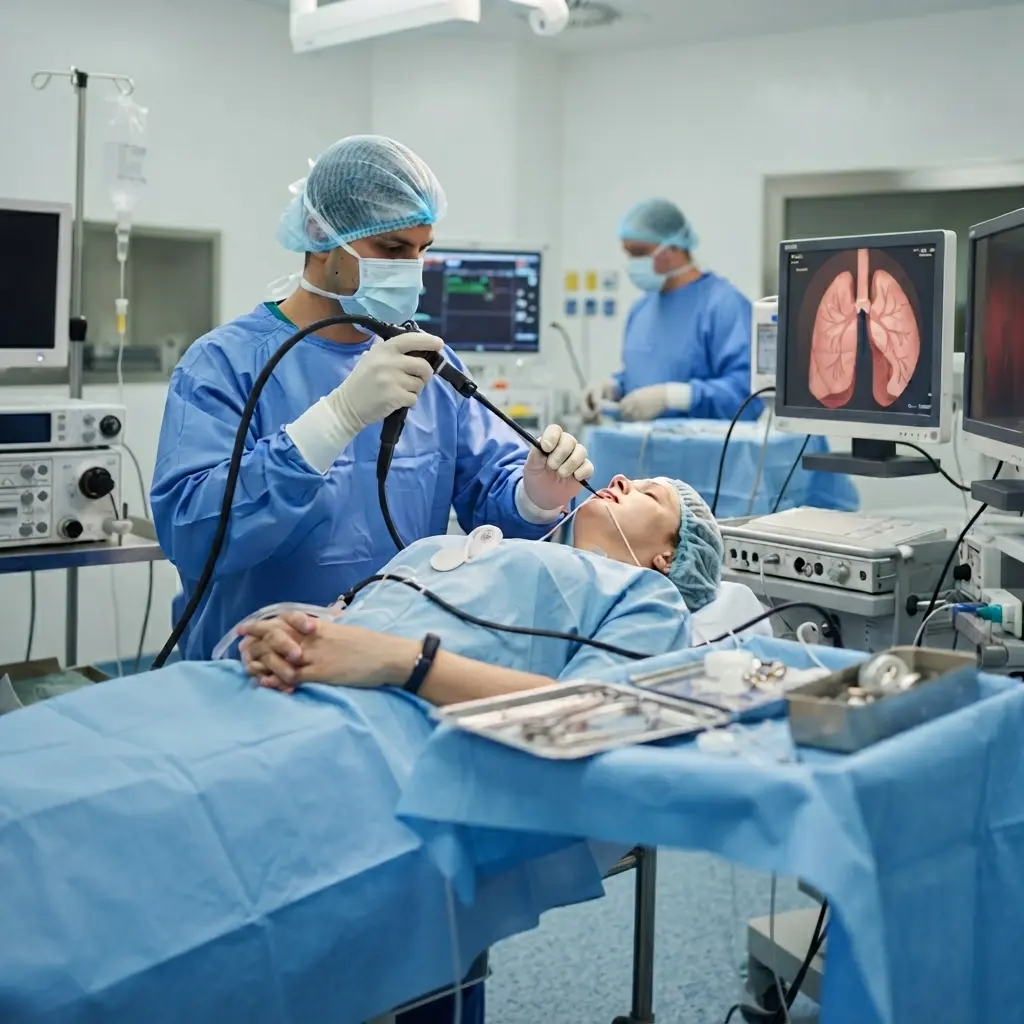
Bronchoscopy at Karolinska University Hospital is a specialist respiratory procedure used to examine the airways and, when clinically appropriate, obtain samples for further investigation. The procedure may support the diagnosis and assessment of respiratory conditions, unexplained lung abnormalities, infections, airway disorders, and selected lung diseases.
Price
Price on Request
Why Price on Request?
The cost of bronchoscopy depends on the reason for the procedure, type of bronchoscopy required, diagnostic tests or sampling performed, sedation or anesthesia requirements, laboratory analysis, and follow-up care. A personalized cost estimate can be provided after appropriate medical assessment.
Complete Description
What Is Bronchoscopy?
Bronchoscopy is a procedure that allows a specialist to examine the inside of the airways using a thin viewing instrument called a bronchoscope.
Depending on the clinical situation, the procedure may also allow the medical team to collect tissue, fluid, or other samples for laboratory or pathological analysis.
Bronchoscopy Assessment
Before the procedure, the respiratory team may review the patient's symptoms, medical history, medications, allergies, previous imaging, lung function, and other relevant investigations.
This assessment helps determine whether bronchoscopy is appropriate and which approach may be most suitable.
Diagnostic Bronchoscopy
Bronchoscopy may be used to investigate persistent respiratory symptoms, unexplained lung abnormalities, abnormal imaging findings, airway changes, or other conditions requiring direct examination of the respiratory tract.
Airway Examination
The bronchoscope allows the specialist to examine the airways for abnormalities such as narrowing, inflammation, bleeding, secretions, lesions, or other changes.
Findings can help guide further diagnosis and treatment planning.
Tissue and Fluid Sampling
When clinically appropriate, samples may be collected during bronchoscopy for laboratory, microbiological, cytological, or pathological examination.
The type of sample obtained depends on the suspected condition and the purpose of the procedure.
Bronchoalveolar Lavage
In selected cases, bronchoalveolar lavage may be performed during bronchoscopy. This involves introducing a small amount of sterile fluid into a specific area of the lung and collecting it for analysis.
The procedure may assist in investigating infection, inflammation, or other lung abnormalities.
Biopsy During Bronchoscopy
A small tissue sample may be obtained when clinically indicated.
Biopsy techniques vary according to the location and nature of the abnormality and are selected by the specialist based on the patient's individual circumstances.
Evaluation of Lung Abnormalities
Bronchoscopy may be considered when imaging identifies an unexplained lung or airway abnormality that requires further investigation.
The procedure can provide additional information that may not be available through imaging alone.
Investigation of Respiratory Infections
In selected patients, bronchoscopy can help investigate difficult-to-diagnose or complicated respiratory infections by allowing samples to be collected for laboratory testing.
Assessment of Airway Disorders
Bronchoscopy may help evaluate certain airway problems, including narrowing, obstruction, abnormal tissue growth, or other structural changes.
Further treatment or specialist referral may be considered according to the findings.
Preparation Before Bronchoscopy
Patients may receive instructions regarding eating and drinking, medications, blood-thinning medicines, and other preparation requirements before the procedure.
Specific instructions depend on the patient's medical condition and the planned type of bronchoscopy.
Sedation and Anesthesia
Depending on the procedure and clinical circumstances, sedation or anesthesia may be used to improve comfort and allow the examination to be performed safely.
The appropriate approach is determined by the medical team.
Post-Procedure Monitoring
Following bronchoscopy, patients may be monitored for recovery from sedation or anesthesia and for any procedure-related symptoms.
The healthcare team provides appropriate instructions regarding recovery and follow-up.
Safety and Risk Assessment
Before bronchoscopy, the medical team evaluates the patient's health, medications, respiratory status, and other factors that may influence procedural safety.
Potential risks and expected benefits can be discussed before the procedure.
Multidisciplinary Care
Depending on the findings, bronchoscopy may form part of a broader diagnostic pathway involving pulmonologists, radiologists, pathologists, thoracic surgeons, oncologists, or other specialists.
Second Opinion
Patients with unexplained lung abnormalities or previous recommendations for bronchoscopy may seek specialist review of their medical records, imaging, and proposed diagnostic plan.
International Patient Care
International patients may be considered for bronchoscopy following review of relevant medical information, imaging studies, laboratory results, and the clinical reason for the procedure.
Benefits of Bronchoscopy
Direct examination of the airways
Investigation of unexplained respiratory abnormalities
Collection of tissue and fluid samples when appropriate
Support for diagnosis of selected lung diseases
Investigation of difficult respiratory infections
Assessment of certain airway abnormalities
Assistance with individualized treatment planning
Integration with multidisciplinary respiratory care
Specialist evaluation before and after the procedure
Why Choose Karolinska University Hospital?
Karolinska University Hospital provides specialist respiratory and procedural care within an academic healthcare environment. Patients may benefit from pulmonology expertise, advanced diagnostic assessment, laboratory and pathology support, and multidisciplinary coordination when required.
Cost & Price on Request
The overall cost depends on the type of bronchoscopy, clinical indication, sampling or biopsy requirements, sedation or anesthesia, laboratory analysis, and follow-up care.
Because procedural requirements vary between patients, Bronchoscopy is offered at Price on Request following appropriate medical assessment.
Frequently Asked Questions
Why is bronchoscopy performed?
Bronchoscopy may be performed to examine the airways, investigate unexplained lung abnormalities, collect samples, evaluate infections, or investigate certain airway and lung conditions.
Can tissue samples be taken during bronchoscopy?
Yes. When clinically appropriate, tissue or other samples may be collected during the procedure for laboratory, pathological, or microbiological analysis.
Is sedation used during bronchoscopy?
Sedation or anesthesia may be used depending on the type of bronchoscopy, the patient's condition, and the clinical requirements of the procedure.
What happens after bronchoscopy?
Patients are monitored during recovery, particularly when sedation or anesthesia has been used. Additional follow-up may be arranged to discuss procedure findings and laboratory or pathology results.
Can international patients receive bronchoscopy at Karolinska University Hospital?
International patients may be considered for bronchoscopy subject to applicable eligibility, referral, appointment, clinical, and hospital requirements.
Product Details
Product Name: Bronchoscopy at Karolinska University Hospital
Hospital: Karolinska University Hospital
Brand: Karolinska University Hospital
Country: Sweden
Location: Stockholm, Sweden
Specialty: Pulmonology & Respiratory Medicine
Service Type: Bronchoscopy
Customer-Facing Price: Price on Request
International Patients: Subject to applicable eligibility and appointment requirements
Related products




Frequently Bought Together
No frequently bought products found!
Products from this Seller
View All

Chemotherapy at Mayo Clinic
Immunotherapy at Mayo Clinic
Medical Tourism





Share with Friends
Trading is more effective when you share products with friends!Share you link
Share to