














Respiratory Failure Treatment at Karolinska University Hospital
Respiratory Failure Treatment at Karolinska University Hospital
Respiratory Failure Treatment at Karolinska University Hospital provides specialist assessment and medical management for patients whose lungs are unable to provide adequate oxygen or remove carbon dioxide effectively. Care is individualized according to the underlying cause, severity of respiratory impairment, oxygen and carbon dioxide levels, and the patient's overall medical condition.
Price
Price on Request
Why Price on Request?
The cost of respiratory failure treatment depends on the severity and cause of the condition, diagnostic investigations, respiratory support requirements, medications, specialist consultations, monitoring, and duration of care. A personalized cost estimate can be provided after appropriate medical assessment.
Complete Description
What Is Respiratory Failure?
Respiratory failure occurs when the respiratory system cannot adequately maintain normal oxygen levels, remove carbon dioxide, or both.
It can develop suddenly or occur as a consequence of chronic lung disease. Treatment focuses on addressing the underlying cause while supporting breathing and maintaining appropriate oxygen and carbon dioxide levels.
Respiratory Assessment
The medical team may assess symptoms such as severe shortness of breath, rapid breathing, confusion, fatigue, reduced oxygen levels, or changes in consciousness.
The severity of respiratory impairment determines the urgency and type of treatment required.
Identification of the Underlying Cause
Respiratory failure can result from conditions such as severe asthma, COPD exacerbation, pneumonia, interstitial lung disease, pulmonary edema, neurological disorders, or other serious medical problems.
Identifying the underlying cause is an important part of treatment planning.
Oxygen Assessment
Blood oxygen levels may be monitored using pulse oximetry and, when required, arterial blood gas testing.
These assessments help determine the degree of respiratory impairment and guide appropriate respiratory support.
Carbon Dioxide Assessment
In some patients, respiratory failure is associated with elevated carbon dioxide levels.
Blood gas analysis and other clinical assessments may be used to evaluate carbon dioxide retention and guide treatment decisions.
Non-Invasive Respiratory Support
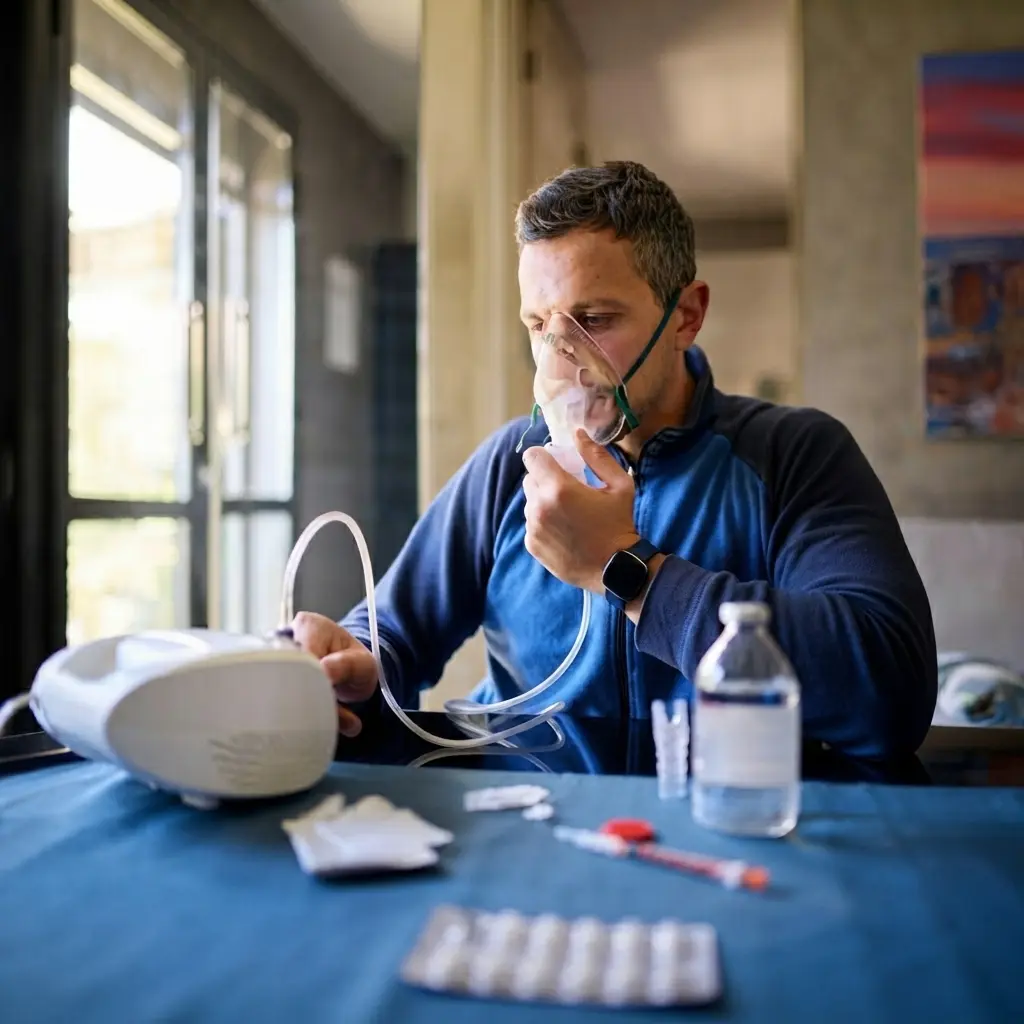
Selected patients may require non-invasive respiratory support to assist breathing.
Depending on the clinical situation, therapies such as non-invasive ventilation may be considered to support ventilation while avoiding invasive airway management when appropriate.
Mechanical Ventilation
Patients with severe respiratory failure may require invasive mechanical ventilation.
The need for mechanical ventilation depends on the patient's respiratory status, underlying condition, response to other treatments, and overall clinical assessment.
Medication and Medical Treatment
Treatment may include medications and other interventions directed at the underlying cause of respiratory failure.
Depending on the diagnosis, management may involve bronchodilators, antibiotics, anti-inflammatory treatment, diuretics, or other therapies when clinically appropriate.
Acute Respiratory Failure
Acute respiratory failure can develop rapidly and may require urgent medical intervention and close monitoring.
The treatment approach depends on the cause, severity, oxygenation, ventilation, and response to initial management.
Chronic Respiratory Failure
Patients with advanced chronic lung disease may develop long-term respiratory failure.
Management may involve oxygen assessment, non-invasive ventilation, medication optimization, pulmonary rehabilitation, and regular specialist follow-up when appropriate.
Monitoring and Critical Care
Patients with significant respiratory impairment may require continuous monitoring of oxygenation, ventilation, heart rate, blood pressure, and other vital parameters.
Severe cases may require care in an appropriate hospital or critical-care environment.
Management of Underlying Lung Disease
Long-term respiratory failure may be associated with chronic conditions such as COPD, pulmonary fibrosis, interstitial lung disease, or other complex respiratory disorders.
Treatment may therefore include management of the underlying lung condition alongside respiratory support.
Pulmonary Rehabilitation and Recovery
Patients recovering from severe respiratory illness may benefit from rehabilitation designed to support physical function, breathing capacity, and recovery.
The appropriate rehabilitation plan depends on the patient's condition and recovery stage.
Advanced Respiratory Support
Patients with severe or progressive respiratory disease may require evaluation for advanced respiratory support or other specialized treatment pathways.
The appropriate approach is determined through specialist assessment.
Individualized Treatment Planning
Respiratory failure management is tailored to the patient's clinical condition, underlying disease, respiratory function, and response to treatment.
The treatment plan may be adjusted as the patient's condition changes.
Second Opinion
Patients with complex respiratory failure or an existing treatment plan may seek specialist review of their diagnosis, investigations, respiratory support, and treatment approach.
International Patient Care
International patients may be considered for specialist respiratory assessment based on available medical records, imaging, blood gas results, lung function tests, previous treatments, and current clinical information.
Benefits of Respiratory Failure Treatment
Specialist assessment of respiratory failure
Evaluation of oxygen and carbon dioxide levels
Identification and treatment of underlying causes
Assessment of respiratory support requirements
Management of acute and chronic respiratory failure
Access to non-invasive or invasive respiratory support when appropriate
Monitoring of complex respiratory conditions
Individualized treatment planning
Multidisciplinary care for severe respiratory disease
Specialist follow-up and rehabilitation when required
Why Choose Karolinska University Hospital?
Karolinska University Hospital provides specialist respiratory and hospital-based medical care within an academic healthcare environment. Patients with complex respiratory conditions may benefit from multidisciplinary expertise, advanced respiratory assessment, close monitoring, and coordinated treatment planning.
Cost & Price on Request
The overall cost depends on the cause and severity of respiratory failure, diagnostic testing, respiratory support, medications, specialist consultations, monitoring requirements, and duration of care.
Because respiratory failure can require different levels of medical support, the service is offered at Price on Request following appropriate medical assessment.
Frequently Asked Questions
What can cause respiratory failure?
Respiratory failure may result from severe lung disease, infections, COPD exacerbations, asthma, interstitial lung disease, pulmonary edema, neurological conditions, or other serious medical problems.
How is respiratory failure assessed?
Assessment may include oxygen monitoring, blood gas analysis, physical examination, chest imaging, laboratory testing, and other investigations depending on the suspected cause.
Can respiratory failure require mechanical ventilation?
Severe respiratory failure may require mechanical ventilation when the patient cannot maintain adequate oxygenation or ventilation without respiratory support.
Can chronic respiratory failure be managed long term?
Yes. Depending on the underlying condition, long-term management may include oxygen therapy, non-invasive ventilation, medication, pulmonary rehabilitation, and specialist monitoring.
Can international patients receive respiratory failure treatment at Karolinska University Hospital?
International patients may be considered for specialist respiratory care subject to applicable eligibility, referral, appointment, hospital, and clinical requirements.
Product Details
Product Name: Respiratory Failure Treatment at Karolinska University Hospital
Hospital: Karolinska University Hospital
Brand: Karolinska University Hospital
Country: Sweden
Location: Stockholm, Sweden
Specialty: Pulmonology & Respiratory Medicine
Service Type: Respiratory Failure Treatment
Customer-Facing Price: Price on Request
International Patients: Subject to applicable eligibility and appointment requirements
Related products














Frequently Bought Together
No frequently bought products found!
Products from this Seller
View All











Chemotherapy at Mayo Clinic

Immunotherapy at Mayo Clinic



Medical Tourism





Share with Friends
Trading is more effective when you share products with friends!Share you link
Share to