














Pediatric Cochlear Implant Treatment at Karolinska University Hospital
Pediatric Cochlear Implant Treatment at Karolinska University Hospital
Pediatric Cochlear Implant Treatment at Karolinska University Hospital provides specialist evaluation and treatment planning for children with significant hearing loss who may be considered for cochlear implantation. Care includes age-appropriate hearing assessment, medical evaluation, candidacy assessment, implantation when appropriate, device programming, and auditory rehabilitation.
Price
Price on Request
Why Price on Request?
The cost of pediatric cochlear implant treatment varies depending on the child's hearing condition, diagnostic assessments, implant requirements, surgery, hospital care, device programming, rehabilitation, and follow-up needs. A personalized cost estimate can be provided after appropriate specialist evaluation.
Complete Description
What Is Pediatric Cochlear Implant Treatment?
Pediatric cochlear implant treatment is a comprehensive care pathway for children with significant hearing loss who may receive limited benefit from conventional hearing aids.
The process can include hearing assessment, medical and developmental evaluation, cochlear implant candidacy assessment, surgery when appropriate, device activation, programming, and ongoing auditory rehabilitation.
Pediatric Hearing Assessment
A detailed hearing assessment is an important part of determining whether a child may benefit from cochlear implantation. Testing is adapted to the child's age, developmental stage, communication abilities, and hearing history.
Previous hearing tests and hearing-aid information may also be reviewed.
Cochlear Implant Candidacy Evaluation
Not every child with hearing loss is suitable for cochlear implantation. The specialist team considers the severity and type of hearing loss, benefit from hearing aids, speech and language development, medical findings, communication needs, and other individual factors.
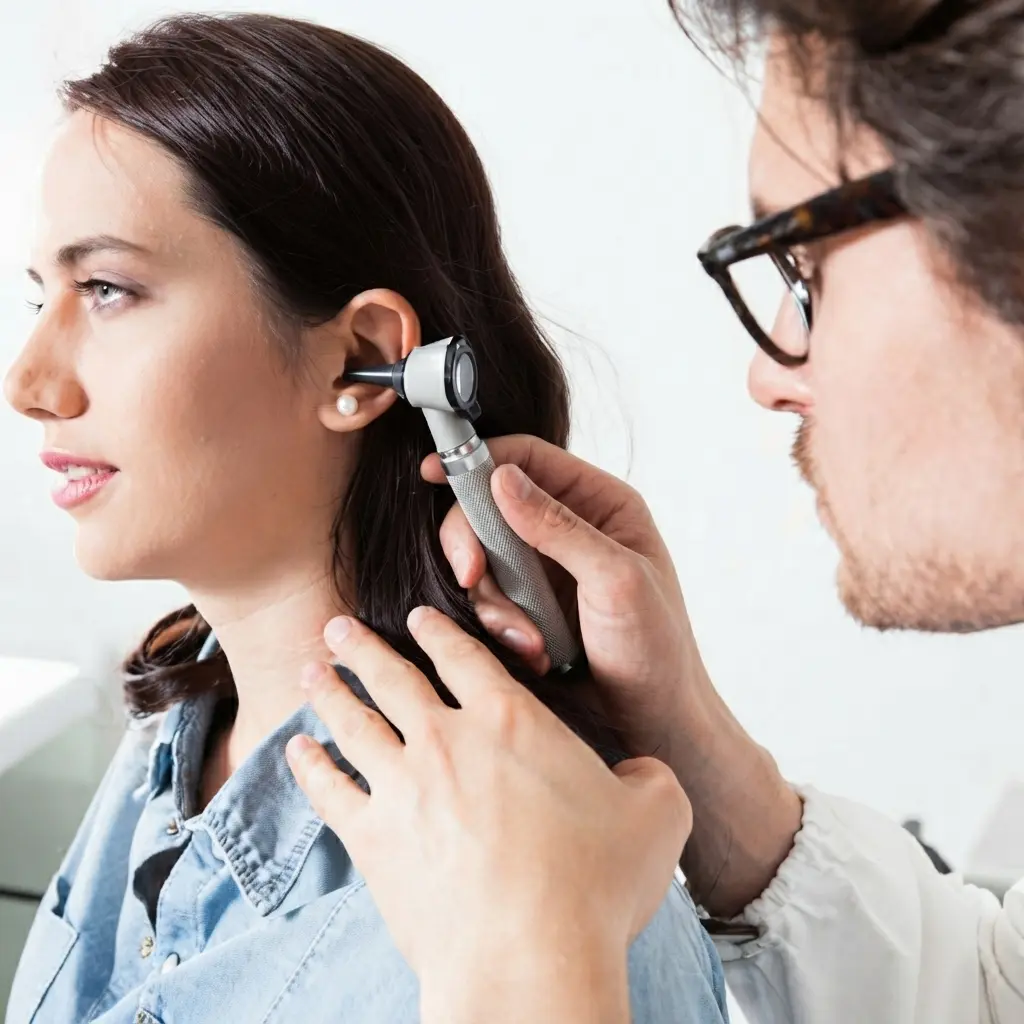
Medical and Ear Assessment
A medical evaluation may be performed to assess the child's overall health and the condition of the ears and inner-ear structures. Additional investigations may be recommended when clinically appropriate.
Imaging Before Implantation
Imaging may be used to evaluate the inner ear and relevant anatomical structures before surgery. The type of imaging depends on the child's condition and the requirements of the clinical assessment.
Speech and Language Assessment
Speech and language development may be considered during pediatric cochlear implant evaluation. Assessment can help the clinical team understand the child's current communication abilities and rehabilitation needs.
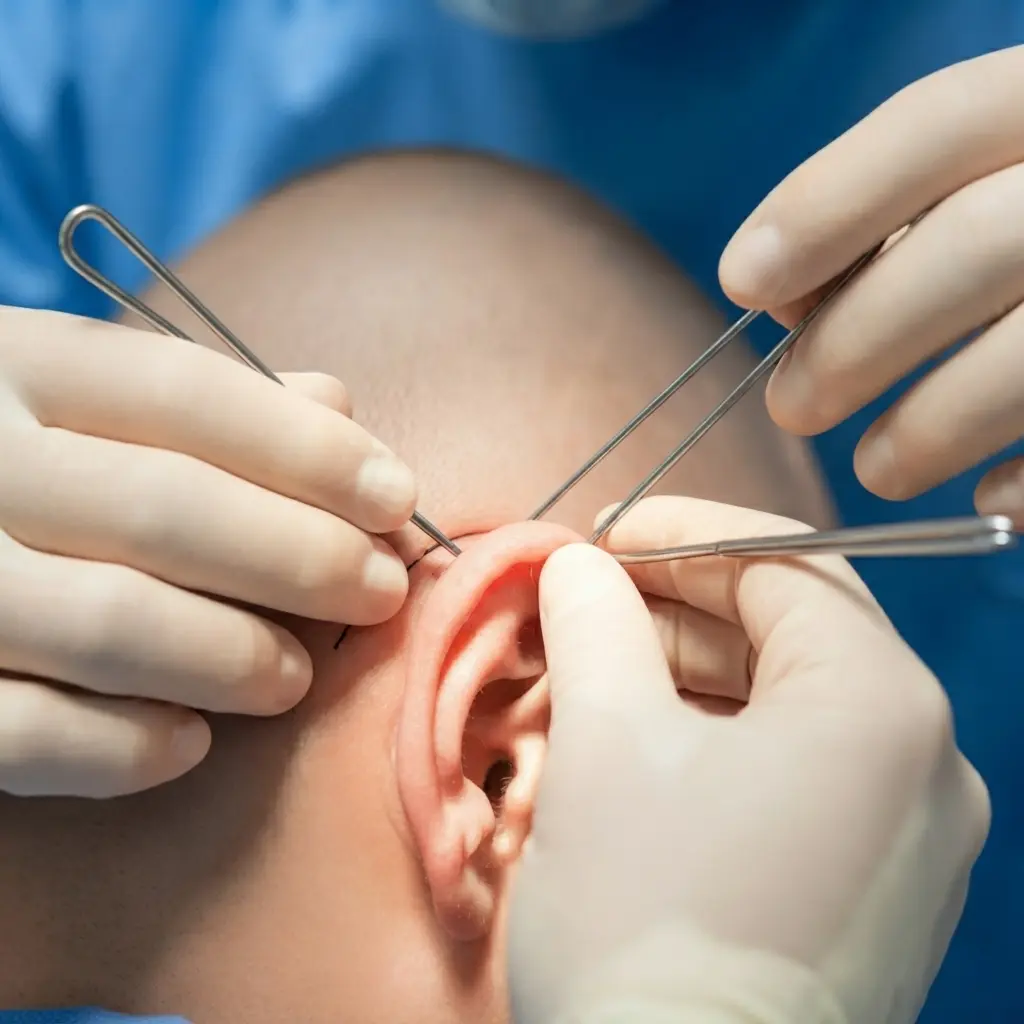
Cochlear Implant Surgery
For children who are considered appropriate candidates, cochlear implantation involves surgically placing the internal component of the device.
The surgical approach and preparation depend on the child's anatomy, medical condition, and individualized treatment plan.
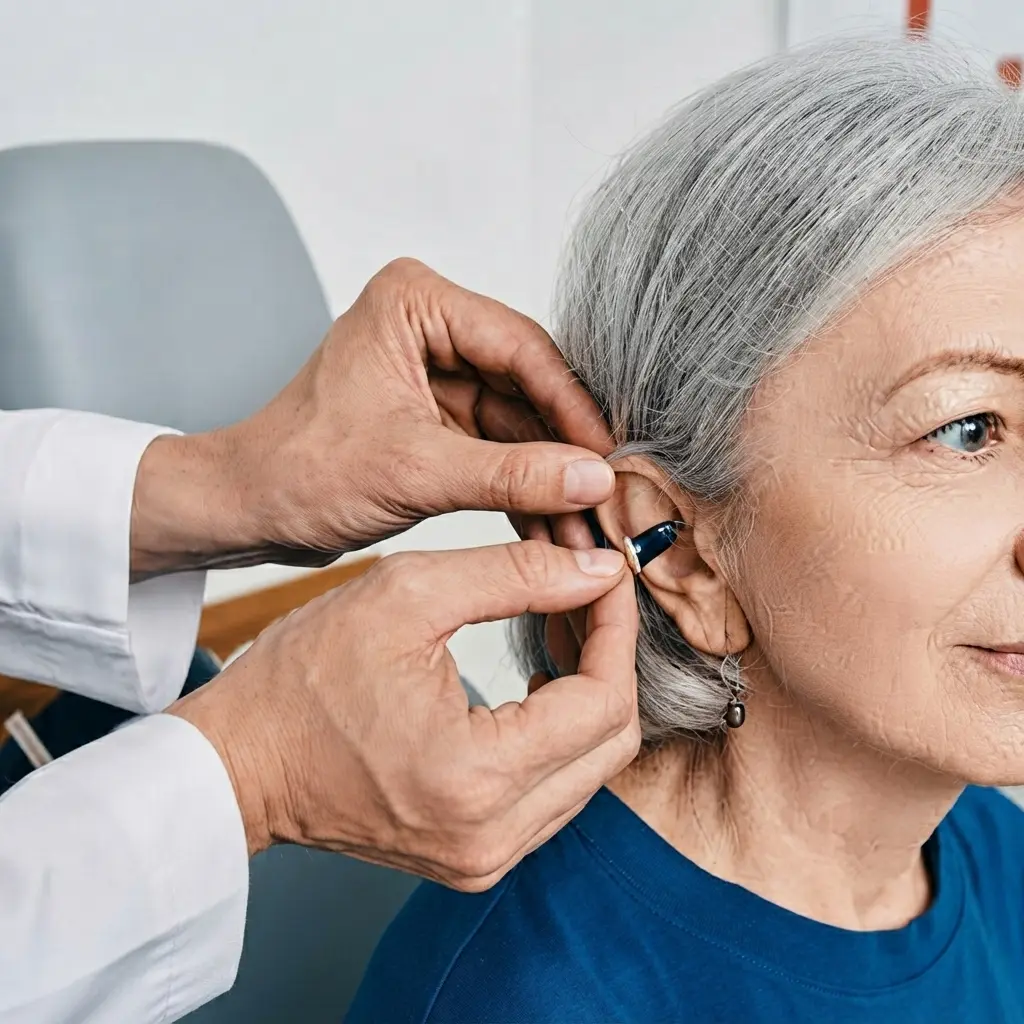
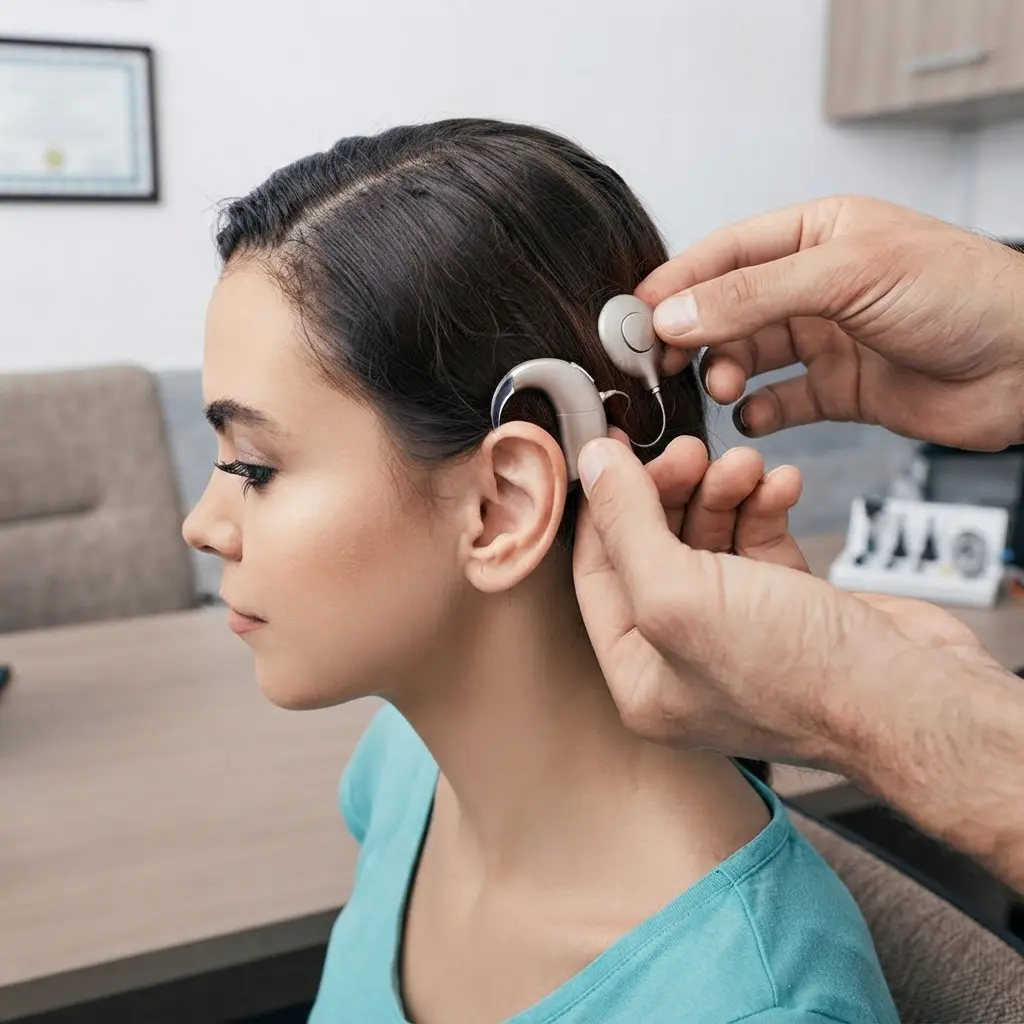
Device Activation and Programming
After the appropriate healing period, the external components of the cochlear implant can be fitted and programmed.
Programming is individualized and may be adjusted over time according to the child's hearing responses and rehabilitation progress.
Auditory Rehabilitation
Auditory rehabilitation is an important component of pediatric cochlear implant care. Children may receive structured support to develop listening skills and make effective use of the available hearing input.
The rehabilitation program is adapted to the child's age, hearing history, development, and communication needs.
Family and Caregiver Support
Parents and caregivers play an important role in pediatric cochlear implant care. Families may receive guidance regarding device use, follow-up appointments, rehabilitation, and communication strategies.
Early Hearing Intervention
For children with significant hearing loss, timely assessment and appropriate intervention may support access to sound during important stages of communication and language development.
Treatment timing is determined according to the child's individual clinical circumstances.
Multidisciplinary Pediatric Care
Pediatric cochlear implant treatment may involve collaboration between ENT specialists, audiologists, speech and language professionals, pediatric specialists, rehabilitation teams, and other healthcare professionals.
This coordinated approach supports comprehensive assessment and long-term care.
Long-Term Follow-Up
Children with cochlear implants require ongoing monitoring of hearing performance, device function, programming, communication development, and rehabilitation progress.
Follow-up needs may change as the child grows and develops.
Second Opinion
Families who have previously received advice regarding cochlear implantation may seek a specialist second opinion. Previous hearing tests, medical reports, imaging, and hearing-aid history can assist with further assessment.
International Patient Care
International children may be evaluated for cochlear implant treatment based on their hearing assessments, medical records, imaging, developmental information, and previous treatment history. Relevant documentation can assist with candidacy evaluation and treatment planning.
Benefits of Pediatric Cochlear Implant Treatment
Specialist assessment of significant childhood hearing loss
Age-appropriate hearing and audiological evaluation
Comprehensive cochlear implant candidacy assessment
Medical and anatomical evaluation before implantation
Cochlear implant surgery when clinically appropriate
Individualized device programming
Auditory and communication rehabilitation
Family and caregiver support
Multidisciplinary pediatric care
Long-term hearing and developmental follow-up
Support for international patients
Why Choose Karolinska University Hospital?
Karolinska University Hospital provides specialist ENT and hearing-related care within an academic healthcare environment. Children being considered for cochlear implantation may benefit from multidisciplinary assessment, individualized treatment planning, surgical care when appropriate, rehabilitation, and long-term follow-up.
Cost & Price on Request
The overall cost depends on the child's diagnostic assessment, implant requirements, surgical procedure, hospital services, device programming, rehabilitation, and follow-up care.
Because treatment requirements vary between children, Pediatric Cochlear Implant Treatment at Karolinska University Hospital is offered at Price on Request following appropriate specialist evaluation.
Frequently Asked Questions
Which children may be considered for cochlear implantation?
Children with significant hearing loss who receive insufficient benefit from appropriate hearing aids may be evaluated for cochlear implantation. Candidacy is determined through comprehensive specialist assessment.
Why is early assessment important for children with hearing loss?
Early assessment can help identify appropriate hearing and communication support during important stages of development. The timing of treatment depends on the child's individual hearing, developmental, and medical circumstances.
Does pediatric cochlear implantation require surgery?
Yes. Cochlear implantation involves surgically placing an internal component of the device. External components are fitted and programmed after the appropriate postoperative stage.
Is rehabilitation needed after a child's cochlear implant?
Yes. Ongoing auditory rehabilitation and device programming can be important for helping children develop listening and communication skills and make effective use of the implant.
Can international children receive pediatric cochlear implant treatment at Karolinska University Hospital?
International patients may be considered subject to applicable eligibility, referral, appointment, and hospital requirements. Hearing tests, imaging, developmental information, and previous medical records may be reviewed before treatment planning.
Product Details
Product Name: Pediatric Cochlear Implant Treatment at Karolinska University Hospital
Hospital: Karolinska University Hospital
Brand: Karolinska University Hospital
Country: Sweden
Location: Stockholm, Sweden
Specialty: ENT / Ear, Nose & Throat
Service Type: Pediatric Cochlear Implant Treatment
Customer-Facing Price: Price on Request
International Patients: Subject to applicable eligibility and appointment requirements
Related products










Frequently Bought Together
No frequently bought products found!
Products from this Seller
View All







Chemotherapy at Mayo Clinic

Immunotherapy at Mayo Clinic

Medical Tourism





Share with Friends
Trading is more effective when you share products with friends!Share you link
Share to