














Sinus Treatment at Karolinska University Hospital
Sinus Treatment at Karolinska University Hospital provides specialist assessment and management for patients experiencing sinus-related symptoms and conditions. Treatment is tailored to the underlying cause, severity of symptoms, medical history, and response to previous treatments.
Price
Price on Request
Why Price on Request?
The cost of sinus treatment varies depending on the underlying condition, diagnostic requirements, treatment approach, medication needs, procedures, and follow-up care. A personalized cost estimate can be provided after appropriate medical assessment.
Complete Description
What Is Sinus Treatment?
Sinus treatment involves the evaluation and management of conditions affecting the nasal passages and paranasal sinuses. Treatment may address symptoms such as nasal congestion, facial pressure, reduced sense of smell, nasal discharge, headaches, or recurrent sinus infections.
The appropriate approach depends on whether symptoms are related to infection, inflammation, allergy, structural abnormalities, chronic sinus disease, or another underlying condition.
Sinus Condition Assessment
The specialist may review symptoms, their duration, previous episodes, medications, allergies, previous treatments, and relevant medical history. Examination of the nose and surrounding structures may help identify possible causes of persistent or recurrent symptoms.
Chronic Sinusitis Management
Patients with persistent or recurrent sinus symptoms may require assessment for chronic sinusitis. Management can involve medical treatment, monitoring, and evaluation for contributing factors when appropriate.
Treatment recommendations depend on symptom severity and the underlying cause.
Acute Sinus Problems
Acute sinus symptoms may develop following respiratory infections or other inflammatory conditions. The medical team can assess the symptoms and determine whether supportive care, medication, further investigation, or specialist follow-up is appropriate.
Nasal Congestion and Inflammation
Nasal swelling and inflammation can contribute to difficulty breathing through the nose and sinus discomfort. Treatment may focus on reducing inflammation and addressing the underlying condition.
Sinus Infections
Patients with suspected sinus infections may be evaluated to determine the likely cause and appropriate treatment. The management approach depends on the clinical presentation and whether symptoms are acute, recurrent, or persistent.
Allergy-Related Sinus Symptoms
Allergies can contribute to nasal inflammation, congestion, and sinus-related discomfort. When allergic factors are suspected, assessment may help determine whether allergy management should form part of the overall treatment plan.
Reduced Sense of Smell
Changes in the sense of smell can occur with nasal inflammation, chronic sinus disease, infections, polyps, or other conditions. Persistent loss or reduction of smell may require specialist evaluation to identify the underlying cause.
Nasal Polyps
Nasal polyps can contribute to congestion, reduced smell, and chronic sinus symptoms. Patients with suspected or known nasal polyps may receive specialist assessment and individualized treatment planning.
Diagnostic Evaluation
Depending on the patient's symptoms, further investigations may be recommended. These can include nasal examination, imaging studies, or other assessments when clinically indicated.
Diagnostic testing helps the specialist understand the condition and determine an appropriate treatment strategy.
Medication-Based Treatment
Depending on the diagnosis, treatment may include medications intended to manage inflammation, congestion, infection, allergy-related symptoms, or other contributing factors. Medication selection is based on the patient's clinical needs and medical history.
When Surgery May Be Considered
Some patients with persistent sinus disease may require evaluation for surgical treatment when symptoms do not respond adequately to appropriate medical management or when structural problems contribute to the condition.
Surgical suitability is determined after specialist assessment.
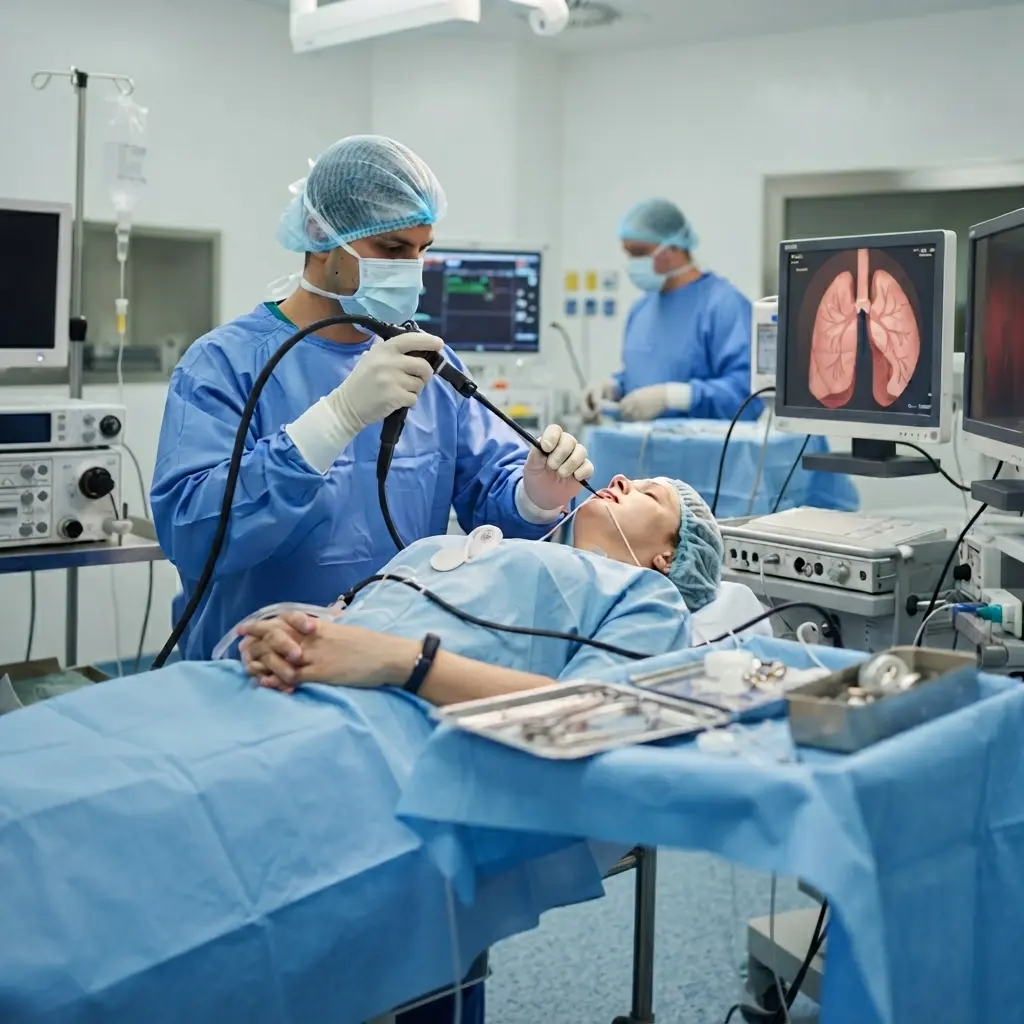
Endoscopic Sinus Treatment
Endoscopic techniques may be considered for selected patients with chronic or structurally related sinus problems. These procedures are planned according to the patient's anatomy, diagnosis, and treatment objectives.
Individualized Treatment Planning
Sinus conditions can have different causes and may respond differently to treatment. A personalized management plan is therefore developed according to the patient's symptoms, diagnostic findings, previous treatment, and overall health.
Follow-Up Care
Follow-up may be recommended to evaluate symptom improvement, treatment response, and the need for further management. Patients receiving procedures may require additional monitoring during recovery.
Second Opinion
Patients who have received a previous diagnosis or treatment recommendation for chronic sinus disease may seek a specialist second opinion. A detailed review can help clarify the diagnosis, treatment alternatives, and whether further intervention may be appropriate.
International Patient Care
International patients may be assessed for sinus treatment based on their medical history, symptoms, previous diagnostic reports, and treatment history. Relevant imaging and medical records may assist the specialist in planning appropriate care.
Benefits of Sinus Treatment
Specialist evaluation of sinus-related symptoms
Assessment of acute and chronic sinus conditions
Evaluation of recurrent sinus problems
Management of nasal congestion and inflammation
Assessment of allergy-related sinus symptoms
Evaluation of nasal polyps and reduced sense of smell
Medical treatment planning based on individual needs
Assessment for surgical treatment when clinically appropriate
Follow-up and ongoing specialist care
Why Choose Karolinska University Hospital?
Karolinska University Hospital provides specialist ENT care within an academic healthcare environment. Patients with persistent, recurrent, or complex sinus conditions may benefit from comprehensive assessment and coordinated treatment planning based on their individual clinical needs.
Cost & Price on Request
The overall cost depends on the patient's diagnosis, diagnostic investigations, selected treatment, medications, procedures, and follow-up requirements.
Because treatment requirements vary between patients, Sinus Treatment at Karolinska University Hospital is offered at Price on Request following appropriate medical assessment.
Frequently Asked Questions
What sinus conditions can be treated?
Sinus treatment may address conditions such as acute or chronic sinusitis, nasal inflammation, recurrent sinus problems, nasal polyps, and other conditions affecting the nasal and sinus passages.
When should I seek specialist sinus treatment?
Specialist assessment may be appropriate when sinus symptoms persist, repeatedly return, significantly affect daily activities, or do not improve with appropriate initial treatment.
Can sinus treatment include medication?
Yes. Depending on the underlying condition, treatment may include medication and other non-surgical approaches. The appropriate treatment is determined after clinical assessment.
When is sinus surgery considered?
Surgery may be considered for selected patients with persistent symptoms, structural problems, or chronic sinus disease that has not responded adequately to appropriate medical treatment.
Can international patients receive sinus treatment at Karolinska University Hospital?
International patients may be considered subject to applicable eligibility, referral, appointment, and hospital requirements. Medical records and previous diagnostic information may be reviewed before treatment planning.
Product Details
Product Name: Sinus Treatment at Karolinska University Hospital
Hospital: Karolinska University Hospital
Brand: Karolinska University Hospital
Country: Sweden
Location: Stockholm, Sweden
Specialty: ENT / Ear, Nose & Throat
Service Type: Sinus Treatment
Customer-Facing Price: Price on Request
International Patients: Subject to applicable eligibility and appointment requirements
Related products
















Frequently Bought Together
No frequently bought products found!
Products from this Seller
View All












Chemotherapy at Mayo Clinic

Immunotherapy at Mayo Clinic




Medical Tourism





Share with Friends
Trading is more effective when you share products with friends!Share you link
Share to