













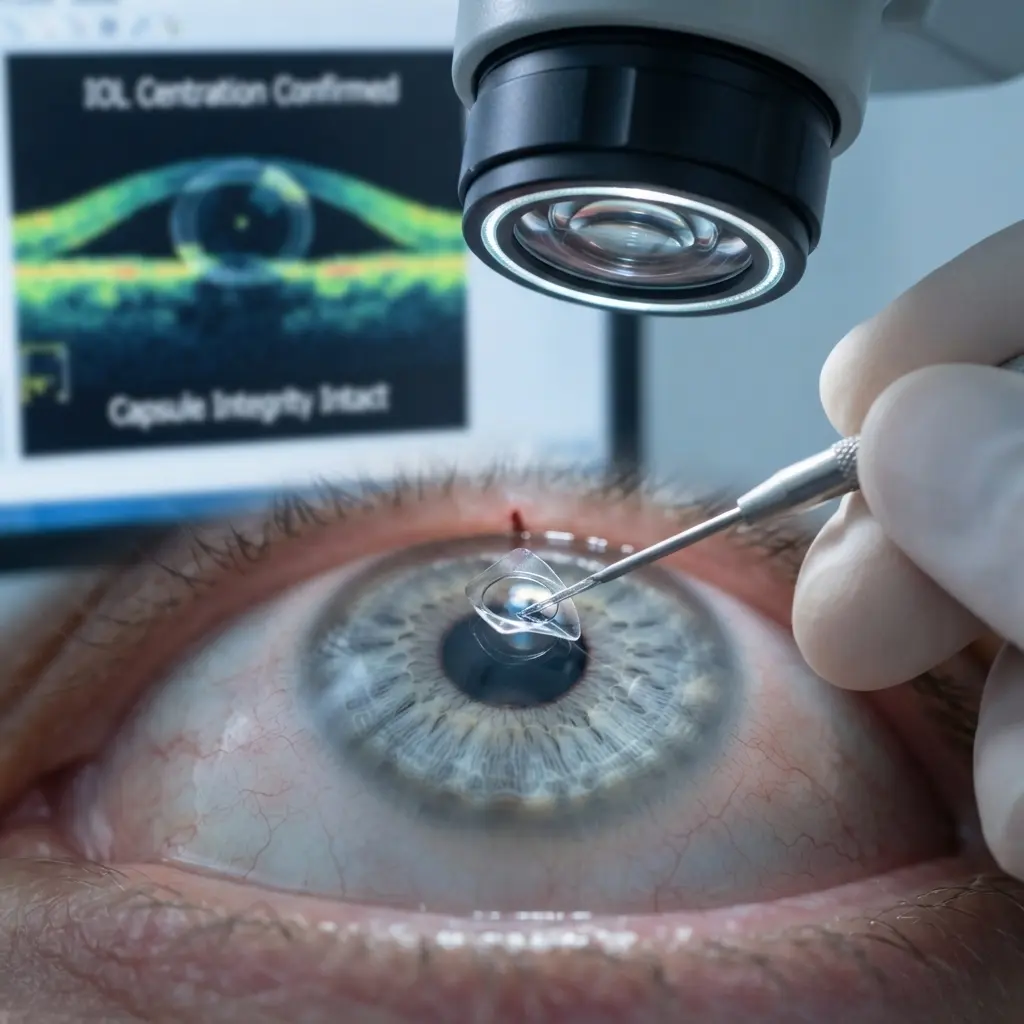
Cataract Surgery at Cleveland Clinic
Cataract Surgery at Cleveland Clinic provides specialist surgical treatment for patients whose vision is affected by cataracts. Cataract surgery involves removing the cloudy natural lens of the eye and, when appropriate, replacing it with an artificial intraocular lens to improve visual clarity.
Price
Price on Request
Why Price on Request?
The cost of cataract surgery varies depending on the complexity of the cataract, diagnostic assessment, surgical technique, intraocular lens selected, anesthesia requirements, and postoperative care. A personalized cost estimate can be provided after appropriate ophthalmic evaluation.
Complete Description
What Is Cataract Surgery?
Cataract surgery is a procedure used to treat a cataract, a clouding of the natural lens of the eye that can interfere with clear vision.
When the cataract significantly affects daily activities or visual function, an ophthalmologist may recommend surgical treatment based on the patient's individual condition.
Cataract Assessment
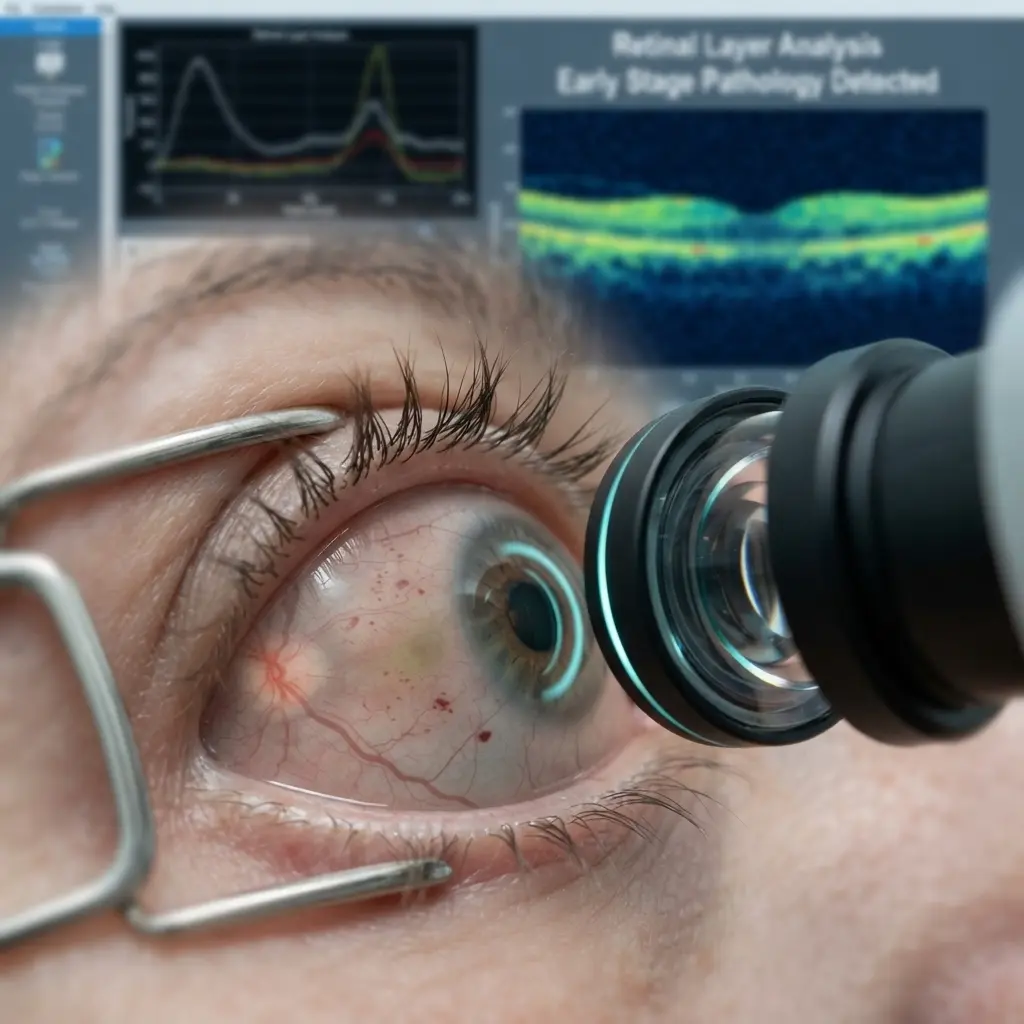
Before surgery, the ophthalmologist evaluates the cataract and overall eye health.
The assessment may include vision testing, examination of the eye, measurements required for lens selection, and additional diagnostic testing when clinically appropriate.
Symptoms of Cataracts
Cataracts may cause blurred or cloudy vision, difficulty seeing at night, sensitivity to bright light, glare, faded colors, or frequent changes in vision.
The severity and effect on daily activities are considered when determining whether surgery should be discussed.
Intraocular Lens Assessment
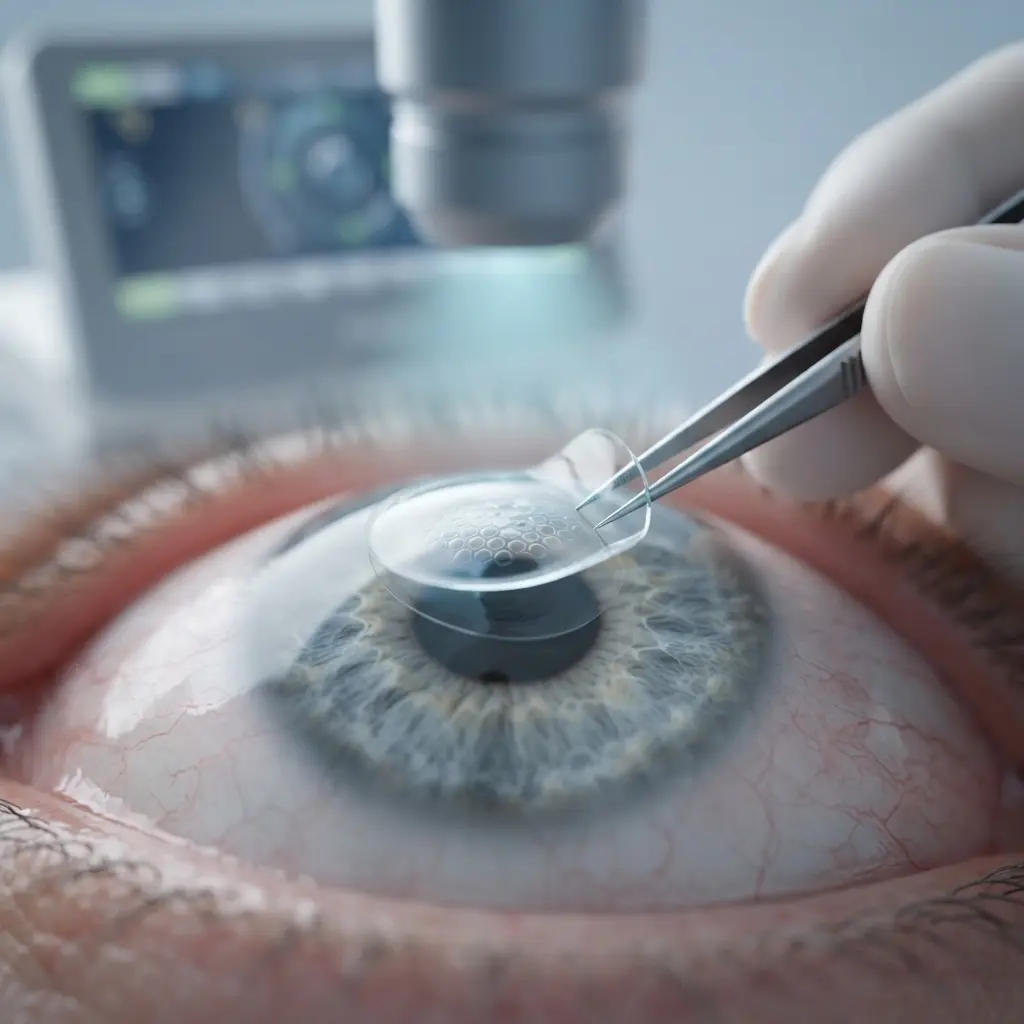
During cataract surgery, the cloudy natural lens is generally replaced with an artificial intraocular lens.
The appropriate lens type is selected according to the patient's eye measurements, visual needs, eye health, and clinical circumstances.
Surgical Lens Removal
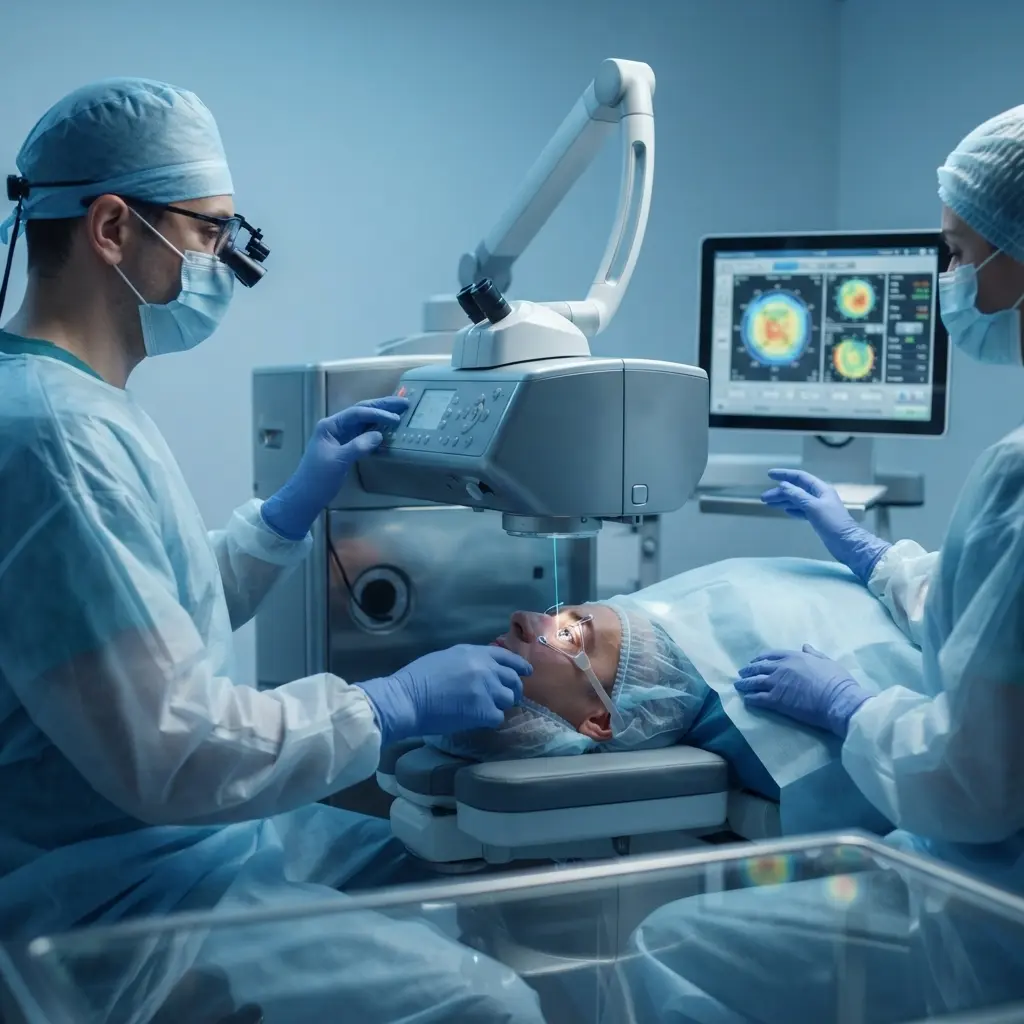
During the procedure, the cloudy natural lens is removed using an appropriate surgical technique.
The specific approach is determined by the ophthalmologist based on the patient's cataract and overall eye condition.
Intraocular Lens Implantation
After removal of the cloudy lens, an artificial intraocular lens may be positioned inside the eye.
The implanted lens is intended to provide a clear optical pathway and support improved visual function.
Advanced Cataract Assessment
Patients with complex cataracts or additional eye conditions may require more detailed evaluation before surgery.
The surgical plan may be adjusted according to corneal health, retinal condition, glaucoma status, previous eye surgery, or other relevant factors.
Cataracts and Other Eye Conditions
Some patients have cataracts together with glaucoma, retinal disease, corneal disorders, diabetes-related eye changes, or other ophthalmic conditions.
These factors may influence surgical planning and expected visual outcomes.
Preoperative Planning
Before surgery, patients may receive instructions regarding medications, measurements, preparation, and postoperative care.
The ophthalmology team can discuss expected benefits, potential risks, recovery requirements, and treatment limitations.
Postoperative Care
Follow-up after cataract surgery is important to monitor healing and visual recovery.
Patients may receive prescribed eye medications and instructions regarding eye protection, activity, and follow-up appointments.
Visual Recovery
Visual recovery varies between patients and depends on overall eye health, the severity of the cataract, the surgical procedure, and the presence of other eye conditions.
The ophthalmologist can provide individualized expectations after assessment.
Second Opinion
Patients who have been advised to undergo cataract surgery may seek a specialist second opinion regarding the diagnosis, timing of surgery, lens options, or surgical approach.
Previous eye examination reports and imaging can assist with the review.
International Patient Care
International patients may be considered for cataract surgery subject to applicable hospital, eligibility, appointment, and clinical requirements. Previous ophthalmic reports, prescriptions, imaging, and medical records may assist with treatment planning.
Benefits of Cataract Surgery
Surgical treatment of vision-impairing cataracts
Removal of the cloudy natural lens
Option for intraocular lens implantation
Potential improvement in visual clarity
Individualized surgical planning
Specialist assessment of overall eye health
Postoperative monitoring and follow-up
Evaluation of complex cataract cases when appropriate
Why Choose Cleveland Clinic?
Cleveland Clinic provides specialized ophthalmic care supported by specialist assessment, diagnostic capabilities, surgical expertise, and individualized treatment planning. Patients may receive coordinated care before and after cataract surgery according to their specific eye health needs.
Cost & Price on Request
The overall cost depends on the cataract assessment, surgical procedure, intraocular lens, diagnostic testing, anesthesia requirements, and postoperative care. Because treatment requirements differ between patients, Cataract Surgery is offered at Price on Request.
Frequently Asked Questions
When is cataract surgery recommended?
Cataract surgery may be considered when a cataract causes significant visual impairment or begins to interfere with daily activities. The timing is determined through an ophthalmic assessment.
Does cataract surgery replace the natural lens?
Yes. During cataract surgery, the cloudy natural lens is removed and is generally replaced with an artificial intraocular lens.
Can cataract surgery improve vision?
Cataract surgery can improve vision affected by the cataract, although the final visual outcome also depends on the overall health of the eye and the presence of other conditions.
What happens after cataract surgery?
Patients typically require postoperative monitoring and may receive prescribed eye medications and recovery instructions. Follow-up allows the ophthalmologist to monitor healing and visual recovery.
Can international patients receive cataract surgery at Cleveland Clinic?
International patients may be considered subject to applicable eligibility, clinical, appointment, and hospital requirements. Relevant ophthalmic records can assist with surgical assessment and planning.
Product Details
Product Name: Cataract Surgery at Cleveland Clinic
Hospital: Cleveland Clinic
Brand: Cleveland Clinic
Country: United States
Specialty: Ophthalmology / Eye Care
Service Type: Cataract Surgery
Customer-Facing Price: Price on Request
International Patients: Available
Location: Cleveland, Ohio, USA
Related products

Frequently Bought Together
No frequently bought products found!
Products from this Seller
View All









Chemotherapy at Mayo Clinic

Immunotherapy at Mayo Clinic

Medical Tourism





Share with Friends
Trading is more effective when you share products with friends!Share you link
Share to