














Corneal Treatment at Cleveland Clinic
Corneal Treatment at Cleveland Clinic provides specialist evaluation and management for conditions affecting the cornea, the transparent front surface of the eye that plays an important role in focusing light. Treatment is individualized according to the type and severity of the corneal condition, visual symptoms, corneal structure, and overall eye health.
Price
Price on Request
Why Price on Request?
The cost of corneal treatment varies depending on the diagnosis, diagnostic testing, medications, specialized procedures, surgery, and follow-up requirements. A personalized treatment plan and cost estimate can be provided after specialist assessment.
Complete Description
What Is Corneal Treatment?
Corneal treatment includes medical, procedural, and surgical approaches used to manage diseases, injuries, infections, and structural abnormalities affecting the cornea.
The appropriate treatment depends on the underlying condition, its effect on vision, and the overall health of the eye.
Corneal Evaluation
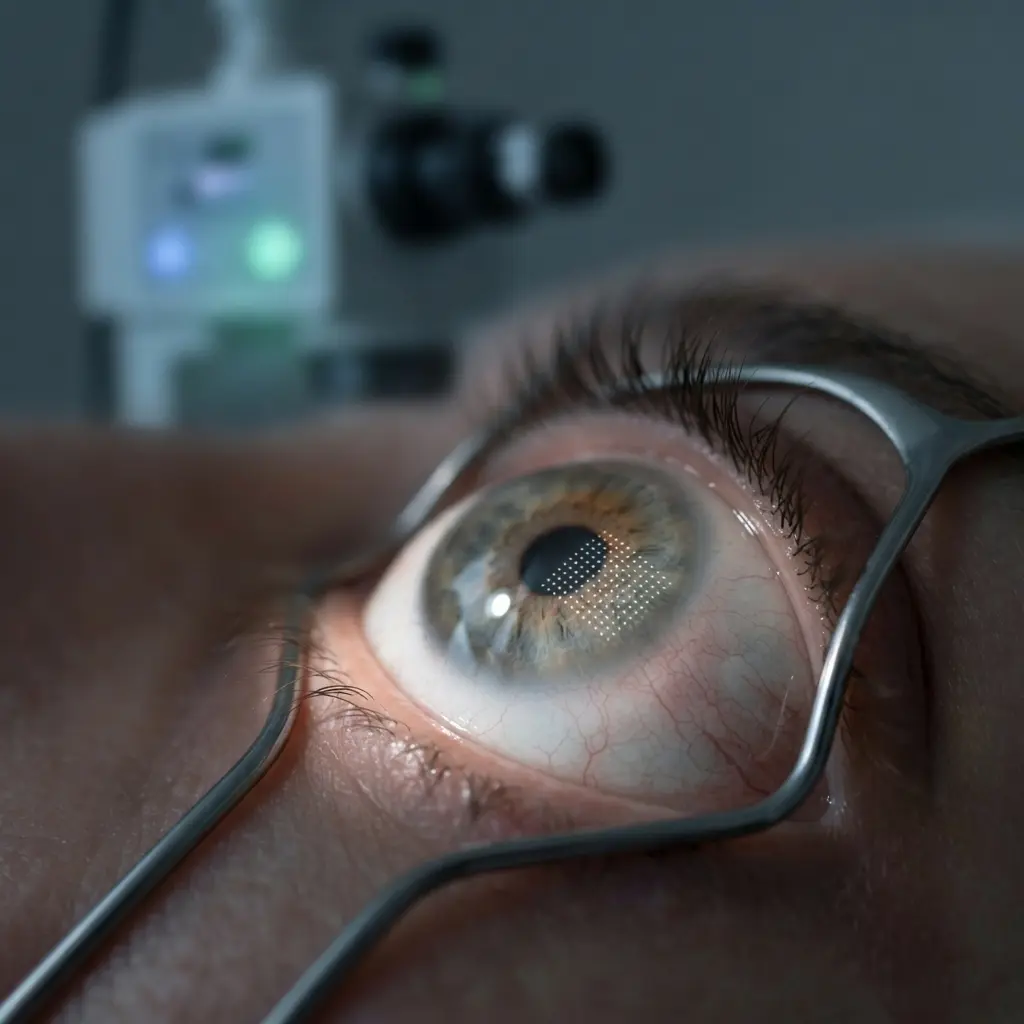
A comprehensive corneal assessment may include visual acuity testing, refraction, slit-lamp examination, corneal measurements, and evaluation of the surrounding eye structures.
Additional diagnostic testing may be recommended according to the patient's symptoms and suspected condition.
Corneal Imaging and Mapping
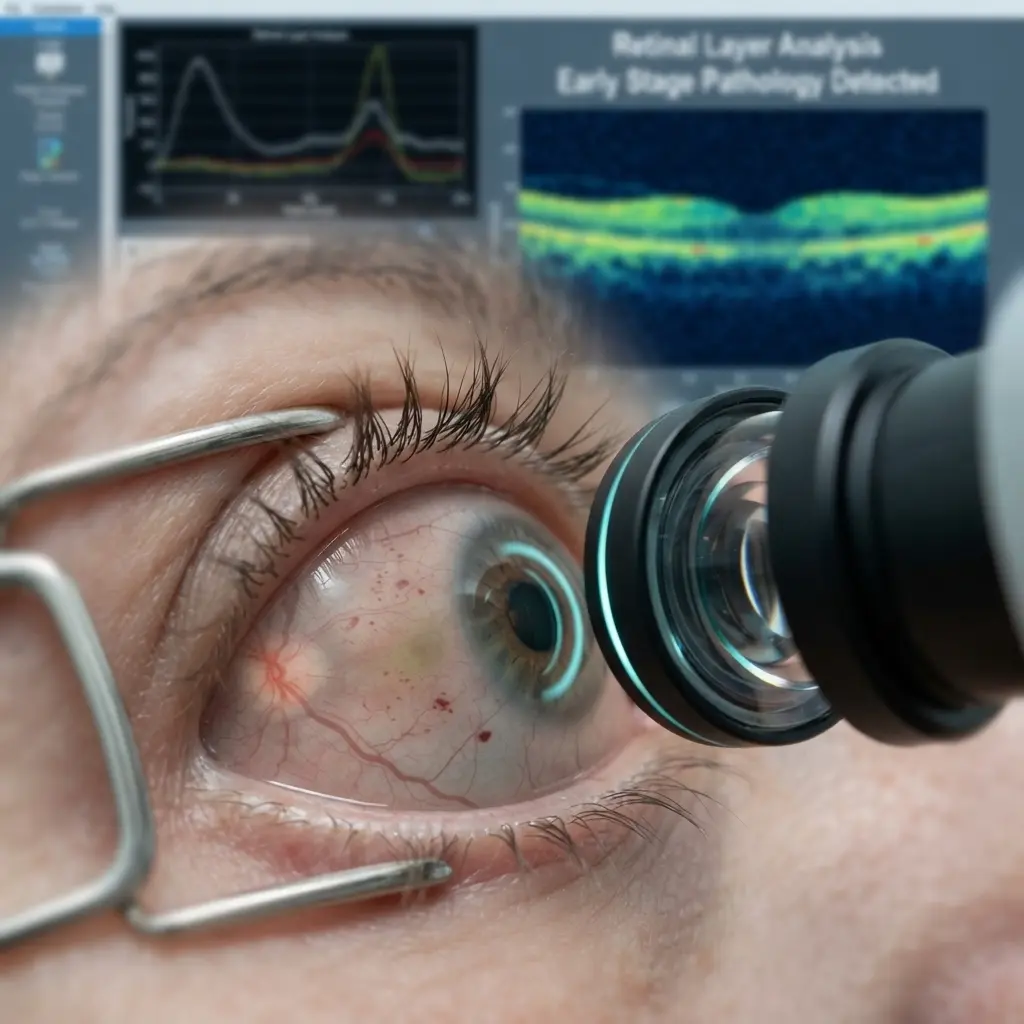
Specialized corneal imaging can provide detailed information about corneal shape, thickness, and structural characteristics. These measurements may assist in diagnosing corneal disorders and planning appropriate treatment.
Keratoconus Management
Keratoconus is a condition in which the cornea gradually becomes thinner and develops an irregular shape. Depending on the severity and progression, management may include specialized vision correction, corneal procedures, or surgical options when clinically appropriate.
Corneal Infections
Corneal infections can cause pain, redness, light sensitivity, blurred vision, and other symptoms. Prompt specialist assessment can help identify the cause and determine appropriate medical treatment.
Treatment may involve prescription medications or other interventions depending on the underlying infection.
Corneal Scarring
Corneal scars may develop following infection, injury, inflammation, or other eye conditions and can interfere with vision. Treatment options depend on the location and depth of the scar and its effect on visual function.
Corneal Dystrophies
Corneal dystrophies are a group of conditions that can affect different layers of the cornea. Specialist evaluation helps determine the specific type and severity and whether monitoring, medical treatment, or a procedural approach may be appropriate.
Corneal Edema
Corneal swelling can occur when the cornea is unable to maintain normal fluid balance. The underlying cause is assessed before treatment is selected.
Management may involve medication, monitoring, or surgical treatment in selected cases.
Corneal Cross-Linking
Corneal cross-linking may be considered for selected patients with progressive corneal weakening, particularly certain cases of keratoconus. The procedure is designed to strengthen the corneal structure and reduce further progression in appropriate patients.
Corneal Surgery
Patients with advanced corneal disease or significant structural damage may be evaluated for surgical treatment. The specific procedure depends on the affected corneal layers, disease severity, and visual requirements.
Corneal Transplant Evaluation
In selected cases of severe corneal disease, transplantation may be considered. Specialist evaluation helps determine whether a corneal transplant or another treatment approach is appropriate.
Contact Lens and Vision Management
Some corneal conditions may affect the ability to achieve clear vision with standard glasses or contact lenses. Specialized vision correction may be considered according to the patient's corneal shape and condition.
Eye Surface and Corneal Health
The health of the cornea is closely related to the condition of the ocular surface. Patients may be assessed for factors such as dryness, inflammation, irritation, or other surface problems that can affect comfort and vision.
Treatment Planning
Treatment is individualized according to the patient's diagnosis, corneal measurements, visual needs, medical history, previous procedures, and overall eye health.
The ophthalmology team may discuss available treatment options, expected outcomes, potential risks, recovery requirements, and follow-up care.
Second Opinion
Patients who have received a diagnosis of a corneal disorder or have been advised to undergo a corneal procedure or surgery may seek a specialist second opinion. Previous examination results and imaging can support a detailed review.
International Patient Care
International patients may receive specialist corneal evaluation based on their medical history, previous eye treatments, diagnostic reports, corneal imaging, and available clinical records. Additional testing may be recommended when necessary.
Benefits of Corneal Treatment
Specialist evaluation of corneal conditions
Detailed corneal examination and imaging
Assessment of keratoconus and corneal weakening
Evaluation of corneal infections and scarring
Management of selected corneal dystrophies
Assessment for corneal cross-linking
Evaluation for corneal surgery when appropriate
Assessment for corneal transplantation
Individualized vision and treatment planning
Specialist follow-up for complex corneal conditions
Why Choose Cleveland Clinic?
Cleveland Clinic provides specialist ophthalmic evaluation for patients with corneal and complex eye conditions. Treatment planning can include detailed diagnostic assessment and consideration of medical, procedural, or surgical options according to the patient's individual condition.
Cost & Price on Request
The total cost of corneal treatment depends on the diagnosis, diagnostic testing, medications, specialized procedures, surgery, and follow-up care. Because treatment requirements vary between patients, the service is offered at Price on Request following specialist evaluation.
Frequently Asked Questions
What conditions can corneal treatment address?
Corneal care may include evaluation and treatment of conditions such as keratoconus, corneal infections, scarring, dystrophies, corneal swelling, and other structural or surface-related disorders.
Can keratoconus be treated without a corneal transplant?
Depending on the stage and progression of keratoconus, management may include specialized vision correction or procedures such as corneal cross-linking. Advanced cases may require further surgical evaluation.
What is corneal cross-linking?
Corneal cross-linking is a procedure used for selected cases of progressive corneal weakening. It is designed to strengthen the corneal structure and help reduce further progression.
When might a corneal transplant be considered?
A corneal transplant may be considered for selected patients with severe corneal disease, significant scarring, or advanced structural damage when other treatment approaches are not sufficient.
Can international patients receive corneal treatment at Cleveland Clinic?
International patients may be evaluated for corneal treatment subject to clinical suitability, available services, eligibility requirements, and appointment arrangements.
Product Details
Product Name: Corneal Treatment at Cleveland Clinic
Hospital: Cleveland Clinic
Brand: Cleveland Clinic
Country: United States
Location: Cleveland, Ohio, USA
Specialty: Ophthalmology / Eye Care
Service Type: Corneal Treatment
Customer-Facing Price: Price on Request
International Patients: Subject to applicable eligibility and appointment requirements
Related products





Frequently Bought Together
No frequently bought products found!
Products from this Seller
View All













Chemotherapy at Mayo Clinic

Immunotherapy at Mayo Clinic





Medical Tourism





Share with Friends
Trading is more effective when you share products with friends!Share you link
Share to