













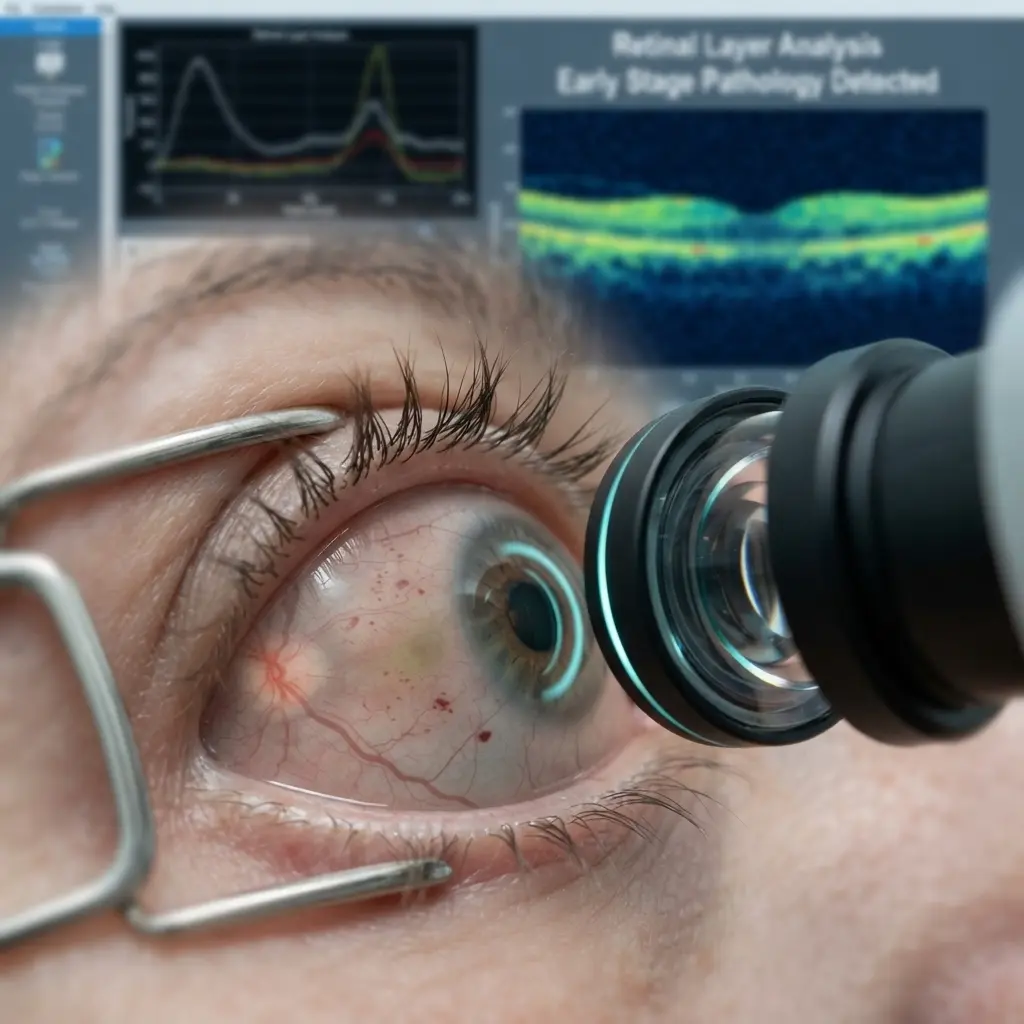
Eye Disease Evaluation at Cleveland Clinic
Eye Disease Evaluation at Cleveland Clinic provides comprehensive specialist assessment for patients with symptoms, abnormalities, or suspected diseases affecting the eyes and vision. The evaluation may help identify the underlying cause of visual changes and determine whether medical treatment, monitoring, laser procedures, surgery, or further specialist care may be appropriate.
Price
Price on Request
Why Price on Request?
The cost of eye disease evaluation varies depending on the patient's symptoms, suspected condition, diagnostic testing, imaging, specialist consultations, and follow-up requirements. A personalized cost estimate can be provided after appropriate ophthalmic assessment.
Complete Description
What Is an Eye Disease Evaluation?
An eye disease evaluation is a comprehensive ophthalmic assessment designed to investigate symptoms, vision changes, and abnormalities affecting different parts of the eye.
The evaluation may focus on the cornea, lens, retina, optic nerve, eye pressure, ocular surface, or other structures depending on the patient's symptoms and medical history.
Comprehensive Eye Examination
The evaluation may include visual acuity testing, refraction, slit-lamp examination, pupil assessment, eye pressure measurement, and examination of the internal structures of the eye.
The exact tests depend on the patient's symptoms and suspected diagnosis.
Medical History Review
The ophthalmologist may review previous eye conditions, surgeries, medications, family history, systemic medical conditions, previous injuries, and changes in vision.
Previous examination reports and diagnostic images can also help provide a clearer understanding of the patient's eye health.
Vision Changes
Blurred vision, double vision, difficulty seeing at night, visual distortion, flashes, floaters, or changes in peripheral vision may require specialist evaluation.
The examination helps determine whether symptoms are related to refractive errors or an underlying eye disease.
Cataract Assessment
Patients with cloudy or reduced vision may be assessed for cataracts. Evaluation can help determine the severity of lens changes and whether observation, vision correction, or cataract surgery may be appropriate.
Glaucoma Evaluation
Eye disease assessment may include evaluation for glaucoma through eye pressure measurement, optic nerve examination, visual field testing, and other diagnostic investigations when indicated.
Retinal Disease Evaluation
The retina may be examined for conditions such as diabetic retinal disease, macular disorders, retinal vascular abnormalities, tears, or other retinal changes.
Specialized imaging may be recommended to provide additional information about retinal structure.
Corneal and Ocular Surface Evaluation
The cornea and ocular surface may be evaluated for infections, inflammation, scarring, irregularities, dryness, and other conditions that can affect comfort and vision.
Optic Nerve Assessment
The optic nerve may be examined when symptoms or clinical findings suggest conditions affecting the nerve or visual pathways. Imaging and visual field testing may provide additional information when appropriate.
Eye Pressure Assessment
Measurement of intraocular pressure can assist in evaluating glaucoma risk and other conditions associated with abnormal eye pressure.
Repeated measurements may be recommended when monitoring is required.
Diagnostic Eye Testing
Depending on the patient's condition, additional testing may include retinal imaging, optical coherence tomography, visual field testing, corneal mapping, ultrasound, or other specialized ophthalmic investigations.
Diabetic Eye Assessment
Patients with diabetes may require regular eye examinations to identify retinal changes associated with diabetes. Early detection can support appropriate monitoring and treatment planning.
Pediatric and Complex Eye Conditions
Children and patients with complex or unusual eye problems may require specialized ophthalmic evaluation. The assessment approach is adapted to the patient's age, symptoms, medical history, and clinical findings.
Treatment Planning
Following evaluation, the ophthalmologist may recommend monitoring, medication, laser treatment, surgery, vision correction, or additional diagnostic assessment depending on the diagnosis.
Treatment recommendations are individualized according to the patient's condition and overall health.
Second Opinion
Patients with an existing eye diagnosis or treatment recommendation may seek a specialist second opinion. Review of previous examination results, imaging, and medical records can help provide an additional clinical perspective.
International Patient Care
International patients may receive comprehensive eye disease evaluation based on their symptoms, medical history, previous treatments, diagnostic reports, and available eye examination records. Additional testing may be recommended when clinically necessary.
Benefits of Eye Disease Evaluation
Comprehensive assessment of eye health
Evaluation of vision changes and eye symptoms
Assessment of cataracts and lens disorders
Glaucoma and eye pressure evaluation
Retinal and macular assessment
Corneal and ocular surface evaluation
Optic nerve assessment
Access to specialized diagnostic testing
Individualized treatment and follow-up planning
Specialist evaluation for complex eye conditions
Why Choose Cleveland Clinic?
Cleveland Clinic provides comprehensive ophthalmic assessment for a wide range of eye conditions. Patients may receive detailed diagnostic evaluation and individualized treatment planning, with access to appropriate specialist care for medical, procedural, and surgical eye conditions.
Cost & Price on Request
The overall cost depends on the patient's symptoms, diagnostic requirements, imaging, specialist assessment, and follow-up needs. Because evaluation requirements vary between patients, the service is offered at Price on Request following appropriate clinical assessment.
Frequently Asked Questions
What symptoms may require an eye disease evaluation?
Symptoms such as persistent blurred vision, double vision, visual distortion, flashes, new floaters, eye pain, unexplained vision loss, or other significant changes may require specialist ophthalmic evaluation.
What tests may be included in an eye disease evaluation?
Depending on the patient's condition, testing may include visual acuity, refraction, eye pressure measurement, slit-lamp examination, retinal imaging, visual field testing, corneal mapping, or other specialized investigations.
Can an eye disease evaluation detect glaucoma or retinal disease?
A comprehensive evaluation may identify findings associated with glaucoma, retinal disease, and other eye conditions. Additional specialized testing may be required to establish or confirm a diagnosis.
Can I seek a second opinion for an existing eye diagnosis?
Yes. Patients can seek specialist review of previous examinations, imaging, diagnoses, and treatment recommendations to obtain an additional clinical assessment.
Can international patients receive an eye disease evaluation at Cleveland Clinic?
International patients may be evaluated subject to clinical suitability, available services, eligibility requirements, and appointment arrangements.
Product Details
Product Name: Eye Disease Evaluation at Cleveland Clinic
Hospital: Cleveland Clinic
Brand: Cleveland Clinic
Country: United States
Location: Cleveland, Ohio, USA
Specialty: Ophthalmology / Eye Care
Service Type: Eye Disease Evaluation
Customer-Facing Price: Price on Request
International Patients: Subject to applicable eligibility and appointment requirements
Related products



Frequently Bought Together
No frequently bought products found!
Products from this Seller
View All












Chemotherapy at Mayo Clinic

Immunotherapy at Mayo Clinic




Medical Tourism





Share with Friends
Trading is more effective when you share products with friends!Share you link
Share to