













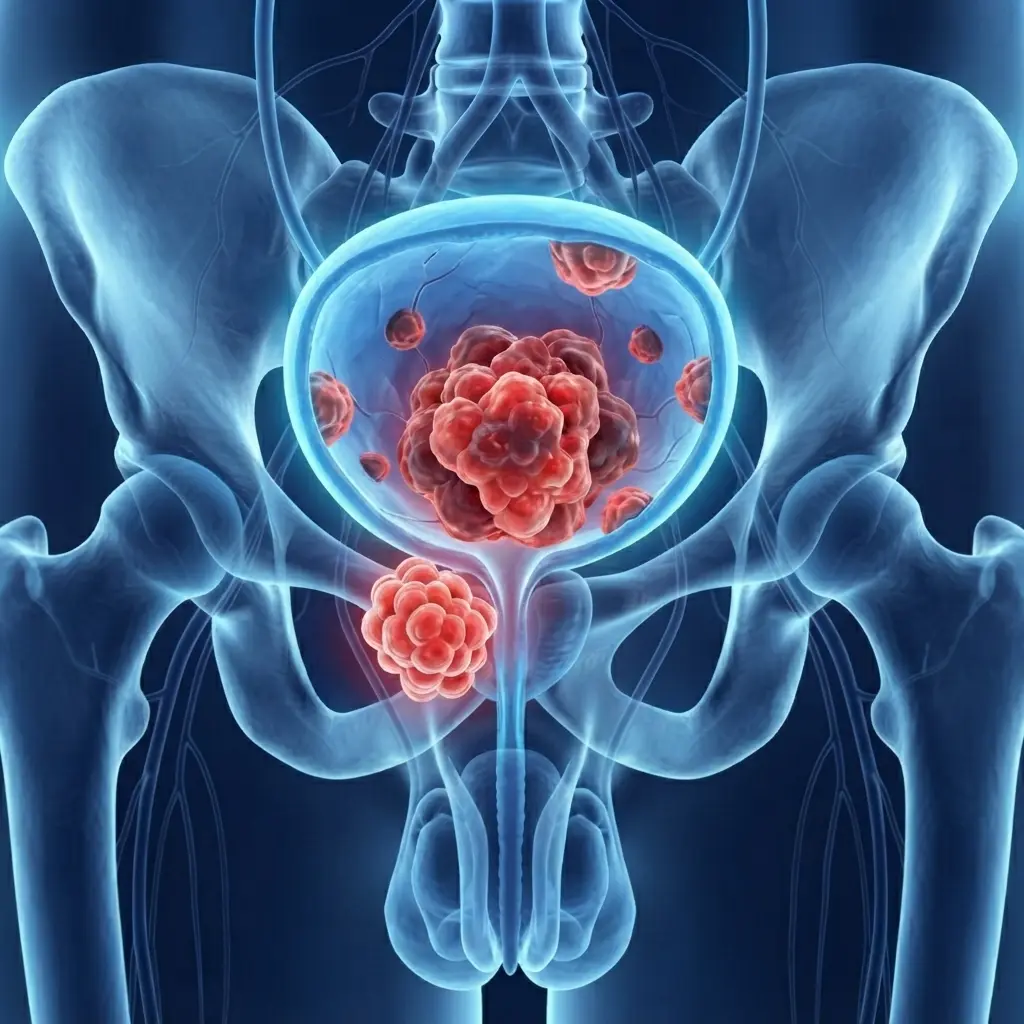
Bladder Cancer Treatment at Massachusetts General Hospital
Bladder Cancer Treatment at Massachusetts General Hospital provides specialist evaluation and treatment planning for patients diagnosed with bladder cancer or those undergoing assessment for suspicious bladder abnormalities. Care may include diagnostic evaluation, pathology review, surgical treatment, medical oncology, and ongoing follow-up based on the type, stage, and individual characteristics of the disease.
Massachusetts General Hospital provides care within a multidisciplinary academic healthcare environment, allowing patients with bladder cancer to receive coordinated assessment and individualized treatment planning.
Price
Price on Request
Why Price on Request?
The cost of bladder cancer treatment depends on the type and stage of cancer, diagnostic investigations, cystoscopy, imaging, pathology, surgical requirements, medications, hospital care, and follow-up needs. International patients may also have additional assessment and coordination requirements. A personalized cost estimate can be provided after the patient's medical information has been reviewed.
Complete Description
What Is Bladder Cancer Treatment?
Bladder cancer treatment involves evaluating the cancer and determining an appropriate treatment plan based on the tumor's characteristics, stage, location, and the patient's overall health.
Treatment may include endoscopic procedures, bladder surgery, systemic medical treatment, or combinations of therapies depending on the individual clinical situation.
Who May Need Bladder Cancer Treatment?
Specialist bladder cancer evaluation may be appropriate for patients with:
Newly diagnosed bladder cancer
A suspicious bladder lesion or mass
Blood in the urine requiring investigation
Recurrent bladder cancer
Non-muscle-invasive bladder cancer
Muscle-invasive bladder cancer
Advanced or metastatic bladder cancer
Bladder tumors requiring surgical assessment
Previous bladder cancer requiring specialist follow-up
Patients seeking a second opinion about diagnosis or treatment
Bladder Cancer Diagnosis and Assessment
Assessment may include a review of symptoms, medical history, laboratory results, imaging studies, cystoscopy findings, and pathology reports.
The specialist team may recommend additional investigations when necessary to determine the extent and characteristics of the disease.
Cystoscopy and Bladder Evaluation
Cystoscopy allows specialists to examine the inside of the bladder and identify abnormal areas that may require further assessment.
Depending on the findings, tissue sampling or additional diagnostic procedures may be recommended.
Pathology Review
Pathology plays an important role in determining the characteristics of bladder cancer.
Previous biopsy or surgical pathology reports may be reviewed to understand the tumor type, grade, and other features relevant to treatment planning.
Bladder Cancer Staging
Determining the stage of bladder cancer helps guide treatment decisions. Assessment may consider the depth of tumor involvement, nearby tissues, lymph nodes, and whether cancer has spread to other parts of the body.
Treatment recommendations may vary significantly according to the stage of disease.
Treatment for Non-Muscle-Invasive Bladder Cancer
Patients with bladder cancer that has not invaded the bladder muscle may receive treatment designed to remove or control the tumor while preserving the bladder when clinically appropriate.
Treatment and monitoring depend on the tumor's characteristics and risk of recurrence or progression.
Transurethral Bladder Tumor Surgery
Transurethral procedures may be used to remove or assess bladder tumors through the urinary passage without requiring an external surgical incision.
The procedure may provide tissue for pathology and can form part of treatment for selected bladder tumors.
Treatment for Muscle-Invasive Bladder Cancer
Muscle-invasive bladder cancer may require more extensive treatment planning.
Depending on the patient's condition, treatment may involve surgery, systemic therapy, or a combination of approaches. Specialist assessment is required to determine the most appropriate strategy.
Bladder Surgery
Surgical treatment may be considered depending on the stage, location, number of tumors, and other characteristics of the cancer.
The surgical plan is individualized according to the patient's health, cancer characteristics, and treatment goals.
Systemic Cancer Treatment
Patients with advanced or higher-risk bladder cancer may require medical cancer treatment in addition to or instead of surgery.
The selection of systemic therapy depends on the cancer stage, previous treatments, overall health, and other clinical factors.
Multidisciplinary Bladder Cancer Care
Complex bladder cancer cases may benefit from coordinated care involving urologists, medical oncologists, radiation specialists, radiologists, pathologists, and other healthcare professionals.
Multidisciplinary evaluation can help integrate diagnostic findings and treatment options into an individualized care plan.
Recurrent Bladder Cancer
Bladder cancer can recur after treatment, making follow-up an important part of long-term care.
Patients with recurrent disease may require repeat evaluation, cystoscopy, imaging, pathology review, or additional treatment depending on the circumstances.
Bladder Cancer Follow-Up
Follow-up may include regular clinical assessment, urine testing, cystoscopy, imaging, and other investigations when appropriate.
The follow-up schedule depends on the type and stage of cancer, previous treatment, recurrence risk, and individual medical circumstances.
Second Opinion for Bladder Cancer
Patients may seek a specialist second opinion regarding their bladder cancer diagnosis, pathology, staging, surgical options, or proposed treatment plan.
Review of previous medical records and diagnostic information can help specialists provide an additional clinical perspective.
Review of Previous Medical Reports
Patients seeking bladder cancer treatment should provide available cystoscopy reports, pathology results, imaging studies, laboratory tests, previous treatment records, discharge summaries, and medication information.
Complete medical documentation can help the specialist team understand the patient's disease history and previous treatment.
International Patient Care
International patients may require medical record review before traveling for bladder cancer treatment. Relevant pathology reports, imaging, cystoscopy findings, laboratory results, and previous treatment information may be requested during the assessment process.
International treatment arrangements are subject to applicable eligibility, referral, appointment, and hospital requirements.
Benefits of Specialist Bladder Cancer Care
Potential benefits of specialist bladder cancer treatment include:
Detailed evaluation of bladder abnormalities
Specialist review of pathology and imaging
Appropriate cancer staging assessment
Individualized treatment planning
Evaluation of surgical treatment options
Coordination between urology and oncology specialists
Monitoring for recurrence
Specialist second-opinion assessment
Ongoing follow-up planning
Why Choose Massachusetts General Hospital?
Massachusetts General Hospital provides specialist medical care within a major academic healthcare environment. Patients with bladder cancer may benefit from coordinated expertise across urology, oncology, pathology, radiology, and other relevant specialties when complex treatment planning is required.
Specialist evaluation can help establish an appropriate diagnostic and treatment pathway based on the patient's individual clinical needs.
Cost of Bladder Cancer Treatment
The overall cost depends on diagnostic investigations, cancer stage, cystoscopy and pathology requirements, surgery, medical treatment, hospital services, medications, and follow-up care.
Because treatment requirements differ between patients, this service is offered at Price on Request following appropriate medical review.
Frequently Asked Questions
What are the common treatments for bladder cancer?
Treatment depends on the type and stage of bladder cancer. Options may include endoscopic tumor removal, bladder surgery, systemic cancer treatment, or combinations of therapies.
Is surgery always required for bladder cancer?
Not necessarily. Treatment depends on the cancer's characteristics, stage, recurrence risk, and the patient's overall health. A specialist evaluation is required to determine the appropriate approach.
What is cystoscopy used for in bladder cancer?
Cystoscopy allows a specialist to examine the inside of the bladder and identify abnormal areas. It may also help guide tissue sampling or other procedures when necessary.
Can bladder cancer return after treatment?
Yes. Bladder cancer can recur in some patients, which is why appropriate follow-up and monitoring are important after treatment.
Can international patients receive bladder cancer treatment at Massachusetts General Hospital?
International patients may be considered subject to applicable eligibility, referral, appointment, and hospital requirements. Medical records and diagnostic reports may need to be reviewed before treatment planning.
Product Details
Product Name: Bladder Cancer Treatment at Massachusetts General Hospital
Hospital: Massachusetts General Hospital
Brand: Massachusetts General Hospital
Country: United States
Location: Boston, Massachusetts, USA
Specialty: Urology
Service Type: Bladder Cancer Treatment
Customer-Facing Price: Price on Request
International Patients: Subject to applicable eligibility and appointment requirements
Related products






Frequently Bought Together
No frequently bought products found!
Products from this Seller
View All













Chemotherapy at Mayo Clinic

Immunotherapy at Mayo Clinic


Medical Tourism





Share with Friends
Trading is more effective when you share products with friends!Share you link
Share to