













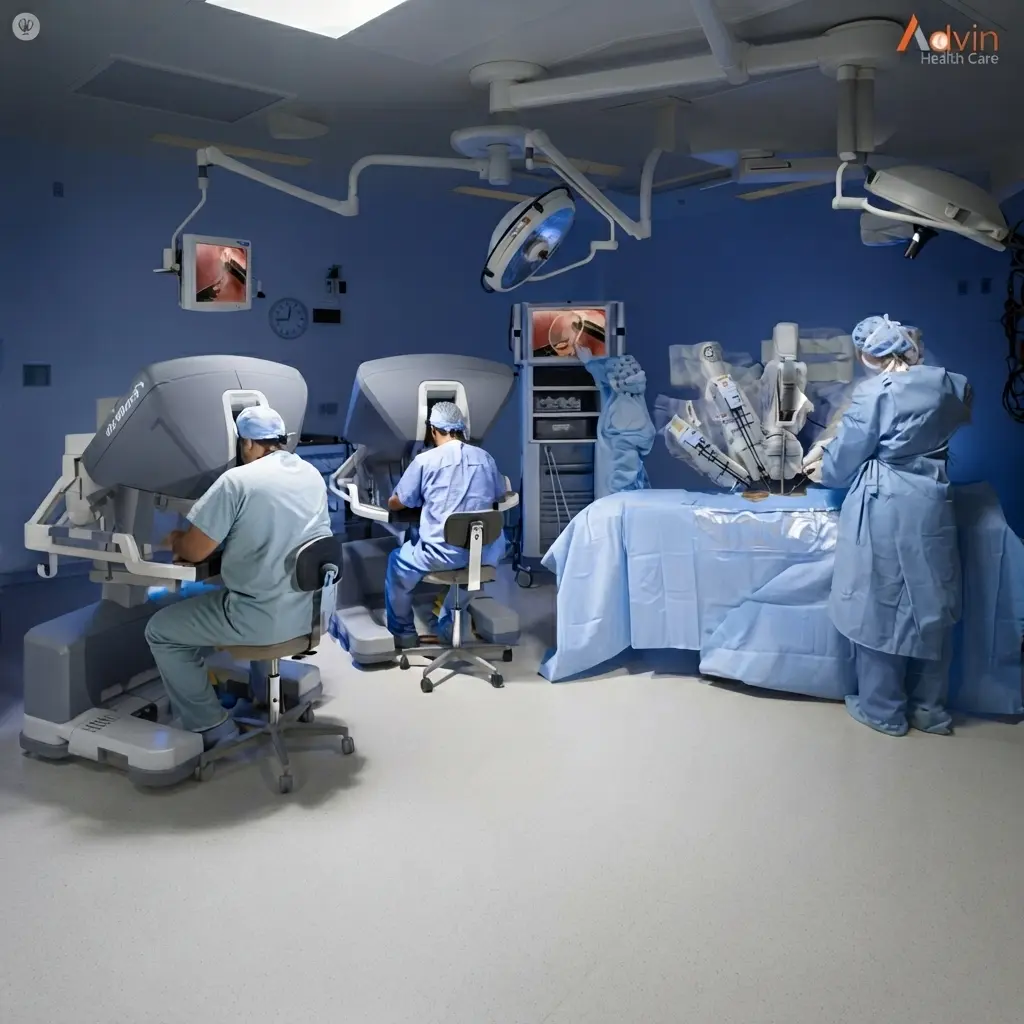
Robotic Urologic Surgery at Massachusetts General Hospital
Robotic Urologic Surgery at Massachusetts General Hospital provides specialist surgical care for selected urological conditions using robotic-assisted technology when clinically appropriate. This approach may be considered for certain procedures involving the prostate, kidneys, bladder, and other parts of the urinary system.
Treatment planning is individualized according to the patient's diagnosis, anatomy, overall health, previous treatments, and the complexity of the surgical procedure.
Price
Price on Request
Why Price on Request?
The cost of robotic urologic surgery depends on the type and complexity of the procedure, diagnostic investigations, surgical technology, anesthesia, hospital services, length of stay, medications, and postoperative follow-up. International patients may also have additional assessment and coordination requirements. A personalized cost estimate can be provided after the patient's medical information has been reviewed.
Complete Description
What Is Robotic Urologic Surgery?
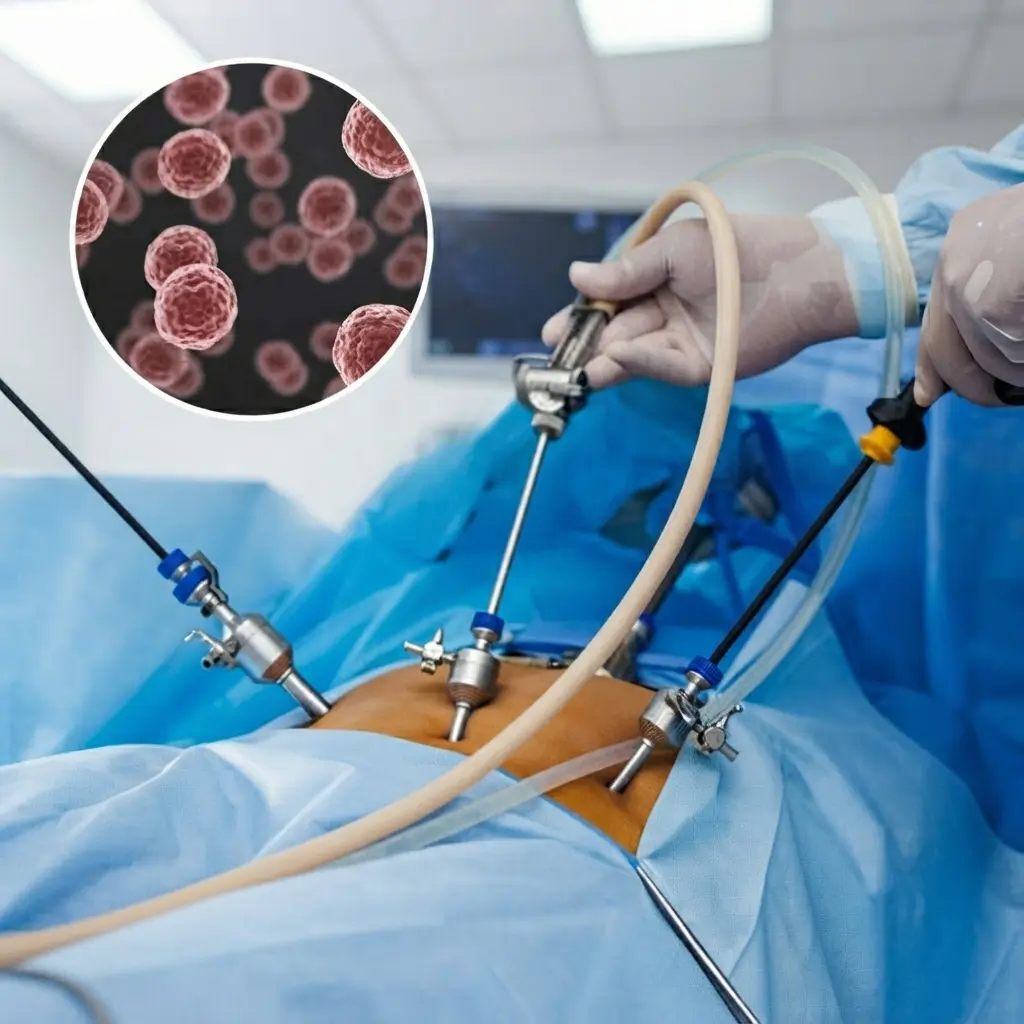
Robotic urologic surgery is a minimally invasive surgical approach in which specialized robotic instruments are controlled by a surgeon to perform selected urological procedures.
The technology can support precise instrument movement and visualization during appropriate operations, while the surgeon remains responsible for planning and performing the procedure.
Who May Be Considered for Robotic Urologic Surgery?
Robotic-assisted surgery may be considered for selected patients with:
Prostate cancer requiring surgical treatment
Certain kidney tumors
Selected bladder conditions
Complex urological disorders
Conditions requiring reconstructive urological surgery
Certain procedures where minimally invasive surgery is clinically appropriate
Not every patient or condition is suitable for a robotic approach.
Robotic Prostate Surgery
Robotic-assisted prostate surgery may be considered for selected patients with prostate cancer requiring removal of the prostate.
The surgical approach is determined according to the cancer characteristics, patient's health, anatomy, and treatment plan.
Robotic Kidney Surgery
Robotic-assisted techniques may be used for selected kidney procedures, including certain kidney tumor operations.
When appropriate, kidney-preserving surgery may be considered to remove a tumor while retaining as much healthy kidney tissue as clinically possible.
Robotic Bladder Surgery
Selected bladder procedures may be performed using robotic-assisted techniques when appropriate.
The suitability of robotic surgery depends on the underlying condition, extent of disease, previous treatment, and surgical requirements.
Robotic Reconstructive Urologic Surgery
Robotic techniques may be considered for selected reconstructive procedures involving the urinary system.
The specific approach depends on the location and severity of the condition and the patient's individual anatomy.
Preoperative Assessment
Before robotic surgery, the medical team may review the patient's medical history, medications, laboratory results, imaging, previous surgeries, and other relevant information.
Additional testing may be recommended to determine whether robotic surgery is appropriate and to support safe surgical planning.
Surgical Planning
The surgical team evaluates the patient's diagnosis and determines whether robotic, conventional minimally invasive, or open surgery is the most suitable approach.
The final surgical technique depends on the clinical situation and the surgeon's assessment.
Potential Advantages of Robotic-Assisted Surgery
For selected procedures, robotic-assisted surgery may provide benefits associated with minimally invasive techniques, such as smaller surgical access points and enhanced visualization.
However, outcomes and recovery vary depending on the procedure, individual health, and other clinical factors.
Recovery After Robotic Urologic Surgery
Recovery depends on the type and complexity of the operation and the patient's overall health.
Postoperative care may include monitoring, pain management, medication review, laboratory testing, wound care, and follow-up appointments.
Postoperative Follow-Up
Follow-up after surgery may include assessment of recovery, review of laboratory or pathology results, monitoring of kidney or urinary function, and evaluation for any treatment-related concerns.
The follow-up schedule depends on the procedure and individual clinical circumstances.
Complex Urological Conditions
Patients with complex urological conditions may require coordinated care involving urology, oncology, radiology, pathology, anesthesia, and other specialties.
A multidisciplinary approach may be particularly useful when the condition involves cancer, previous surgery, or complicated anatomy.
Second Opinion for Robotic Surgery
Patients who have been advised to undergo robotic urologic surgery may seek a specialist second opinion regarding the diagnosis, surgical approach, potential alternatives, and expected treatment pathway.
Previous imaging, pathology, operative reports, and other medical records may be reviewed as part of the assessment.
Review of Previous Medical Reports
Patients should provide relevant diagnostic reports, imaging studies, laboratory results, pathology reports, previous operative notes, discharge summaries, and medication information when available.
These records can help the specialist team determine whether robotic surgery may be appropriate.
International Patient Care
International patients may require medical record review before traveling for robotic urologic surgery. Relevant imaging, laboratory results, pathology, previous treatment information, and physician reports may be requested during the assessment process.
International treatment arrangements are subject to applicable eligibility, referral, appointment, and hospital requirements.
Benefits of Specialist Robotic Urologic Surgery
Potential benefits of specialist robotic urologic surgical care include:
Specialist assessment of surgical suitability
Individualized procedure planning
Access to robotic-assisted techniques when appropriate
Detailed preoperative evaluation
Coordinated multidisciplinary care
Postoperative monitoring and follow-up
Review of complex or previously treated conditions
Specialist second-opinion assessment
Why Choose Massachusetts General Hospital?
Massachusetts General Hospital provides specialist urological care within a major academic healthcare environment. Patients requiring complex urological procedures may benefit from coordinated expertise across urology, oncology, radiology, pathology, anesthesia, and other relevant specialties.
Robotic surgery is considered according to individual clinical needs and the suitability of the procedure.
Cost of Robotic Urologic Surgery
The overall cost depends on the specific operation, diagnostic requirements, surgical complexity, robotic technology, anesthesia, hospital care, medications, length of stay, and follow-up.
Because requirements vary between patients, this service is offered at Price on Request following appropriate medical review.
Frequently Asked Questions
What is robotic urologic surgery?
Robotic urologic surgery is a minimally invasive surgical approach in which a surgeon controls specialized robotic instruments to perform selected procedures involving the urinary system.
What urological conditions can be treated with robotic surgery?
Depending on the clinical situation, robotic techniques may be used for selected prostate, kidney, bladder, and reconstructive urological procedures.
Is robotic surgery suitable for every patient?
No. The suitability of robotic surgery depends on the diagnosis, anatomy, overall health, previous treatments, and specific surgical requirements.
How long is recovery after robotic urologic surgery?
Recovery varies according to the type and complexity of surgery and the patient's individual health. The surgical team provides procedure-specific recovery guidance.
Can international patients receive robotic urologic surgery at Massachusetts General Hospital?
International patients may be considered subject to applicable eligibility, referral, appointment, and hospital requirements. Medical records and diagnostic reports may need to be reviewed before treatment planning.
Product Details
Product Name: Robotic Urologic Surgery at Massachusetts General Hospital
Hospital: Massachusetts General Hospital
Brand: Massachusetts General Hospital
Country: United States
Location: Boston, Massachusetts, USA
Specialty: Urology
Service Type: Robotic Urologic Surgery
Customer-Facing Price: Price on Request
International Patients: Subject to applicable eligibility and appointment requirements
Related products





Frequently Bought Together
No frequently bought products found!
Products from this Seller
View All










Chemotherapy at Mayo Clinic

Immunotherapy at Mayo Clinic

Medical Tourism





Share with Friends
Trading is more effective when you share products with friends!Share you link
Share to