














Men's Urological Health at Massachusetts General Hospital
Men's Urological Health at Massachusetts General Hospital provides specialist evaluation and management for a range of urinary and male reproductive health concerns. Care may include assessment of prostate conditions, urinary symptoms, sexual and reproductive health concerns, kidney and urinary tract disorders, and other urological conditions affecting men.
The approach is individualized according to the patient's symptoms, medical history, age, laboratory results, imaging findings, and overall health.
Price
Price on Request
Why Price on Request?
The cost of men's urological health services varies depending on the patient's symptoms, diagnostic requirements, laboratory testing, imaging, specialist consultations, treatment needs, and follow-up care. International patients may also have additional assessment and coordination requirements. A personalized cost estimate can be provided after the patient's medical information has been reviewed.
Complete Description
What Is Men's Urological Health Care?
Men's urological health care focuses on the prevention, evaluation, diagnosis, and management of conditions affecting the urinary system and male reproductive organs.
Specialist assessment may address prostate health, urinary difficulties, kidney and bladder conditions, sexual health concerns, fertility-related issues, and other urological problems.
Who May Need Men's Urological Health Assessment?
Specialist urological assessment may be appropriate for men experiencing:
Difficulty or discomfort during urination
Frequent or urgent urination
Weak or interrupted urinary flow
Blood in the urine
Prostate-related symptoms
Recurrent urinary problems
Kidney or bladder conditions
Erectile or sexual health concerns
Male fertility concerns
Testicular or scrotal abnormalities
Concerns requiring a urological second opinion
Prostate Health Assessment
The prostate can change with age and may contribute to urinary symptoms or other health concerns.
A urologist may assess prostate-related symptoms, medical history, examination findings, laboratory results, and imaging when appropriate to determine whether further investigation or treatment is required.
Benign Prostate Enlargement
Benign prostate enlargement can cause urinary symptoms such as increased frequency, difficulty starting urination, weak urinary flow, or incomplete bladder emptying.
Management depends on symptom severity, prostate-related findings, bladder function, and the patient's overall health. Treatment may include monitoring, medication, or procedural management when appropriate.
Prostate Cancer Evaluation
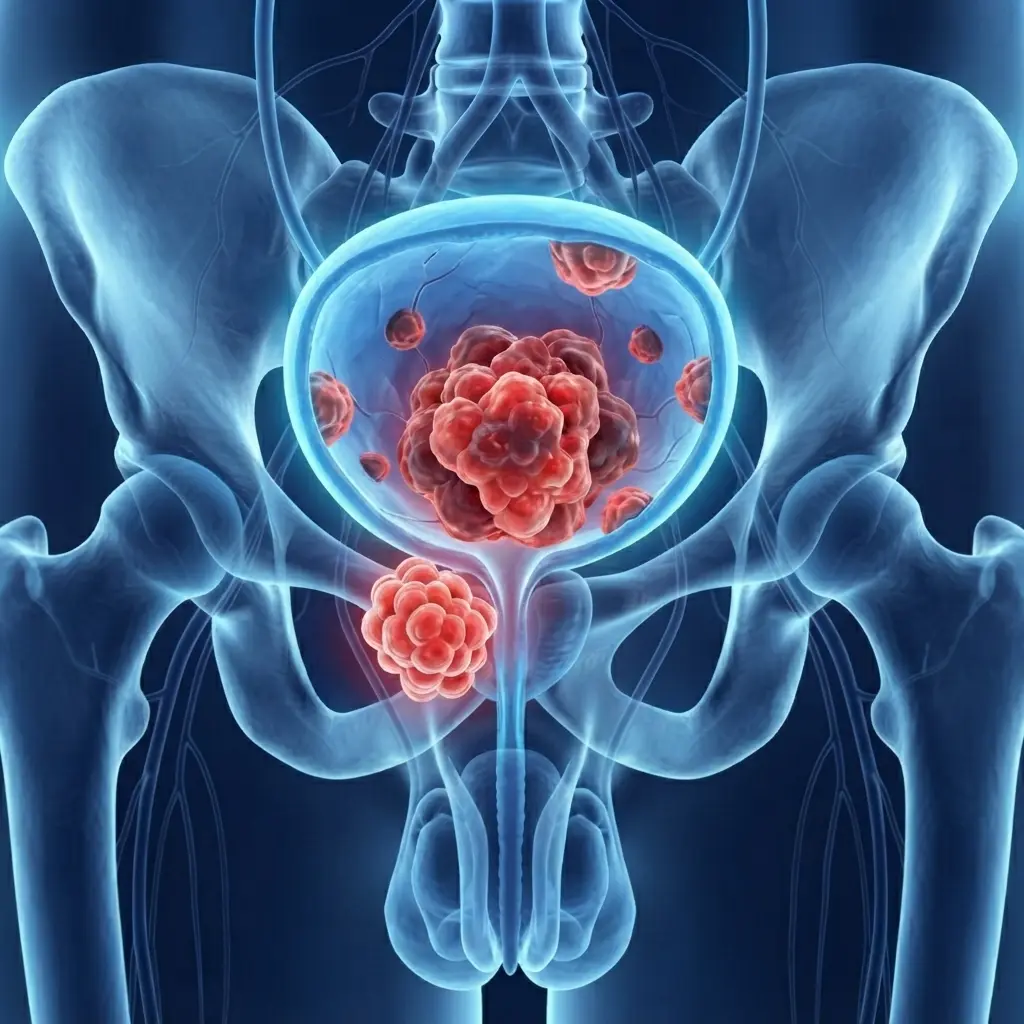
Men with concerning prostate findings may require specialist assessment for prostate cancer.
Evaluation may involve prostate-specific blood testing, physical examination, imaging, and other diagnostic procedures when clinically appropriate. Further investigation depends on individual findings and risk factors.
Urinary Symptoms in Men
Men experiencing persistent urinary symptoms may benefit from specialist evaluation.
Assessment may help determine whether symptoms are related to prostate enlargement, urinary tract conditions, bladder dysfunction, infection, medication effects, or another underlying problem.
Kidney and Urinary Tract Health
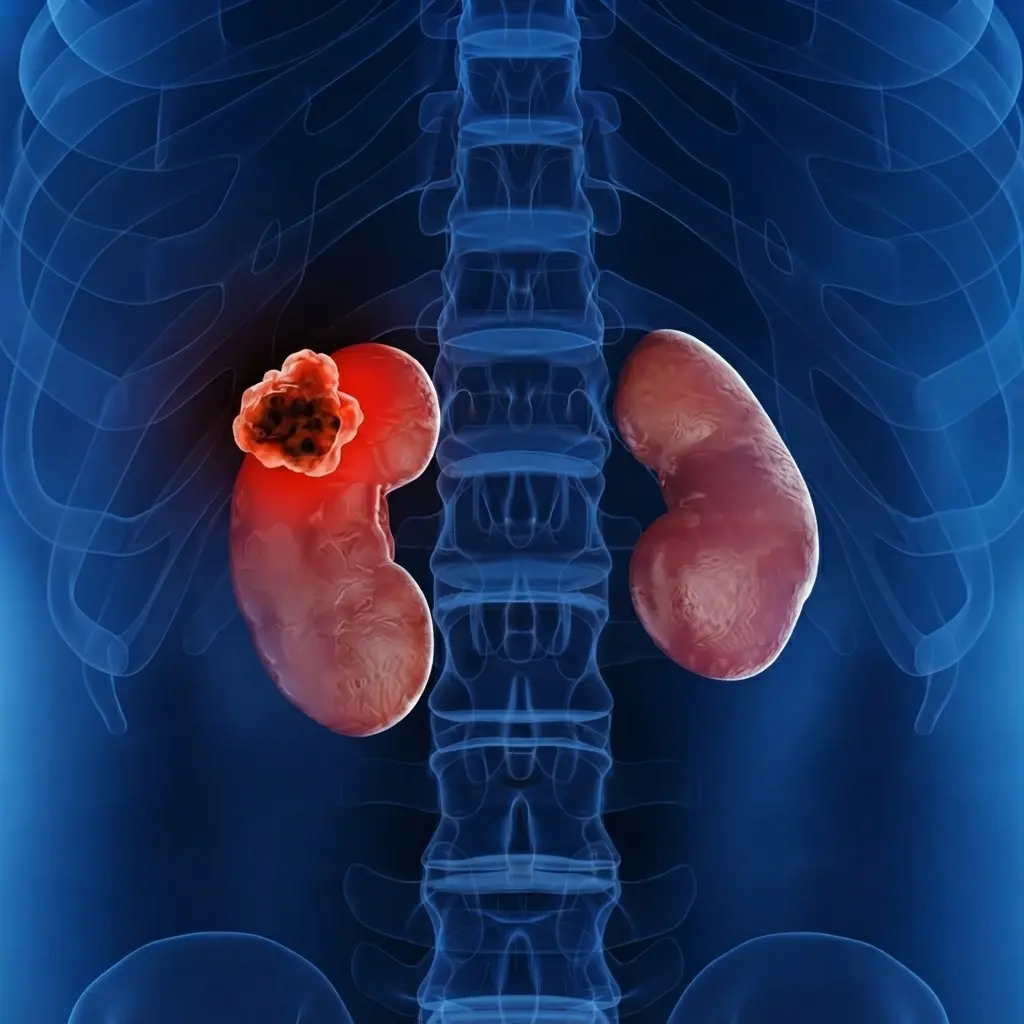
Men may also require urological assessment for kidney stones, kidney tumors, urinary obstruction, recurrent urinary problems, or other disorders affecting the urinary tract.
The diagnostic approach depends on the symptoms and suspected condition.
Bladder Health
Bladder symptoms may include urgency, frequency, difficulty emptying the bladder, discomfort, or blood in the urine.
A urologist may recommend urine testing, imaging, cystoscopy, or other investigations when clinically appropriate.
Men's Sexual Health
Certain sexual health concerns may have urological causes and can be evaluated by a specialist.
Assessment may consider medical history, medications, vascular and hormonal factors, neurological conditions, and other health issues that may contribute to symptoms.
Male Fertility and Reproductive Health
Men experiencing fertility concerns may require specialist reproductive and urological assessment.
Evaluation may include medical history, physical examination, semen analysis, hormone testing, imaging, or other investigations depending on the clinical situation.
Testicular and Scrotal Conditions
Pain, swelling, lumps, or other changes affecting the testicles or scrotum may require specialist evaluation.
Imaging and additional investigations may be recommended when necessary to determine the underlying cause.
Urological Cancer Assessment
Men may require specialist evaluation for cancers affecting the prostate, kidney, bladder, testicle, or other parts of the urinary system.
Depending on the diagnosis, care may involve urology, oncology, radiology, pathology, and other relevant specialties.
Diagnostic Assessment
The evaluation may include a detailed medical history, physical examination, laboratory testing, urine analysis, imaging, and other specialist investigations.
The exact tests depend on the patient's symptoms and suspected diagnosis.
Personalized Treatment Planning
Following assessment, the urology team may develop an individualized management plan.
Depending on the condition, treatment may include lifestyle recommendations, medication, monitoring, minimally invasive procedures, surgery, or referral to another specialist.
Preventive Urological Care
Regular attention to urinary and reproductive health may help identify certain problems at an earlier stage.
The appropriate frequency of specialist assessment depends on age, symptoms, personal medical history, family history, and other individual risk factors.
Medication Review
Certain medications may affect urinary symptoms, sexual health, blood pressure, kidney function, or other aspects of urological health.
A specialist may review current medications and other treatments when evaluating the patient's symptoms.
Second Opinion for Men's Urological Conditions
Men may seek a specialist second opinion regarding prostate disease, urinary symptoms, cancer diagnosis, surgical recommendations, fertility concerns, or other urological conditions.
Previous medical reports, laboratory results, imaging, pathology, and treatment history may be reviewed as part of the assessment.
Review of Previous Medical Reports
Patients should provide relevant laboratory results, urine reports, imaging studies, pathology reports, previous surgical records, medication lists, and physician notes when available.
Historical information can help the specialist understand the progression of symptoms and previous treatment.
International Patient Care
International patients may require medical record review before traveling for men's urological health assessment or treatment. Relevant medical reports, laboratory results, imaging studies, and previous treatment information may be requested during the assessment process.
International treatment arrangements are subject to applicable eligibility, referral, appointment, and hospital requirements.
Benefits of Specialist Men's Urological Health Care
Potential benefits include:
Comprehensive evaluation of men's urinary health
Specialist prostate assessment
Evaluation of persistent urinary symptoms
Assessment of kidney and bladder conditions
Specialist evaluation of sexual health concerns
Male fertility and reproductive health assessment
Evaluation of urological cancers
Individualized treatment planning
Specialist second-opinion assessment
Ongoing monitoring and follow-up
Why Choose Massachusetts General Hospital?
Massachusetts General Hospital provides specialist medical care within a major academic healthcare environment. Men with urological concerns may benefit from coordinated expertise across urology, oncology, radiology, pathology, reproductive health, and other relevant specialties when complex assessment or treatment is required.
Specialist evaluation can help establish an appropriate diagnostic and management pathway based on individual clinical needs.
Cost of Men's Urological Health Care
The overall cost depends on the patient's symptoms, diagnostic investigations, laboratory testing, imaging, specialist consultations, treatment requirements, and follow-up care.
Because healthcare needs differ between patients, this service is offered at Price on Request following appropriate medical review.
Frequently Asked Questions
What conditions are assessed through men's urological health care?
Men's urological care may address prostate conditions, urinary symptoms, kidney and bladder disorders, sexual health concerns, fertility-related issues, testicular conditions, and urological cancers.
When should a man see a urologist?
A specialist consultation may be appropriate for persistent urinary symptoms, blood in the urine, prostate concerns, sexual or fertility problems, testicular changes, recurrent urinary problems, or other concerning urological symptoms.
Can men's urological care include prostate cancer assessment?
Yes. A urologist may evaluate concerning prostate findings and recommend appropriate diagnostic testing or further specialist assessment when indicated.
Can a urologist help with male fertility concerns?
Yes. Urologists may evaluate male fertility concerns and determine whether further testing, treatment, or referral to a reproductive specialist is appropriate.
Can international patients receive men's urological health care at Massachusetts General Hospital?
International patients may be considered subject to applicable eligibility, referral, appointment, and hospital requirements. Medical records and diagnostic reports may need to be reviewed before treatment planning.
Product Details
Product Name: Men's Urological Health at Massachusetts General Hospital
Hospital: Massachusetts General Hospital
Brand: Massachusetts General Hospital
Country: United States
Location: Boston, Massachusetts, USA
Specialty: Urology
Service Type: Men's Urological Health
Customer-Facing Price: Price on Request
International Patients: Subject to applicable eligibility and appointment requirements
Related products





Frequently Bought Together
No frequently bought products found!
Products from this Seller
View All













Chemotherapy at Mayo Clinic

Immunotherapy at Mayo Clinic



Medical Tourism





Share with Friends
Trading is more effective when you share products with friends!Share you link
Share to