














Urological Evaluation at Massachusetts General Hospital
Urological Evaluation at Massachusetts General Hospital provides a detailed assessment of symptoms, medical history, laboratory findings, imaging results, and other factors affecting the urinary system and male reproductive health. The evaluation may help identify the cause of urinary symptoms, prostate concerns, kidney and bladder conditions, and other urological problems.
Massachusetts General Hospital provides specialist care within an academic medical environment, allowing patients to receive comprehensive evaluation and coordinated treatment planning when further investigation or specialist management is required.
Price
Price on Request
Why Price on Request?
The cost of a urological evaluation may vary depending on the patient's symptoms, medical history, diagnostic requirements, laboratory tests, imaging, procedures, specialist involvement, and follow-up needs. A personalized cost estimate can be provided after reviewing the patient's medical information and determining the appropriate evaluation plan.
Complete Description
What Is a Urological Evaluation?
A urological evaluation is a comprehensive specialist assessment of the urinary tract and, when applicable, the male reproductive system.
The evaluation may be used to investigate symptoms, abnormal test results, suspected disease, or previously diagnosed urological conditions and to determine whether additional testing or treatment is required.
Who May Need a Urological Evaluation?
A urological evaluation may be appropriate for patients with:
Difficulty or discomfort during urination
Frequent or urgent urination
Weak or interrupted urine flow
Blood in the urine
Recurrent urinary tract problems
Kidney or ureteral stones
Prostate-related symptoms
Abnormal prostate findings
Bladder abnormalities
Abnormal urinary test results
Suspected or diagnosed urological cancer
Male reproductive health concerns
Medical History Assessment
The urologist may review the patient's symptoms, previous diagnoses, medications, surgeries, family history, previous treatments, and other relevant health information.
Previous laboratory reports, imaging studies, pathology results, and medical records can help provide a more complete understanding of the patient's condition.
Physical Examination
Depending on the patient's symptoms and medical history, a physical examination may be performed as part of the evaluation.
The scope of examination depends on the suspected condition and may help determine whether further diagnostic testing is appropriate.
Urine and Laboratory Testing
Urine and blood tests may be recommended to investigate urinary symptoms or evaluate kidney and urological health.
Testing may assess infection, blood or protein in the urine, kidney-related measurements, or other findings relevant to the patient's condition.
Imaging and Diagnostic Assessment
Imaging may be recommended when additional information is required.
Depending on the clinical situation, investigations may include ultrasound, CT, MRI, X-ray studies, or other appropriate diagnostic examinations.
Prostate Evaluation
Men with urinary symptoms, prostate enlargement, abnormal prostate findings, or other prostate concerns may undergo a detailed prostate evaluation.
Further testing may be considered based on symptoms, age, family history, laboratory findings, examination results, and other clinical factors.
Kidney and Ureter Evaluation
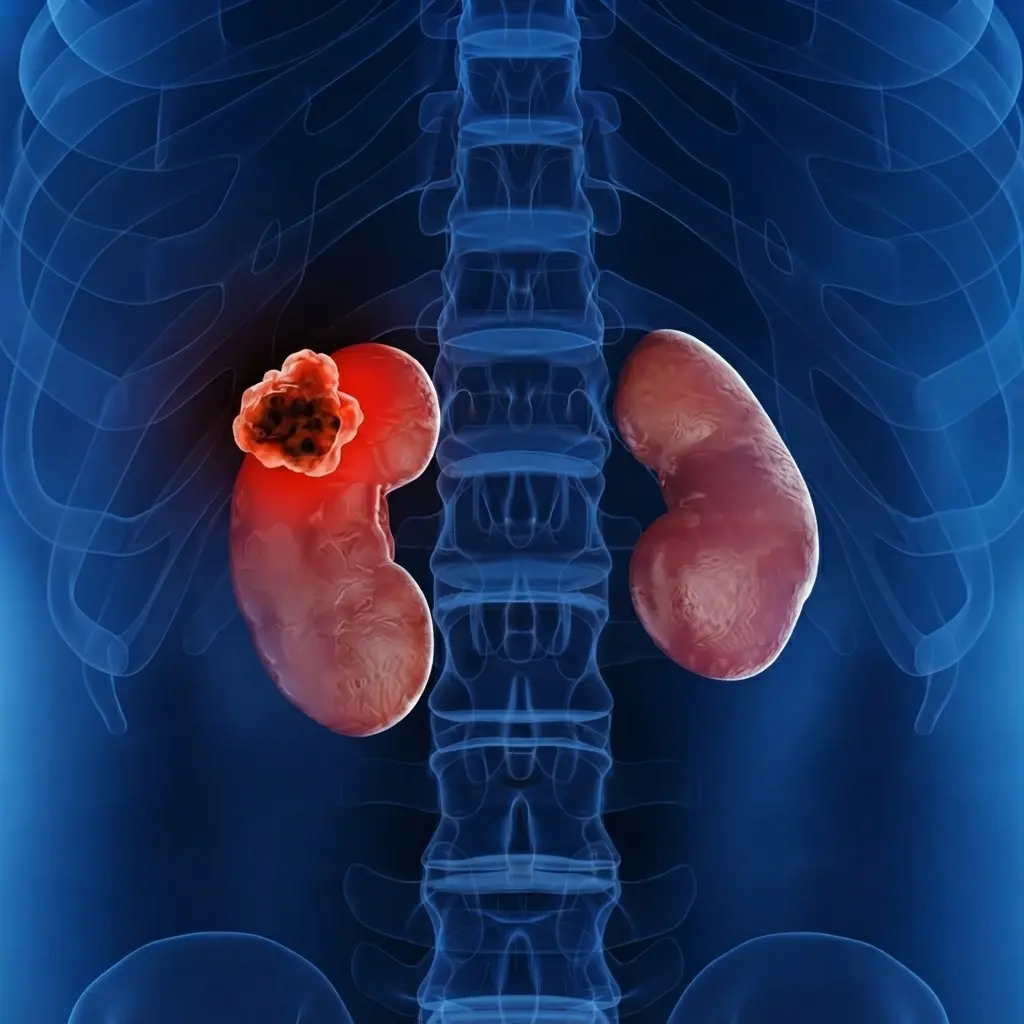
Patients with suspected kidney or ureteral problems may require specialist assessment to identify possible obstruction, stones, abnormalities, or other conditions affecting the urinary system.
Additional imaging or laboratory testing may be recommended when clinically appropriate.
Bladder Evaluation
Bladder symptoms may have several possible causes. A urological evaluation can help investigate urinary frequency, urgency, pain, difficulty emptying the bladder, blood in the urine, or other abnormalities.
Further procedures such as cystoscopy may be considered when indicated.
Evaluation of Urinary Tract Problems
The urinary tract includes the kidneys, ureters, bladder, and urethra. Problems affecting any of these structures may require specialist evaluation.
The assessment may help distinguish between different possible causes and determine an appropriate management pathway.
Urological Cancer Assessment
Patients with suspected or established urological cancer may require detailed evaluation to understand the nature and extent of the condition.
Depending on the suspected cancer, assessment may involve urology, oncology, radiology, pathology, and other relevant specialties.
Men's Urological Health
The evaluation may also address men's health concerns involving the prostate, urinary system, reproductive organs, and related conditions.
The appropriate assessment depends on the patient's symptoms, age, medical history, and individual health requirements.
Medication Review
The healthcare team may review prescription medications, over-the-counter medicines, and other treatments that could influence urinary symptoms or urological health.
Medication information can also help the specialist consider potential treatment interactions and appropriate management options.
Further Diagnostic Procedures
If the initial evaluation indicates a need for additional investigation, the specialist may recommend further procedures.
Depending on the patient's condition, these may include cystoscopy, specialized urinary testing, biopsy, imaging, or other diagnostic procedures.
Treatment Planning
Following evaluation and diagnosis, the urologist may discuss appropriate treatment options.
Depending on the condition, management may involve observation, medication, lifestyle measures, minimally invasive procedures, or surgery.
Complex Urological Conditions
Patients with complex or multiple urological problems may require coordinated assessment involving several specialties.
Depending on the condition, multidisciplinary care may involve urology, oncology, nephrology, radiology, pathology, or other medical services.
Second Opinion and Diagnostic Review
Patients who have already received a diagnosis or treatment recommendation may seek a specialist urological evaluation for additional medical review.
Previous imaging, laboratory findings, pathology reports, operative records, and treatment history may be assessed to help clarify the diagnosis and potential management options.
Review of Previous Medical Reports
Patients are encouraged to provide relevant previous medical information when available.
Useful documents may include urine and blood tests, imaging reports, biopsy results, operative reports, medication lists, discharge summaries, and previous specialist consultations.
International Patient Care
International patients seeking urological evaluation may be required to provide relevant medical records, diagnostic reports, laboratory results, imaging studies, medication information, and previous treatment history.
International patient services are subject to applicable eligibility, referral, appointment, and hospital requirements.
Benefits of Urological Evaluation
Potential benefits of specialist urological evaluation include:
Detailed assessment of urinary symptoms
Evaluation of prostate-related concerns
Assessment of kidney and ureter conditions
Investigation of bladder abnormalities
Review of abnormal urine and blood test results
Appropriate use of diagnostic imaging when indicated
Evaluation of suspected urological cancers
Review of previous medical records and treatment
Development of an individualized treatment pathway
Why Choose Massachusetts General Hospital?
Massachusetts General Hospital provides specialist medical care within a major academic healthcare environment. Patients with urological concerns may benefit from access to multidisciplinary expertise and diagnostic services when complex evaluation is required.
A comprehensive urological evaluation can help establish an appropriate diagnostic and treatment plan based on the patient's individual clinical circumstances.
Cost of Urological Evaluation
The overall cost depends on the patient's symptoms, diagnostic requirements, laboratory tests, imaging, additional procedures, specialist consultations, and follow-up needs.
Because evaluation requirements vary between patients, this service is offered at Price on Request following appropriate medical review.
Frequently Asked Questions
What does a urological evaluation assess?
A urological evaluation may assess the urinary system, including the kidneys, ureters, bladder, and urethra, as well as the prostate and male reproductive system when relevant.
What symptoms may require a urological evaluation?
Persistent urinary difficulty, frequent or urgent urination, blood in the urine, recurrent urinary problems, kidney stones, prostate symptoms, bladder concerns, or abnormal test results may require specialist evaluation.
What tests may be included in a urological evaluation?
Depending on the patient's condition, evaluation may include urine and blood tests, ultrasound, CT, MRI, cystoscopy, prostate-related testing, biopsy, or other diagnostic procedures.
Can a urological evaluation lead to surgery?
If a condition requiring surgical treatment is identified, the urologist may discuss surgical or minimally invasive options. Surgery is considered according to the patient's diagnosis and individual clinical needs.
Can international patients receive urological evaluation at Massachusetts General Hospital?
International patients may be considered subject to applicable eligibility, referral, appointment, and hospital requirements. Relevant medical records and diagnostic reports may need to be reviewed before treatment planning.
Product Details
Product Name: Urological Evaluation at Massachusetts General Hospital
Hospital: Massachusetts General Hospital
Brand: Massachusetts General Hospital
Country: United States
Location: Boston, Massachusetts, USA
Specialty: Urology
Service Type: Comprehensive Urological Evaluation
Customer-Facing Price: Price on Request
International Patients: Subject to applicable eligibility and appointment requirements
Related products







Frequently Bought Together
No frequently bought products found!
Products from this Seller
View All













Chemotherapy at Mayo Clinic

Immunotherapy at Mayo Clinic





Medical Tourism





Share with Friends
Trading is more effective when you share products with friends!Share you link
Share to