














Urologic Surgery at Massachusetts General Hospital provides specialist surgical evaluation and treatment for conditions affecting the urinary system and, when appropriate, the male reproductive system. Surgical care may address complex kidney, bladder, prostate, ureter, urethral, and other urological conditions based on the patient's diagnosis and individual medical needs.
Massachusetts General Hospital provides specialist care within an academic healthcare environment, supporting coordinated evaluation and surgical planning for patients requiring urological procedures.
Price
Price on Request
Why Price on Request?
The cost of urologic surgery varies according to the type and complexity of the procedure, diagnostic investigations, surgical approach, anesthesia, hospital stay, medications, postoperative care, and follow-up requirements. International patients may also have additional assessment and coordination requirements. A personalized cost estimate can be provided after the patient's medical information has been reviewed.
Complete Description
What Is Urologic Surgery?
Urologic surgery includes surgical procedures used to diagnose or treat conditions involving the urinary tract and related urological organs.
Depending on the condition, surgery may involve the kidneys, ureters, bladder, prostate, urethra, or other structures of the urinary system. The appropriate procedure is determined after specialist assessment.
Who May Need Urologic Surgery?
Urologic surgery may be considered for patients with:
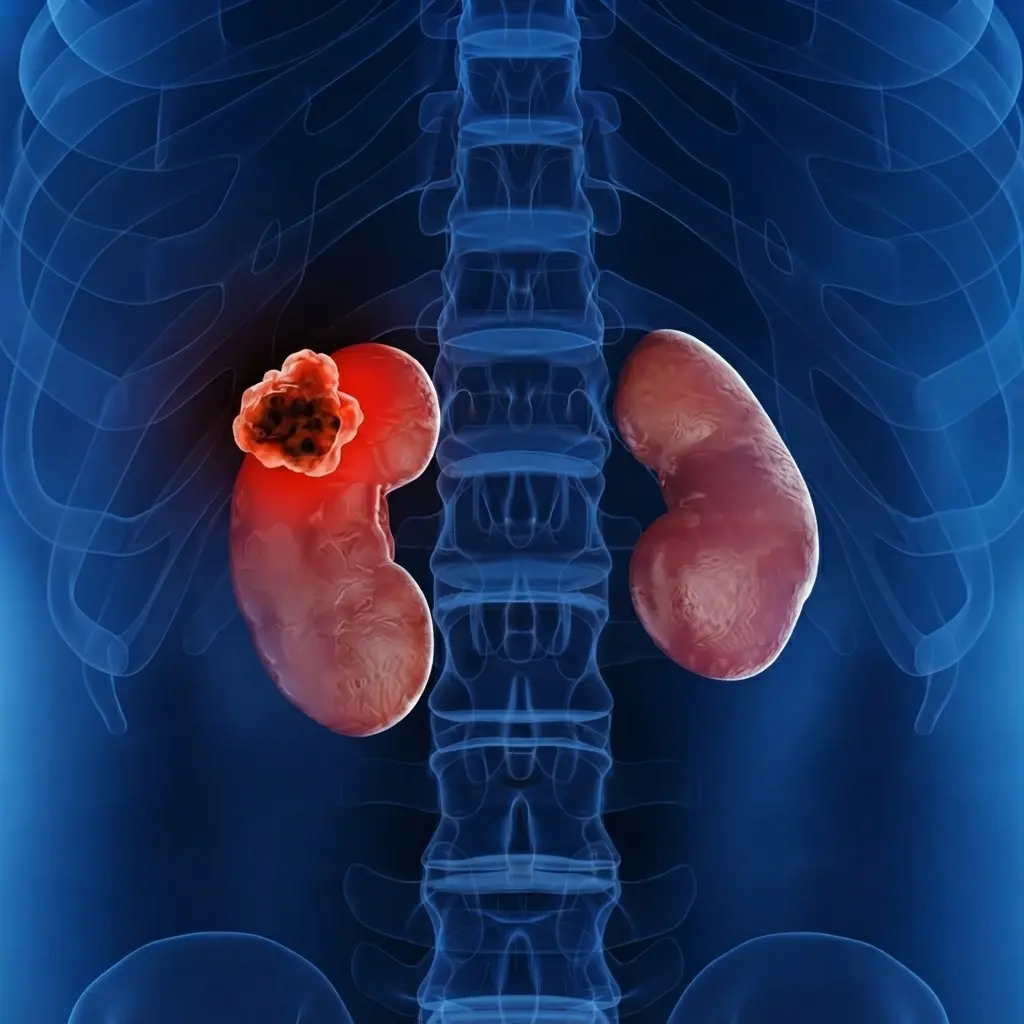
Kidney tumors or other kidney conditions
Kidney stones that require surgical treatment
Bladder tumors or bladder conditions
Prostate conditions requiring surgery
Urinary tract obstruction
Ureteral disorders
Urethral conditions
Complex urinary tract problems
Certain congenital or structural abnormalities
Conditions that have not responded adequately to non-surgical treatment
Urological Surgical Assessment
Before surgery, the specialist may review the patient's symptoms, medical history, medications, previous procedures, laboratory results, imaging studies, and other relevant medical information.
Additional testing may be recommended to determine the safest and most appropriate surgical approach.
Kidney Surgery
Urological surgery may be used to treat selected kidney conditions, including tumors, structural abnormalities, and certain complex kidney problems.
The type of surgery depends on the underlying condition, kidney function, location of the problem, and overall patient health.
Kidney Stone Surgery
Patients with kidney or ureteral stones that cannot be managed appropriately with conservative treatment may require a surgical or endoscopic procedure.
The choice of procedure depends on stone size, location, number, urinary tract anatomy, and other clinical factors.
Bladder Surgery
Bladder surgery may be performed for conditions such as bladder tumors, structural abnormalities, urinary obstruction, or other significant bladder disorders.
The surgical technique depends on the diagnosis and extent of the condition.
Prostate Surgery
Selected prostate conditions may require surgical treatment when symptoms are significant, complications develop, or another medical indication is present.
The appropriate surgical approach depends on the patient's diagnosis, prostate condition, overall health, and treatment objectives.
Ureter and Urethral Surgery
Surgical or endoscopic treatment may be considered for certain ureteral or urethral disorders, including obstruction, narrowing, or other structural problems.
Specialist assessment helps determine whether an intervention is appropriate and which technique may be suitable.
Minimally Invasive Urologic Surgery
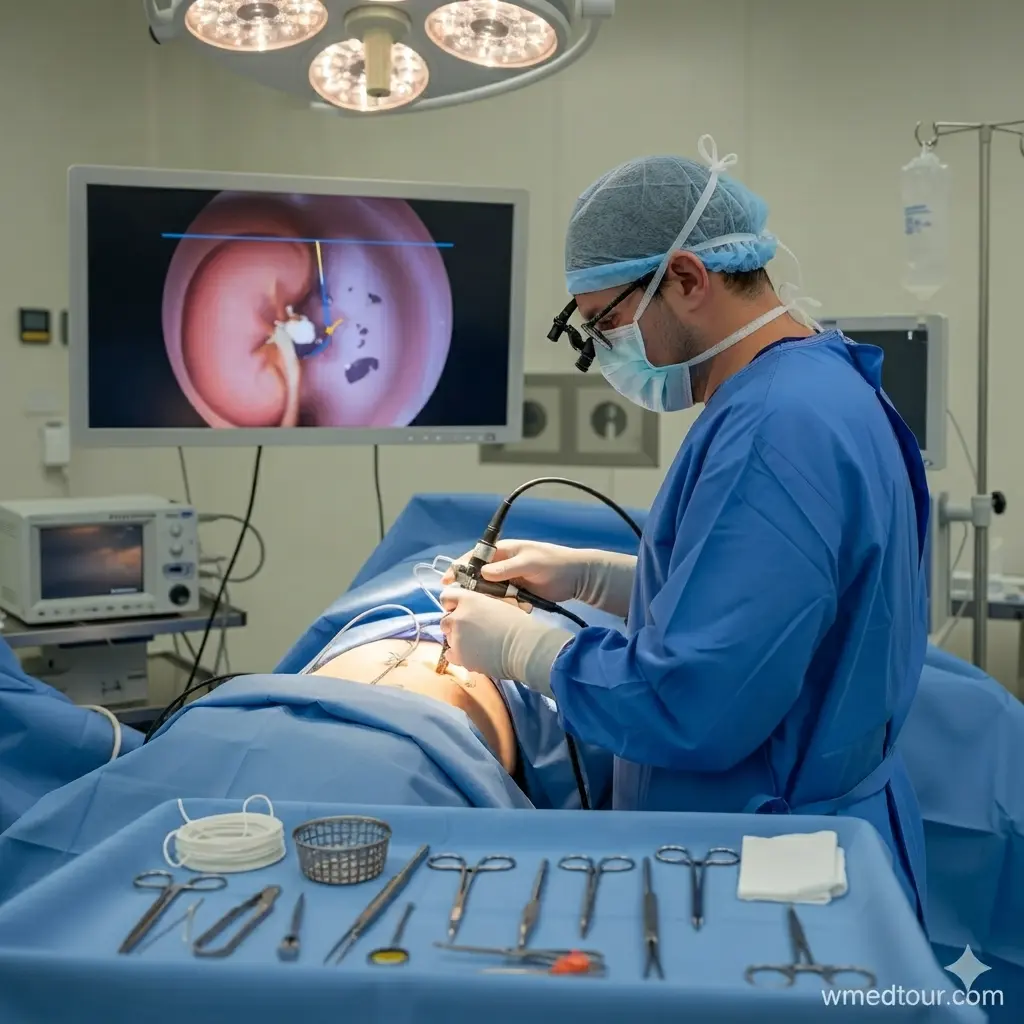
Where clinically appropriate, some urological procedures may be performed using minimally invasive techniques.
These approaches may involve smaller surgical access points and specialized instruments, although suitability depends on the specific condition and procedure.
Robotic-Assisted Urologic Surgery
Robotic-assisted techniques may be considered for selected urological procedures when clinically appropriate.
The decision to use robotic assistance depends on the patient's condition, surgical requirements, anatomy, and the surgeon's assessment.
Complex Urologic Surgery
Patients with complicated urological conditions may require advanced surgical planning and coordination among multiple specialists.
Complex cases may involve previous surgery, significant anatomical changes, cancer, advanced disease, or other factors that require individualized assessment.
Preoperative Evaluation
Before surgery, the medical team may assess general health, kidney function, medications, allergies, previous anesthesia history, and other factors relevant to the planned procedure.
Preoperative testing helps the medical team prepare an appropriate surgical and perioperative care plan.
Postoperative Care and Recovery
After surgery, patients may require monitoring, medication management, wound or catheter care, laboratory testing, and follow-up appointments.
Recovery time varies according to the type of surgery, the patient's overall health, and whether complications occur.
Review of Previous Medical Reports
Patients should provide previous imaging studies, laboratory results, operative reports, pathology reports, discharge summaries, medication lists, and other relevant medical records when seeking specialist surgical assessment.
These records can help the surgical team understand the patient's history and previous treatments.
Second Opinion for Urologic Surgery
Patients who have been advised to undergo urological surgery may seek a specialist second opinion regarding the diagnosis, proposed procedure, surgical alternatives, or treatment plan.
A review of existing medical information may help clarify whether surgery is appropriate and what options may be available.
International Patient Care
International patients may require medical record review before traveling for urologic surgery. Relevant diagnostic reports, imaging, laboratory results, previous surgical information, and medication details may be requested during the assessment process.
International treatment arrangements are subject to applicable eligibility, referral, appointment, and hospital requirements.
Benefits of Specialist Urologic Surgery
Potential benefits of specialist urologic surgical care include:
Detailed preoperative assessment
Specialist evaluation of complex urinary conditions
Access to different surgical approaches when appropriate
Individualized surgical planning
Coordinated perioperative care
Review of previous treatment and surgical history
Postoperative monitoring and follow-up
Specialist second-opinion assessment
Why Choose Massachusetts General Hospital?
Massachusetts General Hospital provides specialist surgical care within a major academic healthcare environment. Patients requiring urologic surgery may benefit from coordinated expertise across urology, radiology, pathology, oncology, anesthesia, and other relevant specialties when complex care is required.
Specialist evaluation can help establish an appropriate surgical pathway based on the patient's diagnosis and individual clinical needs.
Cost of Urologic Surgery
The overall cost depends on the procedure required, diagnostic testing, surgical complexity, anesthesia, hospital services, medications, length of stay, and postoperative follow-up.
Because surgical requirements vary between patients, this service is offered at Price on Request following appropriate medical review.
Frequently Asked Questions
What conditions can require urologic surgery?
Urologic surgery may be used to treat selected conditions involving the kidneys, ureters, bladder, prostate, urethra, and other parts of the urinary system.
Is minimally invasive surgery available for urological conditions?
Some urological procedures may be performed using minimally invasive techniques when clinically appropriate. The suitable approach depends on the condition and procedure.
Is robotic surgery suitable for every patient?
No. Robotic-assisted surgery is appropriate only for selected procedures and patients. The surgical team determines suitability based on the diagnosis, anatomy, and treatment requirements.
How long does recovery take after urologic surgery?
Recovery varies depending on the type and complexity of the procedure, the patient's general health, and postoperative progress. The surgical team can provide procedure-specific guidance.
Can international patients receive urologic surgery at Massachusetts General Hospital?
International patients may be considered subject to applicable eligibility, referral, appointment, and hospital requirements. Medical records and diagnostic reports may need to be reviewed before treatment planning.
Product Details
Product Name: Urologic Surgery at Massachusetts General Hospital
Hospital: Massachusetts General Hospital
Brand: Massachusetts General Hospital
Country: United States
Location: Boston, Massachusetts, USA
Specialty: Urology
Service Type: Urologic Surgery
Customer-Facing Price: Price on Request
International Patients: Subject to applicable eligibility and appointment requirements
Related products






Frequently Bought Together
No frequently bought products found!
Products from this Seller
View All












Chemotherapy at Mayo Clinic

Immunotherapy at Mayo Clinic




Medical Tourism





Share with Friends
Trading is more effective when you share products with friends!Share you link
Share to