













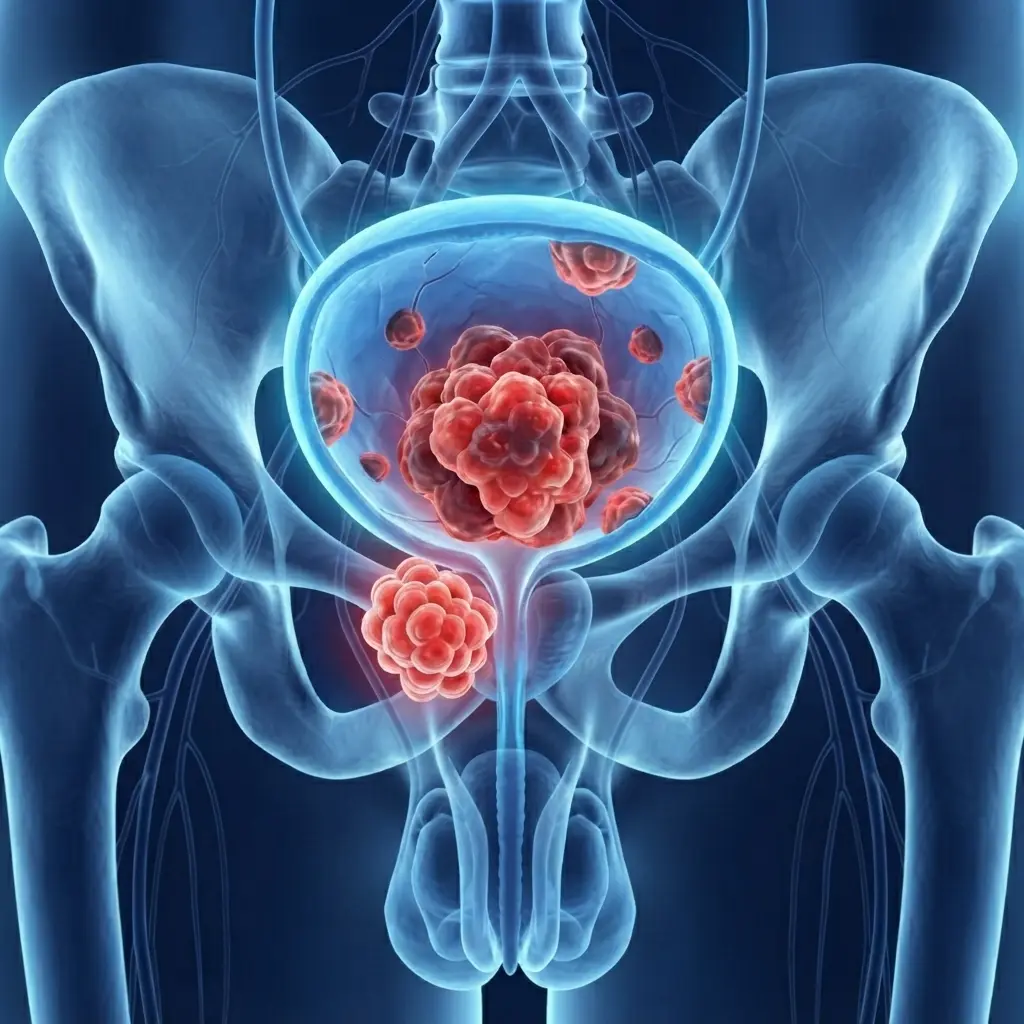
Bladder Cancer Treatment at Toronto General Hospital
Bladder Cancer Treatment at Toronto General Hospital provides specialist assessment and individualized treatment planning for patients diagnosed with bladder cancer. Treatment depends on the type, grade, stage, location, number, and extent of the tumor, as well as the patient's overall health, bladder function, kidney function, and previous treatment history.
Depending on the clinical situation, treatment may include endoscopic tumor removal, bladder-directed therapies, surgery, radiation therapy, systemic medications, immunotherapy, or a combination of approaches. Patients with recurrent, high-risk, muscle-invasive, or advanced bladder cancer may require multidisciplinary evaluation and specialized treatment planning.
Price
Price on Request
Why Price on Request?
The cost of bladder cancer treatment varies according to the type and stage of cancer, diagnostic procedures, cystoscopy, pathology, imaging, surgery, medications, systemic therapies, hospital stay, and follow-up care. Treatment complexity and the need for multidisciplinary care can also affect the total cost. International patients may have additional administrative and treatment requirements. A personalized estimate can be provided after medical assessment and treatment planning.
Complete Description
What Is Bladder Cancer Treatment?
Bladder cancer treatment refers to medical and surgical approaches used to manage cancer that develops in the tissues of the urinary bladder. Bladder cancer can occur in different forms and may range from tumors confined to the bladder lining to cancers that have invaded the bladder muscle or spread to other parts of the body.
The treatment approach depends on the cancer's characteristics, stage, risk level, previous treatments, and the patient's overall health.
Who May Need Bladder Cancer Treatment?
Treatment may be considered for patients with:
A confirmed bladder cancer diagnosis
Abnormal bladder tissue requiring further assessment
Non-muscle-invasive bladder cancer
Muscle-invasive bladder cancer
High-risk or recurrent bladder cancer
Multiple bladder tumors
Persistent or recurrent bladder tumors
Locally advanced bladder cancer
Metastatic bladder cancer
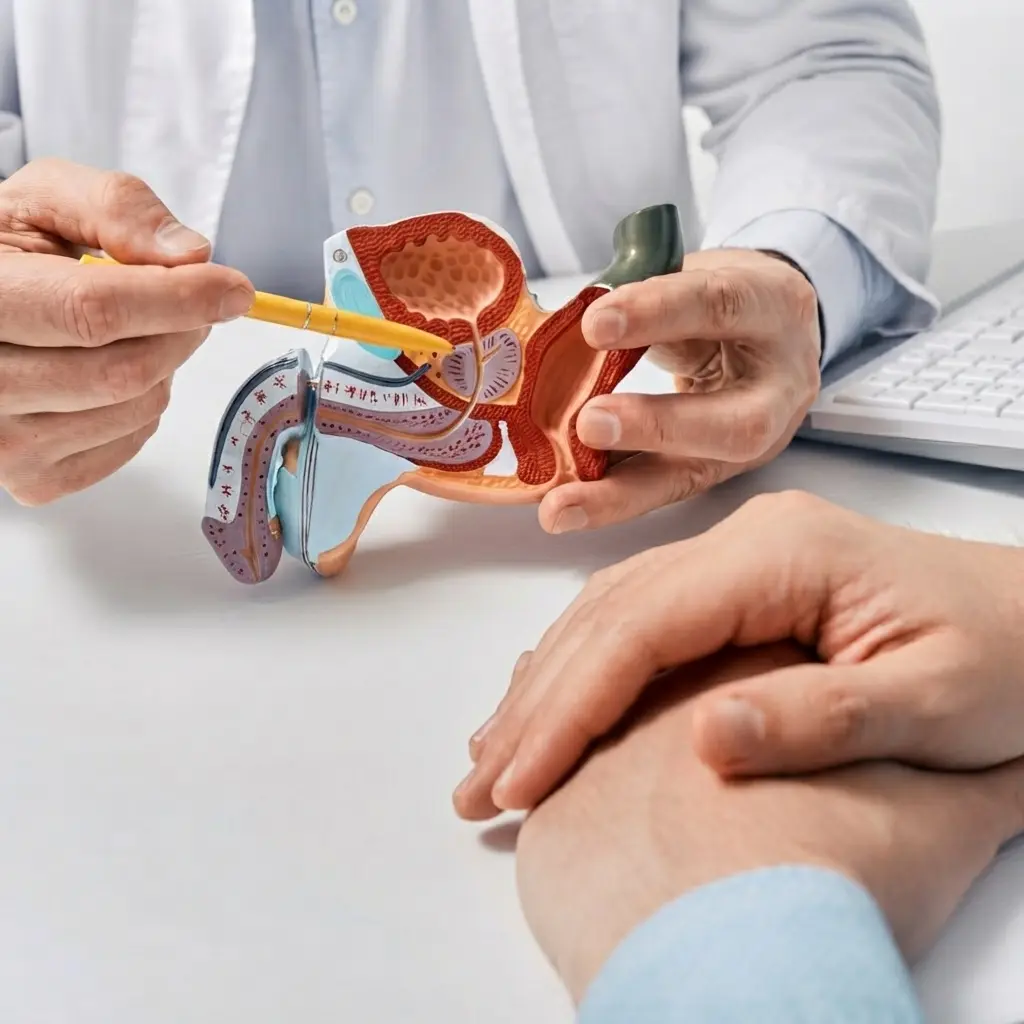
A specialist evaluation is required to determine the most appropriate treatment pathway.
Bladder Cancer Assessment
Evaluation generally begins with a review of the patient's symptoms, medical history, previous urinary conditions, smoking history where relevant, medications, previous bladder procedures, and available diagnostic reports.
Symptoms that may prompt evaluation include blood in the urine, changes in urination, urinary frequency, urgency, discomfort during urination, or other urinary changes. Some bladder cancers may be detected during evaluation before significant symptoms develop.
Cystoscopy and Bladder Evaluation
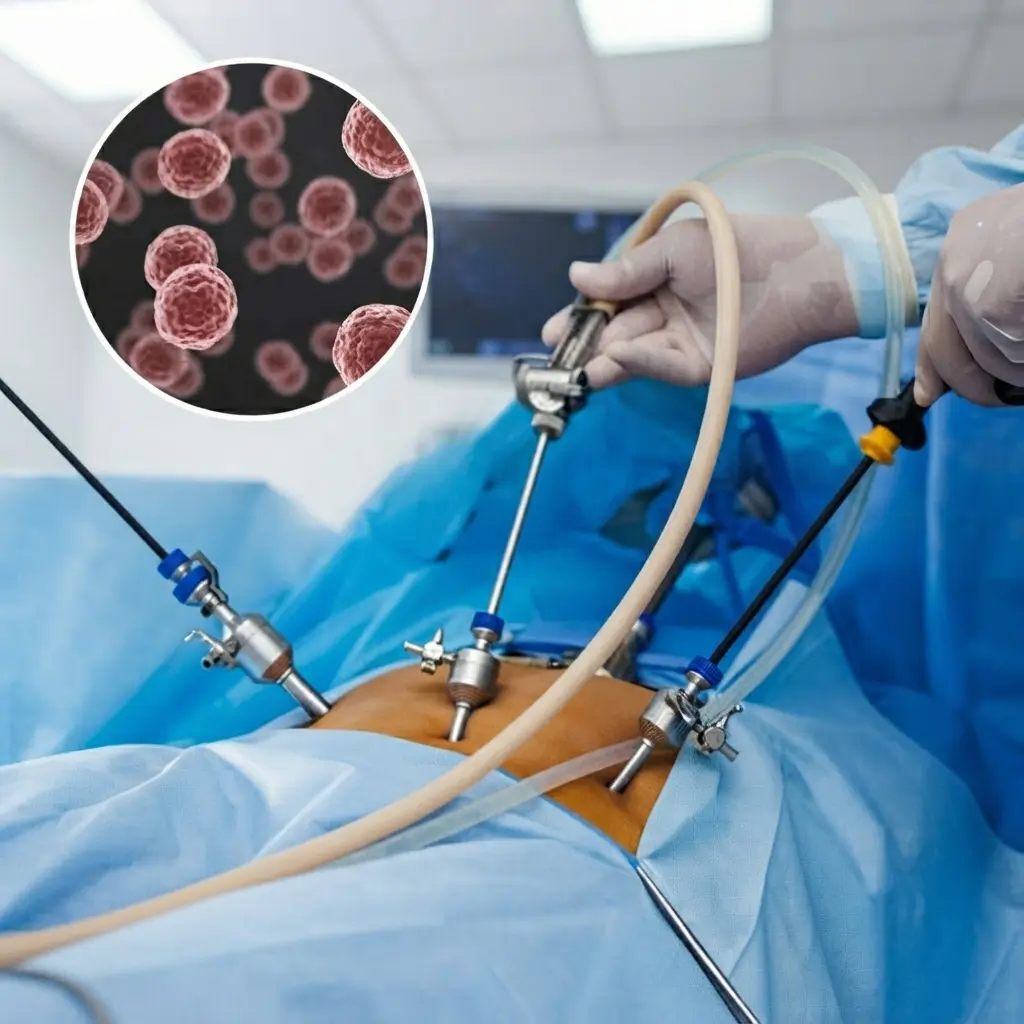
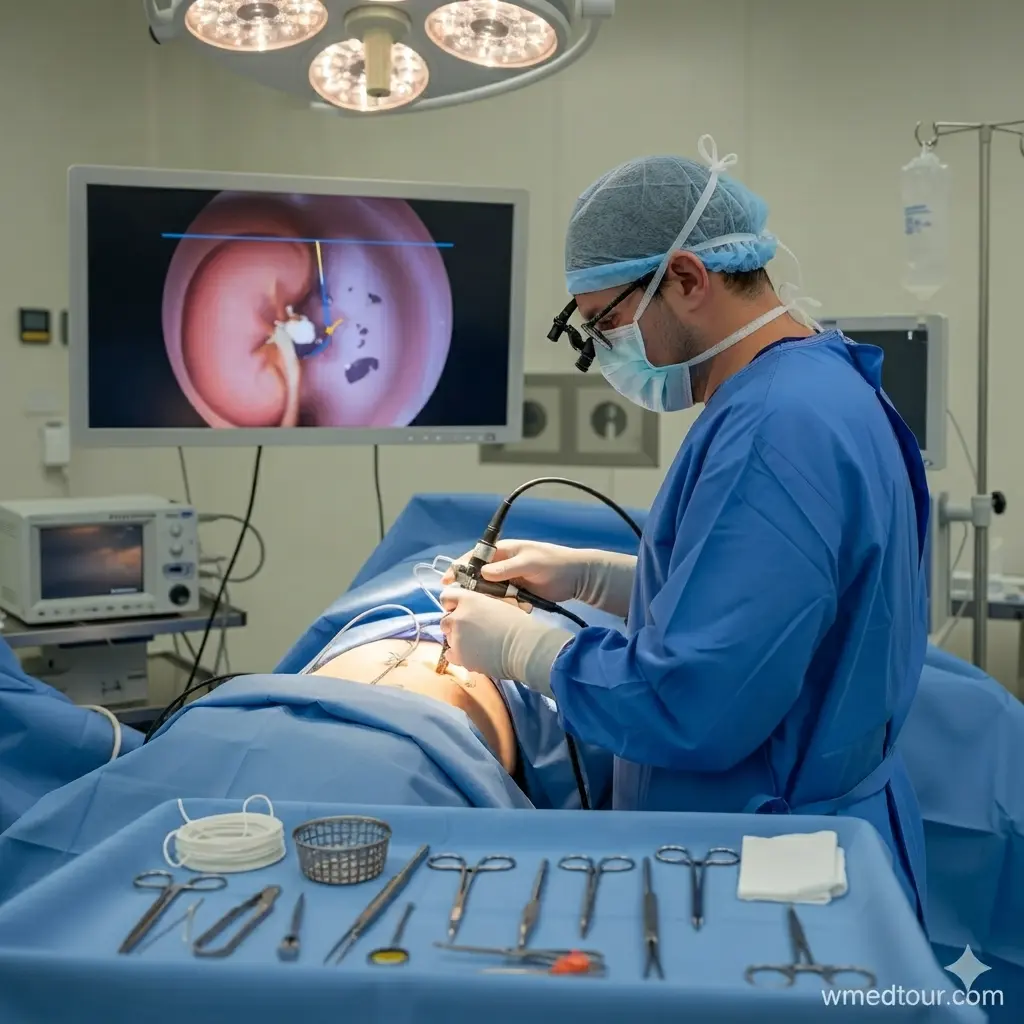
Cystoscopy allows a specialist to examine the inside of the bladder using a small camera passed through the urinary tract. It may be used to identify suspicious areas, assess previously diagnosed tumors, or monitor patients after treatment.
The findings can help determine whether further biopsy, tumor removal, or additional treatment is required.
Biopsy and Pathology Review
Tissue removed from the bladder may be examined by a pathology specialist. Pathology helps determine the type and grade of the tumor and provides information important for treatment planning.
Patients who have already undergone a biopsy or bladder procedure may have their pathology findings reviewed as part of a specialist assessment.
Bladder Cancer Staging
Staging is an important part of determining the appropriate treatment approach. The medical team may evaluate whether the cancer is limited to the bladder lining, has invaded the bladder muscle, has extended into nearby tissues or lymph nodes, or has spread to distant organs.
Imaging and additional diagnostic investigations may be recommended depending on the individual case.
Non-Muscle-Invasive Bladder Cancer
Non-muscle-invasive bladder cancer is confined to the inner layers of the bladder and has not invaded the bladder muscle.
Treatment may involve endoscopic removal of visible tumors followed by surveillance and, for selected patients, bladder-directed therapies. The exact management depends on tumor grade, recurrence risk, number of tumors, and other clinical findings.
Transurethral Bladder Tumor Removal
Transurethral resection of bladder tumor, commonly referred to as TURBT, is an endoscopic procedure used to remove or sample bladder tumors through the urinary tract without making an external abdominal incision.
The procedure can provide tissue for pathological evaluation and may also remove visible tumor tissue when clinically appropriate.
Bladder-Directed Therapy
Selected patients with non-muscle-invasive bladder cancer may receive medication directly into the bladder following tumor removal.
The type and schedule of bladder-directed treatment depend on the cancer's risk characteristics, previous treatment, recurrence pattern, and specialist recommendations.
Muscle-Invasive Bladder Cancer
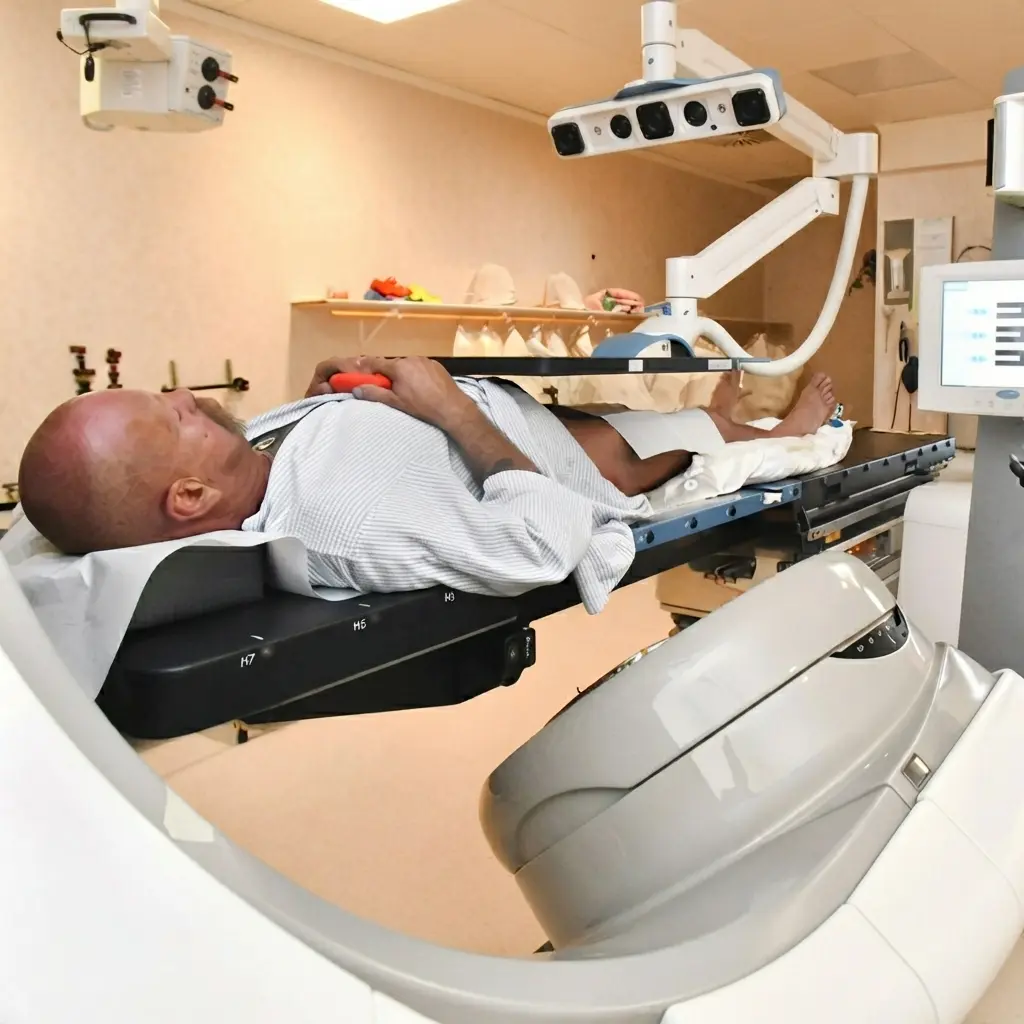
When bladder cancer invades the muscle layer, treatment generally requires more intensive management. Depending on the patient's condition, treatment may involve surgery, chemotherapy, radiation therapy, immunotherapy, or combinations of these approaches.
Treatment selection is individualized according to cancer stage, overall health, kidney function, and other important clinical factors.
Radical Cystectomy
For selected patients with muscle-invasive or otherwise high-risk bladder cancer, radical cystectomy may be considered. This surgery involves removal of the bladder and may include removal of nearby structures and lymph nodes according to the patient's individual treatment plan.
Because removal of the bladder changes the way urine is stored and passed, urinary reconstruction or diversion is generally incorporated into surgical planning.
Urinary Diversion and Reconstruction
When the bladder is removed, the surgical team may create an alternative pathway for urine to leave the body. Different forms of urinary diversion may be considered depending on the patient's anatomy, kidney function, health status, previous treatments, and individual circumstances.
The most appropriate reconstruction or diversion method is discussed as part of preoperative planning.
Systemic Cancer Treatment
For selected patients, medications that work throughout the body may form part of bladder cancer treatment. Depending on the stage and characteristics of the cancer, systemic treatment may include chemotherapy, immunotherapy, targeted treatment, or other specialist-directed therapies.
The choice of medication depends on the patient's diagnosis, previous treatments, overall health, and cancer characteristics.
Treatment for Advanced or Metastatic Bladder Cancer
When bladder cancer has spread beyond the bladder, treatment generally focuses on controlling the disease, slowing progression, managing symptoms, and supporting quality of life.
Depending on the individual case, treatment may include systemic therapies, surgery in selected situations, radiation therapy, or combinations of different treatment approaches.
Recurrent Bladder Cancer
Bladder cancer can return after treatment, particularly in patients with certain tumor characteristics. Regular surveillance is therefore an important part of care for many patients.
When recurrence is identified, treatment is selected according to the location, number, grade, stage, and previous treatment history of the recurrent tumor.
Surveillance and Follow-Up
Follow-up after bladder cancer treatment may include regular cystoscopy, urine testing, imaging, laboratory investigations, and clinical assessment when appropriate.
The frequency and type of follow-up depend on the patient's cancer risk, previous treatment, recurrence history, and specialist recommendations.
Second Opinion for Bladder Cancer
Patients diagnosed with bladder cancer may seek a specialist second opinion before beginning treatment or when the cancer has returned.
A second-opinion review may include pathology slides or reports, cystoscopy findings, imaging, laboratory results, previous treatment records, and the proposed treatment plan. This can help patients better understand their diagnosis and treatment options.
Multidisciplinary Bladder Cancer Care
Complex bladder cancer cases may require coordinated input from multiple specialists. Depending on the patient's needs, care may involve urologists, medical oncologists, radiation oncologists, radiologists, pathologists, specialized nursing teams, and other healthcare professionals.
Multidisciplinary collaboration can help integrate diagnostic findings and develop a comprehensive treatment strategy.
International Patient Bladder Cancer Treatment
International patients seeking bladder cancer treatment may undergo a medical record review before an appointment or treatment plan is established. Relevant records may include cystoscopy reports, biopsy and pathology results, CT or MRI reports, previous surgical records, chemotherapy or other treatment history, laboratory results, and current medications.
Treatment recommendations, scheduling, and eligibility depend on specialist assessment and applicable international patient requirements.
Benefits of Bladder Cancer Treatment at Toronto General Hospital
Specialist assessment of bladder cancer
Individualized treatment planning
Evaluation of early and advanced bladder cancer
Endoscopic assessment and treatment planning
Surgical evaluation for complex bladder tumors
Review of pathology and imaging
Multidisciplinary cancer care
Assessment of recurrent bladder cancer
Support for second-opinion evaluations
Coordinated care for eligible international patients
Why Choose Toronto General Hospital?
Toronto General Hospital is part of University Health Network and provides care within a major academic healthcare environment. Patients with complex urological and cancer conditions may benefit from specialist expertise, diagnostic resources, multidisciplinary collaboration, and individualized treatment planning.
Bladder cancer treatment varies considerably between patients. The appropriate approach depends on tumor characteristics, cancer stage, recurrence risk, previous treatment, overall health, and other clinical factors.
Cost & Price on Request
The total cost of bladder cancer treatment depends on the patient's diagnosis and recommended treatment pathway. Costs may include urology consultations, cystoscopy, biopsy or tumor removal, pathology, imaging, surgery, anesthesia, hospital services, medications, systemic cancer treatment, and follow-up care.
Price on Request is provided because bladder cancer treatment can involve significantly different procedures and treatment plans depending on the patient's individual condition.
Frequently Asked Questions
What treatments are available for bladder cancer?
Treatment may include transurethral tumor removal, bladder-directed therapy, surgery, chemotherapy, radiation therapy, immunotherapy, targeted treatment, or combinations of these approaches. The appropriate treatment depends on the type and stage of bladder cancer.
Is surgery always required for bladder cancer?
No. Some bladder cancers can be managed with endoscopic treatment and bladder-directed therapy, while others may require more extensive surgery. Treatment depends on the cancer's grade, stage, recurrence risk, and other patient-specific factors.
What is TURBT in bladder cancer treatment?
TURBT stands for transurethral resection of bladder tumor. It is an endoscopic procedure used to remove or sample bladder tumors through the urinary tract and can provide tissue for pathological examination.
Can I seek a second opinion for bladder cancer treatment?
Yes. A specialist second opinion can include review of pathology, cystoscopy findings, imaging, previous treatment records, and the proposed treatment plan. This may be especially useful for recurrent, high-risk, or complex bladder cancer.
How much does bladder cancer treatment cost at Toronto General Hospital?
There is no single fixed cost because treatment varies according to cancer stage, diagnostic requirements, surgery or other treatment, hospital services, medications, and follow-up. The price is therefore provided on request after individual assessment.
Product Details
Product Name: Bladder Cancer Treatment at Toronto General Hospital
Hospital: Toronto General Hospital
Brand: Toronto General Hospital
Country: Canada
Specialty: Urology
Service Type: Bladder Cancer Treatment
Customer-Facing Price: Price on Request
International Patients: Subject to applicable eligibility and appointment requirements
Location: Toronto, Ontario, Canada
Related products


Frequently Bought Together
No frequently bought products found!
Products from this Seller
View All









Chemotherapy at Mayo Clinic

Immunotherapy at Mayo Clinic

Medical Tourism





Share with Friends
Trading is more effective when you share products with friends!Share you link
Share to