













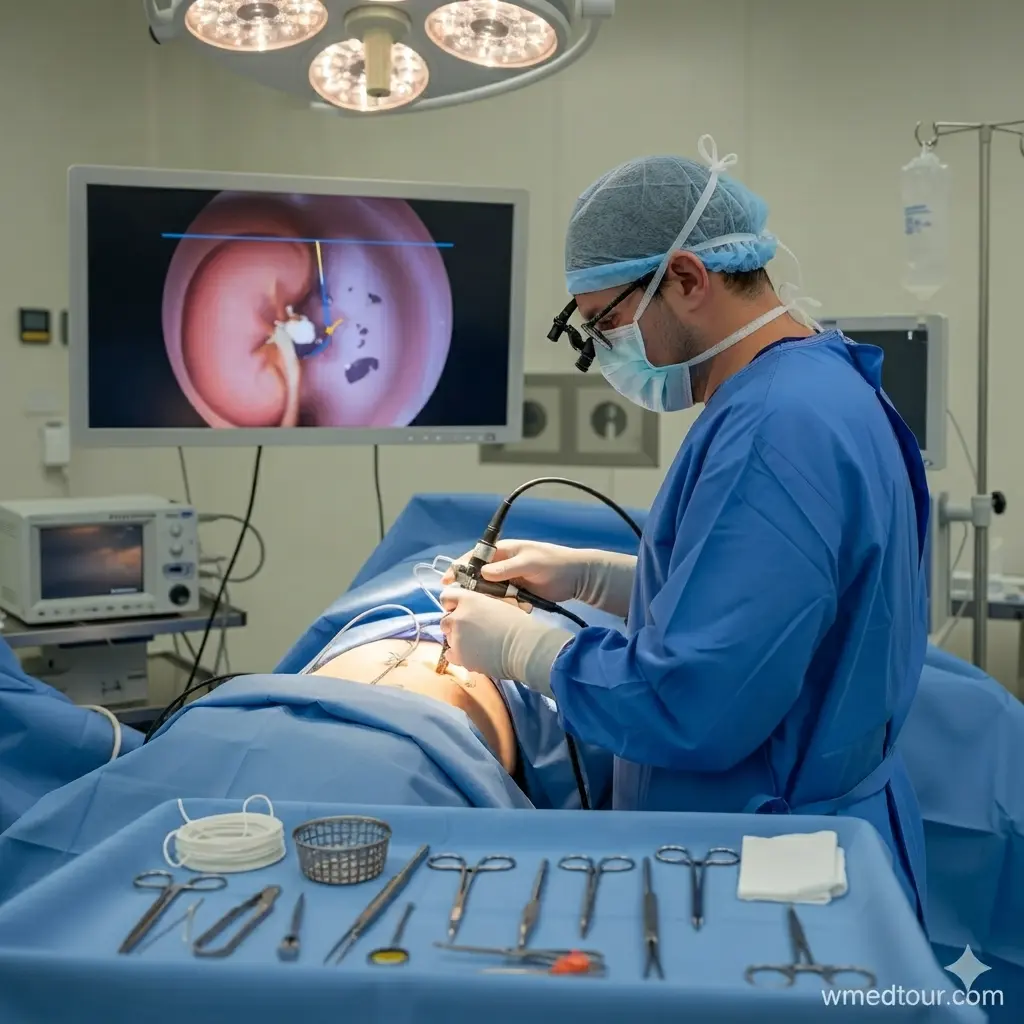
Kidney Stone Treatment at Toronto General Hospital
Kidney Stone Treatment at Toronto General Hospital provides specialist assessment and management for patients with kidney stones and urinary tract stones. Treatment is selected according to the stone's size, location, number, composition when known, symptoms, urinary obstruction, infection risk, kidney function, and the patient's overall health.
Depending on the clinical situation, management may include observation, medication, dietary and fluid guidance, minimally invasive procedures, stone removal, or surgical treatment. Patients with recurrent, large, obstructing, complex, or difficult-to-treat stones may require a more detailed urological evaluation and individualized treatment plan.
Price
Price on Request
Why Price on Request?
The cost of kidney stone treatment varies depending on the size and location of the stone, number of stones, diagnostic imaging, laboratory testing, medications, type of procedure, anesthesia, hospital stay, and follow-up requirements. Emergency or complicated cases may require additional care. International patients may also have different administrative and treatment requirements. A personalized estimate can be prepared after assessment of the patient's medical condition and recommended treatment.
Complete Description
What Is Kidney Stone Treatment?
Kidney stone treatment involves medical or procedural management of stones that form within the kidneys or urinary tract. Stones can vary considerably in size and may remain in the kidney or move into the ureter, where they can cause pain or urinary obstruction.
The appropriate treatment depends on the stone's characteristics and the patient's symptoms. Small stones may sometimes pass naturally, while larger or obstructing stones may require an intervention to break up or remove them.
Who May Need Kidney Stone Treatment?
Treatment may be considered for patients experiencing:
Severe or recurring flank pain
Blood in the urine
Difficulty passing urine
Recurrent urinary tract infections
Nausea or vomiting associated with a stone
Urinary obstruction
Large kidney stones
Multiple or recurrent stones
Stones that are unlikely to pass naturally
Complications affecting kidney function
Repeated kidney stone episodes
A specialist assessment helps determine whether observation, medication, or a procedure is most appropriate.
Kidney Stone Assessment
The evaluation may begin with a review of symptoms, medical history, previous kidney stones, medications, family history, fluid intake, and dietary factors.
The medical team may also assess pain characteristics, urinary symptoms, previous procedures, infection history, and kidney function before recommending treatment.
Diagnostic Imaging
Imaging plays an important role in identifying the size, number, and location of kidney stones. Depending on the clinical situation, imaging may include ultrasound, X-ray-based studies, or computed tomography.
Imaging findings can help determine whether a stone is likely to pass naturally or whether procedural treatment should be considered.
Laboratory Testing
Laboratory investigations may be recommended to evaluate kidney function, identify signs of infection, and assess other factors relevant to treatment.
Urine testing may be used to identify blood or infection, while blood tests may help assess kidney function and other clinical parameters.
Conservative Kidney Stone Management
Some small stones may be managed without an immediate procedure when there is no significant obstruction, infection, or other complication.
Conservative management may include appropriate fluid intake, pain management, observation, and follow-up imaging or clinical review. Medication may sometimes be prescribed to help manage symptoms or support stone passage when clinically appropriate.
Kidney Stone Removal Procedures
When a stone is too large to pass, causes persistent symptoms, creates obstruction, or presents other clinical concerns, a procedure may be recommended.
The selected procedure depends on stone size, location, composition when known, urinary anatomy, previous treatments, and the patient's overall condition.
Ureteroscopy
Ureteroscopy is a minimally invasive procedure that uses a small instrument to access the urinary tract and reach a stone. Depending on the stone's characteristics, the stone may be removed directly or fragmented into smaller pieces.
A temporary urinary stent may sometimes be placed after the procedure when clinically necessary.
Shock Wave Stone Treatment
For selected kidney stones, shock wave treatment may be considered to break the stone into smaller fragments that can subsequently pass through the urinary tract.
Suitability depends on factors such as stone size, location, density, anatomy, and the patient's overall health.
Percutaneous Stone Surgery
Large or complex kidney stones may require a more extensive minimally invasive procedure. Percutaneous approaches allow specialists to access the kidney through a small opening and remove or fragment stones.
This type of treatment is generally considered for selected patients when other approaches may be less suitable.
Complex and Recurrent Kidney Stones
Patients with recurrent stones, multiple stones, unusual stone characteristics, anatomical abnormalities, or previous unsuccessful treatments may require specialized evaluation.
A detailed review can help identify the most appropriate treatment strategy and reduce unnecessary repeated procedures.
Stone Analysis
When a stone or stone fragment is retrieved, laboratory analysis may sometimes be performed to identify its composition. Understanding stone composition can help guide prevention strategies for future stone formation.
Additional metabolic or urine testing may be recommended for patients with recurrent stones or other risk factors.
Prevention of Recurrent Kidney Stones
Treatment does not always end with stone removal. Patients who have recurrent kidney stones may benefit from an evaluation of potential contributing factors.
Preventive recommendations may involve individualized fluid intake, dietary adjustments, medication when appropriate, and monitoring based on the patient's stone type and metabolic findings.
Emergency Kidney Stone Conditions
Some kidney stone situations require urgent medical attention, particularly when obstruction is associated with infection or when there is significant deterioration in kidney function.
Patients with severe pain, fever, chills, difficulty passing urine, or other concerning symptoms should receive prompt medical assessment rather than delaying treatment.
Second Opinion for Kidney Stone Treatment
Patients who have been advised to undergo kidney stone surgery or who have experienced repeated unsuccessful treatments may seek a specialist second opinion.
A second-opinion review can include previous CT scans, ultrasound or X-ray reports, laboratory results, stone analysis, operative reports, and treatment history.
Multidisciplinary Care
Complex kidney stone cases may require collaboration between urologists, radiologists, laboratory specialists, and other healthcare professionals depending on the patient's condition.
Coordinated assessment can help integrate imaging, laboratory findings, kidney function, and previous treatment history into an individualized care plan.
International Patient Kidney Stone Treatment
International patients seeking kidney stone treatment may undergo a medical record review before an appointment or treatment plan is established. Patients should provide available imaging reports, scan images when possible, laboratory results, previous procedure reports, medication information, and relevant medical history.
Treatment recommendations and scheduling depend on clinical assessment and applicable international patient requirements.
Benefits of Kidney Stone Treatment at Toronto General Hospital
Specialist urological assessment
Evaluation of kidney and urinary tract stones
Individualized treatment planning
Assessment of complex and recurrent stones
Access to diagnostic imaging and laboratory evaluation
Consideration of minimally invasive treatment options
Review of previous stone treatment and medical records
Stone prevention planning when appropriate
Support for second-opinion assessments
Coordinated care for eligible international patients
Why Choose Toronto General Hospital?
Toronto General Hospital is part of University Health Network and provides care within a major academic healthcare environment. Patients with complex urological conditions may benefit from specialist expertise, diagnostic resources, multidisciplinary collaboration, and individualized treatment planning.
Kidney stone treatment is not based on a single procedure for every patient. The appropriate approach depends on the stone's characteristics, symptoms, urinary anatomy, kidney function, and overall clinical circumstances.
Cost & Price on Request
The total cost of kidney stone treatment depends on the patient's specific condition and required services. Costs may include specialist consultation, diagnostic imaging, laboratory investigations, medications, anesthesia, stone removal procedures, hospital services, pathology or stone analysis when applicable, and follow-up care.
Price on Request is used because the treatment pathway and associated costs vary considerably between patients.
Frequently Asked Questions
Can all kidney stones pass without surgery?
No. Some small stones may pass naturally, but larger, obstructing, painful, infected, or otherwise complicated stones may require a medical or procedural intervention.
What treatments may be used for kidney stones?
Depending on the patient's condition, treatment may include observation, medication, shock wave treatment, ureteroscopy, percutaneous stone surgery, or other specialist procedures.
How is the best kidney stone treatment selected?
Doctors consider the stone's size, number, location, density, urinary anatomy, symptoms, kidney function, infection risk, previous treatment, and overall health when determining the most appropriate approach.
Can recurrent kidney stones be prevented?
Recurrence may sometimes be reduced through individualized dietary and fluid recommendations, medication when appropriate, and investigation of factors contributing to stone formation. Stone analysis and metabolic evaluation may help guide prevention for selected patients.
How much does kidney stone treatment cost at Toronto General Hospital?
There is no single fixed price. The cost depends on the required investigations, type of treatment, procedure complexity, hospital services, and follow-up care. The price is therefore provided on request after individual assessment.
Product Details
Product Name: Kidney Stone Treatment at Toronto General Hospital
Hospital: Toronto General Hospital
Brand: Toronto General Hospital
Country: Canada
Specialty: Urology
Service Type: Kidney Stone Treatment
Customer-Facing Price: Price on Request
International Patients: Subject to applicable eligibility and appointment requirements
Location: Toronto, Ontario, Canada
Related products




Frequently Bought Together
No frequently bought products found!
Products from this Seller
View All












Chemotherapy at Mayo Clinic

Immunotherapy at Mayo Clinic


Medical Tourism





Share with Friends
Trading is more effective when you share products with friends!Share you link
Share to