













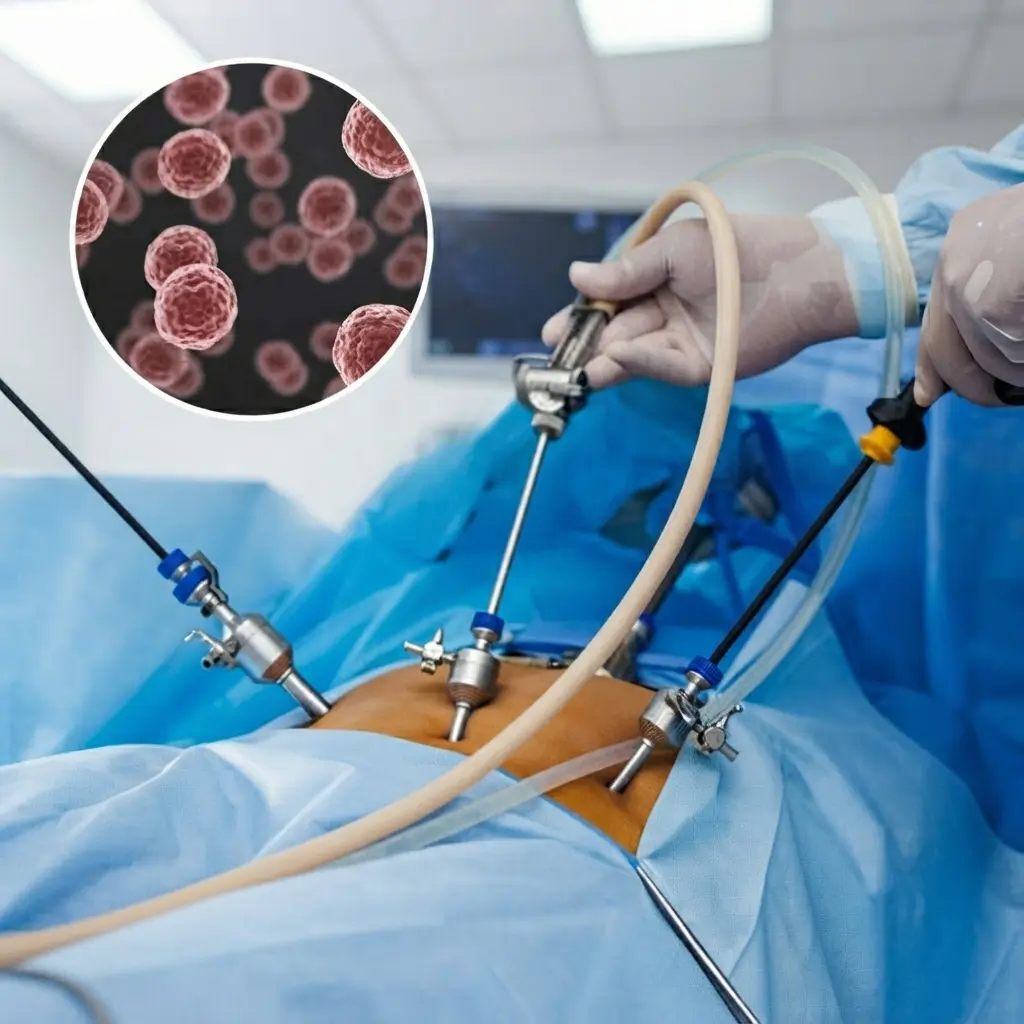
Urologic Surgery at Toronto General Hospital
Urologic Surgery at Toronto General Hospital provides surgical assessment and treatment for selected conditions affecting the urinary tract and male reproductive system. Depending on the patient's diagnosis, urologic surgery may be used to treat conditions involving the kidneys, ureters, bladder, prostate, urethra, or other parts of the genitourinary system.
The appropriate surgical approach depends on the patient's condition, severity, anatomy, previous treatments, overall health, and treatment goals. Depending on the clinical situation, surgery may be performed using open, laparoscopic, endoscopic, or other minimally invasive techniques.
Price
Price on Request
Why Price on Request?
The cost of urologic surgery varies according to the diagnosis, type and complexity of the procedure, diagnostic investigations, anesthesia, surgical requirements, hospital stay, medications, pathology services, and postoperative care. Complex cases may require additional specialist assessment or procedures. International patients may also have specific administrative and treatment requirements. A personalized estimate can be provided after medical assessment and treatment planning.
Complete Description
What Is Urologic Surgery?
Urologic surgery includes operative procedures used to diagnose, treat, or manage diseases affecting the urinary system and male reproductive organs.
Depending on the patient's condition, procedures may involve the kidneys, ureters, bladder, prostate, urethra, or related structures. Some procedures are performed through natural urinary pathways, while others require minimally invasive or open surgical access.
Who May Need Urologic Surgery?
Urologic surgery may be considered for selected patients with:
Kidney and urinary tract conditions
Kidney tumors
Bladder tumors
Prostate conditions
Urinary obstruction
Kidney or ureteral stones
Urological cancers
Recurrent urinary tract problems requiring surgery
Structural abnormalities of the urinary tract
Complex urological conditions
Conditions that have not responded adequately to non-surgical management
The decision to operate is based on specialist evaluation and consideration of available treatment alternatives.
Urological Assessment Before Surgery
Before surgery, the medical team may review the patient's medical history, symptoms, previous procedures, medications, laboratory results, imaging studies, and other relevant medical information.
The evaluation helps determine the nature of the condition, whether surgery is appropriate, and which surgical approach may be suitable.
Kidney and Upper Urinary Tract Surgery
Urologic surgery may be required for selected kidney and upper urinary tract conditions. Depending on the diagnosis, procedures may involve removal of a kidney tumor, treatment of urinary obstruction, management of complex stones, or other specialized interventions.
The surgical approach is selected according to the condition, anatomy, kidney function, and overall health.
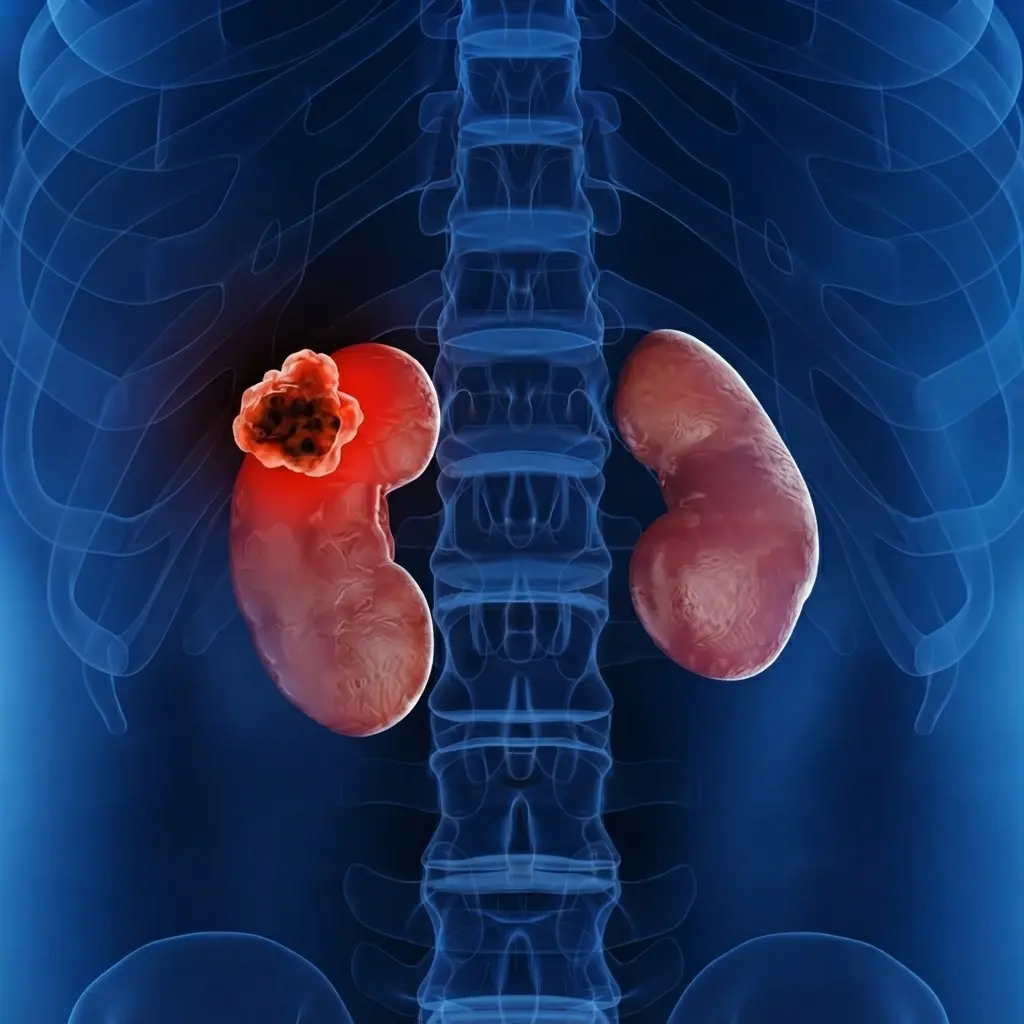
Kidney Cancer Surgery
Selected kidney tumors may require surgical treatment. Depending on tumor characteristics, a surgeon may consider kidney-preserving surgery or removal of the affected kidney.
The choice between different approaches depends on tumor size, location, complexity, kidney function, and other clinical factors.
Ureteral Surgery
The ureters carry urine from the kidneys to the bladder. Conditions such as obstruction, narrowing, injury, tumors, or complex stone disease may sometimes require surgical management.
The appropriate procedure depends on the cause and location of the ureteral problem and the patient's individual anatomy.
Bladder Surgery
Surgical treatment may be considered for selected bladder conditions, including bladder tumors and other structural or functional problems.
Some bladder procedures can be performed endoscopically through the urinary tract, while more extensive conditions may require additional surgical approaches.
Prostate Surgery
Urologic surgery may include procedures for selected prostate conditions. These may involve prostate cancer surgery or procedures intended to improve urinary symptoms associated with prostate enlargement.
The appropriate procedure depends on the diagnosis, prostate characteristics, cancer stage when applicable, urinary symptoms, and overall health.
Endoscopic Urologic Procedures
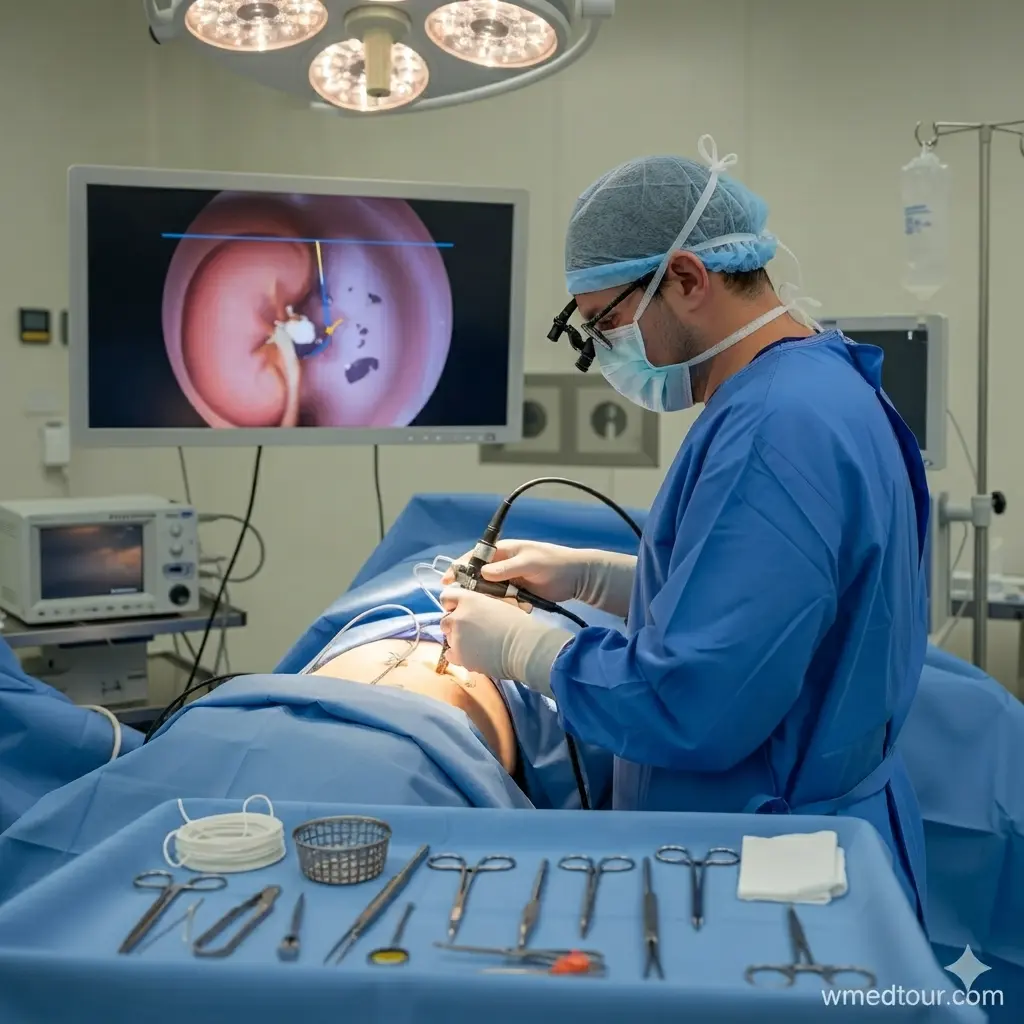
Some urological procedures can be performed through the urinary tract using specialized instruments and cameras.
Endoscopic techniques may be used for selected bladder conditions, ureteral problems, kidney stones, and other urinary tract disorders. The specific procedure depends on the patient's diagnosis.
Minimally Invasive Urologic Surgery
For selected patients, minimally invasive techniques may be considered instead of traditional open surgery. These approaches may involve laparoscopic or other specialized surgical techniques.
Suitability depends on the procedure, patient's anatomy, previous surgeries, disease characteristics, and surgeon assessment.
Robotic Urologic Surgery
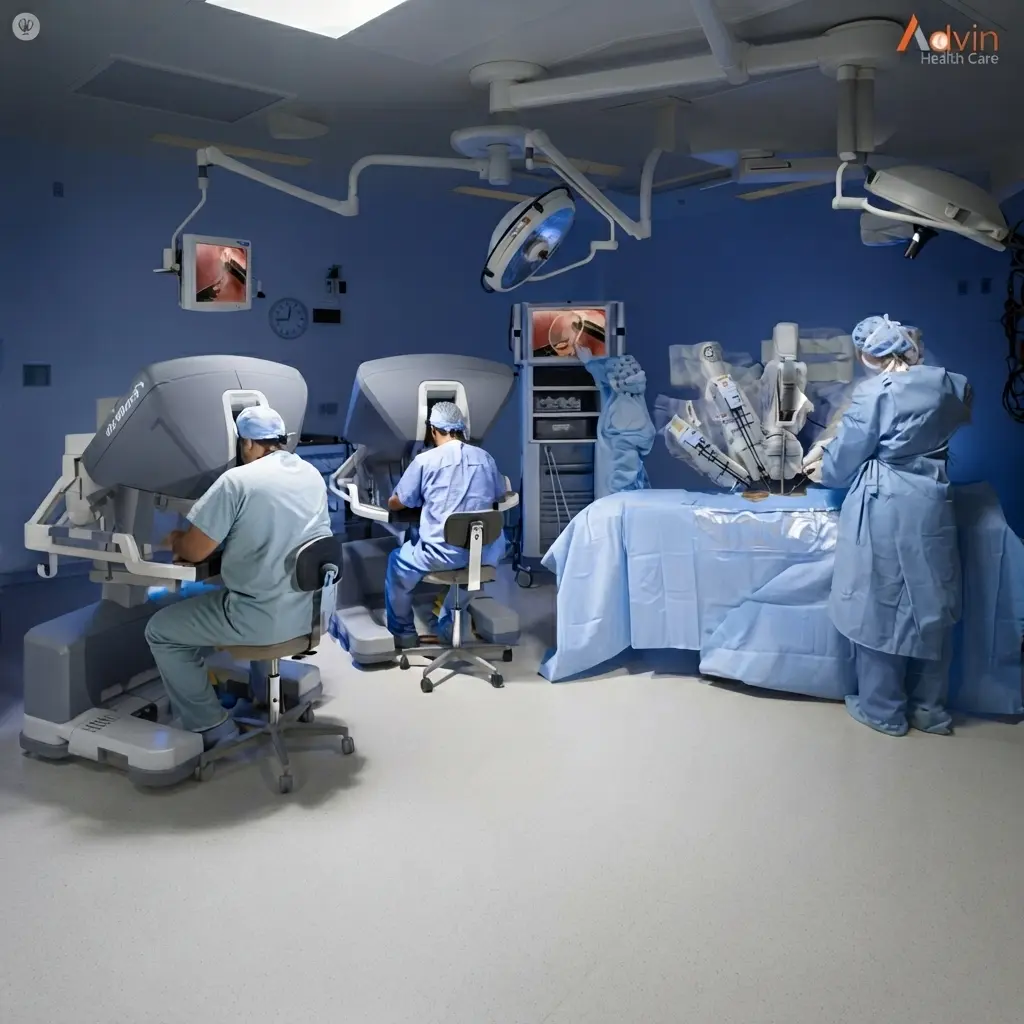
Robotic-assisted surgery is a form of minimally invasive surgery that may be considered for selected urological procedures.
The suitability of robotic surgery depends on the patient's condition and the specific procedure required. It is not appropriate for every patient or every urological condition.
Complex Urological Surgery
Some patients have complex conditions because of advanced disease, previous surgeries, anatomical abnormalities, recurrent disease, or multiple medical problems.
Complex urological cases may require detailed imaging, multidisciplinary planning, specialist review, and individualized surgical strategies.
Urological Cancer Surgery
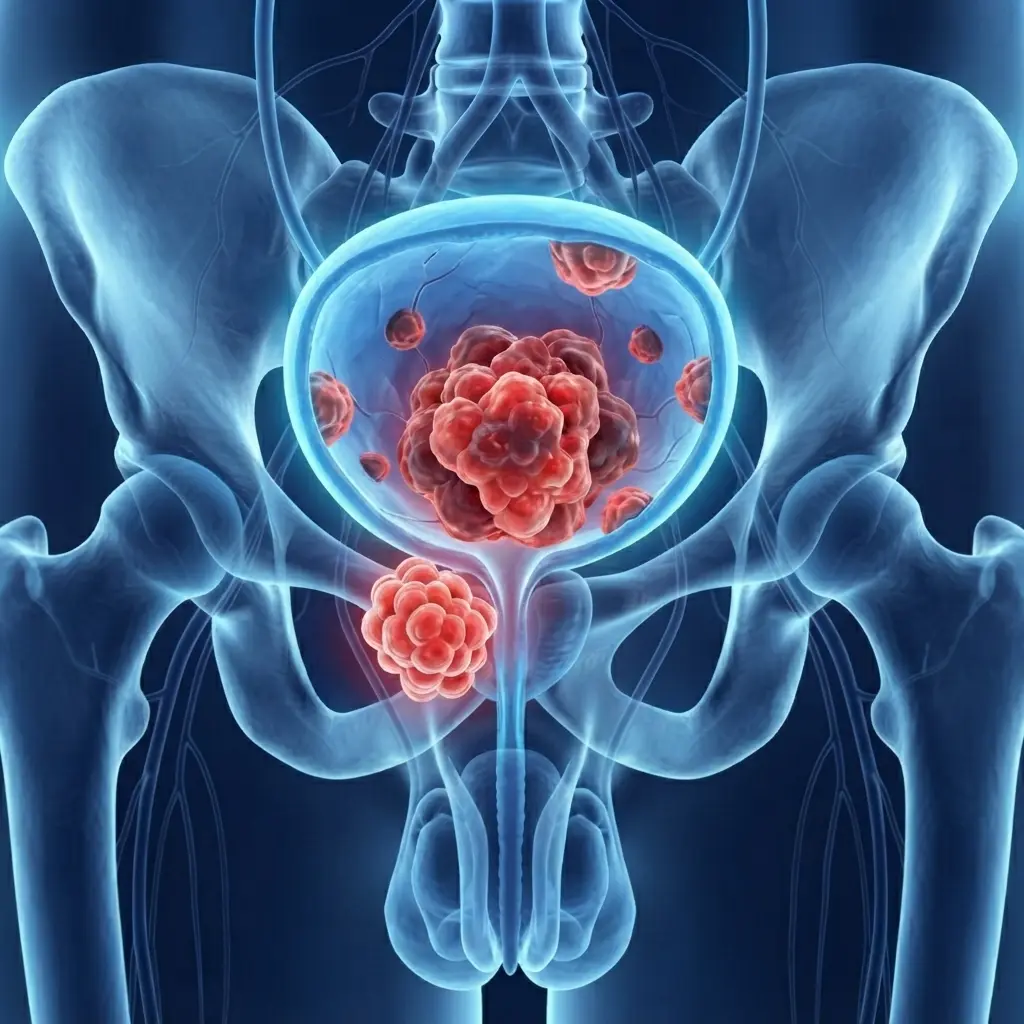
Urologic surgery can form an important part of treatment for selected cancers affecting the urinary system. Depending on the cancer, surgery may involve the kidney, bladder, prostate, ureter, or other affected structures.
The treatment plan may also involve oncology, radiation therapy, systemic medications, or other approaches depending on the cancer stage and individual circumstances.
Surgical Planning and Diagnostic Review
Before a complex procedure, available imaging and diagnostic reports may be carefully reviewed. This can include CT scans, MRI studies, ultrasound, pathology reports, laboratory findings, and previous operative records.
Detailed preoperative planning can help the surgical team understand the patient's anatomy and disease characteristics.
Recovery and Postoperative Care
Recovery depends on the type of urologic surgery, surgical approach, patient's general health, and whether complications occur.
Postoperative care may include monitoring urinary function, wound care, pain management, medications, catheter or stent management when applicable, and follow-up appointments.
Potential Risks and Complications
As with any surgical procedure, urologic surgery may involve potential risks. These can include bleeding, infection, blood clots, injury to surrounding structures, urinary problems, anesthesia-related complications, or other procedure-specific risks.
The individual risks depend on the type of surgery, patient's health, anatomy, and complexity of the condition. These should be discussed with the treating surgical team before treatment.
Second Opinion for Urologic Surgery
Patients who have been advised to undergo urologic surgery may seek a specialist second opinion before proceeding.
A second-opinion review can include the diagnosis, imaging, pathology, laboratory findings, previous treatment history, and proposed surgical approach. This may help patients understand the reason for surgery and whether other treatment options should be considered.
Multidisciplinary Urological Care
Some urological conditions require collaboration between multiple specialists. Depending on the patient's diagnosis, care may involve urologists, oncologists, radiologists, pathologists, radiation specialists, anesthesiology teams, and other healthcare professionals.
Multidisciplinary planning can be particularly valuable for complex cancer, recurrent disease, or patients with multiple medical conditions.
International Patient Urologic Surgery
International patients seeking urologic surgery may undergo an initial review of their medical information before treatment planning. Relevant records may include imaging reports, laboratory results, pathology reports, previous surgical records, medication lists, and details of previous urological treatment.
Treatment recommendations, scheduling, eligibility, and financial arrangements are subject to specialist assessment and applicable international patient requirements.
Benefits of Urologic Surgery at Toronto General Hospital
Specialist assessment of complex urological conditions
Individualized surgical planning
Evaluation of urinary tract and male reproductive conditions
Access to minimally invasive surgical approaches when appropriate
Assessment of urological cancers
Review of previous diagnostic and surgical records
Multidisciplinary care for complex cases
Support for second-opinion evaluations
Structured postoperative follow-up
Coordinated care for eligible international patients
Why Choose Toronto General Hospital?
Toronto General Hospital is part of University Health Network and provides care within a major academic healthcare environment. Patients with complex urological conditions may benefit from specialist expertise, advanced diagnostic resources, multidisciplinary collaboration, and individualized treatment planning.
The most appropriate urologic operation depends on the patient's specific diagnosis and circumstances. Specialist assessment is important before selecting a surgical technique.
Cost & Price on Request
The total cost of urologic surgery depends on the specific procedure and the patient's individual requirements. Costs may include specialist consultation, diagnostic imaging, laboratory investigations, anesthesia, surgery, hospital admission, pathology, medications, medical devices or temporary urinary support when required, and postoperative follow-up.
Price on Request is provided because urologic surgery encompasses many different procedures with substantially different treatment requirements.
Frequently Asked Questions
What conditions can be treated with urologic surgery?
Urologic surgery may be used for selected kidney, ureter, bladder, prostate, urinary tract, and urological cancer conditions. The appropriate procedure depends on the patient's diagnosis and clinical circumstances.
Is urologic surgery always performed through open surgery?
No. Depending on the condition and procedure, surgery may be performed using endoscopic, laparoscopic, robotic-assisted, minimally invasive, or open techniques. The appropriate approach is determined by the treating specialist.
What should I bring for a urologic surgery consultation?
Patients should provide relevant medical records, imaging reports and images, pathology or biopsy reports, laboratory results, medication information, previous surgical records, and details of previous treatments when available.
Can I request a second opinion before urologic surgery?
Yes. A specialist second opinion can review the diagnosis, test results, imaging, previous treatments, and proposed surgical procedure. This can help patients understand their options before making a treatment decision.
How much does urologic surgery cost at Toronto General Hospital?
The cost varies according to the specific procedure, complexity, investigations, hospital services, anesthesia, medications, and follow-up requirements. The price is therefore provided on request after individual assessment.
Product Details
Product Name: Urologic Surgery at Toronto General Hospital
Hospital: Toronto General Hospital
Brand: Toronto General Hospital
Country: Canada
Specialty: Urology
Service Type: Urologic Surgery
Customer-Facing Price: Price on Request
International Patients: Subject to applicable eligibility and appointment requirements
Location: Toronto, Ontario, Canada
Related products


Frequently Bought Together
No frequently bought products found!
Products from this Seller
View All












Chemotherapy at Mayo Clinic

Immunotherapy at Mayo Clinic


Medical Tourism





Share with Friends
Trading is more effective when you share products with friends!Share you link
Share to